
China Airlines Freighter Schedule: Your Ultimate Guide to Air Cargo
“Planning international shipping requires precise information and strategic foresight. Understanding the China Airlines freighter schedule is crucial for businesses relying on swift air cargo from Asia. This guide delves into their services, helping you navigate complex logistics. Moreover, we provide insights to optimize your supply chain effectively.”

Understanding China Airlines Freighter Services
❖China Airlines Cargo operates a significant fleet dedicated to air freight, offering extensive global reach. Their freighter network is designed to support diverse import and export needs, especially for time-sensitive goods. This service is vital for maintaining agile supply chains.
Consequently, businesses worldwide depend on these operations for reliable delivery. They ensure that goods from various industries reach their destinations promptly. Furthermore, understanding their capabilities helps in planning efficient logistics strategies.
Fleet and Network Overview
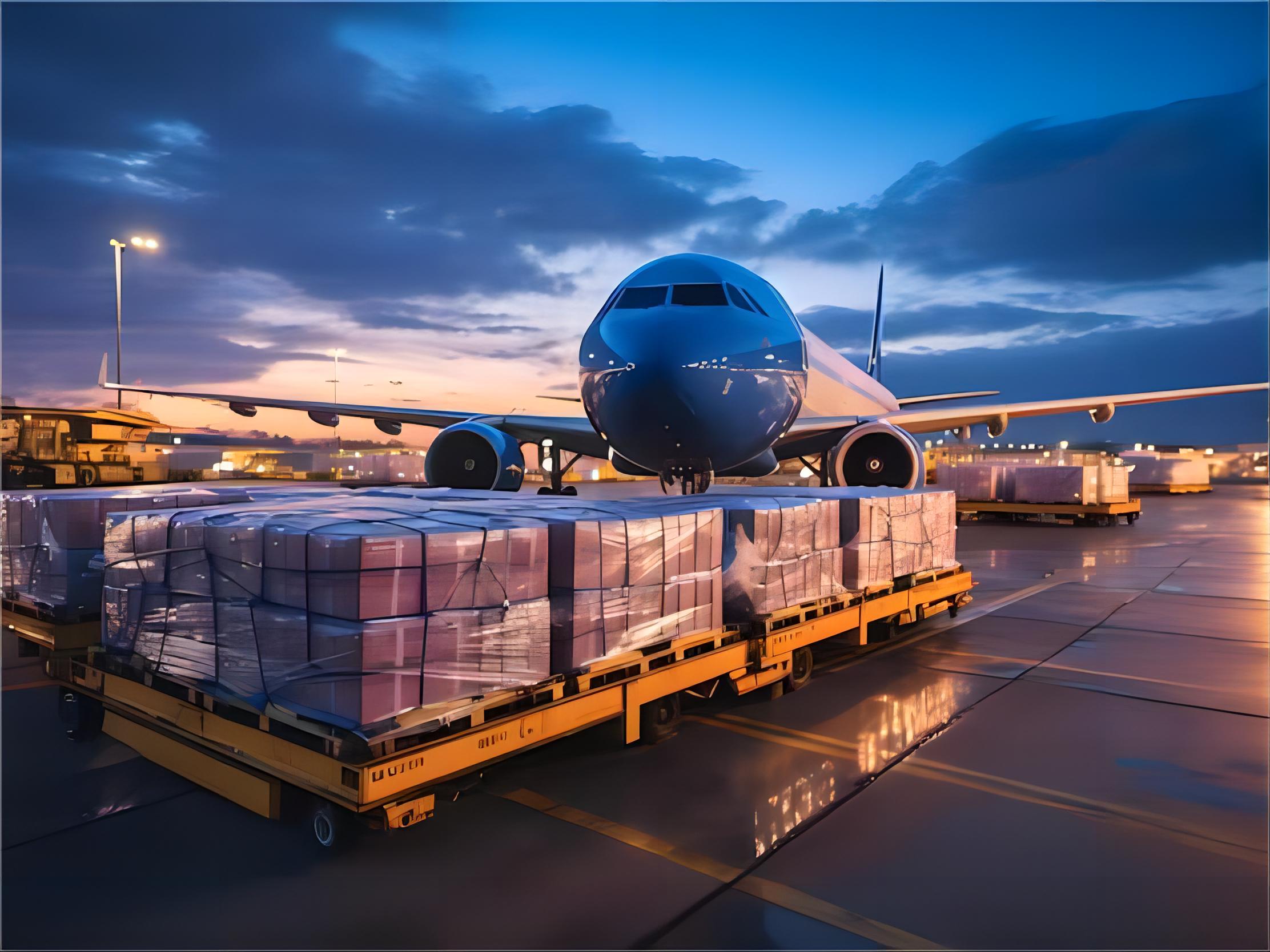
China Airlines utilizes a modern fleet of Boeing 747-400 freighters, known for their large cargo capacity and long-range capabilities. These aircraft enable direct flights to major economic hubs globally. Therefore, they are perfectly suited for heavy and voluminous shipments.
The airline’s network spans across Asia, North America, and Europe, connecting key manufacturing centers with consumer markets. This extensive reach supports diverse international trade routes. Indeed, it offers flexibility for various shipping requirements and transit times.
Key Cargo Types Handled
China Airlines Cargo specializes in a wide array of goods, including high-tech electronics, pharmaceuticals, and perishable items. Their facilities and procedures are designed to handle sensitive cargo with utmost care. This ensures product integrity throughout the journey.
Additionally, they transport general cargo, e-commerce parcels, and automotive parts. The airline’s expertise in handling diverse commodities makes it a preferred choice for many businesses. Consequently, it caters to various industry-specific logistics demands.
Navigating China Airlines Freighter Schedules and Routes
❖Accessing up-to-date China Airlines freighter schedule information is paramount for effective logistics planning. These schedules detail departure and arrival times, helping businesses forecast delivery accurately. Moreover, they inform about potential transit time variations.
Regularly updated schedules are available through their official cargo portal or freight forwarder platforms. Consequently, staying informed minimizes delays and optimizes inventory management. This proactive approach is essential for competitive global trade.
Major Hubs and Destinations
China Airlines operates major cargo hubs in Taipei (TPE), connecting to key cities like Shanghai, Guangzhou, and Hong Kong. From these Asian gateways, freighters typically head to North American cities such as Los Angeles (LAX) and Chicago (ORD). Additionally, European destinations like Frankfurt (FRA) and Amsterdam (AMS) are crucial.
These strategic connections facilitate rapid distribution to vast consumer markets. Therefore, they are critical for maintaining efficient global supply chains. Understanding these primary routes helps in selecting optimal shipping paths and reducing overall shipping costs.
Frequency and Transit Times
Freighter schedules often feature multiple weekly flights to major destinations, offering flexibility for shippers. For instance, flights from Taipei to Los Angeles might operate 5-7 times a week. This high frequency allows for rapid response to market demands.
Typical transit times for direct flights from Asia to North America range from 1-2 days, while to Europe it’s usually 2-3 days. However, these times can vary based on specific routes and operational factors. Always verify the latest delivery schedule for precise planning.
Factors Influencing Freighter Schedules and Capacity
❖Several dynamic factors can impact China Airlines freighter schedule and available cargo capacity. These include seasonal demand fluctuations, global events, and operational considerations. Consequently, understanding these influences is key to successful air freight planning.
Proactive monitoring of these elements allows businesses to anticipate potential disruptions. This foresight enables adjustments to shipping strategies, mitigating risks effectively. Therefore, it’s vital for maintaining supply chain resilience.
Seasonal Demand and Peak Periods
Air freight demand typically surges during peak seasons, notably before major holidays like Christmas and Chinese New Year. During these times, cargo space becomes tighter, and freight rates often increase significantly. Planning ahead is crucial to secure capacity and manage shipping costs.
For example, Q4 (October to December) sees heightened activity due to holiday shopping. Conversely, Q1 might experience a dip after the initial rush. These seasonal patterns directly influence the availability and pricing of air cargo capacity.
Regulatory Changes and Operational Adjustments
International aviation regulations, customs policies, and airport operational constraints can also affect schedules. New security measures or changes in air traffic control procedures might lead to adjustments. Compliance with these rules is non-negotiable for air cargo operations.
Furthermore, unforeseen events like severe weather or geopolitical developments can cause temporary disruptions. Airlines often adapt their schedules accordingly to ensure safety and efficiency. Therefore, flexibility in logistics planning is highly beneficial.
Booking and Tracking Your China Airlines Air Freight
❖Booking air freight with China Airlines involves working with a reputable freight forwarder who can secure space and manage documentation. This streamlined process ensures your cargo is handled efficiently from origin to destination. Ultimately, a reliable partner simplifies complex procedures.
Once booked, tracking your shipment provides real-time visibility and peace of mind. This transparency is crucial for managing customer expectations and inventory. Moreover, it allows for immediate response to any unforeseen transit issues.
The Booking Process Simplified
Initiating an air freight booking typically starts with providing shipment details, including dimensions, weight, and commodity type. A freight forwarder like Top China Freight will then check the China Airlines freighter schedule and available space. They will also provide a detailed quote covering all air freight charges.
Upon confirmation, necessary documentation, such as the Commercial Invoice and Packing List, is prepared. The forwarder coordinates pickup and delivery to the airport. This comprehensive service ensures a smooth transition from your warehouse to the aircraft, managing all customs formalities.
Real-time Cargo Tracking
After your cargo departs, you can track its journey using the Air Waybill (AWB) number provided. China Airlines offers online tracking services that update the status of your shipment in real-time. This visibility is invaluable for managing your supply chain.
Tracking information typically includes departure, arrival at transit points, and final destination arrival. This constant update ensures you are always aware of your cargo’s location. Furthermore, it allows for proactive communication with your consignee about the expected delivery schedule.
How Does Air Freight Compare to Other Shipping Options?
❖Choosing the right shipping method from China depends on various factors, including cost, speed, and cargo type. Air freight, while fast, is often more expensive than other options. Therefore, understanding these trade-offs is essential for informed decision-making.
Comparing air freight with alternatives like sea freight or express services helps optimize your logistics strategy. This analysis ensures you select the most suitable method for each specific shipment. Ultimately, it balances efficiency with budget considerations.
| Shipping Method | Cost Range (China-USA/EU) | Transit Time | Best For | Limitations |
|---|---|---|---|---|
| Air Freight (General Cargo) | $4-8 per kg | 3-7 days | Urgent, high-value, perishable goods | High cost, weight/volume restrictions |
| Sea Freight (FCL/LCL) | $0.05-0.2 per kg (LCL), $1,500-6,000 per container (FCL) | 15-45 days | Large, heavy, non-urgent shipments | Slow transit, port-to-port only |
| Express Service (Courier) | $8-15 per kg | 2-5 days | Small parcels, documents, samples | Highest cost per kg, strict size/weight limits |
Air Freight vs. Sea Freight
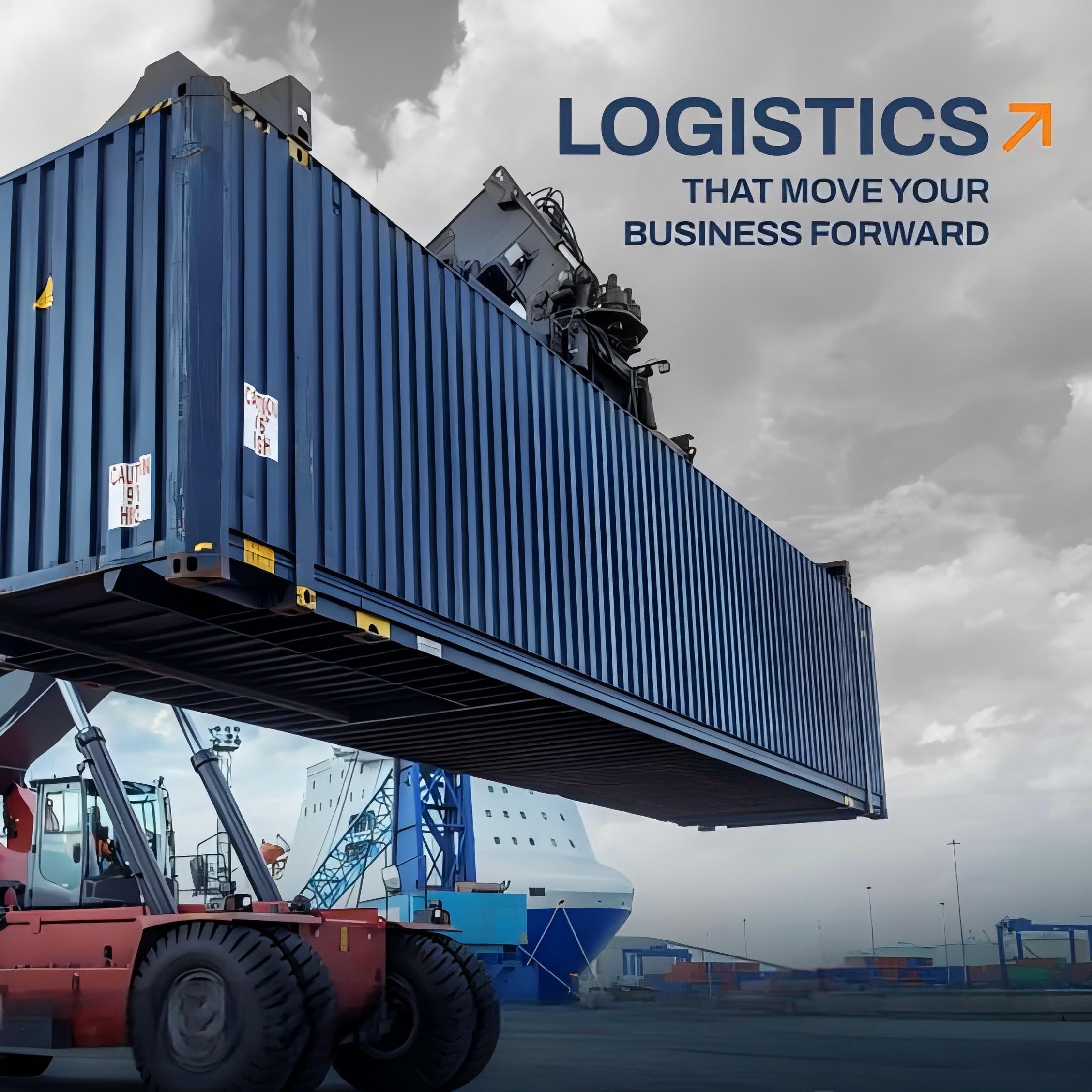
Air freight offers significantly faster transit times, typically 1-5 days, compared to sea freight which can take 15-45 days. This speed is critical for urgent shipments, high-value goods, or products with short shelf lives. However, air freight costs are considerably higher.
For example, while sea freight for a 40HQ container from China to Europe might cost $3,000-4,200, air freight for the same volume would be prohibitively expensive. Sea freight is ideal for large, heavy, non-urgent cargo. Conversely, air freight is for smaller, lighter, and time-critical items.
Air Freight vs. Express Services
Air freight typically involves larger shipments handled by airlines like China Airlines Cargo, often through a freight forwarder. Express service, provided by carriers like DHL or FedEx, is usually for smaller, lighter parcels and offers door-to-door delivery. Express is often faster for small packages but can be more expensive per kilogram for larger volumes.
Express services often include integrated customs clearance, simplifying the process for individuals and small businesses. Air freight, however, provides more flexibility for cargo dimensions and specialized handling. Choosing between them depends on package size, urgency, and required level of service.
Optimizing Your Air Cargo Strategy from China
❖Developing an optimized air cargo strategy involves careful planning and consideration of various logistical elements. This ensures cost-effectiveness while meeting delivery deadlines. Therefore, a strategic approach is vital for competitive advantage.
Effective optimization includes selecting the right services, managing documentation, and understanding market dynamics. Ultimately, it leads to smoother operations and reduced overall shipping costs. This holistic view enhances supply chain performance.
Cost-Saving Strategies for Air Freight
To mitigate high air freight costs, consider consolidating multiple smaller shipments into one larger consignment. This often reduces the per-unit cost significantly. Furthermore, working with a freight forwarder can provide access to better bulk rates and diverse carrier options.
Another strategy involves planning shipments during off-peak seasons when demand and rates are lower. Moreover, accurately declaring cargo weight and dimensions prevents unexpected charges. Efficient packaging also minimizes volumetric weight, leading to further savings.
When to Choose Air Freight
Air freight is the optimal choice for time-critical shipments, such as urgent product launches or emergency medical supplies. It is also preferred for high-value goods where the risk of theft or damage during longer transit times is a concern. The speed significantly reduces inventory holding costs.
Additionally, air cargo is suitable for perishable goods that require rapid delivery to maintain freshness and quality. For example, fresh produce or certain chemicals benefit immensely from fast air transport. Therefore, its benefits often outweigh the higher price for specific commodities.
Real-World Scenarios: China Airlines Freighter Shipments
❖Examining actual shipment scenarios provides practical insights into the application of China Airlines freighter services. These case studies highlight typical challenges and effective solutions in air cargo logistics. Consequently, they offer valuable lessons for businesses.
Each example demonstrates how strategic choices in carrier, route, and handling impact the overall success of a shipment. Furthermore, they illustrate the importance of detailed planning and execution. These insights are crucial for optimizing your own import/export operations.
Case Study 1: Urgent Electronics Delivery
This case involved a US-based tech company needing critical components for a new product launch. The urgency demanded the fastest possible transit from China. Choosing China Airlines freighter service was the ideal solution for their time-sensitive cargo.
| Detail | Description |
|---|---|
| Route | Shenzhen, China Los Angeles (LAX), USA |
| Cargo | Laptop Motherboards, 5 CBM, 800 kg |
| Shipping Method | Air Freight |
| Carrier/Service | China Airlines Cargo (CI) |
| Port of Loading | Shenzhen (SZX) |
| Port of Discharge | Los Angeles (LAX) |
| Route Type | Direct |
| Ocean Freight | N/A |
| Air Freight Cost | $5,600 (approx. $7/kg, based on Q3 2024 rates) |
| Origin Charges (THC, documentation) | $350 |
| Destination Charges | $280 |
| Customs & Duties (estimated) | $700 |
| Total Landed Cost | $6,930 |
| Booking to Loading | 1 day |
| Air Transit | 1 day |
| Customs Clearance | 1 day |
| Total Door-to-Door | 4 days |
| Key Insight | Swift customs clearance and direct flight minimized delays for critical components, meeting tight production deadlines. |
Case Study 2: High-Value Medical Equipment
A European healthcare provider needed specialized medical diagnostic equipment from a factory in Suzhou, China. Given the high value and delicate nature of the cargo, air freight was the only viable option. Security and careful handling were paramount for this shipment.
| Detail | Description |
|---|---|
| Route | Shanghai, China Frankfurt (FRA), Germany |
| Cargo | Medical Scanners, 8 CBM, 1200 kg |
| Shipping Method | Air Freight |
| Carrier/Service | China Airlines Cargo (CI) |
| Port of Loading | Shanghai (PVG) |
| Port of Discharge | Frankfurt (FRA) |
| Route Type | Direct |
| Ocean Freight | N/A |
| Air Freight Cost | $9,000 (approx. $7.5/kg, typical rates as of early 2025) |
| Origin Charges (THC, documentation) | $450 |
| Destination Charges | $350 |
| Customs & Duties (estimated) | $1,200 |
| Total Landed Cost | $11,000 |
| Booking to Loading | 2 days |
| Air Transit | 2 days |
| Customs Clearance | 1 day |
| Total Door-to-Door | 6 days |
| Key Insight | Special handling for sensitive cargo and efficient customs brokerage ensured safe and compliant delivery of high-value equipment. |
Case Study 3: E-commerce Fulfillment for Seasonal Goods
An online retailer needed to replenish popular seasonal clothing items from Guangzhou, China, to meet rapidly increasing demand in Australia. The relatively short selling window made air freight a strategic necessity. This ensured goods arrived before the peak sales period.
| Detail | Description |
|---|---|
| Route | Guangzhou, China Sydney (SYD), Australia |
| Cargo | Fashion Apparel, 3 CBM, 350 kg |
| Shipping Method | Air Freight |
| Carrier/Service | China Airlines Cargo (CI) |
| Port of Loading | Guangzhou (CAN) |
| Port of Discharge | Sydney (SYD) |
| Route Type | Transshipment via TPE |
| Ocean Freight | N/A |
| Air Freight Cost | $2,450 (approx. $7/kg, based on Q4 2024 peak season rates) |
| Origin Charges (THC, documentation) | $200 |
| Destination Charges | $150 |
| Customs & Duties (estimated) | $300 |
| Total Landed Cost | $3,100 |
| Booking to Loading | 1 day |
| Air Transit | 3 days |
| Customs Clearance | 1 day |
| Total Door-to-Door | 6 days |
| Key Insight | Timely delivery for seasonal goods via air freight allowed the retailer to capitalize on peak demand, maximizing sales and minimizing unsold inventory risk. |
Market Insights and Future Trends in China Air Freight
❖The air freight market from China is constantly evolving, influenced by global economic shifts and technological advancements. Staying abreast of these trends is crucial for businesses to adapt their logistics strategies. Consequently, market intelligence informs better decision-making.
Current conditions, such as post-pandemic recovery and geopolitical events, directly impact freight rates and capacity. Moreover, sustainability initiatives are increasingly shaping future operations. Understanding these factors provides a competitive edge in global trade.
Current Market Conditions
As of Q1 2025, air freight rates from China have stabilized after the volatility seen in 2023-2024, largely due to increased belly cargo capacity from passenger flights. However, specific routes and peak seasons can still see rate spikes. Fuel costs remain a significant determinant of overall shipping costs.
Industry average for this route indicates a return to more predictable pricing, though major events can quickly alter this. Market data suggests a cautious optimism among carriers, with continued investment in freighter fleets. This indicates a commitment to long-term cargo solutions.
Impact of Global Events
Geopolitical tensions and regional conflicts can disrupt established air routes, leading to longer transit times and higher fuel consumption. For example, airspace restrictions necessitate rerouting, adding to operational costs. These factors directly affect the China Airlines freighter schedule.
Furthermore, global economic slowdowns can reduce demand, impacting freight rates. Conversely, a surge in e-commerce continues to drive demand for rapid air cargo solutions. These dynamic external factors require continuous monitoring and adaptive planning by shippers.
Choosing the Right Air Freight Solution for Your Business
❖Selecting the optimal air freight solution requires a clear understanding of your specific business needs and priorities. This involves evaluating factors like budget, urgency, and cargo characteristics. Therefore, a structured decision framework is highly beneficial.
Working with an experienced freight forwarder can significantly simplify this complex process. They can offer tailored advice and access to various carrier options. Ultimately, their expertise helps you make informed choices for your air cargo shipments.
Decision Framework for Importers
When deciding on your air freight strategy, consider your budget priority. If cost is paramount, explore options like consolidated air freight or even sea-air combinations. Conversely, if speed is the primary concern, direct freighter services are essential.
Cargo type considerations also play a vital role; perishables require temperature-controlled environments, while high-value electronics need enhanced security. Volume thresholds for switching methods are also key. For instance, small, urgent parcels might use express, but larger, time-sensitive shipments benefit from dedicated air freight. For a seamless experience from factory to warehouse, consider a comprehensive door to door service.
The Role of a Reliable Freight Forwarder
A professional freight forwarder acts as your logistics partner, navigating the complexities of international shipping. They can provide competitive quotes, manage documentation, and coordinate with airlines like China Airlines Cargo. This expertise saves you time and reduces potential errors.
Moreover, a good forwarder offers end-to-end solutions, including warehousing, customs clearance, and last-mile delivery. They help you understand the nuances of the China Airlines freighter schedule and optimize your entire supply chain. Their guidance is invaluable for both experienced and new importers.

Conclusion
Navigating the complexities of global air freight, especially with carriers like China Airlines, requires precise information and strategic planning. Understanding the China Airlines freighter schedule, key routes, and factors influencing capacity is vital for efficient supply chain management. By leveraging market insights and expert forwarding services, businesses can significantly optimize their air cargo operations from China. This ensures timely delivery and cost-effectiveness for urgent and high-value goods.
Ready to streamline your logistics?
Ready to optimize your air cargo from China? Contact Top China Freight today for expert guidance and competitive quotes tailored to your specific needs. We simplify international logistics, ensuring your shipments arrive on time and within budget.
Request Quote