
- By TOP CHINA FREIGHT
- September 29, 2025
- Shipping
Table of Contents
China coast freight BL tracking is a vital tool for importers, exporters, and freight forwarders to ensure visibility throughout the shipping process. For businesses relying on timely deliveries and transparent logistics, knowing how to track a Bill of Lading (BL) accurately can save time, reduce costs, and prevent disputes. This guide explains the tracking process, challenges, benefits, and practical techniques to optimize your supply chain.
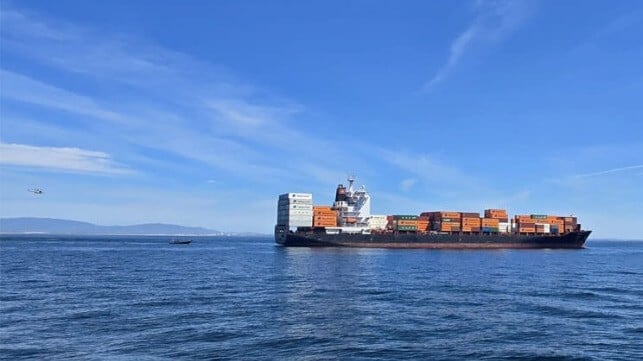
What is China Coast Freight BL Tracking?
Definition:
China coast freight BL tracking is the monitoring of shipments via coastal shipping routes in China using a Bill of Lading (BL) number.
Role of BL:
The BL is a legal document confirming receipt of goods and serves as a unique identifier for tracing cargo.
Scope:
Coastal shipping in China covers short to medium distances between domestic ports.
Key Industries:
Common cargo includes coal, iron ore, steel, grain, and containers.
Benefits:
BL tracking enables real-time visibility of cargo location, delivery schedules, and port updates.
Why is BL Tracking Important for Importers and Exporters?
BL tracking ensures that supply chain managers can monitor their goods without relying solely on manual updates. It also strengthens trust with customers, as businesses can provide accurate delivery timelines. Moreover, visibility reduces risks such as delays, misrouting, or disputes over delivery dates.
Additionally, having access to tracking data supports inventory planning and warehouse scheduling. Companies can optimize their resources, reduce idle times, and enhance efficiency across the logistics chain.
How Does China Coast Freight BL Tracking Work?
Tracking is performed by entering the Bill of Lading number into shipping platforms or the carrier’s system. The process involves:
1.BL Issuance
The shipping company issues a BL upon receiving goods.
2.Data Upload
Port operators and carriers update cargo status in centralized systems.
3.Tracking Access
Shippers, importers, or freight forwarders enter BL numbers online.
4.Real-Time Updates
Systems provide status such as “loaded,” “in transit,” or “arrived.”
This digital integration reduces dependency on paper-based communication and speeds up logistics decision-making.
What Are the Benefits of China Coast Freight BL Tracking?

| Benefit | Description |
|---|---|
| Visibility & Transparency | Real-time tracking reduces uncertainty and builds confidence. |
| Time Efficiency | Quicker updates improve decision-making for importers and exporters. |
| Risk Reduction | Identifies delays or issues early, allowing corrective actions. |
| Better Inventory Management | Supports planning for warehousing and distribution. |
| Compliance Support | Ensures accurate documentation for customs and trade regulations. |
What Are the Main Shipping Methods Along China’s Coast?
Coastal shipping includes containerized cargo, bulk shipments, and roll-on/roll-off transport. Each method has unique advantages.
| Method | Cost Level | Transit Time | Best For | Challenges |
|---|---|---|---|---|
| Container Freight | Moderate | 2–5 days | General goods, electronics, machinery | Port congestion |
| Bulk Freight | Low | 3–7 days | Coal, iron ore, grain, steel | Seasonal demand variations |
| Ro-Ro Shipping | Moderate | 1–3 days | Vehicles, heavy equipment | Limited port facilities |
How to Use BL Tracking for Supply Chain Optimization?
BL tracking is more than just cargo monitoring—it can become a strategic tool. Businesses can analyze tracking data to predict delivery times, optimize storage costs, and even negotiate better rates with carriers.
For example, if tracking consistently shows congestion in specific ports, businesses may reroute goods to alternative terminals. Similarly, analyzing transit time data helps adjust procurement schedules, reducing the risk of stockouts.
What Challenges Exist in BL Tracking?
Not all carriers have standardized digital platforms.
Updates may lag, especially in smaller ports.
Multi-leg shipments involving sea and inland transport complicate tracking.
Mistyped BL numbers can result in failed searches.
What Documents Are Required Alongside BL Tracking?
When moving goods via China’s coastal shipping, several documents are essential for customs and compliance:
| Document | Purpose |
|---|---|
| Bill of Lading (BL) | Proof of shipment, essential for tracking. |
| Commercial Invoice | Declares product value for customs. |
| Packing List | Lists cargo details for handling. |
| Certificate of Origin | Proves product origin for tariff application. |
| Customs Declaration | Required for import/export clearance. |
Case Study: How BL Tracking Improved Delivery for a Steel Importer

A steel importer in Southeast Asia faced repeated delays when sourcing goods via coastal shipping from northern to southern China. By leveraging BL tracking systems, the company identified recurring congestion at one port. As a result, they rerouted shipments through an alternative port with fewer delays.
This simple adjustment reduced average delivery time by 2 days and saved 8% on overall logistics costs. Additionally, the importer gained better control over warehouse scheduling, leading to improved customer satisfaction.
How Does BL Tracking Compare with Other Tracking Methods?
| Tracking Method | Scope | Pros | Cons |
|---|---|---|---|
| BL Tracking | Port-to-port visibility | Legal recognition, detailed cargo info | Limited beyond coastal shipping |
| Container Tracking | GPS-based monitoring of containers | Real-time updates, wider applicability | Higher cost, requires digital tools |
| Airway Bill Tracking | Air freight shipments | Fast updates, global reach | Not applicable for sea freight |
| Rail Tracking | Rail shipment visibility | Covers inland supply chains | Limited for coastal freight |
Should Businesses Rely Solely on BL Tracking?
While BL tracking is crucial, it should not be the only visibility tool. Integrating BL tracking with container tracking, customs updates, and freight forwarder systems provides a complete logistics picture.
For growing businesses, working with a reliable freight forwarder ensures they receive consolidated updates from multiple sources, minimizing risks.
Conclusion
China coast freight BL tracking is more than a compliance requirement—it is a strategic tool for visibility, planning, and efficiency. By understanding how BL tracking works and combining it with supply chain data, companies can improve delivery schedules, reduce risks, and gain a competitive advantage in the market.
Need a Shipping Quote?
If you want expert guidance and peace of mind, our team is ready to assist.
TJ China Freight offers tailored solutions to help businesses of all sizes ship more reliably from China.

FAQ
Q1:What is the difference between a Bill of Lading and a tracking number?
A Bill of Lading is a legal shipping document, while a tracking number only provides shipment status updates.
Q2:Can I track shipments without a BL number?
Usually no. Some carriers allow container or booking reference tracking, but BL is most reliable.
Q3:How long does coastal shipping in China take?
Typically 1–7 days depending on distance, port congestion, and cargo type.
Q4:Do customs officials use BL tracking?
Yes, customs often check BL details to verify shipment documents and compliance.
Q5:Is BL tracking available for bulk cargo?
Yes, but updates may be slower compared to container freight.