
China Container Freight Index: Your Guide to Shipping Costs
The global shipping landscape is constantly evolving, with freight rates often fluctuating dramatically. Understanding the China Container Freight Index (CCFI) is paramount for businesses engaged in international trade. This crucial index provides a clear snapshot of current shipping costs from Chinese ports, offering invaluable insights into market dynamics. At Top China Freight, we help you decipher these trends, ensuring you make informed decisions for your supply chain.

What is the China Container Freight Index (CCFI)?
The China Container Freight Index (CCFI) is a composite index reflecting the average freight rates and surcharges for container shipping from major Chinese ports. It encompasses 12 different shipping routes worldwide, providing a comprehensive overview of the global shipping market. Consequently, it serves as a vital benchmark for importers and exporters.
Established by the Shanghai Shipping Exchange, the CCFI offers transparency in a complex industry. Its data points are collected from various shipping lines, ensuring a broad and accurate representation of market conditions. Therefore, tracking this index is essential for predicting future shipping costs.
How Does the CCFI Impact Your Shipping Costs?
The CCFI directly influences the actual container shipping rates you pay for goods transported from China. When the index rises, it typically indicates an increase in demand or a reduction in vessel capacity, leading to higher freight costs. Conversely, a decline suggests more favorable pricing conditions for shippers.
Furthermore, many long-term shipping contracts include clauses tied to freight index trends. This means that even if you have a fixed-rate agreement, your costs might adjust periodically based on CCFI movements. Therefore, staying updated on the index helps in budgeting and strategic planning for your imports.
Key Factors Influencing the China Container Freight Index
Several critical factors contribute to the fluctuations observed in the China Container Freight Index. Seasonal demand, for instance, plays a significant role, with rates often surging before major holidays like Chinese New Year or during peak shopping seasons. Moreover, global economic conditions directly affect trade volumes and, consequently, freight rates.
Geopolitical events and disruptions, such as canal blockages or port congestion, can also dramatically impact the index. Supply-side elements, including new vessel deliveries or carrier alliances, similarly affect overall capacity and pricing. Consequently, monitoring these elements is vital for understanding the index’s trajectory.
Understanding Peak Seasons and Surcharges
Peak seasons, typically from August to October, see a significant uptick in shipping demand, pushing the CCFI upwards. During these periods, carriers often implement peak season surcharges (PSS) to manage increased operational costs. Planning your shipments outside these windows can lead to substantial cost savings.
Additionally, fuel surcharges (Bunker Adjustment Factor or BAF) and currency adjustment factors (CAF) are common additions to base freight rates. These surcharges are dynamic and reflect changes in fuel prices and exchange rates, respectively. Therefore, a comprehensive understanding of all potential costs is crucial for accurate budgeting.

Navigating Global Shipping Market Challenges
The global shipping market faces various challenges, from port congestion to labor shortages, all of which can affect the China Container Freight Index. For example, recent disruptions in major shipping lanes have led to longer transit times and increased costs. Proactive freight forwarders can help mitigate these risks.
Furthermore, regulatory changes and environmental initiatives are reshaping the industry. New emissions standards, for instance, may lead to higher operational costs for carriers, eventually passed on to shippers. Consequently, selecting a reliable partner like Top China Freight’s customs brokerage team is more important than ever.
How Does Container Availability Affect Rates?
Container availability is another crucial driver behind the China Container Freight Index. A shortage of empty containers at key export hubs can cause rates to soar, as shippers compete for limited space. This situation often arises from imbalances in trade flows, where more containers arrive than depart.
Conversely, an oversupply of containers can lead to more competitive pricing, benefiting importers. Monitoring container repositioning and manufacturing trends can offer early indicators of potential rate changes. For urgent shipments requiring dedicated space, consider our express service options.
Optimizing Your Supply Chain with CCFI Insights
Leveraging insights from the China Container Freight Index allows businesses to optimize their supply chain and reduce import logistics costs. By anticipating rate changes, you can strategically plan inventory levels, negotiate better contracts, and choose optimal shipping windows. This proactive approach can yield significant savings.
Moreover, understanding the index helps in making informed decisions about shipping methods. For bulk goods with flexible delivery schedules, sea freight often remains the most cost-effective option. However, for time-sensitive cargo, alternative solutions like air freight might be necessary despite higher costs.
How Does China Container Freight Index Compare to Other Shipping Options?
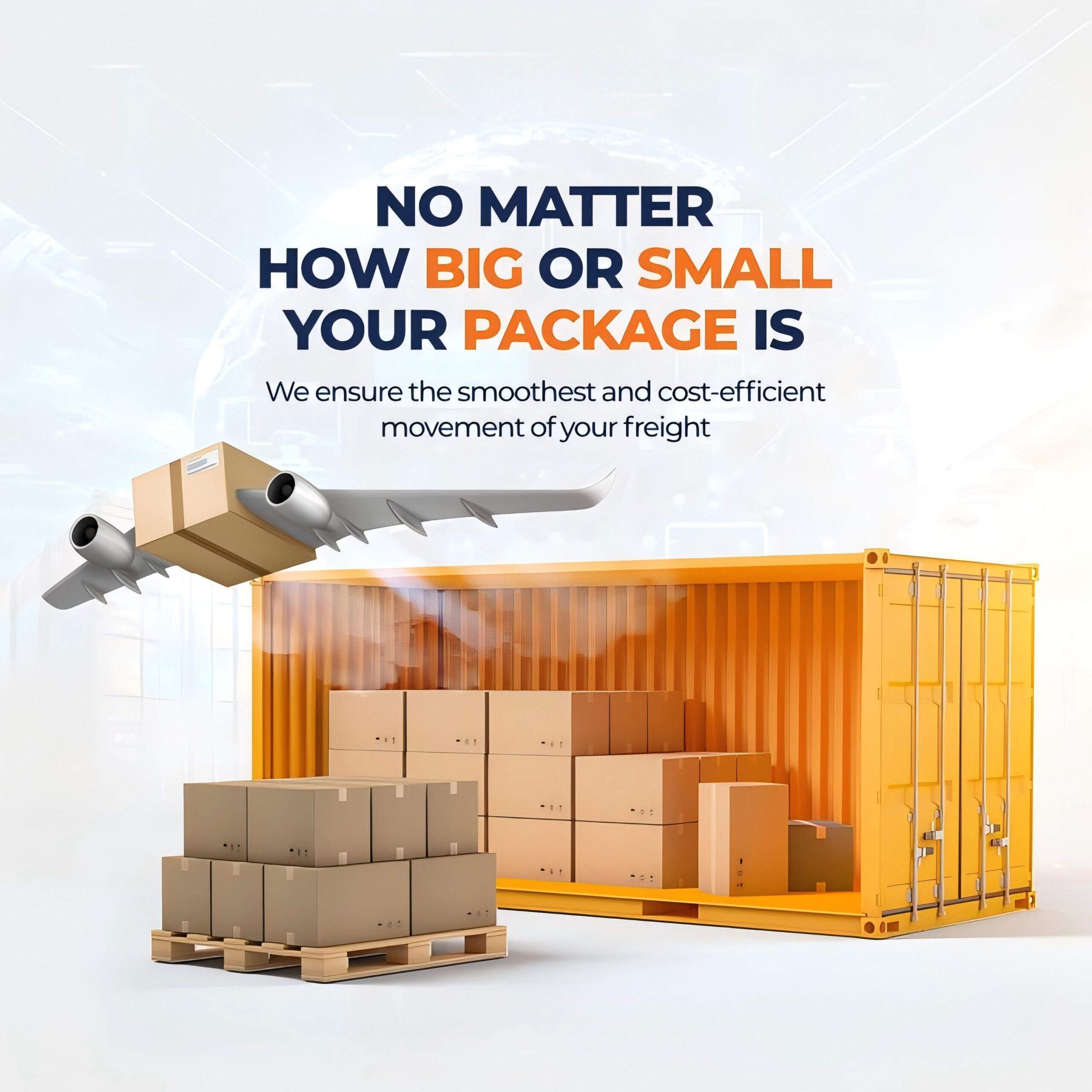
When planning your imports from China, understanding the various shipping methods and their cost implications is vital. The China Container Freight Index primarily reflects ocean freight rates, which is often the most economical choice for large volumes. However, other options exist, each with unique advantages and disadvantages.
Consider your cargo type, urgency, and budget when selecting a shipping method. For instance, while ocean freight offers the lowest cost per unit, it comes with longer transit times. Air freight provides speed but at a premium price. Rail freight offers a middle ground for specific routes.
| Shipping Method | Cost Range (per kg/CBM) | Transit Time | Best For | Limitations |
|---|---|---|---|---|
| Sea Freight | $0.05 – $0.20/kg (FCL) | 20-45 days | Bulk, heavy goods, non-urgent | Slow, port congestion risks |
| Rail Freight | $0.30 – $0.80/kg | 15-25 days | Medium urgency, landlocked regions | Limited routes, less capacity than sea |
| Air Freight | $4.00 – $8.00/kg | 3-7 days | Urgent, high-value, perishable | High cost, volume/weight restrictions |
| Express Courier | $8.00 – $15.00/kg | 2-5 days | Small parcels, samples, documents | Very high cost, strict limits |
Which Option Should You Choose? A Decision Framework
Your decision hinges on a careful evaluation of priorities. If budget is your primary concern, and you have ample lead time, sea freight is typically the most cost-effective solution for containerized cargo. This method is ideal for large, non-perishable goods.
When speed is paramount, especially for high-value or time-sensitive products, air freight becomes the preferred choice. For a balance of cost and speed, particularly for destinations in Europe, rail freight can offer an excellent alternative.
Furthermore, cargo type considerations are crucial. Fragile items might benefit from air freight’s quicker handling, reducing transit risks. Volume thresholds also play a role; for shipments under 15 CBM, LCL (Less than Container Load) sea freight can be more economical than a full container, though it might involve longer transit times due to consolidation.
Real-World Scenarios: Applying CCFI Insights
Case Study 1: Large Volume Import for Retailer
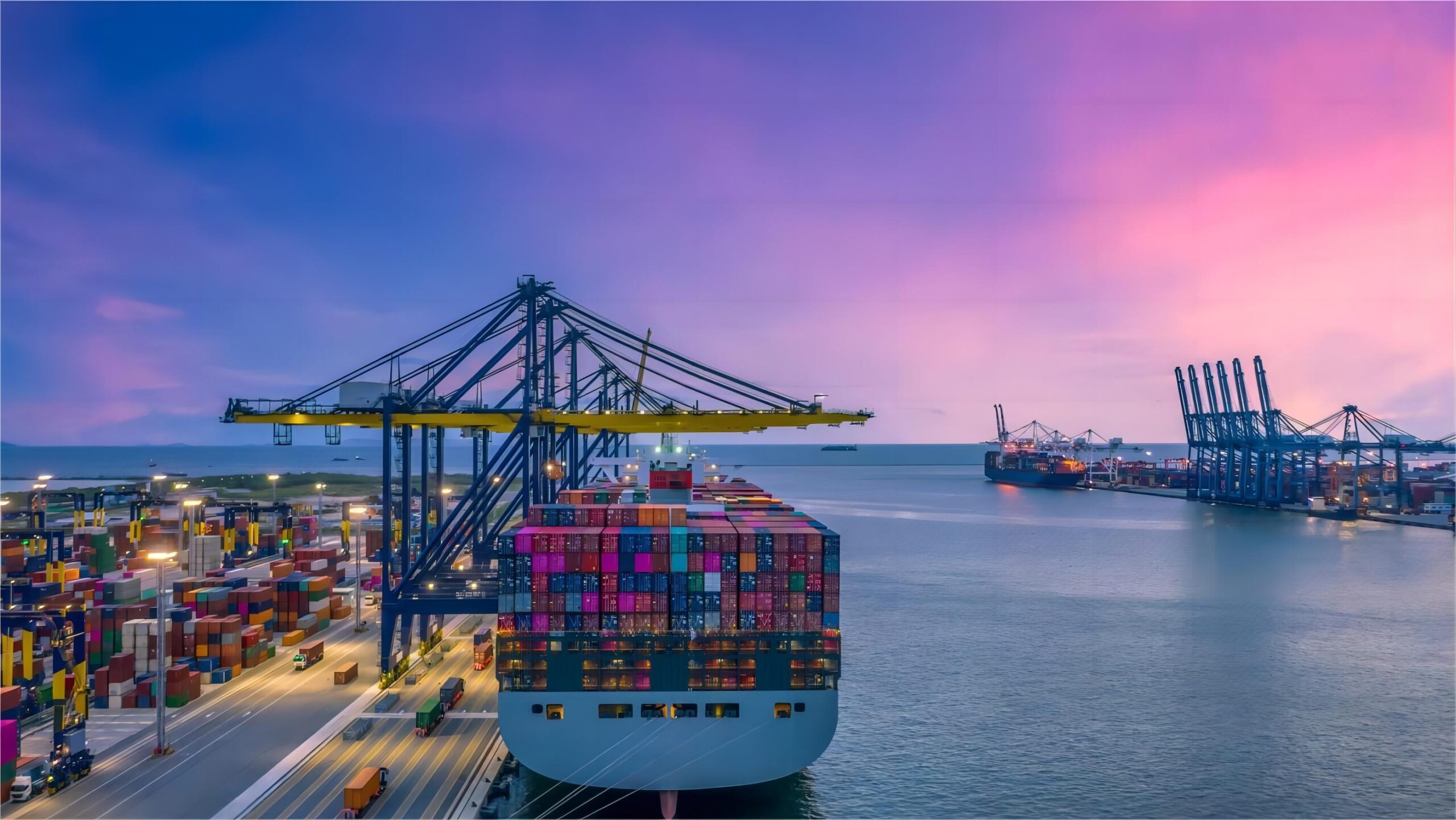
This case study illustrates how a retailer utilized market insights to manage costs for a large volume shipment. By understanding the cyclical nature of the China Container Freight Index, they secured a favorable rate. This proactive planning helped maintain profit margins during a volatile market period.
| Attribute | Details |
|---|---|
| Route | Shanghai, China -> Rotterdam, Netherlands |
| Cargo | Consumer Electronics, 68 CBM, 12,000 kg |
| Container | 40HQ |
| Shipping Details: | |
| – Carrier/Service | MSC |
| – Port of Loading | Shanghai |
| – Port of Discharge | Rotterdam |
| – Route Type | Direct |
| Cost Breakdown: | |
| – Ocean Freight | $3,800 (Based on Q3 2024 rates) |
| – Origin Charges | $450 |
| – Destination Charges | $550 |
| – Customs & Duties (estimated) | $1,200 |
| – Total Landed Cost | $6,000 |
| Timeline: | |
| – Booking to Loading | 5 days |
| – Sea Transit | 30 days |
| – Customs Clearance | 2 days |
| – Total Door-to-Door | 37 days |
| Key Insight | Booking outside peak season saved 15-20% on ocean freight. |
Case Study 2: Urgent Components for Manufacturing
A manufacturer needed urgent components from China to avoid production line stoppages. Despite higher costs, air freight was the only viable option. This scenario highlights the trade-off between speed and cost, often influenced by the time-sensitive nature of the goods.
| Attribute | Details |
|---|---|
| Route | Shenzhen, China -> Chicago, USA |
| Cargo | Automotive Parts, 2 CBM, 300 kg |
| Container | Air Cargo (Consolidated) |
| Shipping Details: | |
| – Carrier/Service | Major air cargo airline |
| – Port of Loading | Shenzhen Bao’an International Airport |
| – Port of Discharge | Chicago O’Hare International Airport |
| – Route Type | Direct Air Cargo |
| Cost Breakdown: | |
| – Air Freight | $1,800 (Typical rates as of early 2025) |
| – Origin Charges | $150 |
| – Destination Charges | $250 |
| – Customs & Duties (estimated) | $300 |
| – Total Landed Cost | $2,500 |
| Timeline: | |
| – Booking to Loading | 2 days |
| – Air Transit | 4 days |
| – Customs Clearance | 1 day |
| – Total Door-to-Door | 7 days |
| Key Insight | Speed prioritized over cost to prevent production delays. |
Case Study 3: Small Business LCL Shipment
A small e-commerce business regularly imports smaller batches of goods, making LCL (Less than Container Load) shipping the most practical choice. They leverage efficient consolidation services to keep their per-unit shipping costs manageable. This approach is ideal for managing inventory without overstocking.
| Attribute | Details |
|---|---|
| Route | Ningbo, China -> Sydney, Australia |
| Cargo | Home Decor Items, 8 CBM, 1,500 kg |
| Container | LCL (Less than Container Load) |
| Shipping Details: | |
| – Carrier/Service | Major NVOCC |
| – Port of Loading | Ningbo |
| – Port of Discharge | Sydney |
| – Route Type | Transshipment via Singapore |
| Cost Breakdown: | |
| – Ocean Freight | $750 (Based on Q1 2025 rates) |
| – Origin Charges | $200 |
| – Destination Charges | $300 |
| – Customs & Duties (estimated) | $400 |
| – Total Landed Cost | $1,650 |
| Timeline: | |
| – Booking to Loading | 7 days |
| – Sea Transit | 20 days |
| – Customs Clearance | 3 days |
| – Total Door-to-Door | 30 days |
| Key Insight | LCL consolidation provided cost-effective solution for smaller volume. |
Mastering the China Container Freight Index for Smarter Shipping
The China Container Freight Index (CCFI) remains an indispensable tool for anyone involved in global trade. By carefully monitoring its movements and understanding the underlying factors, businesses can make more informed decisions regarding their shipping strategies. This proactive approach helps mitigate risks and control costs effectively.
Ultimately, success in international logistics hinges on preparedness and adaptability. Leveraging data from the CCFI, combined with expert guidance, empowers you to optimize your supply chain. When you need reliable support in understanding the China container freight index, Top China Freight is here to help. Note: Freight rates are subject to change based on fuel costs, carrier capacity, and seasonal demand. Contact us for a current quote tailored to your specific shipment.
Need a tailored shipping solution?
Understanding the nuances of the china container freight index is critical for optimizing your logistics. Don’t let fluctuating freight rates impact your bottom line. Partner with us to navigate the complexities of international shipping and secure competitive rates. Contact us today for a personalized quote.