


China FCL Cargo Inspection to Spain: A Comprehensive Logistics Guide
Navigating the complexities of China FCL cargo inspection to Spain is vital for modern importers who want to ensure seamless delivery and compliance. Without a doubt, ensuring your goods meet Spanish regulatory standards prevents costly delays at the Mediterranean borders. Consequently, this guide provides the necessary insights to streamline your logistics operations and secure your supply chain effectively.
Why China FCL Cargo Inspection to Spain is Crucial for Importers
Quality control remains the cornerstone of successful international trade between Asian manufacturers and European distributors. Specifically, a thorough inspection ensures that the quantity and quality of goods match the purchase agreement before the container is sealed. Moreover, identifying defects at the origin is significantly more cost-effective than managing returns once the cargo reaches Spanish soil.
Regulatory compliance with European Union standards is another critical factor for every shipment. Indeed, Spanish customs officials are known for their rigorous verification of safety certifications and technical documentation. Therefore, conducting a pre-shipment inspection acts as a safeguard against potential legal complications and heavy fines.
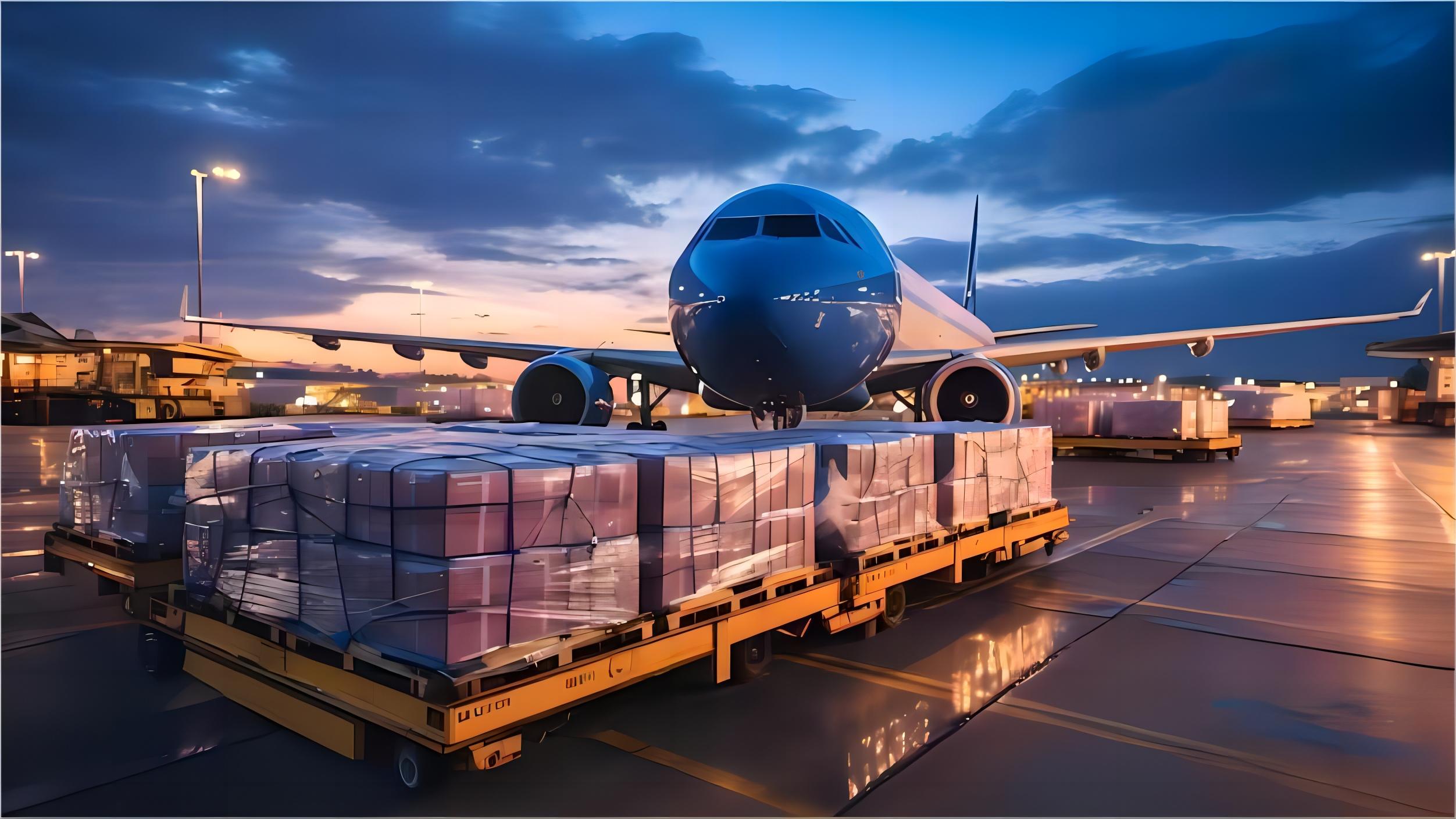
How Does FCL Compare to Other Shipping Options?
Choosing the right transport mode depends heavily on your budget, volume, and urgency. While sea freight is the most common choice, alternatives like air or rail might suit specific business needs. For instance, high-value electronics often benefit from the speed of air transport despite the higher costs involved.
Full Container Load (FCL) offers the highest level of security because the container is dedicated solely to your goods. In contrast, Less than Container Load (LCL) involves sharing space with other shippers, which can increase the risk of damage during handling. Nevertheless, LCL remains a viable alternative for smaller volumes that do not justify a full 20ft or 40ft unit.
| Shipping Method | Cost Range | Transit Time | Best For | Limitations |
|---|---|---|---|---|
| Sea FCL | $2,000 – $4,500 | 30-40 Days | High volume goods | Longer transit time |
| Sea LCL | $50 – $150/CBM | 35-45 Days | Small shipments | Higher risk of damage |
| Air Freight | $4.50 – $8.00/kg | 5-8 Days | Urgent/High value | Prohibitive costs |
| Rail Freight | $1,500 – $2,800 | 18-24 Days | Mid-range urgency | Limited destinations |
Essential Steps in the China FCL Cargo Inspection to Spain Process
The process begins with a detailed factory audit to verify the manufacturer’s production capabilities. Subsequently, the inspector performs an Initial Production Check to ensure raw materials meet the required specifications. This proactive approach minimizes the risk of mass production errors that could derail your entire delivery schedule.
During the final stages, a Pre-Shipment Inspection (PSI) is conducted when at least 80 percent of the order is packed. Furthermore, the inspector verifies the packing list against the actual contents to ensure accuracy. Finally, the container loading supervision ensures that the goods are stowed correctly to prevent shifting during the long voyage to Spain.

Navigating Customs Brokerage and Documentation Requirements
Handling the paperwork correctly is the most significant hurdle in the import process. Working with a professional customs brokerage service can simplify this task immensely. Moreover, you must ensure that all documents, including the Bill of Lading and Commercial Invoice, are translated and formatted according to Spanish law.
Spanish customs require a specific set of documents for every FCL shipment arriving from China. For example, a Certificate of Origin may be required to qualify for certain tariff preferences. Additionally, technical certificates like the CE mark are mandatory for machinery and electrical components sold within the European Union.
| Document Name | Purpose | Required By | Timing |
|---|---|---|---|
| Bill of Lading | Title of goods | Carrier/Customs | Post-loading |
| Commercial Invoice | Value declaration | Spanish Customs | Pre-shipment |
| Packing List | Cargo details | Warehouse/Customs | Pre-shipment |
| CE Certificate | Safety compliance | EU Regulators | Production stage |
Transit Times and Port Logistics for Spanish Shipments
Shipments from major Chinese ports like Shanghai or Shenzhen typically take between 30 and 38 days to reach Barcelona or Valencia. However, these times can fluctuate based on weather conditions and port congestion. Choosing a door to door service can help manage the final mile delivery from the port to your warehouse.
Direct routes are generally faster but may come at a premium price compared to transshipment options via Singapore or Algeciras. Consequently, importers must balance their need for speed against their logistics budget. Meanwhile, the choice of the arrival port in Spain should be dictated by the final destination of the goods to minimize inland trucking costs.
Cost Analysis for FCL Shipments to Europe
Freight rates for shipping from China to Europe have seen significant volatility over the past few years. As of early 2025, a 40HQ container from Ningbo to Barcelona ranges from $3,500 to $4,500 depending on the season. Furthermore, you must account for local charges such as Terminal Handling Charges (THC) and documentation fees at both ends.
Note: Freight rates are subject to change based on fuel costs, carrier capacity, and seasonal demand. Contact us for a current quote tailored to your specific shipment.
Implementing a consolidation strategy can lead to substantial savings for businesses with multiple suppliers. Instead of shipping several LCL units, you can combine them into a single FCL unit at a Chinese warehouse. This method not only reduces the freight cost per unit but also simplifies the customs clearance process in Spain.
Which Option Should You Choose? A Decision Framework
If your primary goal is budget optimization, sea freight FCL is the undisputed winner for large volumes. However, if you are launching a new product and need it on the shelves within two weeks, air freight is the only viable solution. You should also consider the nature of your cargo; fragile items often fare better in FCL containers due to reduced handling.
Volume thresholds are also a key indicator for your decision. Generally, if your shipment exceeds 15 cubic meters, a 20ft FCL container becomes more economical than LCL. On the other hand, for very large shipments exceeding 60 cubic meters, the 40HQ container provides the best value for money in terms of cost per cubic meter.
Real-World Case Studies of China FCL Cargo Inspection to Spain
Case Study 1: High-Volume Electronics Distribution. Route: Shenzhen, China to Barcelona, Spain. Cargo: Consumer Electronics, 68 CBM, 12000 kg. Container: 40HQ. Shipping Details: Carrier: Maersk; Port of Loading: Shenzhen; Port of Discharge: Barcelona; Route Type: Direct. Cost Breakdown: Ocean Freight: $3,200; Origin Charges: $450; Destination Charges: $600; Customs and Duties: $4,500; Total Landed Cost: $8,750. Timeline: Booking to Loading: 4 days; Sea Transit: 32 days; Customs Clearance: 2 days; Total Door-to-Door: 38 days. Key Insight: Early booking during the Q3 peak season saved approximately 15 percent on freight costs.
Case Study 2: Industrial Machinery for Valencia. Route: Ningbo, China to Valencia, Spain. Cargo: Textile Manufacturing Equipment, 28 CBM, 8500 kg. Container: 20GP. Shipping Details: Carrier: MSC; Port of Loading: Ningbo; Port of Discharge: Valencia; Route Type: Transshipment via Singapore. Cost Breakdown: Ocean Freight: $2,100; Origin Charges: $380; Destination Charges: $550; Customs and Duties: $2,200; Total Landed Cost: $5,230. Timeline: Booking to Loading: 5 days; Sea Transit: 36 days; Customs Clearance: 3 days; Total Door-to-Door: 44 days. Key Insight: Utilizing a transshipment route provided a cost saving of $400 despite adding 6 days to the total transit time.

Mastering Your Supply Chain with Professional Inspection
To summarize, successful China FCL cargo inspection to Spain requires a blend of meticulous planning, accurate documentation, and the right logistics partners. By understanding the differences between shipping methods and the nuances of Spanish customs, you can significantly reduce your operational risks.
Investing in pre-shipment inspections and professional customs brokerage services is not just an added cost; it is a strategic move to protect your bottom line. As global trade continues to evolve, staying informed about logistics trends and transit times will keep your business competitive in the Spanish market.
Ready to streamline your logistics?
Ready to streamline your China FCL cargo inspection to Spain and ensure a hassle-free import process? Our team of logistics experts is standing by to provide you with a competitive quote and personalized support for your next shipment. Send Inquiry: https://Top China Freight.com/contact-us/
Request Quote