


China FCL CIF shipping to Miami: The Ultimate 2025 Logistics Guide
China FCL CIF shipping to Miami represents a vital logistics corridor for businesses importing high volumes of goods into the southeastern United States. Navigating the complexities of international maritime trade requires a strategic approach and a partnership with an experienced freight forwarder like Top China Freight to ensure seamless delivery. By understanding the nuances of Full Container Load (FCL) and Cost, Insurance, and Freight (CIF) terms, importers can effectively manage their budgets and delivery timelines. This comprehensive guide provides the essential market intelligence needed to streamline your operations and maximize the efficiency of your trans-Pacific shipments.
What is China FCL CIF shipping to Miami?
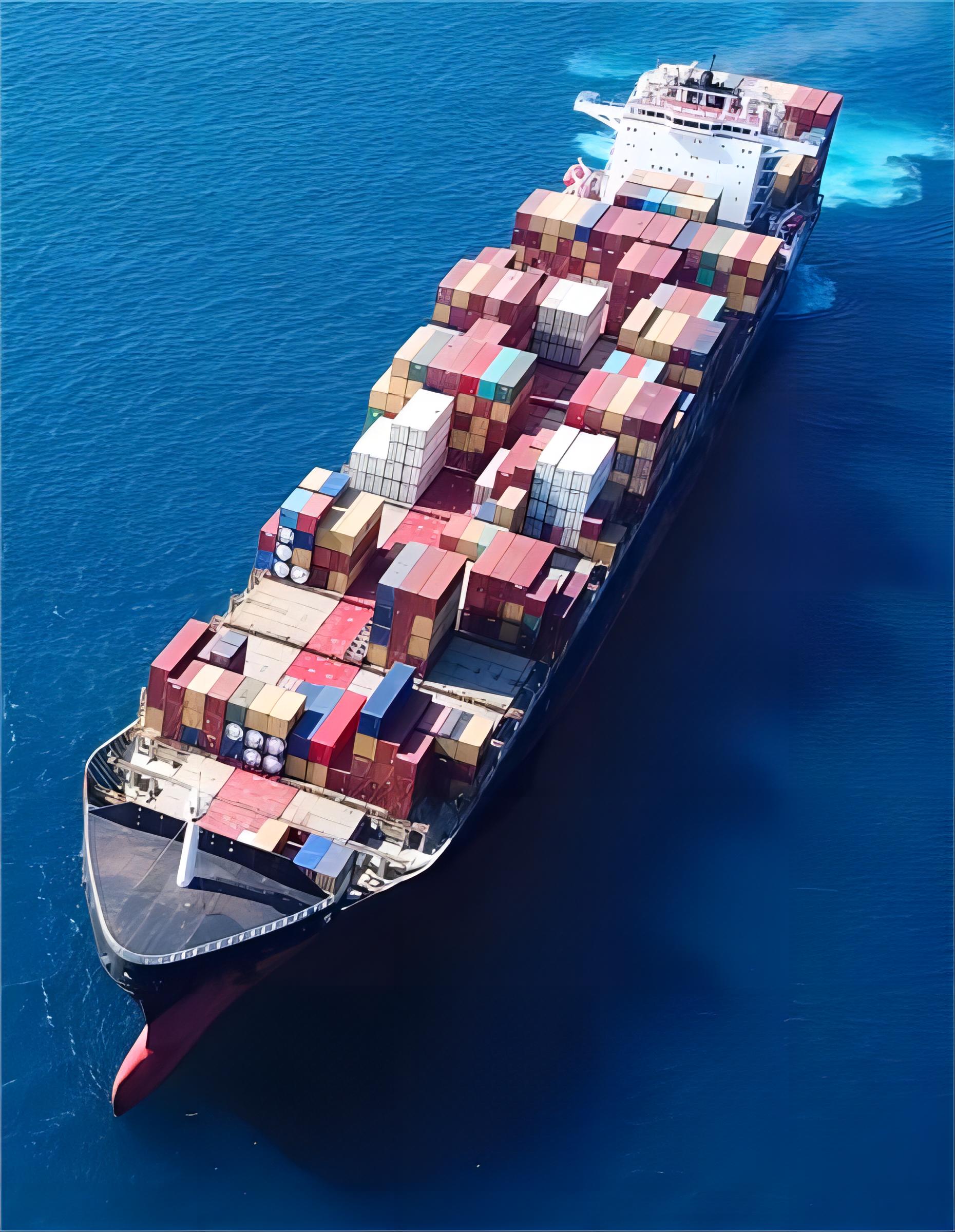
Full Container Load shipping involves renting an entire 20ft or 40ft container for your exclusive use, which minimizes handling risks. Meanwhile, the CIF Incoterm stands for Cost, Insurance, and Freight, meaning the seller is responsible for the costs until the cargo reaches the port of Miami.
Importers often prefer this method because it simplifies the initial stages of the logistics process by shifting insurance and freight responsibilities to the supplier. Nevertheless, the buyer must still handle customs clearance and inland transportation once the vessel arrives at the Florida gateway.
Choosing FCL over Less than Container Load (LCL) provides significant advantages in terms of security and speed. Consequently, businesses with enough volume to fill a container often find this the most cost-effective solution for their long-term supply chain needs.
Indeed, understanding the specific obligations under CIF is crucial for avoiding unexpected fees at the destination. Therefore, always ensure your sales contract clearly outlines the transition of risk and responsibility at the Miami port.
Benefits of Choosing FCL for Miami Shipments
Utilizing sea freight in the form of FCL ensures that your goods are not mixed with other shippers’ cargo. As a result, the risk of damage or loss during the consolidation and deconsolidation process is virtually eliminated.
Furthermore, FCL shipments generally enjoy faster transit times compared to LCL because they do not require multiple stops for loading and unloading different shipments. This efficiency is particularly beneficial for seasonal goods or inventory that needs to meet strict retail deadlines.
Additionally, the cost per unit of cargo is typically lower when you utilize the full capacity of a container. Businesses can optimize their shipping costs to Miami by carefully planning their order volumes to match 20GP or 40HQ container specifications.
Moreover, FCL provides greater flexibility in terms of scheduling and carrier selection. You can choose direct routes that bypass intermediate ports, thereby reducing the total time your capital is tied up in transit.
How Does China FCL CIF shipping to Miami Compare to Other Shipping Options?
While FCL is the standard for large-scale imports, it is essential to evaluate alternative strategies based on your specific urgency and budget. For instance, air freight offers unmatched speed but comes at a significantly higher price point that may not be sustainable for low-margin goods.
On the other hand, LCL might be suitable for smaller batches, though it often leads to longer transit times due to the complexity of cargo handling. In contrast, FCL remains the most balanced option for most commercial enterprises importing from China to Florida.
Hybrid solutions like sea-air combinations are occasionally used to balance cost and speed, though they are less common for the Miami route compared to West Coast destinations. Accordingly, businesses must weigh the trade-offs between inventory carrying costs and freight expenses.
| Shipping Method | Cost Range | Transit Time | Best For |
|---|---|---|---|
| Sea FCL (CIF) | $4,500 – $6,500 | 30-38 Days | Bulk Commercial Goods |
| Sea LCL | $180 – $320/CBM | 38-45 Days | Small Shipments |
| Air Freight | $12,000 – $25,000 | 5-8 Days | High-Value/Urgent |
| Express | $15,000+ | 3-5 Days | Samples/Documents |
Key Ports and Transit Times to Miami
Shipping from major hubs like Shanghai, Ningbo, or Shenzhen to the East Coast of North America typically involves longer transit times than West Coast routes. Most vessels will traverse the Panama Canal, which can add complexity to the schedule depending on canal congestion levels.
Typically, a direct vessel from Shenzhen to Miami takes approximately 32 to 35 days. However, transshipment routes via ports like Singapore or Busan may extend this duration to 40 days or more, depending on the carrier’s network.
Importers should also account for seasonal variations, such as the peak season before the Lunar New Year or the Q4 holiday rush. During these periods, port congestion in both China and Miami can lead to delays in berthing and container discharge.
Indeed, monitoring logistics trends and carrier performance is vital for maintaining an accurate delivery schedule. By selecting reliable carriers with consistent track records, you can mitigate the risk of unforeseen supply chain disruptions.
| Origin Port | Destination Port | Average Transit | Route Type |
|---|---|---|---|
| Shanghai | Miami | 34-38 Days | Direct/Panama |
| Ningbo | Miami | 33-37 Days | Direct/Panama |
| Shenzhen | Miami | 30-35 Days | Direct/Panama |
| Qingdao | Miami | 36-40 Days | Transshipment |
Understanding the Cost Breakdown of FCL CIF
The total landed cost for China FCL CIF shipping to Miami includes the ocean freight rate, insurance premiums, and various surcharges. As of early 2025, market data suggests that rates have stabilized, though they remain sensitive to fuel price fluctuations and global geopolitical events.
Under CIF terms, the seller covers the cost of transporting the goods to the port of Miami and provides minimum insurance coverage. Nevertheless, the importer is responsible for US Customs duties, Harbor Maintenance Fees (HMF), and Merchandise Processing Fees (MPF).
Additionally, you must budget for destination charges such as terminal handling, documentation fees, and the final delivery from the port to your warehouse. Consequently, a clear understanding of these line items is necessary to avoid budget overruns during the import process.
Note: Freight rates are subject to change based on fuel costs, carrier capacity, and seasonal demand. Contact us for a current quote tailored to your specific shipment.
| Container Type | Low Season Rate | Peak Season Rate | Capacity |
|---|---|---|---|
| 20GP Container | $3,200 – $3,800 | $4,200 – $5,000 | 28-30 CBM |
| 40GP Container | $4,500 – $5,200 | $5,800 – $6,800 | 56-58 CBM |
| 40HQ Container | $4,800 – $5,500 | $6,200 – $7,200 | 68-70 CBM |
Essential Documentation for Miami Customs
Navigating the legal requirements for US imports requires meticulous attention to detail and professional customs brokerage services. Without the correct paperwork, your container could face lengthy delays or expensive storage fees at the Miami terminal.
The primary documents required include the Bill of Lading, Commercial Invoice, and Packing List. Furthermore, the Importer Security Filing (ISF), also known as 10+2, must be filed at least 24 hours before the cargo is loaded onto the vessel in China.
Importers must also ensure that their goods comply with specific agency regulations, such as the FDA for food products or the EPA for certain chemicals. Accordingly, working with a knowledgeable partner helps ensure that all international trade compliance standards are met before the ship departs.
In addition, having a continuous customs bond is highly recommended for frequent importers to expedite the clearance process. To summarize, proactive documentation management is the best way to prevent administrative bottlenecks at the border.
Real-World Logistics Case Studies
Analyzing past shipments provides valuable insights into the practical challenges and successes of the Miami trade route. Below are two realistic scenarios based on recent market conditions in 2024 and early 2025.
Case Study 1: Solar Panel Import. Route: Shanghai to Miami. Cargo: Photovoltaic modules, 65 CBM. Container: 40HQ. Shipping Details: Major carrier via Panama Canal. Cost Breakdown: Ocean Freight $5,800, Origin Charges $450, Destination Charges $800, Customs and Duties $1,200. Timeline: Booking to Loading 5 days, Sea Transit 35 days, Customs Clearance 3 days. Total Door-to-Door: 43 days. Key Insight: Early ISF filing prevented potential penalties during peak season.
Case Study 2: Fitness Equipment Distribution. Route: Shenzhen to Miami. Cargo: Treadmills and weights, 25 CBM. Container: 20GP. Shipping Details: Direct service. Cost Breakdown: Ocean Freight $3,600, Origin Charges $400, Destination Charges $750, Customs and Duties $900. Timeline: Booking to Loading 4 days, Sea Transit 32 days, Customs Clearance 2 days. Total Door-to-Door: 38 days. Key Insight: Utilizing a 20GP was more economical than LCL for this specific volume.
Which Option Should You Choose?
Selecting the right shipping strategy depends on your business priorities, whether you value speed, budget, or cargo safety. If you are handling large volumes of non-perishable goods, FCL remains the gold standard for efficiency.
For those requiring a complete solution from the factory floor to the final warehouse, door to door services can be integrated with your CIF agreement. This approach minimizes the logistical burden on your internal team by centralizing management under one provider.
Budget priority: Recommend FCL CIF with 40HQ containers to maximize volume per dollar spent. Speed priority: Recommend direct FCL routes or air freight if the margin allows. Cargo type considerations: Fragile or high-value items should always utilize FCL to minimize handling risks.
In contrast, if your shipment is under 15 CBM, you might consider LCL despite the higher risk of delays. Ultimately, the decision should be based on a thorough analysis of your landed cost and inventory turnover requirements.
Strategies to Reduce Freight Costs in 2025
Reducing your expenses for China FCL CIF shipping to Miami requires proactive planning and a deep understanding of market cycles. For instance, booking your container at least 3-4 weeks in advance can help you secure lower rates and guaranteed space on the vessel.
Moreover, consolidating orders from multiple suppliers into a single FCL container can significantly lower your per-unit shipping costs. This strategy requires effective communication with your Chinese manufacturing partners to synchronize production schedules.
Importers should also avoid shipping during peak seasons, such as the weeks leading up to the Golden Week holiday in October. During these times, carriers often implement General Rate Increases (GRI) and peak season surcharges that can inflate your budget by 20% or more.
Indeed, choosing the right port of loading can also impact your final price. Sometimes, trucking cargo to a slightly further port with more carrier options can result in a lower overall ocean freight rate.

Final Thoughts on Miami FCL Logistics
Successfully managing China FCL CIF shipping to Miami requires a balance of strategic planning, accurate documentation, and market awareness. By choosing the right container size and understanding your responsibilities under CIF terms, you can significantly improve your bottom line.
Furthermore, staying informed about maritime logistics trends and transit time fluctuations allows you to maintain a resilient supply chain. Whether you are importing electronics, furniture, or industrial equipment, the Miami gateway offers a robust entry point for the US market.
Consequently, working with a reliable freight forwarder ensures that your goods are handled with care and arrive on schedule. Take the next step in your business growth by choosing a logistics partner that prioritizes transparency and efficiency for every shipment.
Ready to streamline your logistics?
Streamline your international trade today by partnering with experts who understand the nuances of China FCL CIF shipping to Miami. Contact Top China Freight now to receive a customized quote and optimize your supply chain for the 2025 market. Visit our website to learn more about our comprehensive logistics solutions. Send Inquiry: https://Top China Freight.com/contact-us/
Request Quote