

China FCL Customs Clearance to Houston: A Complete 2025 Logistics Guide
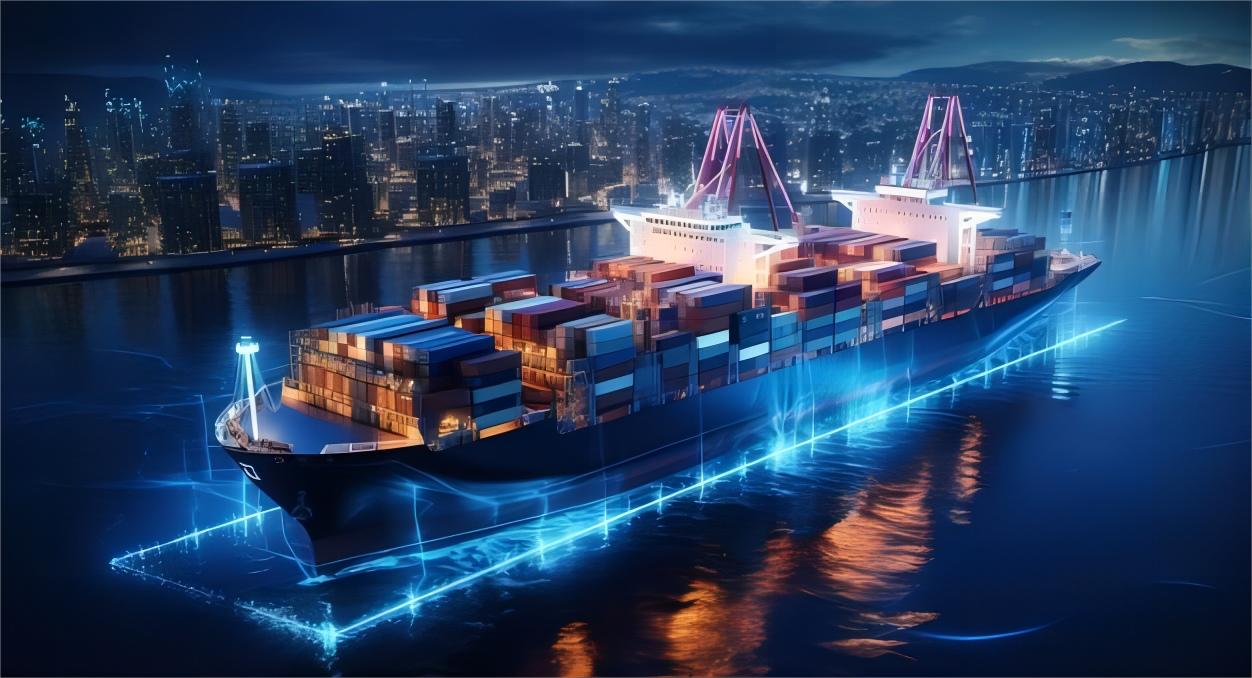
Navigating the logistical hurdles of China FCL customs clearance to Houston requires a strategic approach and reliable partners. When you choose Top China Freight, you gain access to a network designed to streamline your supply chain and reduce overhead costs. This comprehensive guide explores every facet of importing full container loads into the heart of Texas. We provide the insights needed to manage complex regulations and ensure your cargo arrives on schedule.
What is China FCL Customs Clearance to Houston?
Full Container Load (FCL) shipping represents the most efficient way to transport large volumes of goods across the Pacific. This process involves a dedicated container for your goods, which simplifies the China FCL customs clearance to Houston by reducing handling risks. Consequently, businesses often prefer this method for its security and cost-effectiveness over long distances.
Customs clearance specifically refers to the legal permission required to bring goods into the United States. Therefore, understanding the local regulations at the Port of Houston is vital for any importer. You must ensure that all tariffs are paid and all safety standards are met before the cargo leaves the terminal.
Houston serves as a primary gateway for the Southern United States, offering robust infrastructure for heavy cargo. Moreover, the port provides direct access to major rail and highway networks. This connectivity makes it an ideal destination for industrial machinery, consumer electronics, and construction materials.
Choosing sea freight for your FCL shipments allows for better inventory management. Additionally, it provides a predictable timeline for your supply chain operations. Most importers find that the stability of ocean routes offsets the longer transit times compared to other modes.
How Does Sea Freight Compare to Other Shipping Options?
Evaluating different transportation modes is essential for optimizing your logistics budget. While sea freight is the standard for FCL, other options like air freight or LCL might suit specific scenarios. For instance, urgent shipments often require the speed of air travel despite the significantly higher costs.
Alternative strategies often involve hybrid solutions to balance speed and expense. Furthermore, some importers utilize transshipment hubs to bypass direct route congestion. However, direct shipping to Houston remains the most popular choice for high-volume traders due to its simplicity.
Cost-saving strategies often involve choosing LCL for smaller volumes or utilizing express service for samples. Nevertheless, for a full 20ft or 40ft container, FCL remains the champion of value. The following table provides a clear comparison of the available shipping methods for the China-to-Houston route.
| Shipping Method | Cost Range | Transit Time | Best For |
|---|---|---|---|
| FCL Sea Freight | $3,500 – $5,500 | 30 – 40 Days | Bulk Goods |
| LCL Sea Freight | $150 – $300/CBM | 35 – 45 Days | Small Batches |
| Air Freight | $5 – $9 / kg | 5 – 8 Days | Urgent Cargo |
| Sea-Air Hybrid | $3 – $5 / kg | 15 – 20 Days | Mid-range |
Essential Documents for China FCL Customs Clearance to Houston
Accurate documentation acts as the foundation of a successful import process. Indeed, missing or incorrect paperwork is the leading cause of delays at the Port of Houston. You must prepare a Commercial Invoice that clearly states the value and description of the goods.
Packing lists must detail the contents of each container with high precision. Furthermore, the Bill of Lading serves as the contract of carriage and title to the goods. Without these documents, U.S. Customs and Border Protection (CBP) will not release your shipment.
Importers must also file an Importer Security Filing (ISF) at least 24 hours before the ship leaves China. Consequently, failure to file on time can result in heavy fines and mandatory inspections. We recommend working with a professional customs brokerage to ensure every form is submitted correctly.
Special certificates may be required depending on the nature of your cargo. For example, wood packaging requires heat treatment certification to prevent pest infestation. Always verify the specific requirements for your HS codes before the cargo departs the origin port.
| Document Name | Purpose | Required By | Timing |
|---|---|---|---|
| Commercial Invoice | Value Declaration | CBP | Pre-shipment |
| Bill of Lading | Title of Goods | Carrier/CBP | At Loading |
| ISF (10+2) | Security Screening | CBP | 24h Pre-Sailing |
| Packing List | Cargo Detail | Customs | Pre-shipment |

Understanding Shipping Costs and Market Trends for 2025
Freight rates for China FCL customs clearance to Houston fluctuate based on global economic conditions. As of early 2025, market data suggests that rates have stabilized following the volatility of previous years. However, seasonal peaks still cause temporary price surges during the late summer and autumn months.
Ocean freight constitutes the largest portion of your landed cost. Additionally, you must account for origin charges such as terminal handling and documentation fees in China. At the destination, Houston port fees and drayage costs will apply to move the container to your warehouse.
Market intelligence indicates that fuel surcharges remain a variable factor in total pricing. Therefore, we advise importers to request all-in quotes that include these additional expenses. Typical rates as of the current period for a 40HQ container range between $4,500 and $6,000 depending on the origin city.
Note: Freight rates are subject to change based on fuel costs, carrier capacity, and seasonal demand. Contact us for a current quote tailored to your specific shipment.
| Container Type | Shanghai to Houston | Shenzhen to Houston | Transit Days |
|---|---|---|---|
| 20GP | $3,200 – $4,200 | $3,100 – $4,000 | 32-38 Days |
| 40GP | $4,200 – $5,500 | $4,100 – $5,300 | 32-38 Days |
| 40HQ | $4,500 – $6,000 | $4,400 – $5,800 | 32-38 Days |
Step-by-Step Process for Shipping FCL to Houston
Initiating the process begins with a formal booking with a freight forwarder. Once you confirm the space, the carrier provides an empty container for loading at your supplier’s factory. Consequently, you must ensure the goods are packed securely to withstand the ocean voyage.
Export clearance occurs at the Chinese port of loading, such as Shanghai or Ningbo. During this phase, the local authorities verify the export licenses and cargo details. Afterward, the container is loaded onto the vessel for its transpacific journey toward the Panama Canal.
Transit time usually spans four to five weeks for direct routes to the Gulf Coast. Meanwhile, your broker will prepare the entry documents for the U.S. arrival. This proactive approach ensures that the China FCL customs clearance to Houston begins the moment the ship enters territorial waters.
Final delivery involves drayage from the Port of Houston to your final destination. Utilizing a door to door service can simplify this last leg significantly. This ensures a single point of contact manages the entire movement from factory to warehouse.
Which Option Should You Choose? Decision Framework
Selecting the right logistics strategy depends on your specific business priorities. If your primary goal is cost reduction, sea freight FCL is the undisputed winner for large volumes. On the other hand, if you are launching a new product and need it in Texas immediately, air freight is more suitable.
Volume thresholds often dictate when to switch from LCL to FCL. Generally, if your cargo exceeds 15 cubic meters, booking a full 20ft container becomes more economical. This transition reduces the per-unit shipping cost and minimizes the risk of damage during consolidation.
Budget priority leads most experienced importers toward FCL sea routes. Speed priority suggests using air or expedited ocean services. Cargo type also plays a role, as heavy industrial equipment is nearly impossible to ship via air efficiently.
Consider your storage capacity at the destination before committing to large FCL shipments. Furthermore, evaluate the current North America market trends to time your arrivals. Proper timing can help you avoid high storage fees during port congestion periods.
Real Case Studies: Successful Houston Shipments
Case Study 1: Industrial Parts Distribution. Route: Shanghai to Houston. Cargo: Steel components, 65 CBM. Container: 40HQ. Shipping Details: Direct via Panama Canal. Ocean Freight: $4,850. Customs & Duties: $1,200. Total Landed Cost: $6,500. Timeline: 35 days door-to-door. Key Insight: Early ISF filing prevented terminal delays.
Case Study 2: Retail Furniture Import. Route: Shenzhen to Houston. Cargo: Wooden tables, 28 CBM. Container: 20GP. Shipping Details: Major carrier service. Ocean Freight: $3,400. Origin Charges: $450. Destination Charges: $600. Total Landed Cost: $4,950. Timeline: 38 days. Key Insight: Proper wood treatment certification ensured smooth clearance.
Case Study 3: E-commerce Inventory. Route: Ningbo to Houston. Cargo: Consumer electronics, 18 CBM. Method: Amazon FBA prep included. Container: LCL converted to FCL for safety. Total Cost: $5,200. Timeline: 33 days. Key Insight: Using FCL for fragile electronics reduced damage rates to zero.
Common Challenges and How to Avoid Them
Port congestion at Houston can occasionally lead to extended wait times for vessel berthing. To mitigate this, we suggest monitoring real-time port data and choosing carriers with priority berthing agreements. Furthermore, maintaining flexible delivery windows helps manage unexpected delays.
Customs exams represent another potential hurdle for importers. CBP may select containers for X-ray or physical inspection at random or based on risk profiles. Consequently, ensuring your paperwork is 100% accurate reduces the likelihood of being flagged for intensive exams.
Demurrage and detention fees can quickly erode your profit margins if not managed carefully. These charges apply when containers stay at the port or away from the terminal longer than the allowed free time. Therefore, always have your trucking company ready for immediate pickup once the container is cleared.
Communication gaps between the supplier in China and the receiver in Houston often cause confusion. Using a digital logistics platform allows all parties to track the shipment in real-time. This transparency ensures everyone is prepared for the arrival and subsequent China FCL customs clearance to Houston.
Final Thoughts on Houston FCL Logistics
To summarize, mastering China FCL customs clearance to Houston involves careful planning and professional execution. By understanding the documentation, costs, and transit times, you can build a more resilient supply chain. Whether you are shipping industrial goods or retail products, the Port of Houston remains a premier destination for global trade.
Success in this route depends on selecting the right shipping method and staying informed about market trends. Therefore, partnering with an experienced freight forwarder is the best way to navigate the complexities of international shipping. Take the time to optimize your documentation and choose the most cost-effective container options for your needs.
Ready to streamline your logistics?
Securing efficient China FCL customs clearance to Houston is the key to maintaining your competitive edge in the Texas market. Contact our team today to receive a personalized quote and expert guidance for your next shipment. Visit our website to send an inquiry and start your journey toward hassle-free international logistics.
Request Quote