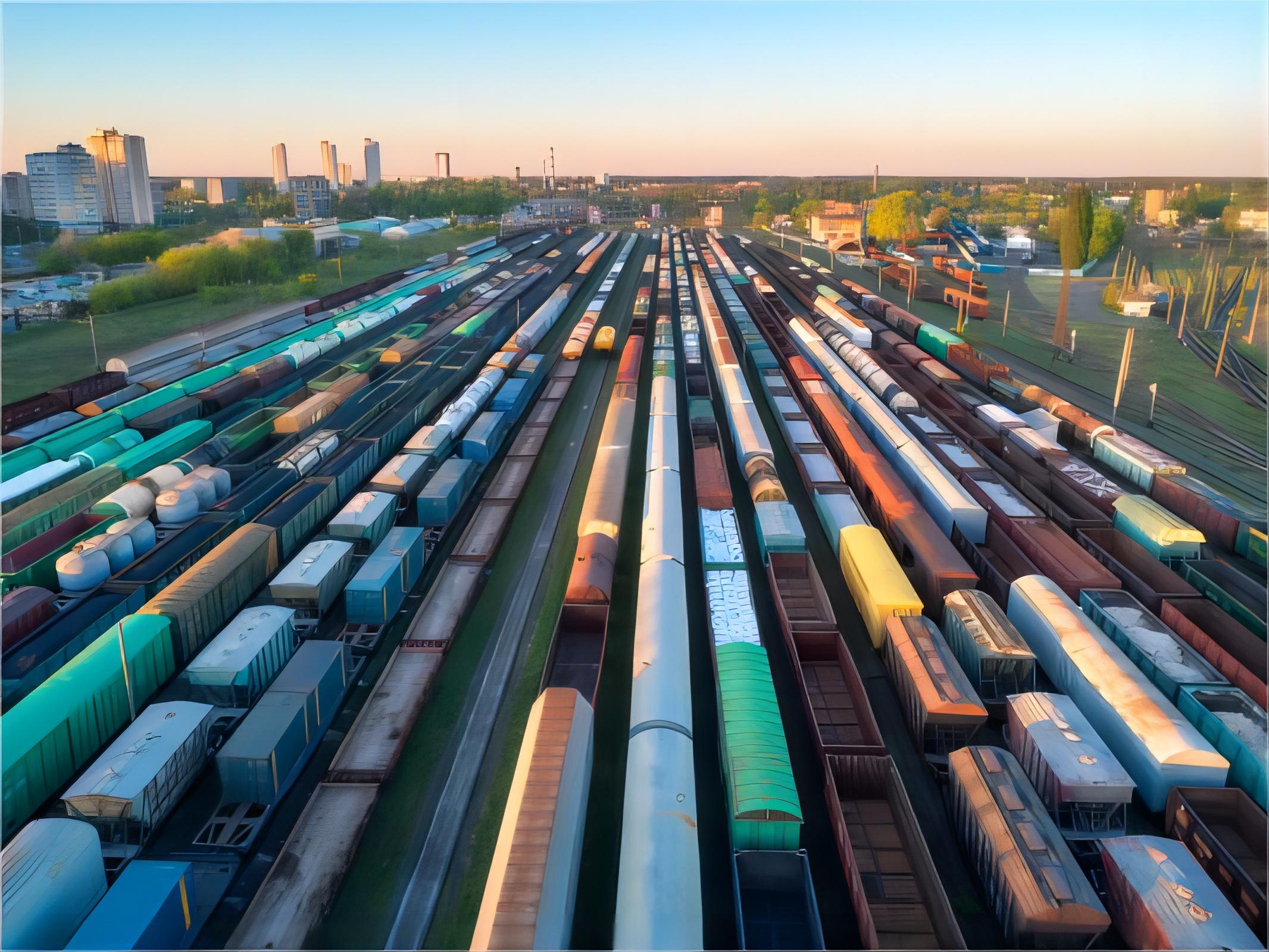
China FCL Customs Clearance to Texas: 2025 Logistics Guide
Navigating the complexities of international trade requires a deep understanding of regulatory frameworks and logistical hurdles. If you are importing goods, managing China FCL customs clearance to Texas is a critical step that determines your supply chain efficiency. At Top China Freight, we specialize in streamlining these processes to ensure your cargo reaches the Lone Star State without unnecessary complications.

What is China FCL Customs Clearance to Texas?
Full Container Load (FCL) shipping involves dedicated use of a 20ft or 40ft container for your specific goods. Consequently, the process of China FCL customs clearance to Texas involves several legal steps required by US Customs and Border Protection.
Moreover, this process ensures that all imported items comply with federal laws and safety standards. Importers must provide accurate data regarding the nature, value, and origin of their products.
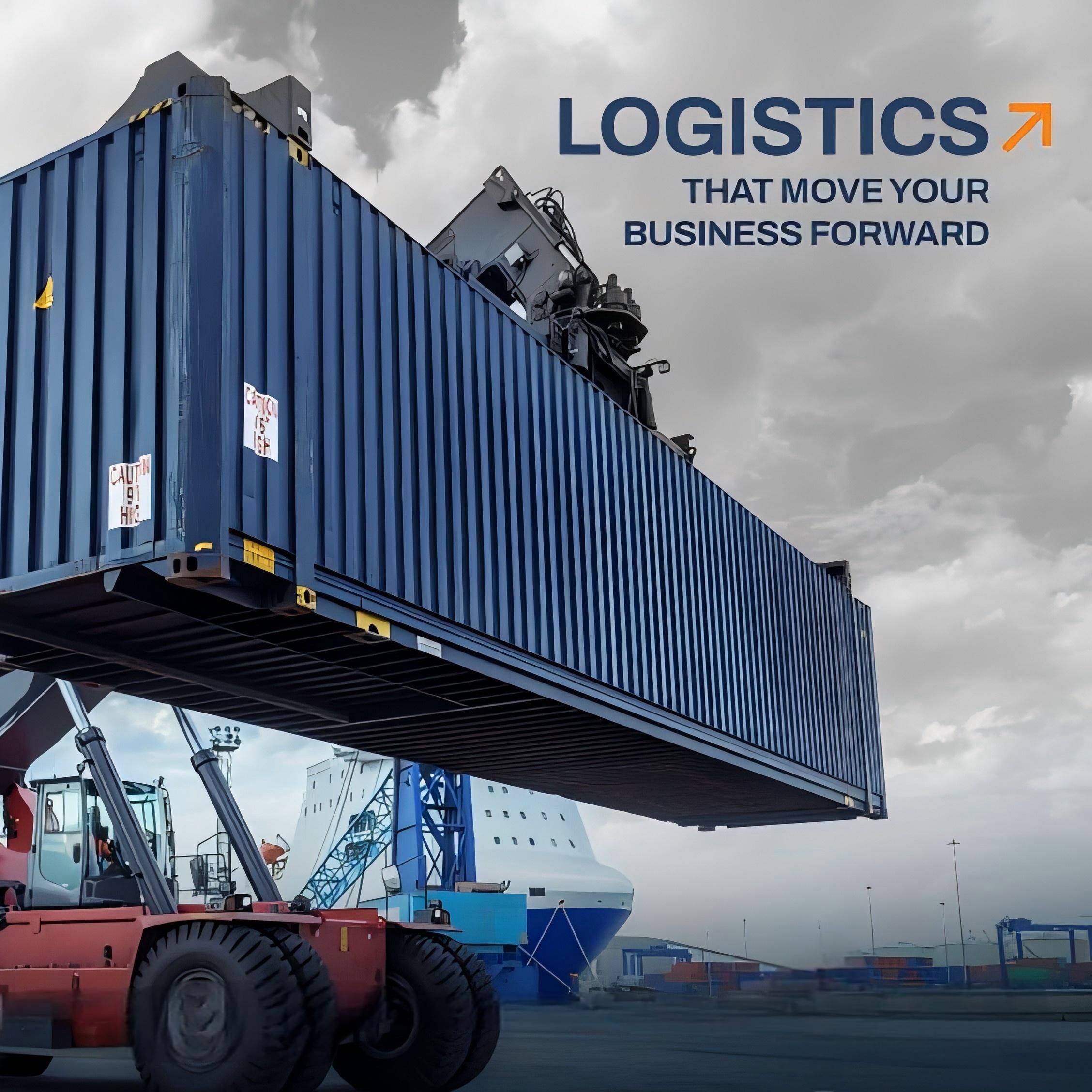
Using sea freight services allows for cost-effective transport of large volumes. However, the efficiency of your shipment depends heavily on how well you handle the documentation phase.
Essential Documentation for Texas Imports
Furthermore, documentation serves as the backbone of the entire clearance procedure. Without the correct paperwork, your container may face extensive exams or even seizure at the port.
Specifically, you will need a commercial invoice that details the transaction between the buyer and seller. Additionally, a comprehensive packing list is required to describe the contents of every pallet inside the container.
The bill of lading acts as the title to the goods and must be presented to claim the cargo. Therefore, ensuring these documents match exactly is vital for a smooth entry.
| Document Name | Primary Purpose | Issuer | Criticality |
|---|---|---|---|
| Commercial Invoice | Duty valuation | Supplier | High |
| Packing List | Cargo verification | Supplier | High |
| Bill of Lading | Title of goods | Carrier | High |
| ISF 10+2 Filing | Security screening | Importer/Broker | Mandatory |
The Role of Customs Brokerage in Texas Logistics
Indeed, many businesses choose to partner with a professional customs brokerage to manage the technical aspects of entry. A licensed broker understands the nuances of HTS code classification and duty rates.
Consequently, they can help you avoid overpaying on tariffs or falling victim to anti-dumping duties. They also handle the filing of the customs bond, which is a financial guarantee to the US government.
Meanwhile, brokers serve as a liaison between your business and federal agencies. This partnership reduces the risk of administrative errors that lead to significant financial penalties.

Port of Entry Options: Houston vs. Dallas
Texas offers several strategic entry points for international cargo. The Port of Houston is the largest and most common destination for ocean freight arriving from Asia.
In contrast, some shipments may be routed through West Coast ports and then moved via rail to a Dallas inland port. This multi-modal approach can sometimes save time depending on the final destination.
Shipping to North America requires careful planning of the inland leg. For instance, drayage costs from Houston to Austin or San Antonio must be factored into your total budget.
How Does FCL Compare to Other Shipping Options?
While FCL is the standard for large shipments, it is important to consider alternatives like LCL or air freight. FCL offers better security since the container remains sealed from the factory to your warehouse.
On the other hand, Less than Container Load (LCL) is more suitable for smaller volumes but involves higher handling risks. Air freight provides the fastest transit but at a significantly higher price point.
To summarize, the choice depends on your budget, volume, and urgency. Most industrial importers prefer FCL for its balance of cost and reliability.
| Method | Cost Range | Transit Time | Best For |
|---|---|---|---|
| FCL (40HQ) | $3,500 – $5,500 | 30-40 Days | Large inventory |
| LCL (per CBM) | $150 – $250 | 35-45 Days | Small batches |
| Air Freight | $5 – $9 / kg | 5-8 Days | Urgent cargo |
| Sea-Air Hybrid | Moderate | 18-22 Days | Mid-range urgency |
Step-by-Step Guide to the Clearance Process
The process begins long before the ship arrives. Initially, you must complete the ISF 10+2 filing at least 24 hours before the vessel departs from China.
Once the ship reaches the US coast, the carrier issues an arrival notice. Accordingly, your broker will then submit the entry summary and pay the estimated duties to CBP.
Finally, after the cargo is cleared, a trucking company performs the drayage. This involves picking up the container from the terminal and delivering it to your Texas facility.
Real Case Studies for Texas Importers
Examining real-world examples helps clarify the expectations for China FCL customs clearance to Texas. These scenarios reflect typical market conditions and logistical challenges.
Case Study 1: Electronics to Dallas. A tech firm imported a 40HQ container of components from Shenzhen to Dallas via the Port of Houston. By using a direct sea route, they maintained a predictable schedule despite seasonal port congestion.
Case Study 2: Furniture to Houston. A retailer brought in 20GP containers of home decor. Although they faced a random CBP exam, their accurate HTS coding ensured the delay was limited to only three days.
Case Study 1: Industrial Machinery to Houston
Route: Shanghai, China to Houston, Texas. Cargo: CNC Machinery, 28 CBM, 15,000 kg. Container: 40GP.
Shipping Details: Carrier: COSCO. Port of Loading: Shanghai. Port of Discharge: Houston. Route Type: Direct.
Cost Breakdown: Ocean Freight: $4,200. Origin Charges: $450. Destination Charges: $600. Customs and Duties: $1,200. Total Landed Cost: $6,450.
Timeline: Booking to Loading: 5 days. Sea Transit: 32 days. Customs Clearance: 2 days. Total Door-to-Door: 42 days.
Key Insight: Pre-filing the ISF and having a continuous bond in place prevented any storage fees at the terminal.
Case Study 2: Apparel to Dallas Inland Port
Route: Ningbo, China to Dallas, Texas. Cargo: Cotton Garments, 65 CBM, 12,000 kg. Container: 40HQ.
Shipping Details: Carrier: Maersk. Port of Loading: Ningbo. Port of Discharge: Los Angeles (Rail to Dallas). Route Type: Intermodal.
Cost Breakdown: Ocean Freight: $3,800. Rail Surcharge: $1,100. Customs Brokerage: $150. Duties: $2,500. Total Landed Cost: $7,550.
Timeline: Sea Transit: 15 days. Rail Transit: 7 days. Customs Clearance: 3 days. Total Door-to-Door: 30 days.
Key Insight: Using the West Coast rail link saved 10 days compared to the all-water route through the Panama Canal.
Which Option Should You Choose?
Choosing the right path for China FCL customs clearance to Texas depends on your specific business priorities. If your primary goal is cost reduction, the all-water route to Houston is usually the most economical.
However, if speed is the priority, routing through Long Beach and using rail to Dallas is faster. You must also consider the nature of your goods, as some items require specialized handling at the port.
Furthermore, businesses targeting Amazon FBA centers in Texas must adhere to strict delivery windows. In these cases, a reliable drayage partner is just as important as the ocean carrier.
Cost-Saving Strategies for Texas Importers
To minimize expenses, always request multiple quotes and compare the total landed cost rather than just the ocean freight rate. Additionally, consider consolidating shipments if you do not have enough volume for a full container.
Another effective strategy is to optimize your packaging to fit more units into a single 40HQ container. Consequently, this lowers the shipping cost per unit significantly.
Utilizing door to door services can also simplify the process. This approach often bundles brokerage and trucking fees, providing better transparency and reducing the risk of hidden charges.
Final Thoughts on Texas Customs Clearance
Successfully managing China FCL customs clearance to Texas requires a proactive approach to documentation and logistics planning. By understanding the roles of various ports and the importance of accurate filing, you can protect your bottom line.
Moreover, partnering with experienced professionals ensures that you remain compliant with evolving US trade regulations. Whether you are shipping to Houston or Dallas, preparation is the key to avoiding delays.
Note: Freight rates are subject to change based on fuel costs, carrier capacity, and seasonal demand. Contact us for a current quote tailored to your specific shipment.
Ready to streamline your logistics?
Are you ready to streamline your China FCL customs clearance to Texas? Contact our expert team today for a customized quote and professional guidance on your next shipment. Send Inquiry
Request Quote