
- By TOP CHINA FREIGHT
- September 12, 2025
- Shipping
Table of Contents
A china forwarding agent plays a pivotal role in coordinating shipments from Chinese suppliers to international buyers. Choosing the right agent ensures smooth logistics, competitive shipping costs, timely delivery, and compliance with customs regulations. In 2025, businesses face increasing challenges such as fluctuating freight rates, complex documentation, and global supply chain disruptions. This guide provides actionable insights on selecting a forwarding agent, shipping methods, cost management, customs clearance, and practical strategies to optimize international trade from China.
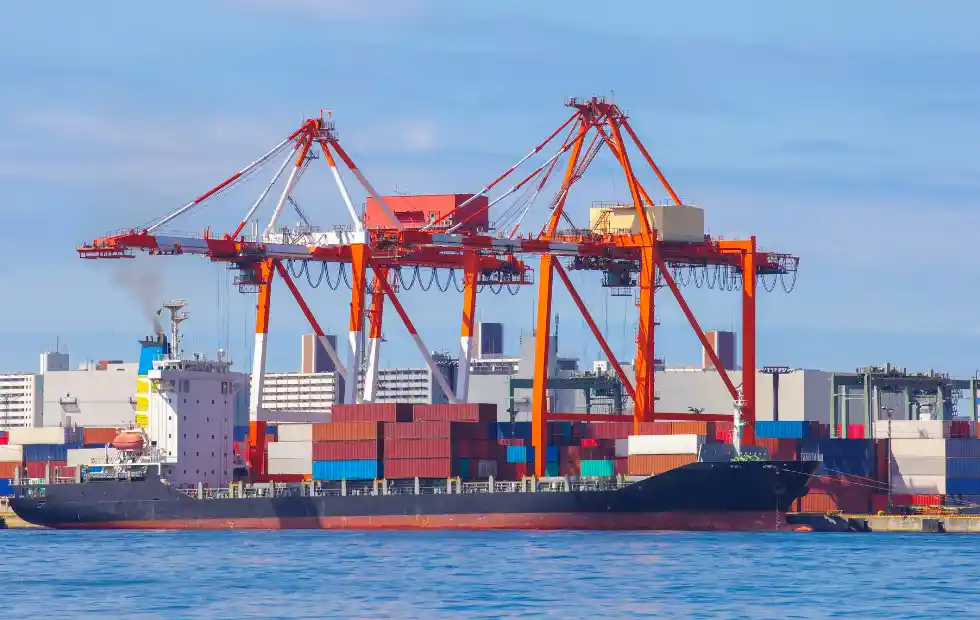
What Does a China Forwarding Agent Do?
A forwarding agent acts as an intermediary between suppliers, carriers, and importers, managing the end-to-end logistics process. Their responsibilities include:
Cargo Booking:
Reserving space on ships, planes, or trucks.
Customs Clearance:
Ensuring all documentation meets regulatory requirements.
Warehousing and Consolidation:
Storing and combining shipments for cost efficiency.
Insurance Management:
Protecting goods against damage, loss, or delays.
Route Optimization:
Advising on the fastest or most economical routes.
Unlike carriers, forwarding agents do not own transport vehicles but leverage networks of carriers and partners to provide flexible, cost-effective shipping solutions.
Why Businesses Use a China Forwarding Agent
Businesses choose forwarding agents to simplify import/export processes and reduce operational risks:
Time Savings:
Agents handle documentation, permits, and customs, freeing businesses to focus on sales and operations.
Cost Efficiency:
Access to negotiated freight rates, cargo consolidation, and intelligent route planning.
Risk Mitigation:
Insurance, compliance support, and cargo tracking reduce potential financial losses.
Global Reach:
Agents offer connections to multiple ports, airlines, and carriers, ensuring smooth delivery worldwide.
Partnering with a reliable forwarding agent is particularly critical for small and medium-sized businesses with limited logistics experience.
Key Shipping Methods Managed by Agents
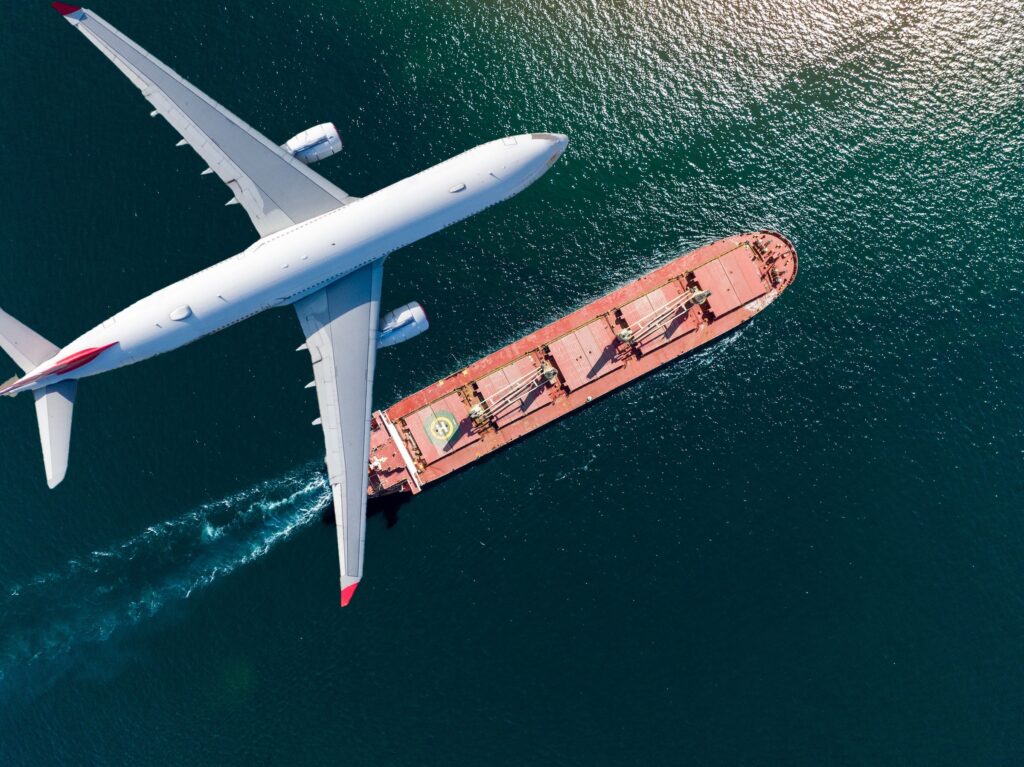
Sea Freight (FCL & LCL)
| Shipping Type | Cost (USD) | Transit Time | Pros | Cons |
|---|---|---|---|---|
| FCL (20ft) | 1,200–2,000 | 25–35 days | Economical for bulk shipments | Longer transit, port handling needed |
| FCL (40ft) | 2,000–3,500 | 25–35 days | Larger cargo, better per-unit cost | Requires high volume |
| LCL | 50–80 per CBM | 30–40 days | Ideal for small shipments | Slower, higher handling risk |
Sea freight is cost-effective for large orders but requires careful planning around peak seasons and port congestion.
Air Freight
| Type | Cost (USD/kg) | Transit Time | Pros | Cons |
|---|---|---|---|---|
| Standard Air | 4–7 | 5–10 days | Fast, reliable | High cost per kg |
| Express | 8–12 | 2–5 days | Door-to-door, priority service | Expensive, size limits |
Air freight suits high-value or urgent shipments. Forwarding agents negotiate with airlines and handle customs documentation to ensure timely arrival.
How to Choose the Right China Forwarding Agent
Evaluate years of operation and customer feedback.
Look for door-to-door delivery, customs clearance, cargo insurance, and warehousing.
Ensure competitive rates without hidden fees.
Agents should provide real-time tracking and timely updates.
Platforms for monitoring shipments, documentation, and supply chain planning are valuable.
Understanding Costs with a Forwarding Agent
Freight costs depend on cargo type, volume, destination, and service level:
| Shipping Method | Typical Cost (USD) | Factors Affecting Price |
|---|---|---|
| Sea Freight FCL 20ft | 1,200–2,000 | Volume, origin port, destination port, fuel surcharge |
| LCL | 50–80 per CBM | Cargo consolidation, handling fees, peak season |
| Air Freight | 4–12 per kg | Weight, urgency, airline surcharge, customs fees |
Agents provide transparent quotes, including freight, customs clearance, insurance, and documentation costs, helping importers avoid unexpected fees.
Documents Required for International Shipping

Forwarding agents help prepare accurate documentation:
| Document | Purpose |
|---|---|
| Commercial Invoice | Itemized list for customs valuation |
| Packing List | Details weight, dimensions, and item specifics |
| Bill of Lading / Airway Bill | Evidence of shipment and contract with carrier |
| Certificate of Origin | Required for tariff preferences |
| Import License / Permit | Needed for regulated products |
Case Study: Electronics Import to the US

A small electronics company imports 500 units monthly:
- Sea Freight (FCL 20ft): $1,500, transit 30 days.
- LCL Shipping: $60 per CBM, transit 35 days.
- Air Freight: $6 per kg, transit 7 days.
Outcome:
Using a forwarding agent reduced per-unit cost by 12%, ensured customs compliance, and improved delivery predictability.
How Technology Enhances Forwarding Services
Modern forwarding agents use digital tools to improve efficiency:
Real-Time Tracking:
Monitor shipments globally.
E-Documentation:
Faster customs clearance and reduced errors.
Data Analytics:
Optimize supply chain, forecast demand, and reduce delays.
Technology enables transparency, efficiency, and better decision-making for international shipping.
Conclusion
A reliable china forwarding agent is essential for businesses importing from China. By managing shipping, customs, documentation, and insurance, agents reduce costs, improve transit times, and ensure a smooth supply chain. Selecting the right agent, leveraging technology, and planning shipments strategically maximizes efficiency and minimizes risk.
Need a Shipping Quote?
If you want expert guidance and peace of mind, our team is ready to assist.
TJ China Freight offers tailored solutions to help businesses of all sizes ship more reliably from China.

FAQ
Q1:What is a China forwarding agent?
A forwarding agent coordinates shipments from China to global destinations, handling booking, customs, documentation, and delivery for businesses.
Q2:How do forwarding agents reduce costs?
They consolidate cargo, negotiate rates with carriers, optimize routes, and manage peak-season planning, reducing per-unit shipping expenses.
Q3:Which shipping methods do agents manage?
Sea freight (FCL/LCL), air freight, and express courier services, tailored to cargo volume, urgency, and budget.
Q4:What documents are essential for international shipments?
Commercial invoice, packing list, bill of lading/airway bill, certificate of origin, and import licenses for regulated goods.
Q5:Can small businesses benefit from forwarding agents?
Yes, LCL shipments and consolidation services make international trade accessible for small or medium-sized businesses.