
China Freight Co Limited: Your Global Shipping Partner
Navigating international shipping can be incredibly complex, fraught with customs challenges, varying transit times, and fluctuating freight rates. However, understanding the intricacies of China freight is crucial for businesses aiming to optimize their global supply chain. This comprehensive guide, brought to you by Top China Freight, explores how a dedicated China freight co limited can streamline your import and export operations, offering efficient and cost-effective solutions.
✦
What Does a China Freight Co Limited Do?
Essentially, a China freight co limited acts as an intermediary between shippers and various transportation services. They manage the entire logistics process, from origin pickup to final destination delivery. This includes booking cargo space, handling documentation, and ensuring compliance with international shipping regulations.
Furthermore, these companies leverage their extensive networks and expertise to provide tailored solutions. They help businesses, large and small, overcome the common hurdles of international trade, ensuring smooth and timely delivery of goods. Their role is pivotal in maintaining efficient global supply chains.
Navigating Key Shipping Methods from China
Choosing the right shipping method from China significantly impacts both cost and transit time. Businesses must consider cargo size, urgency, and budget when making this critical decision. Each option offers distinct advantages for different types of shipments.
Therefore, understanding the nuances of each service is vital for optimizing your logistics strategy. For instance, while some methods are cost-effective, others prioritize speed. This choice directly affects your overall delivery schedule and inventory management.
| Shipping Method | Cost Range | Transit Time | Best For | Limitations |
|---|---|---|---|---|
| Sea Freight | Low to Medium | 20-45 Days | Large, heavy, non-urgent goods | Slowest, port-to-port only |
| Air Freight | Medium to High | 3-10 Days | Urgent, high-value, smaller goods | Expensive, volume/weight limits |
| Rail Freight | Medium | 15-25 Days | Goods to Europe/Central Asia, balanced cost/speed | Limited routes, customs at borders |
| Express Service | High | 1-5 Days | Small packages, samples, time-critical documents | Most expensive, strict size/weight limits |
Essential Freight Services for Your Supply Chain
A reliable China freight co limited offers a suite of services designed to cover every aspect of international shipping. These services ensure that your goods move efficiently and compliantly across borders. They are integral to managing a seamless import/export process.
Moreover, specialized services cater to unique business needs, providing flexibility and peace of mind. Partnering with an experienced freight forwarder can truly transform your logistics operations. They offer end-to-end support for diverse cargo requirements.
Sea Freight Solutions
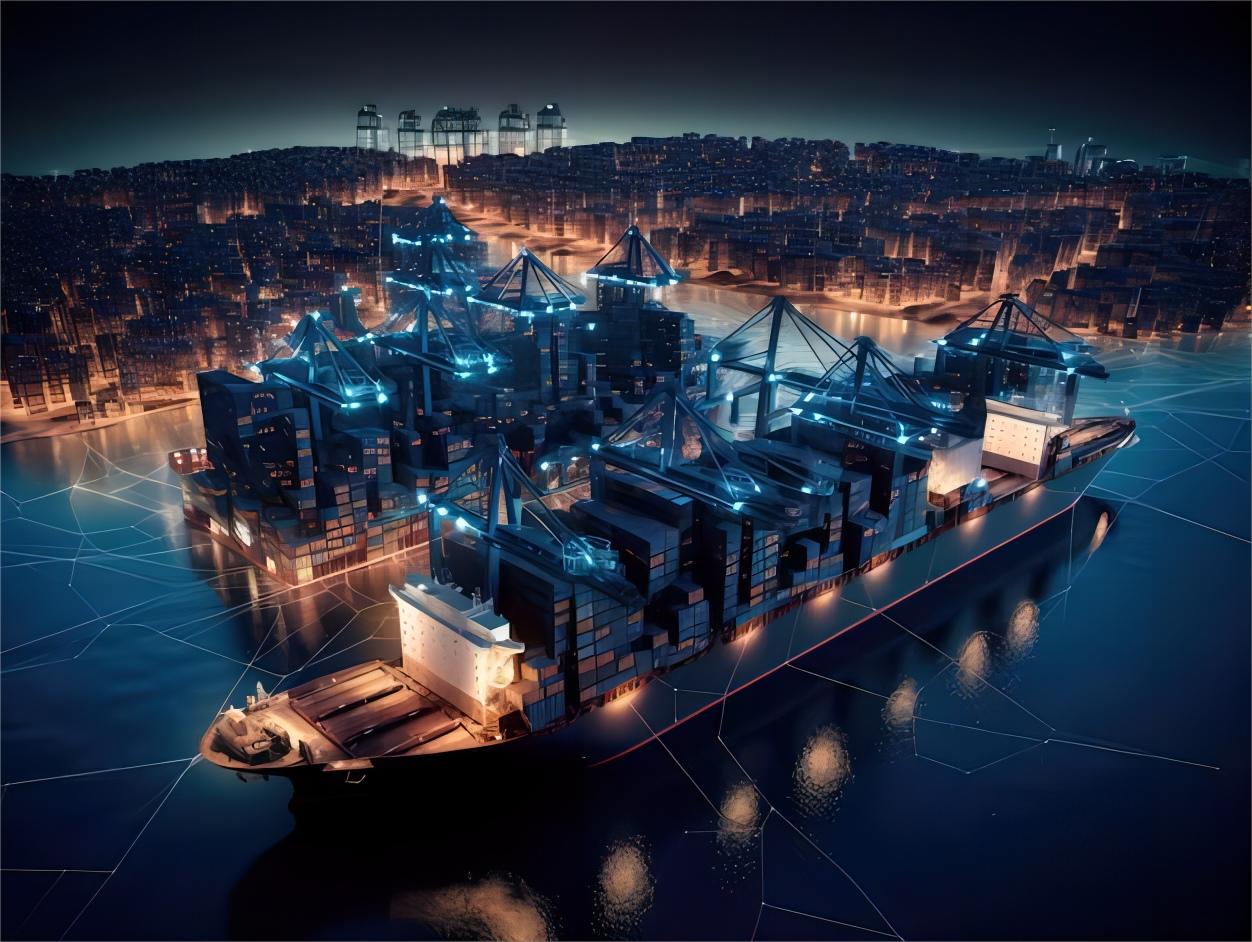
For large volumes and heavy cargo, sea freight remains the most economical option. It is ideal for non-time-sensitive shipments and handles both Full Container Load (FCL) and Less than Container Load (LCL) effectively. This method forms the backbone of global trade, moving vast quantities of goods.
Additionally, sea freight offers significant cost savings compared to air transport, especially for bulky items. While transit times are longer, careful planning can make it a highly efficient part of your supply chain strategy. Understanding container types and capacities is also key here.
Speed and Efficiency with Air Freight
When speed is paramount, air freight provides the fastest transit times for goods from China. It is perfect for high-value items, perishable goods, or urgent deliveries where delays are not an option. Although more expensive, the quick turnaround can significantly reduce inventory holding costs.
Furthermore, air cargo offers enhanced security and reliability for critical shipments. Businesses often use air freight for products with short shelf lives or those needed quickly to meet market demand. This method ensures your products reach destinations like North America or Europe rapidly.
The Rise of Rail Freight
Rail freight has emerged as a compelling alternative, especially for shipments between China and Europe. It offers a balance between the cost-effectiveness of sea freight and the speed of air freight. Transit times are typically shorter than ocean shipping, and it is more environmentally friendly.
Consequently, rail transport is gaining popularity for businesses seeking a reliable and sustainable logistics solution. It provides a viable option for those who need goods delivered faster than sea freight but find air freight too costly. This method is particularly strong for inland destinations.
Specialized Services: Amazon FBA and Express
For e-commerce businesses, specialized services like Amazon FBA shipping are indispensable. These services manage the complexities of sending goods directly to Amazon’s fulfillment centers, including labeling and compliance. They simplify the process for online retailers.
Similarly, express service is ideal for small, urgent parcels and samples. Major carriers offer expedited delivery worldwide, ensuring your packages arrive quickly and securely. Both services cater to specific market demands for speed and convenience.
Customs Brokerage and Door-to-Door Delivery
Navigating international customs regulations can be a daunting task. Therefore, professional customs brokerage services are crucial to avoid delays and penalties. Experts handle all necessary documentation, duties, and taxes, ensuring smooth clearance. This minimizes risks and accelerates the import process.
Moreover, door-to-door service provides ultimate convenience, managing your shipment from the supplier’s factory to your final receiving address. This comprehensive solution eliminates the need for multiple logistics providers, simplifying your supply chain management. It offers a single point of contact and accountability.
Optimizing Your Shipping Costs and Transit Times
Effective logistics management involves more than just selecting a shipping method; it requires strategic planning to minimize costs and maximize efficiency. Several factors influence freight rates and overall delivery schedules. Understanding these elements can lead to significant savings.
Consequently, businesses should focus on optimizing cargo handling, consolidating shipments, and leveraging technology. This proactive approach helps in securing competitive pricing and consistent service quality. Ultimately, it enhances your profit margins and customer satisfaction.
Understanding Freight Rates and Factors
Freight rates are influenced by numerous variables, including fuel surcharges, peak season demand, cargo volume, and the specific route. Market data suggests rates can fluctuate significantly, sometimes by 15-25% during August-October peak season. Therefore, securing quotes in advance is always recommended.
Additionally, the type of goods, their dimensions, and weight play a crucial role in determining shipping costs. Port congestion and geopolitical events, such as the 2024 Red Sea disruptions, also impact pricing and transit reliability. A good China freight co limited monitors these trends closely.
Cost-Saving Strategies and Trade-offs
Consolidating smaller shipments into Less than Container Load (LCL) or even Full Container Load (FCL) can drastically reduce per-unit shipping costs. For instance, for shipments under 15 CBM, LCL at $50-80/CBM may be more economical than a full container. However, LCL can sometimes incur longer transit times due to consolidation processes.
Furthermore, consider direct routes versus transshipment options. Direct routes, while sometimes 10-15% more expensive, can save 5-7 days compared to transshipment via major hubs like Singapore or Port Klang. Balancing speed and budget is a continuous trade-off in logistics planning. Bulk purchasing can also lead to better freight deals.
Real-World Scenarios: Successful China Freight Shipments
Examining actual case studies provides valuable insights into how different shipping strategies play out in practice. These examples highlight the adaptability and problem-solving capabilities of an experienced China freight co limited. They demonstrate effective solutions for diverse cargo and route requirements.
Moreover, these scenarios showcase the importance of detailed planning and robust execution in international logistics. They illustrate how careful selection of services can lead to successful outcomes, even amidst common shipping challenges. The following cases are based on typical rates as of early 2025.
Case Study 1: E-commerce Apparel to Australia
This case involved a small online retailer needing to replenish stock quickly for the Australian market. Speed was a priority to capture seasonal sales. An efficient air freight solution was chosen, balancing cost with urgent delivery needs.
| Detail | Description |
|---|---|
| Route | Shenzhen, China -> Sydney, Australia |
| Cargo | Fashion Apparel, 3 CBM, 250 kg |
| Container | LCL Air Cargo |
| Shipping Details | Major carrier, direct flight |
| Port of Loading | Shenzhen Bao’an International Airport |
| Port of Discharge | Sydney Airport |
| Route Type | Direct |
| Cost Breakdown (Estimated) | |
| Air Freight | $1,800 |
| Origin Charges | $150 |
| Destination Charges | $180 |
| Customs & Duties (estimated) | $250 |
| Total Landed Cost | $2,380 |
| Timeline | |
| Booking to Loading | 2 days |
| Air Transit | 4 days |
| Customs Clearance | 1 day |
| Total Door-to-Door | 7 days |
| Key Insight | Rapid inventory replenishment supported strong seasonal sales, justifying higher air freight cost. |

Case Study 2: Industrial Components to Germany
A manufacturing company required a cost-effective solution for large, non-urgent industrial components. Sea freight was selected for its capacity and affordability. Careful planning ensured timely arrival despite longer transit times to Europe.
| Detail | Description |
|---|---|
| Route | Ningbo, China -> Hamburg, Germany |
| Cargo | Machinery parts, 28 CBM, 15,000 kg |
| Container | 40GP |
| Shipping Details | COSCO, direct service |
| Port of Loading | Ningbo Port |
| Port of Discharge | Port of Hamburg |
| Route Type | Direct |
| Cost Breakdown (Estimated) | |
| Ocean Freight | $3,500 |
| Origin Charges | $400 |
| Destination Charges | $550 |
| Customs & Duties (estimated) | $800 |
| Total Landed Cost | $5,250 |
| Timeline | |
| Booking to Loading | 5 days |
| Sea Transit | 32 days |
| Customs Clearance | 3 days |
| Total Door-to-Door | 40 days |
| Key Insight | Cost-effective large-volume transport maintained budget for heavy industrial goods, with predictable delivery. |
Case Study 3: Consumer Electronics to USA West Coast
A tech distributor needed a balance of speed and cost for consumer electronics, aiming for a quick market entry. A standard FCL sea freight service was chosen, leveraging competitive rates for the USA West Coast route. This allowed for efficient inventory turnover.
| Detail | Description |
|---|---|
| Route | Shanghai, China -> Los Angeles, USA |
| Cargo | Consumer electronics, 60 CBM, 10,000 kg |
| Container | 40HQ |
| Shipping Details | MSC, weekly service |
| Port of Loading | Shanghai Port |
| Port of Discharge | Port of Los Angeles |
| Route Type | Direct |
| Cost Breakdown (Estimated) | |
| Ocean Freight | $3,800 |
| Origin Charges | $450 |
| Destination Charges | $600 |
| Customs & Duties (estimated) | $1,200 |
| Total Landed Cost | $6,050 |
| Timeline | |
| Booking to Loading | 4 days |
| Sea Transit | 16 days |
| Customs Clearance | 2 days |
| Total Door-to-Door | 22 days |
| Key Insight | Efficient transit to the USA West Coast allowed for timely product launch and competitive pricing, based on Q3 2024 market rates. |
How Does Sea Freight Compare to Other Shipping Options?
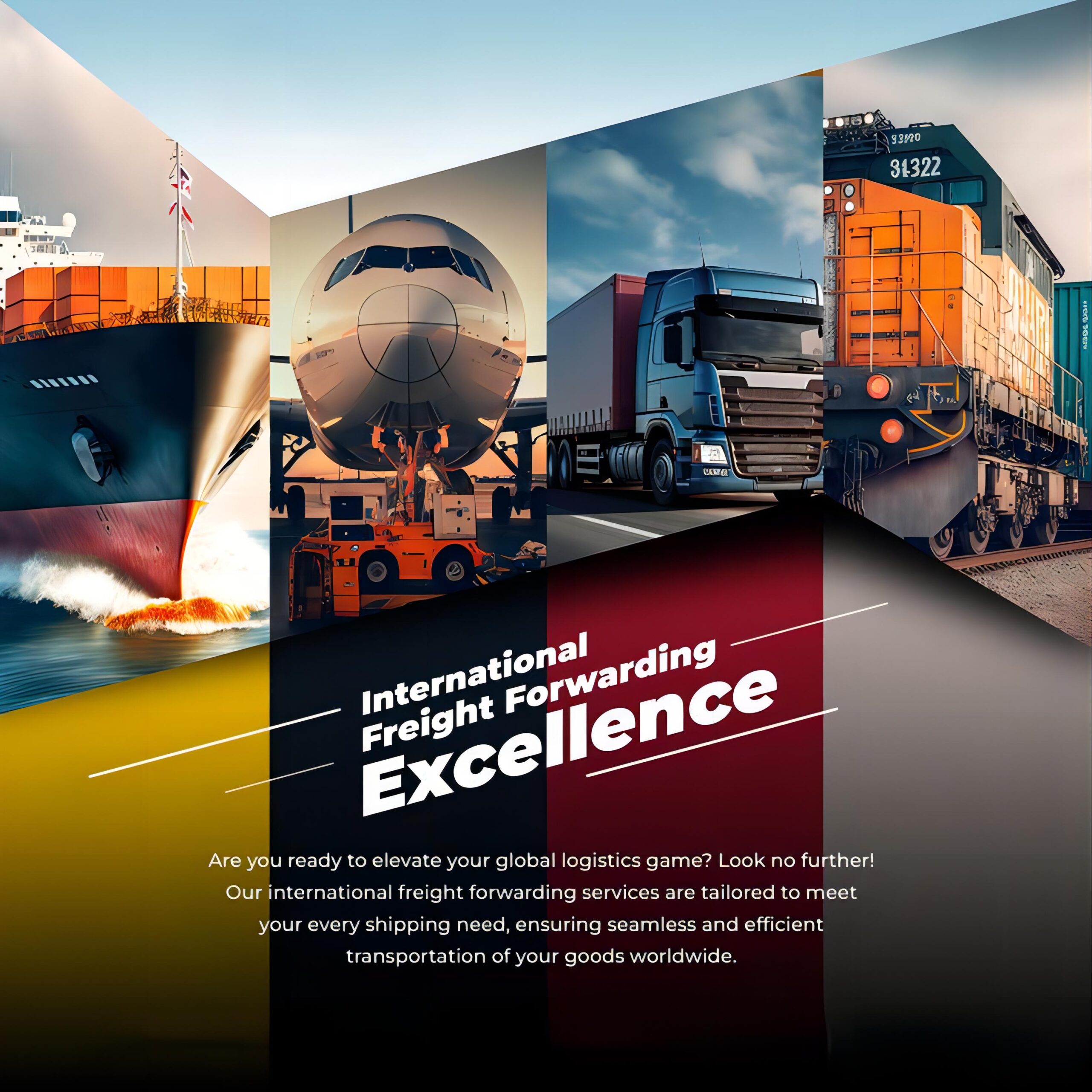
While sea freight is often the default for cost-efficiency, it is essential to compare it against other viable alternatives. Each method has unique strengths and weaknesses that must align with your specific business objectives. A thorough comparison helps in making informed logistics decisions.
Considering the trade-offs between cost, speed, and cargo capacity is crucial. Understanding these differences allows businesses to select the most appropriate shipping solution for every scenario. This ensures optimal supply chain performance and customer satisfaction.
| Shipping Method | Cost Range (40HQ China-Europe) | Transit Time | Best For | Limitations |
|---|---|---|---|---|
| Sea Freight (FCL) | $3,000-4,200 | 28-35 days | High volume, heavy, low-value goods | Slow, port-to-port only |
| Sea Freight (LCL) | $50-80/CBM | 30-40 days | Smaller shipments (under 15 CBM) | Can be slower, more handling |
| Air Freight | $15,000-25,000 (approx. for similar volume) | 5-7 days | Urgent, high-value, perishable goods | High cost, weight/volume restrictions |
| Rail Freight | $8,000-12,000 (approx. for 40HQ) | 15-25 days | Balanced speed/cost to Europe, inland regions | Limited route network, customs at borders |
Alternative Strategies and Hybrid Solutions
For urgent shipments that are too large for air freight but too time-sensitive for pure sea freight, consider hybrid solutions. Sea-air combinations involve shipping by sea to a transit hub (like Dubai) and then by air to the final destination. This can cut transit time by half compared to pure sea, at a lower cost than pure air.
Another strategy involves utilizing rail for inland portions of a journey, combining it with sea freight for oceanic routes. This is particularly useful for reaching destinations deep within continents, bypassing congested ports. Furthermore, pre-booking space during peak seasons can mitigate rate hikes and capacity issues.
Which Option Should You Choose? A Decision Framework
Your choice of shipping method should primarily align with your business priorities. If budget is your main concern, sea freight (FCL or LCL) is almost always the answer. However, be prepared for longer transit times and potential delays.
Conversely, if speed is paramount, air freight or express services are the best options, despite their higher cost. For a balance of speed and cost, especially for European destinations, rail freight presents a compelling alternative. Cargo type and volume also dictate the best method; bulky, low-value goods favor sea, while small, high-value, or perishable items favor air.
Note: Freight rates are subject to change based on fuel costs, carrier capacity, and seasonal demand. Contact us for a current quote tailored to your specific shipment.
Staying Ahead: Current Logistics Trends and Market Insights
The global logistics landscape is constantly evolving, influenced by geopolitical events, economic shifts, and technological advancements. As of Q1 2025, freight rates from China to Europe have largely stabilized after the 2024 Red Sea disruptions, although some surcharges remain. This stability offers more predictable planning.
However, industry benchmarks indicate that seasonal peaks, particularly leading up to major holidays like Chinese New Year and the Q4 shopping season, continue to see rate increases of 15-25%. Therefore, planning shipments well in advance during these periods is essential. Market data suggests early booking can mitigate these surcharges.
Furthermore, sustainable shipping practices are gaining traction, with increasing demand for eco-friendly transport options. Companies are exploring greener alternatives, and freight forwarders are adapting to offer more environmentally conscious solutions. This trend influences both carrier selection and route optimization.
Partnering for Success in China Freight
Ultimately, navigating the complexities of international shipping from China requires expertise, a robust network, and a commitment to efficiency. A professional China freight co limited serves as an indispensable partner, transforming potential logistical headaches into seamless operations. They provide the support needed to optimize your supply chain.
By understanding the various shipping methods, leveraging specialized services, and staying informed about market trends, businesses can achieve significant cost savings and improved delivery schedules. Partnering with a trusted freight forwarder ensures your goods reach their destination reliably, every time. This strategic alliance is key to global trade success.