
China Freight Elevator: Your Ultimate Shipping Guide
Understanding the complexities of international shipping from China is crucial for businesses aiming to optimize their supply chain. Whether you call it China freight elevator services or simply freight forwarding, securing reliable logistics is paramount for timely and cost-effective delivery. This guide provides an in-depth look at everything you need to know about shipping goods from China globally. Visit Top China Freight for expert solutions tailored to your business needs.
What Does ‘China Freight Elevator’ Mean for Your Business?
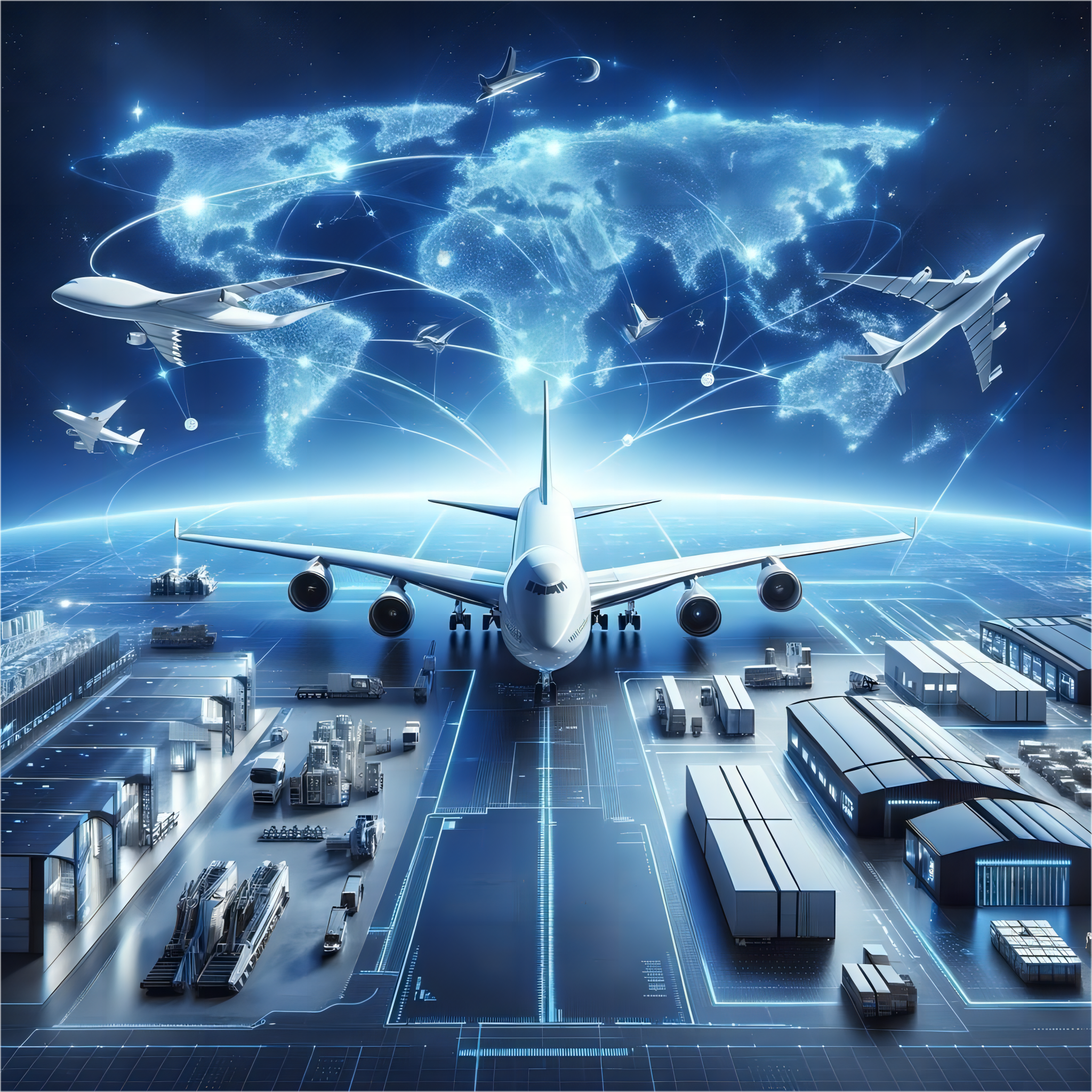
While the term ‘freight elevator’ typically refers to a lift for moving goods within a building, in the context of international trade and logistics, ‘China freight elevator’ is often used metaphorically. It signifies the essential services that lift and transport your goods from China to their global destination. Essentially, it encompasses the entire process of freight forwarding from China.
Therefore, when discussing China freight elevator solutions, we are referring to comprehensive logistics services. These services include everything from picking up cargo at the factory to customs clearance and final delivery. This ensures a smooth and efficient supply chain for importers worldwide.
Key Shipping Methods from China: Choosing Your China Freight Elevator
Selecting the right shipping method is a critical decision for any business importing from China. Your choice significantly impacts shipping costs, transit time, and overall supply chain efficiency. Consequently, understanding the nuances of each option is vital for making informed decisions.
Indeed, various methods cater to different needs, from urgent small parcels to large industrial shipments. Here, we delve into the most common options available for your China freight elevator needs.
Sea Freight: The Backbone of Global Trade
Sea freight is by far the most common and economical method for shipping large volumes of goods from China. It offers significant cost savings, especially for bulk cargo or less time-sensitive shipments. Furthermore, it is ideal for heavy and oversized items.
There are two primary options within sea freight: Full Container Load (FCL) and Less than Container Load (LCL). FCL is suitable when you have enough cargo to fill an entire container, offering faster transit times and reduced handling. Conversely, LCL is perfect for smaller shipments that don’t require a full container, where your goods share space with other cargo. Learn more about robust sea freight solutions.
Air Freight: Speed for Time-Sensitive Cargo
When speed is of the essence, air freight stands out as the fastest option for shipping from China. It is particularly well-suited for high-value, perishable, or time-critical goods. However, this expedited service comes with a higher price tag compared to sea freight.
Despite the increased shipping costs, air freight provides unparalleled delivery schedules and reliability. It significantly reduces transit time, which can be crucial for fast-moving consumer goods or urgent product launches. Explore our efficient air freight services.
Rail Freight: A Growing Alternative
Rail freight has emerged as a competitive alternative, especially for shipments between China and Europe or Central Asia. It offers a balance between the speed of air freight and the cost-effectiveness of sea freight. Moreover, it provides a reliable and environmentally friendly option.
The New Silk Road railway network has significantly boosted the viability of rail transport, offering consistent delivery schedules. This method is particularly beneficial for goods that are too large for air freight but require faster delivery than sea freight. Discover reliable rail freight options.
Express Shipping: When Every Hour Counts
For urgent, smaller packages, express shipping services (like DHL, UPS, FedEx) are the go-to solution. These services offer door-to-door delivery with tracking and rapid transit times. Consequently, they are ideal for samples, documents, or small e-commerce orders.
While express shipping boasts speed and convenience, it is generally the most expensive option per kilogram. Therefore, it is best reserved for situations where time is critically more important than cost. Consider our swift express service for your urgent needs.
Understanding China Freight Elevator Costs and Factors
The total cost of your China freight elevator service involves numerous factors beyond just the basic freight rate. Consequently, a clear understanding of these components helps in budgeting and avoiding unexpected expenses. Several variables influence the final price, from cargo characteristics to destination.
Indeed, factors such as the chosen shipping method, cargo volume, weight, and destination all play significant roles. Additionally, origin and destination charges, customs duties, and insurance contribute to the overall landed cost. Here is a breakdown of common cost elements.
| Cost Factor | Description | Impact on Price |
|---|---|---|
| Freight Rate | Cost for transporting goods (sea, air, rail) | Major component, varies by method/volume |
| Origin Charges | Loading, handling, documentation at origin | Fixed or volume-based, specific to port/airport |
| Destination Charges | Unloading, handling, documentation at destination | Similar to origin, varies by port/airport |
| Customs Duties & Taxes | Government levies on imported goods | Depends on HS code, value, country of import |
| Insurance | Protection against loss or damage during transit | Optional but highly recommended, percentage of cargo value |
| Surcharges | Fuel, peak season, port congestion, security | Fluctuates, can add significantly to cost |
| Local Transport | Pick-up from factory, delivery to final warehouse | Varies by distance and local infrastructure |
How Does China Freight Elevator Compare to Other Shipping Options?
Choosing the optimal China freight elevator solution requires a detailed comparison of available methods. Businesses must weigh cost, speed, reliability, and cargo type when making this critical decision. This comprehensive analysis will help you determine the best fit for your specific import needs.
As a result, understanding the trade-offs between different shipping options is essential for effective supply chain management. Let’s examine how the primary methods stack up against each other.
| Shipping Method | Cost Range (per kg/CBM) | Transit Time (China to Europe/USA) | Best For | Limitations |
|---|---|---|---|---|
| Sea Freight (FCL) | $50-80/CBM | 28-45 days | Large volume, heavy, non-urgent cargo | Slowest, potential port delays |
| Sea Freight (LCL) | $80-120/CBM | 35-55 days | Smaller volume, non-urgent cargo | Slower than FCL, more handling |
| Air Freight | $4-8/kg | 3-8 days | Time-sensitive, high-value, perishable goods | Most expensive, weight/size restrictions |
| Rail Freight | $2-4/kg | 18-25 days | Mid-sized, semi-urgent cargo (China-Europe) | Limited routes, less flexible than sea/air |
| Express Shipping | $8-15/kg | 2-5 days | Samples, documents, small e-commerce | Very expensive, small package focus |
Which Option Should You Choose for Your China Freight Elevator?
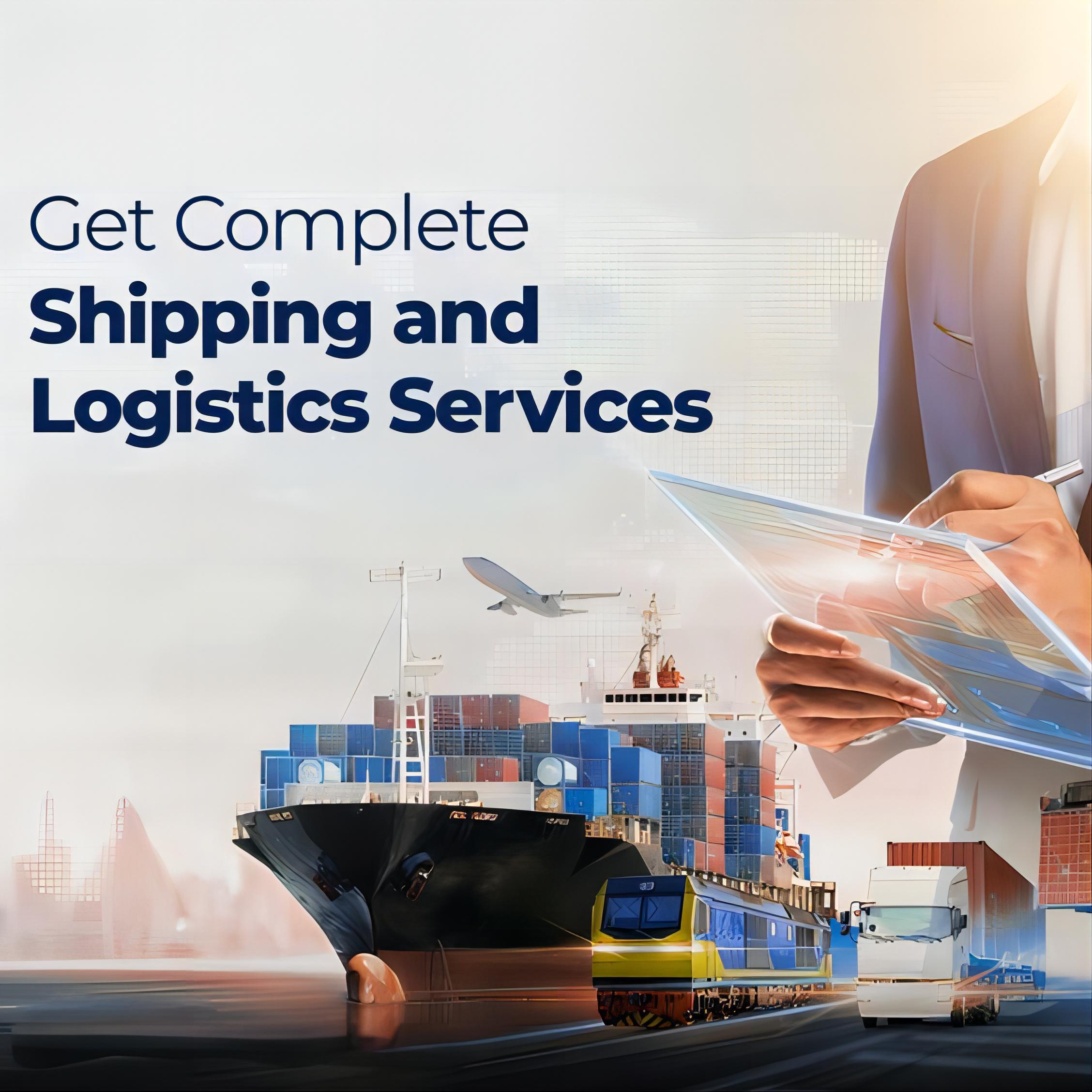
The decision ultimately hinges on your specific priorities and cargo characteristics. For instance, if budget is your primary concern and time is flexible, sea freight is undoubtedly the most economical choice. Consider LCL for smaller shipments under 15 CBM, or FCL for larger volumes.
However, if speed is paramount, especially for urgent orders or high-value items, air freight provides the quickest delivery. Furthermore, for shipments between China and Europe, rail freight offers a compelling balance of cost and speed. Always evaluate your cargo type, delivery schedule, and overall budget before finalizing your China freight elevator strategy.
Navigating Customs and Documentation for China Imports
Customs clearance is a critical, yet often complex, step in the international shipping process. Proper documentation and adherence to regulations are essential to avoid delays and penalties. Therefore, engaging a knowledgeable customs broker is highly recommended.
A professional customs broker ensures all necessary paperwork is correctly prepared and submitted. This includes commercial invoices, packing lists, bills of lading, and certificates of origin. They also handle the calculation and payment of duties and taxes. Our customs brokerage services streamline this vital process.
The Benefits of Door-to-Door China Freight Elevator Services
For many businesses, managing multiple logistics providers can be a significant challenge. Consequently, opting for a comprehensive door-to-door service simplifies the entire shipping process. This integrated solution covers every stage from origin to final destination.
A door-to-door China freight elevator service handles factory pickup, international transport, customs clearance, and final delivery. This reduces administrative burden, minimizes potential errors, and provides a single point of contact. Enjoy seamless logistics with our door to door solutions.
Case Studies: Real-World China Freight Elevator Solutions
Real-world examples demonstrate how effective China freight elevator strategies translate into successful international trade. These case studies highlight diverse shipping scenarios and the tailored solutions applied. They illustrate the practical application of freight forwarding expertise.
Case Study 1: Consolidating Multiple Suppliers for a US Retailer
A US-based online retailer needed to import various electronic gadgets from three different suppliers in Shenzhen. The total cargo volume was 12 CBM, non-urgent, with a budget-friendly requirement. Sea LCL was chosen for cost-efficiency.
The freight forwarder consolidated the cargo at their Shenzhen warehouse, managed export customs, and arranged LCL shipping to Los Angeles. This approach minimized costs while ensuring all goods arrived together for distribution. Typical rates as of early 2025 were applied.
| Detail | Description |
|---|---|
| Route | Shenzhen, China -> Los Angeles, USA |
| Cargo | Electronic Gadgets, 12 CBM, 2,500 kg |
| Container | LCL 12 CBM (shared container) |
| Shipping Details | Carrier: Major carrier, Port of Loading: Yantian, Port of Discharge: Los Angeles, Route Type: Direct |
| Cost Breakdown | Ocean Freight: $960 (approx. $80/CBM), Origin Charges: $280, Destination Charges: $350, Customs & Duties (estimated): $500, Total Landed Cost: $2,090 |
| Timeline | Booking to Loading: 5 days, Sea Transit: 18 days, Customs Clearance: 3 days, Total Door-to-Door: 26 days |
| Key Insight | Consolidation saved significant costs compared to individual shipments, streamlining the import process. |

Case Study 2: Urgent Fashion Samples for a European Brand
A European fashion brand required urgent delivery of new season samples from Guangzhou to Paris for an upcoming photoshoot. The cargo was small but time-critical, weighing 150 kg with a volume of 1.5 CBM. Air freight was the only viable China freight elevator option.
The forwarder arranged express air freight with DDU (Delivered Duty Unpaid) terms. This ensured rapid transit and smooth customs processing upon arrival. This case highlights the importance of speed for time-sensitive product launches.
| Detail | Description |
|---|---|
| Route | Guangzhou, China -> Paris, France |
| Cargo | Fashion Samples, 1.5 CBM, 150 kg |
| Container | Air Cargo |
| Shipping Details | Carrier: Lufthansa Cargo, Port of Loading: Guangzhou Baiyun, Port of Discharge: Paris CDG, Route Type: Direct |
| Cost Breakdown | Air Freight: $900 (approx. $6/kg), Origin Charges: $120, Destination Charges: $180, Customs & Duties (estimated): $250, Total Landed Cost: $1,450 |
| Timeline | Booking to Loading: 2 days, Air Transit: 3 days, Customs Clearance: 1 day, Total Door-to-Door: 6 days |
| Key Insight | Prioritizing air freight ensured samples arrived well ahead of the critical photoshoot deadline, preventing costly delays. |
Case Study 3: Large Machinery Shipment to Australia
An industrial client needed to ship a specialized manufacturing machine from Shanghai to Sydney. The cargo was 25 CBM and required a 20GP container. Reliability and secure handling were crucial for this valuable equipment. FCL sea freight was the chosen method.
The freight forwarder coordinated special handling at the port of loading and secured a direct FCL service. This minimized transshipment risks and ensured the machinery arrived in perfect condition. Based on Q3 2024 market rates, the costs were competitive.
| Detail | Description |
|---|---|
| Route | Shanghai, China -> Sydney, Australia |
| Cargo | Manufacturing Machine, 25 CBM, 6,000 kg |
| Container | 20GP FCL |
| Shipping Details | Carrier: COSCO, Port of Loading: Shanghai, Port of Discharge: Sydney, Route Type: Direct |
| Cost Breakdown | Ocean Freight: $1,000 (for 20GP), Origin Charges: $300, Destination Charges: $400, Customs & Duties (estimated): $700, Total Landed Cost: $2,400 |
| Timeline | Booking to Loading: 4 days, Sea Transit: 15 days, Customs Clearance: 2 days, Total Door-to-Door: 21 days |
| Key Insight | Direct FCL shipping provided optimal security and efficiency for valuable, oversized industrial equipment. |
Optimizing Your Supply Chain with China Freight Elevator Partners
Beyond just shipping, a robust China freight elevator partner can significantly enhance your entire supply chain. They offer integrated solutions that streamline operations, reduce risks, and improve overall efficiency. Therefore, choosing the right partner is a strategic business decision.
For e-commerce businesses, especially those utilizing Amazon’s fulfillment network, specialized services like Amazon FBA shipping from China are invaluable. These services handle all aspects of getting your products directly to Amazon’s warehouses. This ensures compliance with FBA requirements and smooth inventory management.
Market Trends and the Future of China Freight Elevator
The global logistics landscape is constantly evolving, with several trends shaping the future of China freight elevator services. Understanding these trends can help businesses adapt and plan for future shipping needs. Consequently, staying informed is key to maintaining a competitive edge.
As of Q1 2025, freight rates from China to Europe have stabilized after the 2024 Red Sea disruptions, but remain susceptible to geopolitical events. Industry average for this route suggests careful planning. Meanwhile, digitalization and automation are increasingly improving efficiency and transparency across the supply chain. Moreover, there’s a growing emphasis on sustainable shipping practices, influencing carrier choices and logistics trends.
Conclusion: Navigating Your China Freight Elevator Successfully
Successfully managing your imports from China requires a clear understanding of the available shipping methods, associated costs, and market dynamics. Choosing the right China freight elevator partner is paramount for ensuring efficient, cost-effective, and reliable delivery of your goods. From sea freight to air cargo, each option presents unique advantages depending on your specific needs.
By leveraging expert freight forwarding services, businesses can overcome logistical challenges, navigate complex customs procedures, and ultimately optimize their supply chain. Always evaluate your cargo, budget, and timeline carefully to select the best China freight elevator solution for your business. Note: Freight rates are subject to change based on fuel costs, carrier capacity, and seasonal demand. Contact us for a current quote tailored to your specific shipment.
Need a tailored shipping solution?
Ready to streamline your imports from China? Whether you need sea freight, air freight, or a comprehensive door-to-door solution, our expert China freight elevator services are here to help. Contact us today for a personalized quote and take the first step towards optimized logistics.