
China International Freight Forwarders Association: Your Guide to Global Logistics
Navigating the complexities of global trade from China requires expert assistance. The China International Freight Forwarders Association (CIFA) plays a crucial role in regulating and promoting high standards within the logistics industry. This guide provides essential insights into leveraging their network for efficient and reliable international shipping, helping businesses like yours streamline their operations with Top China Freight.

What is the China International Freight Forwarders Association (CIFA)?
The China International Freight Forwarders Association (CIFA) is a national, non-profit organization representing the freight forwarding industry in China. Established to promote fair competition and standardized practices, CIFA plays a vital role in the country’s logistics landscape. Its members adhere to strict professional guidelines, ensuring a higher level of service and reliability for international trade.
Furthermore, CIFA acts as a bridge between the government and its members, advocating for industry interests and facilitating communication. They also provide training and information services, helping forwarders stay updated on the latest regulations and logistics trends. Consequently, choosing a CIFA-affiliated forwarder often provides an added layer of assurance for businesses engaged in import/export from China.
Why Choose a CIFA-Affiliated Freight Forwarder?
Opting for a freight forwarder associated with the China International Freight Forwarders Association offers several distinct advantages. Firstly, it signifies adherence to recognized industry standards and ethical business practices. This membership often implies a commitment to transparency and professionalism in handling your valuable cargo.
Secondly, CIFA members typically possess extensive knowledge of Chinese shipping regulations, customs procedures, and global logistics networks. This expertise is crucial for navigating complex international supply chains efficiently. Moreover, working with an accredited forwarder can mitigate risks, ensuring smoother customs clearance and more predictable delivery schedules for your shipments.
In addition, these forwarders often have established relationships with various carriers and service providers. This network can translate into better freight rates and more reliable service options. Therefore, choosing a CIFA member helps safeguard your interests and optimize your international logistics operations.
Key Services Offered by International Freight Forwarders in China
Chinese international freight forwarders provide a comprehensive suite of services designed to manage the entire shipping process. These services range from initial booking to final delivery, covering all aspects of import and export. Understanding these offerings helps businesses select the right partner for their specific needs.
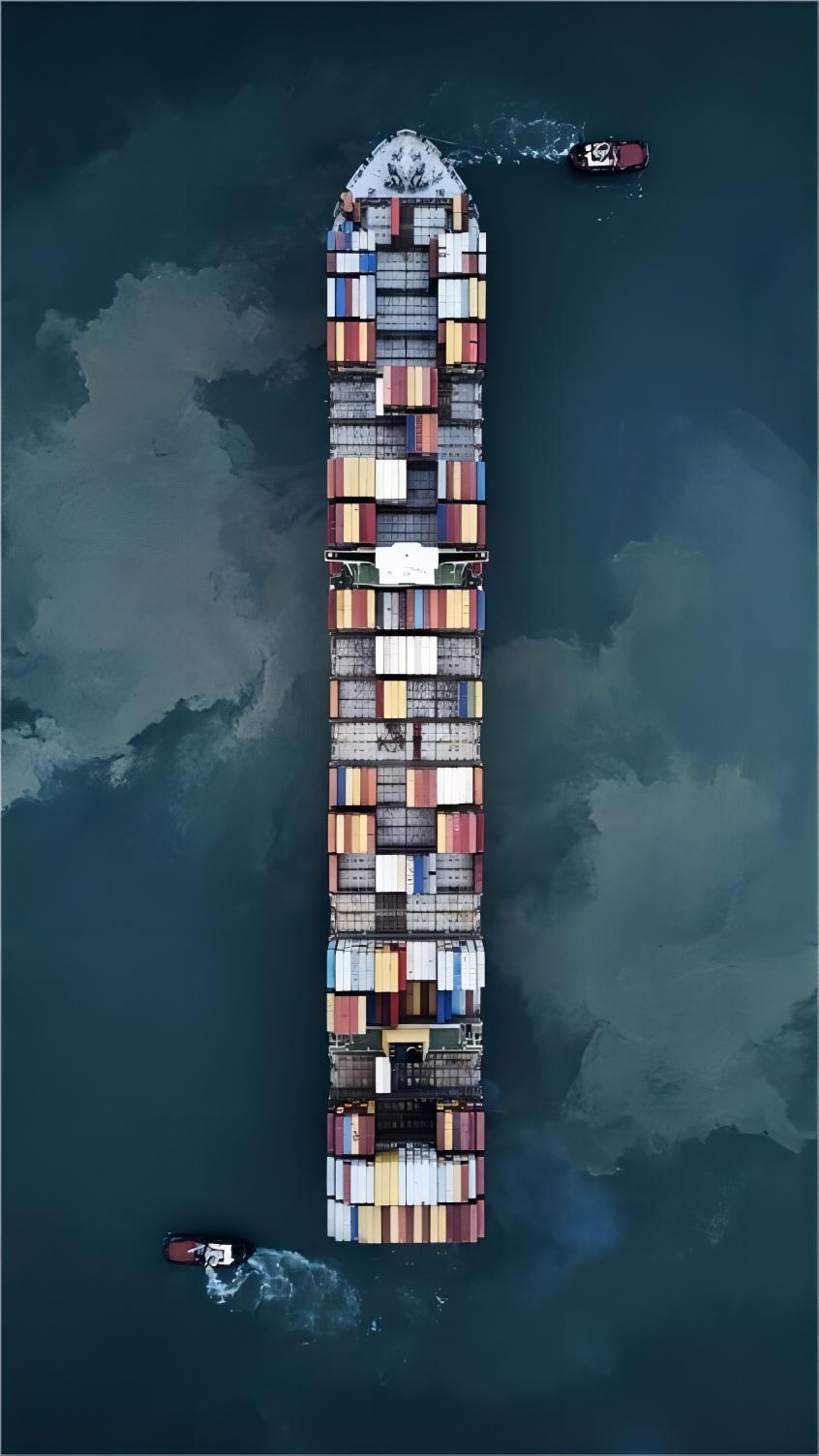
For example, they handle cargo consolidation, documentation preparation, and customs declarations. They also manage warehousing, distribution, and cargo insurance. Essentially, a good freight forwarder acts as your logistics department, ensuring seamless movement of goods across borders.
Comprehensive Shipping Solutions
Freight forwarders offer diverse transportation modes. For large, less time-sensitive shipments, sea freight is often the most cost-effective option. This method is ideal for bulk goods and heavy machinery, providing significant savings on shipping costs.
Conversely, for urgent or high-value cargo, air freight provides unparalleled speed, ensuring rapid transit times. Furthermore, many forwarders specialize in specific niches, such as Amazon FBA shipping, which requires precise scheduling and adherence to strict platform guidelines for efficient delivery to fulfillment centers.
Additionally, for shipments across Eurasia, rail freight offers a balance between speed and cost, serving as a viable alternative to sea and air for certain routes. This hybrid approach can significantly reduce transit times compared to ocean shipping, especially for destinations like Europe. Overall, the ability to choose from multiple shipping methods is a core benefit.
Customs Brokerage and Compliance
One of the most critical services is customs brokerage. Forwarders manage all necessary documentation, ensuring compliance with both Chinese and destination country regulations. This includes tariff classification, duty calculation, and obtaining required permits.
Moreover, proper customs handling prevents delays, penalties, and unexpected costs, which are common pain points for international shippers. Their expertise in trade compliance is invaluable for smooth cross-border transactions. This meticulous attention to detail is paramount for successful import/export operations.
Door-to-Door Logistics Management
Many forwarders offer comprehensive door-to-door services. This means they handle every step, from picking up goods at the supplier’s factory in China to delivering them directly to your warehouse or customer’s address. This integrated approach simplifies the supply chain for businesses.
Consequently, this reduces the administrative burden and provides a single point of contact for the entire shipment. This end-to-end solution ensures greater control and visibility over your cargo’s journey, making international logistics much more manageable.
How Does Sea Freight Compare to Other Shipping Options from China?
Choosing the right shipping method from China is a critical decision impacting both cost and transit time. While sea freight remains the backbone of international trade for its cost-effectiveness, other options like air and rail freight offer distinct advantages for different scenarios. Understanding these differences is key to optimizing your supply chain.
For instance, air freight provides speed, while rail freight offers a middle ground, especially for destinations in Europe. Each method has its unique set of benefits and limitations that businesses must consider. Therefore, a careful comparison helps in making informed decisions about your international logistics.
| Shipping Method | Cost Range (per kg/CBM) | Transit Time (China to Europe/North America) | Best For | Limitations |
|---|---|---|---|---|
| Sea Freight (FCL/LCL) | Low ($20-50/CBM, $3000-6000/40HQ) | 25-45 days | Large volumes, heavy goods, non-urgent shipments, cost-sensitive | Slow, port congestion, longer lead times |
| Air Freight | High ($4-10/kg) | 3-10 days | Urgent, high-value, perishable goods, small volumes | Most expensive, weight/volume restrictions, environmental impact |
| Rail Freight (China-Europe) | Medium ($100-180/CBM) | 15-25 days | Mid-sized, time-sensitive to Europe, faster than sea, cheaper than air | Limited routes, less flexible, potential for border delays |
| Express Service | Very High ($8-15/kg) | 2-5 days | Samples, documents, very small urgent packages | Very expensive, strict weight/size limits |
Real-World Case Studies: Navigating China Logistics
Examining real-world scenarios provides practical insights into how international freight forwarders manage diverse shipping challenges. These examples illustrate the complexities involved and the tailored solutions provided to clients. Understanding these case studies can help you anticipate potential issues and appreciate the value of an experienced partner. Based on Q3 2024 market rates, these scenarios offer a realistic perspective.
Case Study 1: High-Volume Apparel to Europe
This case involved a fashion retailer needing to ship a large consignment of seasonal apparel from China to their distribution center in Germany. The priority was cost-effectiveness while ensuring timely arrival before the peak sales season. The chosen solution balanced budget and transit time effectively.
| Detail | Description |
|---|---|
| Route | Shanghai, China -> Hamburg, Germany |
| Cargo | Apparel, 60 CBM |
| Container | 2 x 40HQ |
| Shipping Method | Sea Freight (FCL) |
| Carrier/Service | COSCO via direct route |
| Port of Loading | Shanghai |
| Port of Discharge | Hamburg |
| Cost Breakdown | Ocean Freight: $7,000 (2x40HQ), Origin Charges: $600, Destination Charges: $500, Customs & Duties (estimated): $1,200, Total Landed Cost: $9,300 |
| Timeline | Booking to Loading: 5 days, Sea Transit: 30 days, Customs Clearance: 3 days, Total Door-to-Port: 38 days |
| Key Insight | Direct FCL sea freight proved most economical for volume, with careful scheduling to avoid peak season surcharges. Q4 peak season rates were 20% higher than Q3. |
Case Study 2: Urgent Electronics for Product Launch to North America
A tech startup required a quick shipment of newly manufactured electronic gadgets from Shenzhen to Los Angeles for an imminent product launch. Speed was paramount, even at a higher cost, to meet market deadlines. The solution focused on rapid delivery and efficient handling.
| Detail | Description |
|---|---|
| Route | Shenzhen, China -> Los Angeles, USA |
| Cargo | Consumer Electronics, 2 CBM, 450 kg |
| Container | Air Cargo |
| Shipping Method | Air Freight |
| Carrier/Service | Cathay Pacific Cargo |
| Port of Loading | Shenzhen Bao’an International Airport (SZX) |
| Port of Discharge | Los Angeles International Airport (LAX) |
| Cost Breakdown | Air Freight: $3,600, Origin Charges: $250, Destination Charges: $180, Customs & Duties (estimated): $400, Total Landed Cost: $4,430 |
| Timeline | Booking to Loading: 2 days, Air Transit: 5 days, Customs Clearance: 1 day, Total Airport-to-Airport: 8 days |
| Key Insight | Air freight ensured the product launch timeline was met, despite higher shipping costs. Efficient documentation prevented any customs delays. Typical rates as of early 2025. |
Case Study 3: Small Batch Components to Australia
An Australian manufacturer needed a recurring supply of specialized components from Ningbo. The shipments were relatively small but frequent, requiring a balance between cost and consistent delivery. LCL sea freight was identified as the most suitable, cost-effective shipping solution from China.
| Detail | Description |
|---|---|
| Route | Ningbo, China -> Sydney, Australia |
| Cargo | Industrial Components, 8 CBM, 2,500 kg |
| Container | LCL (Less than Container Load) |
| Shipping Method | Sea Freight (LCL) |
| Carrier/Service | Maersk via transshipment |
| Port of Loading | Ningbo |
| Port of Discharge | Sydney |
| Cost Breakdown | Ocean Freight: $800, Origin Charges: $200, Destination Charges: $150, Customs & Duties (estimated): $300, Total Landed Cost: $1,450 |
| Timeline | Booking to Loading: 4 days, Sea Transit: 16 days, Customs Clearance: 2 days, Total Door-to-Port: 22 days |
| Key Insight | LCL sea freight offered a cost-efficient solution for smaller, regular shipments. Careful consolidation reduced overall freight rates. Market data suggests LCL is optimal for under 15 CBM. |
Which Shipping Option Should You Choose? A Decision Framework
Selecting the optimal shipping strategy from China involves weighing various factors. There is no one-size-fits-all solution; instead, the best choice depends on your specific business priorities and cargo characteristics. Consider the following criteria to make an informed decision.
Ultimately, matching your needs with the right service ensures efficiency and cost-effectiveness. This framework helps streamline the decision-making process for your international logistics.
Budget Priority
If cost reduction is your primary concern, sea freight (FCL or LCL) is almost always the most economical choice. While transit times are longer, the savings on shipping costs, especially for large volumes or heavy goods, are substantial. For shipments under 15 CBM, LCL at $50-80/CBM may be more economical than a full container, offering significant savings.
Speed Priority
For urgent shipments, product launches, or time-sensitive goods, air freight is indispensable. It offers the fastest transit times, albeit at a premium price. For example, air freight for a 40HQ equivalent volume would cost $15,000-25,000 but arrives in 5-7 days instead of 30-40 days by sea. Express services provide even quicker, though more expensive, options for very small packages.
Cargo Type Considerations
The nature of your cargo also dictates the best shipping method. Perishable goods, for instance, require expedited air freight or specialized refrigerated containers by sea. Hazardous materials have specific regulations for each transport mode. Fragile items may benefit from less handling associated with direct FCL shipments.
Volume Thresholds for Switching Methods
For small volumes (e.g., under 1-2 CBM or 200 kg), express courier services are often competitive with LCL sea freight due to minimum charges. As volume increases, LCL becomes more viable. Beyond 15-20 CBM, a full container load (FCL) sea freight often becomes the most cost-effective solution. This transition point is crucial for optimizing freight rates.
Hybrid Solutions and Alternative Approaches
Consider hybrid solutions like sea-air or rail-sea for a balance. Sea-air freight combines the cost efficiency of ocean shipping for the initial leg with the speed of air freight for the final leg, suitable for moderately urgent shipments. Rail freight to Europe offers a faster alternative to sea and a cheaper alternative to air. Direct routes cost 10-15% more but save 5-7 days compared to transshipment via Singapore or Port Klang, offering a trade-off for time-sensitive cargo.
Additionally, optimizing packaging and consolidation can lead to significant cost savings. Working with a forwarder who can consolidate multiple suppliers’ goods into a single shipment (LCL) reduces per-unit shipping costs. Always seek a current quote tailored to your specific shipment, as freight rates are subject to change based on fuel costs, carrier capacity, and seasonal demand.
Market Insights and Future Trends in China Logistics
The international freight landscape is constantly evolving, influenced by global economic shifts, geopolitical events, and technological advancements. Staying informed about these market dynamics is crucial for effective supply chain management. Current market conditions, for example, heavily impact freight rates and transit times.
As of Q1 2025, freight rates from China to Europe have stabilized after the 2024 Red Sea disruptions, though volatility remains a factor. Industry benchmarks suggest continued investment in digital logistics platforms to enhance tracking international shipments from China and improve overall efficiency. Moreover, sustainability is becoming a key driver, pushing for greener shipping methods.
Typical rates as of current period indicate a slight increase during peak seasons, usually 15-25% higher during August-October. Market data suggests that port congestion remains a periodic challenge at major hubs, affecting delivery schedule reliability. Consequently, robust planning and flexible logistics partners are more important than ever for successful import/export from China.
Conclusion: Partnering for Success in Global Trade
The China International Freight Forwarders Association (CIFA) plays a pivotal role in ensuring the integrity and efficiency of China’s logistics sector. By understanding the benefits of working with CIFA-affiliated forwarders and the diverse shipping options available, businesses can make informed decisions. This ultimately leads to more reliable and cost-effective international trade.
Choosing the right partner is critical for navigating the complexities of global shipping, from customs clearance to optimizing freight rates. With careful planning and expert assistance, your supply chain from China can become a competitive advantage. Therefore, leverage professional guidance to secure your success in the international marketplace.
Need a tailored shipping solution?
Ready to optimize your international freight from China? Partner with a trusted expert to navigate complex logistics, ensuring efficient and cost-effective shipping solutions. Contact us today for a personalized quote and discover how our services can streamline your supply chain.