
China Sea Freight Rates: Your 2024-2025 Comprehensive Guide
Shipping from China can be a complex endeavor, with Top China Freight providing essential services. Understanding china sea freight rates is crucial for businesses aiming to manage their supply chain effectively and control import costs. This comprehensive guide will demystify the factors influencing ocean freight, helping you navigate the market and secure the best shipping solutions for your cargo. We will explore various options, costs, and strategic advice to optimize your international logistics.
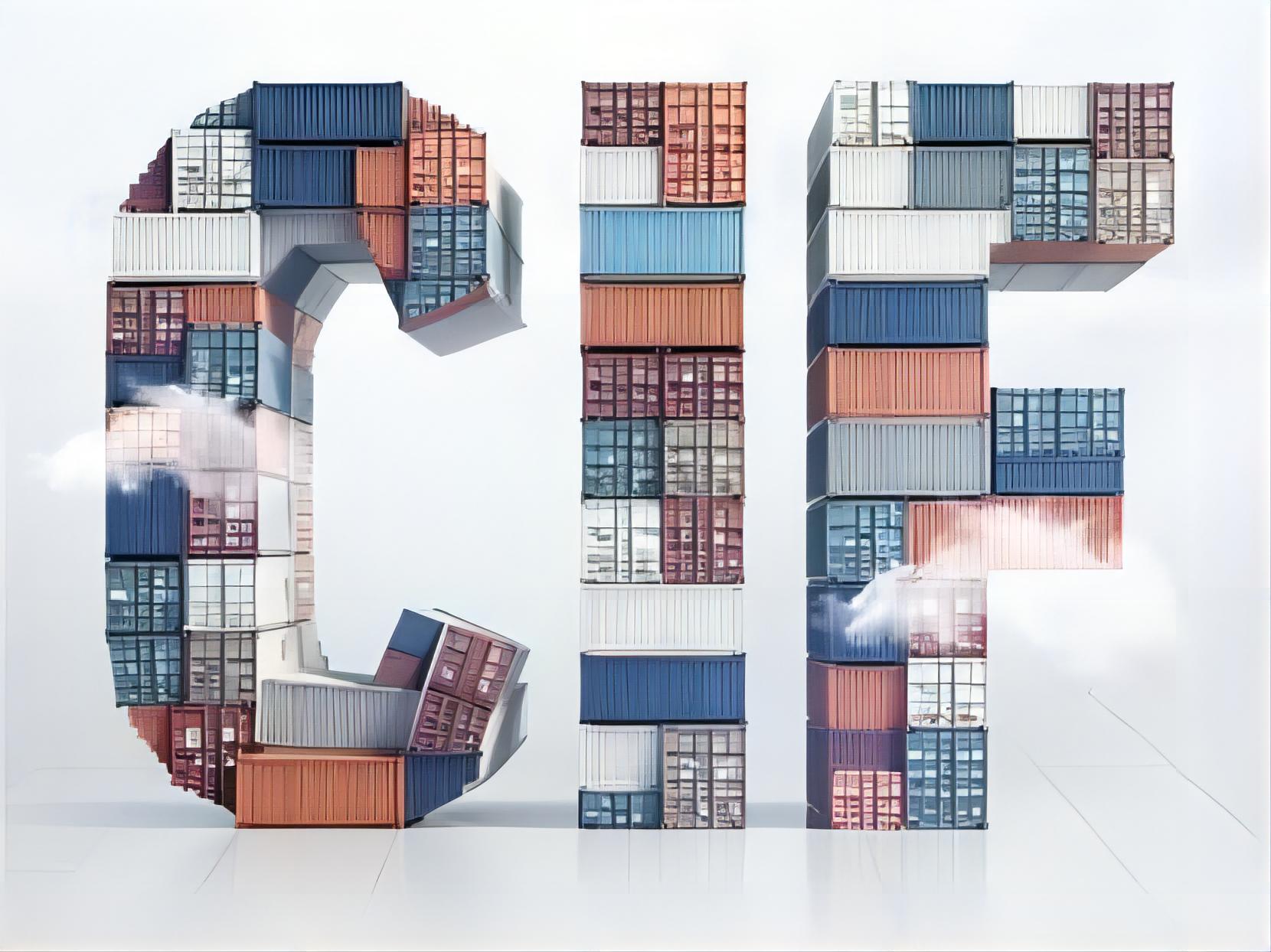
What Factors Influence China Sea Freight Rates?
Several dynamic elements collectively determine the final cost of shipping from China. Primarily, global economic conditions and fluctuating fuel prices significantly impact operational expenses for carriers. Geopolitical events, such as canal disruptions or trade disputes, can also introduce volatility, causing sudden shifts in pricing and availability.
Moreover, seasonal demand plays a critical role, with peak seasons (e.g., pre-holiday rushes) often leading to higher rates due to increased cargo volume. Port congestion, carrier capacity, and equipment availability further complicate pricing, sometimes resulting in surcharges or extended transit times. Understanding these macro factors is essential for forecasting potential `china sea freight rates`.
Additionally, the specifics of your cargo, including its type, volume, and weight, directly affect pricing. The chosen shipping route and the specific service type (e.g., FCL, LCL, port-to-port, door-to-door) also play a considerable part in the overall calculation. Consequently, a comprehensive assessment of these variables is necessary for accurate cost estimation.
How Are China Sea Freight Rates Calculated?
Calculating `china sea freight rates` involves more than just the base ocean freight cost. Generally, the process begins with a base rate, which is then adjusted by various surcharges. These often include the Bunker Adjustment Factor (BAF) to account for fuel price changes, the Currency Adjustment Factor (CAF) for exchange rate fluctuations, and Peak Season Surcharges (PSS) during busy periods.
Furthermore, origin charges are applied at the loading port, covering terminal handling (THC), documentation fees, and local transport if applicable. Similarly, destination charges encompass terminal handling at the discharge port, customs clearance fees, and any local delivery costs. These charges are crucial components of the total `landed cost`.
Finally, additional costs such as customs duties, import taxes, cargo insurance, and inland transportation from the destination port to the final warehouse must be factored in. Therefore, when seeking a quote, it is vital to request a breakdown of all charges to avoid unexpected expenses and gain a clear picture of the total `international shipping logistics China` involves.
Container Shipping Options: FCL vs. LCL
When shipping goods from China, two primary container options dominate sea freight: Full Container Load (FCL) and Less than Container Load (LCL). Choosing between them depends largely on your cargo volume, budget, and urgency. Each method offers distinct advantages and disadvantages that impact `shipping container rates China`.
A Full Container Load (FCL) means your goods occupy an entire shipping container, typically a 20GP, 40GP, or 40HQ. This option is generally more cost-effective per unit for larger shipments, offering faster transit times because the container travels directly to its destination without consolidation stops. It also provides enhanced security as your cargo is not handled alongside others.
Conversely, Less than Container Load (LCL) is ideal for smaller shipments that do not fill an entire container. With LCL, your cargo is consolidated with other shippers’ goods into one container, making it a more economical choice for volumes typically under 15-20 CBM. However, LCL often involves longer transit times due to the consolidation and deconsolidation processes at both origin and destination ports.
| Feature | FCL (Full Container Load) | LCL (Less than Container Load) | Best For |
|---|---|---|---|
| Cargo Volume | 15 CBM or more (full container) | Under 15 CBM (shared container) | Volume |
| Cost Efficiency | Lower per unit for large volumes | Lower total cost for small volumes | Budget |
| Transit Time | Generally faster and more predictable | Slower, due to consolidation/deconsolidation | Speed |
| Security | Higher, less handling | Moderate, more handling points | Safety |

How Does Sea Freight Compare to Other Shipping Options?
Understanding `how much does sea freight cost from China` requires comparing it against alternative shipping methods. Each option presents a unique balance of cost, speed, and capacity, making the choice dependent on your specific supply chain needs. For instance, sea freight is often the backbone for bulk goods, but other methods shine in different scenarios.
Sea freight remains the most economical option for large, heavy, or non-urgent shipments. It offers unparalleled capacity, capable of transporting massive volumes at a significantly lower cost per unit compared to air or express services. However, its primary drawback is the extended transit time, which can range from weeks to over a month, depending on the destination.
Therefore, while sea freight is excellent for `optimizing ocean freight costs`, businesses often explore other avenues for specific cargo types or urgent deliveries. The following subsections detail the most common alternatives and their suitability for various `logistics trends`.
| Shipping Method | Cost Range (Relative) | Transit Time (China to Europe/USA) | Best For | Limitations |
|---|---|---|---|---|
| Sea Freight | Lowest | 14-40 days | Large volumes, heavy goods, non-urgent | Slowest, port-to-port focus |
| Rail Freight | Medium-Low | 15-20 days (China-Europe) | Medium urgency, specific routes | Limited routes, capacity constraints |
| Air Freight | High | 3-7 days | Urgent, high-value, perishable goods | High cost, limited cargo size/weight |
| Express Shipping | Highest | 2-5 days | Samples, documents, very small urgent parcels | Extremely high cost for commercial volumes |
Air Freight
Air freight offers a dramatically faster transit time, typically delivering goods within 3-7 days worldwide. This speed comes at a premium, as `air freight rates` are substantially higher than sea freight, sometimes 5-10 times more for the same volume. It is ideal for high-value, time-sensitive, or perishable goods where speed is paramount, and costs are secondary.
Despite the higher expense, air freight can be cost-effective for smaller, lighter shipments where the cost difference isn’t as pronounced. Furthermore, it helps reduce inventory holding costs due to quicker replenishment cycles. Consider air freight for urgent stock replenishment or new product launches.
Rail Freight
Rail freight has emerged as a viable middle-ground option for shipments between China and Europe, offering a balance between cost and speed. Transit times are typically 15-20 days, significantly faster than sea freight and more economical than air freight. This makes it an attractive solution for certain `supply chain management China` strategies.
However, rail freight’s geographical reach is limited to specific routes, primarily connecting major Chinese cities with European hubs. It is particularly suitable for goods that are too heavy or bulky for air freight but require faster delivery than ocean shipping. Its environmental footprint is also generally lower than air freight.
Express Shipping (Courier Services)
Express shipping, provided by couriers like DHL, FedEx, and UPS, is the fastest option for small parcels and documents, often delivering within 2-5 days. While extremely quick and offering door-to-door service, it is the most expensive per kilogram. This method is best suited for samples, prototypes, or urgent, small-volume orders.
The convenience of express shipping includes streamlined customs procedures and comprehensive tracking. However, for anything beyond very small packages, the costs quickly become prohibitive when considering `china sea freight rates` alternatives. It is rarely a competitive option for commercial quantities.
Which Shipping Option Should You Choose?
Selecting the optimal shipping method from China hinges on a clear understanding of your priorities. A strategic decision framework helps align your logistics with your business objectives, ultimately impacting your overall `delivery schedule` and profitability. There are several key considerations.
If budget is your primary concern, especially for large volumes, sea freight is almost always the most economical choice. `Cheapest way to ship from China` for bulk goods will inevitably involve ocean transport, whether FCL or LCL. This method allows for significant cost savings, albeit with longer lead times.
Conversely, if speed is paramount, air freight or express shipping becomes necessary. For instance, launching a new product, fulfilling urgent orders, or transporting time-sensitive materials justifies the higher cost of faster methods. The trade-off between speed and cost is a fundamental aspect of `freight rates` decision-making.
Finally, cargo type and volume thresholds are crucial determinants. For very small, urgent items, express is best. Medium-sized, non-urgent shipments often suit LCL sea freight. Large, regular volumes are ideal for FCL sea freight. Moreover, hybrid solutions, such as sea-air combinations, can offer a balanced approach for specific scenarios, optimizing both cost and speed for your `cargo handling`.
Real-World Examples: Navigating China Sea Freight Rates
Examining real-world case studies provides practical insights into `china sea freight rates` and the variables that influence them. These examples, based on typical market conditions in early 2025, illustrate how different cargo types, routes, and service choices impact overall costs and transit times. Note: Freight rates are subject to change based on fuel costs, carrier capacity, and seasonal demand. Contact us for a current quote tailored to your specific shipment.
Case Study 1: Large Volume, Cost-Optimized Shipment (China to USA East Coast)
This scenario highlights a common situation for a wholesaler importing consumer electronics, prioritizing cost-efficiency for a substantial volume. Utilizing FCL for `China to USA sea freight rates` proved to be the most economical solution despite the longer transit time. The choice of carrier and port of discharge also influenced the final cost and schedule.
| Detail | Description |
|---|---|
| Route | Shanghai, China New York, USA |
| Cargo | Consumer Electronics, 60 CBM, 15,000 kg |
| Container | 1 x 40HQ |
| Shipping Details | Carrier: MSC, Port of Loading: Shanghai, Port of Discharge: New York, Route Type: Direct |
| Cost Breakdown | Ocean Freight: $4,800; Origin Charges: $450; Destination Charges: $550; Customs & Duties (estimated): $1,200; Total Landed Cost: $7,000 |
| Timeline | Booking to Loading: 5 days; Sea Transit: 32 days; Customs Clearance: 3 days; Total Door-to-Door: 40 days |
| Key Insight | Direct FCL offers predictable costs and transit for large volumes, optimizing `China to USA sea freight rates` for bulk imports. |
Case Study 2: Medium-Sized Cargo, Balanced Approach (China to Europe)
A small business importing fashion accessories needed a balance between cost and speed for their regular shipments. Given the volume, `China to Europe sea freight costs` via LCL offered a good compromise. Careful planning and choosing a reliable forwarder minimized potential delays inherent with consolidated cargo.
| Detail | Description |
|---|---|
| Route | Ningbo, China Hamburg, Germany |
| Cargo | Fashion Accessories, 12 CBM, 2,500 kg |
| Container | LCL 12 CBM |
| Shipping Details | Carrier: COSCO (via consolidator), Port of Loading: Ningbo, Port of Discharge: Hamburg, Route Type: Transshipment via Singapore |
| Cost Breakdown | Ocean Freight: $960 ($80/CBM); Origin Charges: $200; Destination Charges: $300; Customs & Duties (estimated): $400; Total Landed Cost: $1,860 |
| Timeline | Booking to Loading: 7 days; Sea Transit: 35 days; Customs Clearance: 4 days; Total Door-to-Door: 46 days |
| Key Insight | LCL is a cost-effective solution for medium volumes, but requires patience due to longer `average transit time China sea freight` and potential consolidation delays. |
Case Study 3: Small Business, Urgent Replenishment (China to Australia)
An e-commerce seller faced an unexpected surge in demand for a specific product and needed quick replenishment. While `china sea freight rates` would be lower, the urgency dictated a faster, albeit more expensive, air freight solution. This demonstrates how business needs can override typical cost considerations for `shipping costs`.
| Detail | Description |
|---|---|
| Route | Shenzhen, China Sydney, Australia |
| Cargo | Small Electronics, 2 CBM, 350 kg |
| Container | Air Freight |
| Shipping Details | Carrier: Cathay Pacific Cargo, Port of Loading: Shenzhen, Port of Discharge: Sydney, Route Type: Direct Air Cargo |
| Cost Breakdown | Air Freight: $1,800 ($5.14/kg); Origin Charges: $150; Destination Charges: $200; Customs & Duties (estimated): $150; Total Landed Cost: $2,300 |
| Timeline | Booking to Loading: 2 days; Air Transit: 3 days; Customs Clearance: 1 day; Total Door-to-Door: 6 days |
| Key Insight | For urgent, small-to-medium shipments, air freight offers speed and reliability, though at a significantly higher cost than `LCL shipping rates from China`. |
Strategies for Optimizing Your China Sea Freight Costs
Reducing `china sea freight rates` involves proactive planning and strategic decisions throughout the shipping process. Firstly, booking in advance, especially during peak seasons, can help secure better rates and avoid premium charges. Consolidating multiple smaller shipments into a larger FCL or optimizing LCL space can also lead to significant savings.
Secondly, partnering with an experienced freight forwarder who offers services like customs brokerage is invaluable. They can negotiate better rates with carriers, manage documentation efficiently, and provide expert advice on routes and service types. Their expertise can directly impact your `shipping costs` and prevent costly delays.
Finally, being flexible with port choices, if feasible, can sometimes yield lower rates. Understanding Incoterms (International Commercial Terms) is also crucial, as they define where cost and risk transfer from seller to buyer. Opting for terms like FOB (Free On Board) allows you more control over the main freight cost, which is vital for `optimizing ocean freight costs`.
Understanding Transit Times and Delivery Schedules
The `average transit time China sea freight` varies considerably based on the destination, carrier, and specific service route. For instance, shipments from China to the USA West Coast might take 14-18 days, while those to the East Coast could extend to 30-35 days. European destinations typically range from 28-38 days.
Several factors can influence these timelines, including port congestion, weather conditions, customs delays, and carrier scheduling. Direct services generally offer faster transit compared to routes involving transshipment through intermediary ports. Consequently, managing expectations for your `delivery schedule` is critical.
Transparent communication with your freight forwarder is paramount to staying informed about potential delays and receiving accurate Estimated Times of Arrival (ETAs). Planning for buffer time in your supply chain is always a wise strategy. This proactive approach helps mitigate risks associated with unpredictable `logistics trends`.
Customs Clearance and Documentation for China Imports
Navigating `customs clearance for China imports` is a critical step that, if mishandled, can lead to significant delays and penalties. Essential documents typically include the Commercial Invoice, Packing List, Bill of Lading (for sea freight), Certificate of Origin, and sometimes product-specific licenses or certifications. Accuracy in these documents is non-negotiable.
Engaging a proficient freight forwarder simplifies this complex process immensely. They act as your liaison with customs authorities, ensuring all paperwork is correctly prepared and submitted on time. For businesses utilizing specialized services, such as Amazon FBA, a forwarder can also manage compliance with platform-specific requirements, streamlining your import process.
Furthermore, understanding local import regulations and duty structures is vital to avoid unexpected costs or delays. Proper declaration of goods, accurate valuation, and adherence to all regulatory guidelines are key to a smooth `import/export` operation. A professional partner helps ensure compliance and efficiency.
Navigating China Sea Freight Rates with Confidence
Ultimately, understanding `china sea freight rates` is about more than just the price tag; it involves comprehending the intricate network of factors that influence global shipping. From economic shifts and seasonal demand to cargo specifics and carrier choices, each element plays a vital role in determining your final `shipping costs` and `transit time`.
By strategically choosing between FCL and LCL, comparing sea freight with air or rail options, and implementing cost-saving measures, businesses can significantly optimize their logistics. Partnering with a reliable freight forwarder further enhances efficiency, ensuring smooth customs clearance and timely deliveries. With this knowledge, you are better equipped to make informed decisions for your `international shipping logistics China`.
Need a tailored shipping solution?
Ready to optimize your international shipping from China? Get a competitive quote tailored to your specific needs and experience seamless logistics. Contact Top China Freight today to discuss your `china sea freight rates` and streamline your supply chain.