
China to Australia Sea Freight: Your Ultimate Shipping Guide
Shipping goods from China to Australia demands a clear understanding of logistics and costs. Businesses consistently seek efficient, economical ways to transport products across the ocean. This guide, presented by Top China Freight, covers crucial aspects of China to Australia sea freight, ensuring a smooth supply chain. We will explore everything from service selection to customs navigation.
What is China to Australia Sea Freight and Why Choose It?
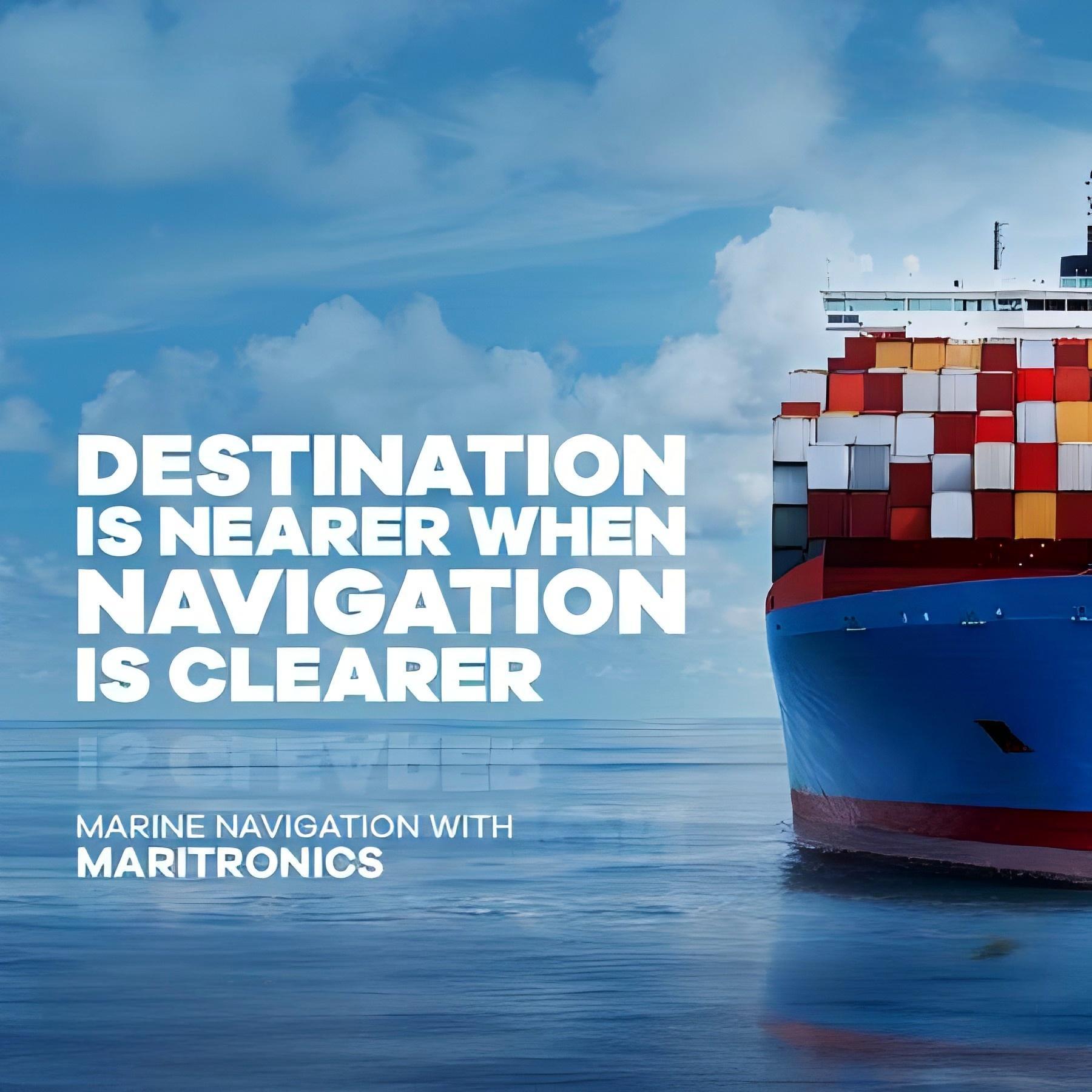
China to Australia sea freight involves transporting goods via ocean vessels, a cornerstone of international trade. This method is highly favored for importing large volumes or heavy items. It offers significant cost savings compared to air transport, making it an economical choice.
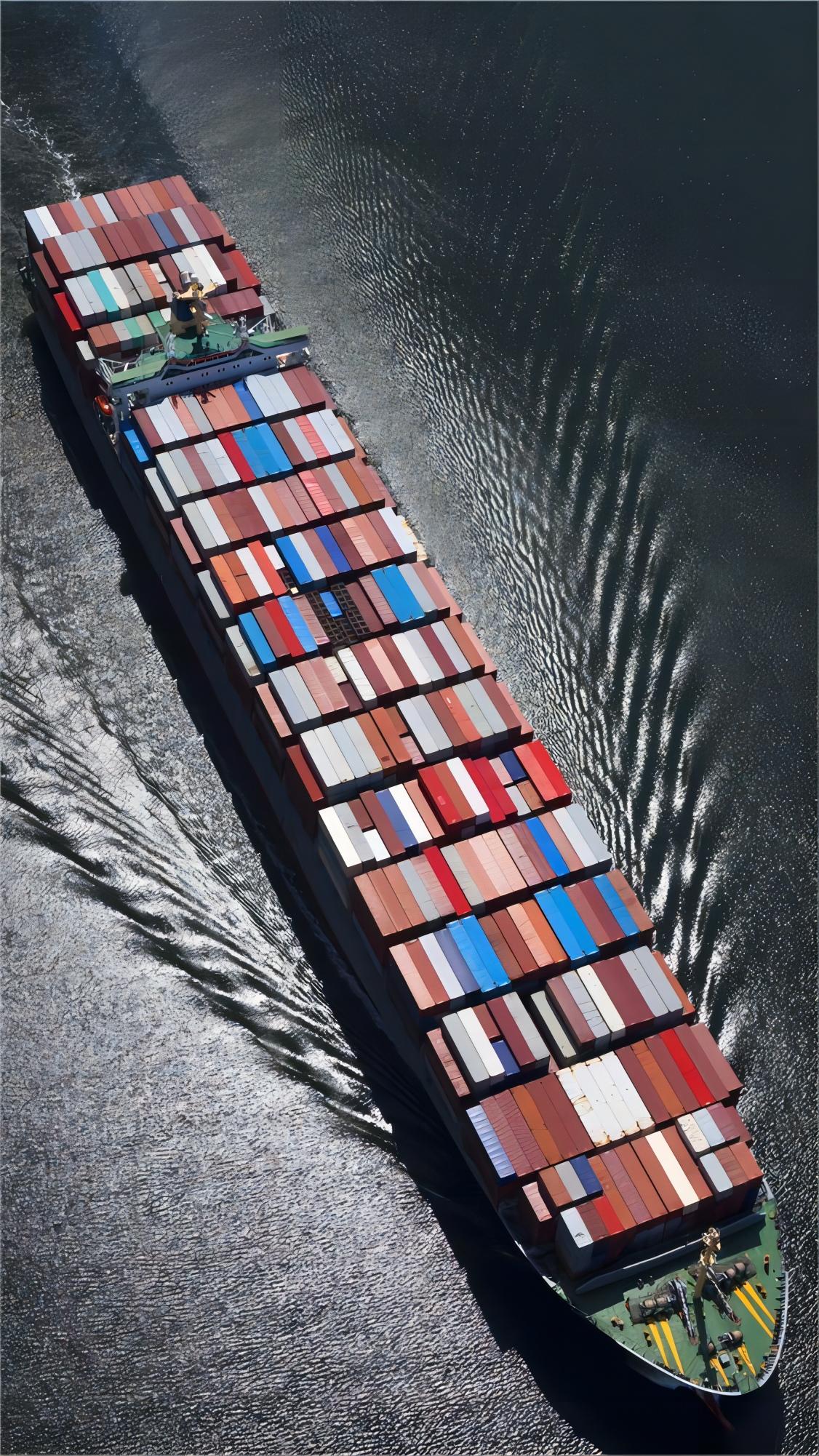
Sea freight predominantly uses massive container ships, ensuring efficient movement of diverse cargo types. These vessels handle everything from raw materials to finished products. Ultimately, choosing sea freight provides a balance of cost-effectiveness, capacity, and environmental responsibility for long-distance shipping.
What Influences China to Australia Sea Freight Costs and Transit Times?
Numerous variables determine the overall cost and transit time for China to Australia sea freight. Understanding these factors is crucial for accurate budgeting and effective supply chain planning. Fluctuating market conditions can also significantly impact final freight rates.
Cargo volume, weight, and the chosen shipping route heavily influence costs. For instance, direct routes offer faster transit but might be pricier. Additionally, port charges, fuel surcharges, and seasonal demand contribute considerably to the total expense.
| Container Type | Estimated Cost (USD) | Average Transit Time (Days) | Best For |
|---|---|---|---|
| 20GP (General Purpose) | $800 – $1,200 | 12 – 18 | Smaller shipments, dense cargo |
| 40GP (General Purpose) | $1,200 – $1,800 | 12 – 18 | Larger volume, standard goods |
| 40HQ (High Cube) | $1,400 – $2,000 | 12 – 18 | Bulky, light cargo needing extra height |
| LCL (per CBM) | $50 – $80 | 15 – 25 | Small volumes, flexible delivery |

Navigating Customs and Documentation for Shipments to Australia
Proper documentation is paramount for seamless China to Australia sea freight. Incomplete paperwork can lead to significant delays and additional costs at customs. Thus, meticulous preparation is essential for international shipping compliance.
Key documents include the Commercial Invoice, Packing List, Bill of Lading, and Certificate of Origin. Specific goods may also require import permits or biosecurity certificates. Consulting with a professional customs brokerage service is highly recommended for ABF compliance.
| Document | Purpose | Importance |
|---|---|---|
| Commercial Invoice | Details of goods and value | Customs valuation, duties |
| Packing List | Content, weight, dimensions | Cargo handling, inspection |
| Bill of Lading (B/L) | Contract of carriage, title to goods | Proof of shipment, ownership |
| Certificate of Origin | Country of manufacture | Preferential duties, trade agreements |
| Import Permit | Authorization for restricted goods | Regulatory compliance for specific items |
How Does China to Australia Sea Freight Compare to Other Shipping Options?
While sea freight is often the most economical choice, it is not the only option for China to Australia. Businesses must weigh speed, cost, and cargo type when selecting a shipping method. This comparison highlights key differences.
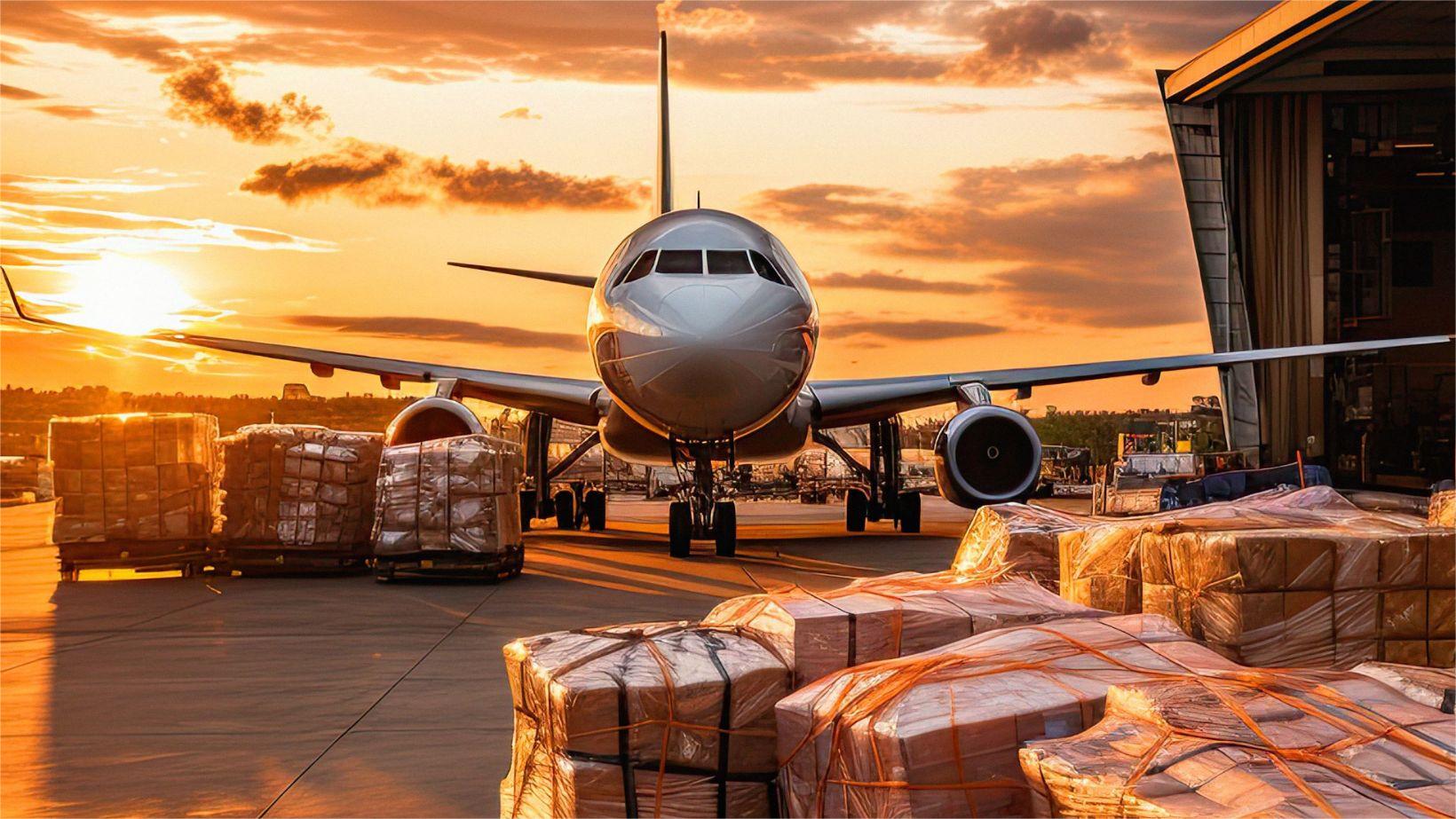
Air freight offers significantly faster transit (3-7 days) but at a much higher cost, suitable for urgent or high-value shipments. Conversely, express service provides door-to-door delivery for small parcels, yet becomes expensive for larger items.
| Shipping Method | Cost Range (per kg/CBM) | Transit Time | Best For | Limitations |
|---|---|---|---|---|
| Sea Freight (FCL) | $0.05 – $0.15/kg (FCL) | 12 – 18 days | Large volumes, heavy goods, cost-effective | Slow, port-to-port only |
| Sea Freight (LCL) | $50 – $80/CBM | 15 – 25 days | Smaller volumes, flexible, longer transit | Consolidation delays |
| Air Freight | $5 – $10/kg | 3 – 7 days | Urgent, high-value, time-sensitive cargo | High cost, weight/size limits |
| Express Service | $8 – $20/kg | 2 – 5 days | Small, urgent packages, samples | Very high cost for larger items |
Strategies for Optimizing Your China to Australia Sea Freight
Optimizing your China to Australia sea freight strategy can lead to substantial savings and improved efficiency. Proactive planning and leveraging expert services are key components. A well-thought-out strategy is invaluable for competitive advantage.
Consider consolidating multiple smaller orders into a single FCL shipment when possible. This reduces per-unit costs compared to multiple LCL shipments. Alternatively, explore reliable Amazon FBA prep and delivery services for end-to-end solutions.
Furthermore, choosing appropriate Incoterms is crucial for defining responsibilities and costs. Leveraging technology for tracking and real-time updates enhances supply chain visibility. For ultimate simplicity, consider door-to-door services that manage the entire process.
Real-World Scenarios: China to Australia Sea Freight in Action
These case studies illustrate practical applications of China to Australia sea freight, highlighting complexities and benefits. They provide insights into various shipping situations and their successful outcomes. Ultimately, expert logistics planning is crucial.
Case Study 1: Importing E-commerce Goods to Sydney
This e-commerce client needed to import home decor items for their online store, prioritizing cost-effectiveness. They chose LCL sea freight for consistent inventory. This minimized inventory holding costs by allowing regular, smaller shipments.
| Detail | Description |
|---|---|
| Route | Shenzhen, China -> Sydney, Australia |
| Cargo | Home decor items, 8 CBM, 1200 kg |
| Container | LCL 8 CBM |
| Shipping Details | Carrier/Service: Major NVOCC; Port of Loading: Shenzhen; Port of Discharge: Sydney; Route Type: Transshipment via Singapore |
| Cost Breakdown | Ocean Freight: $560; Origin Charges (THC, documentation): $150; Destination Charges: $200; Customs & Duties (estimated): $450; Total Landed Cost: $1,360 |
| Timeline | Booking to Loading: 5 days; Sea Transit: 18 days; Customs Clearance: 3 days; Total Door-to-Port: 26 days |
Case Study 2: Large-Scale Industrial Equipment to Melbourne
An Australian manufacturer imported heavy machinery components from Shanghai. FCL was the only viable and economical option due to size and weight. Safety and cost were prioritized.
| Detail | Description |
|---|---|
| Route | Shanghai, China -> Melbourne, Australia |
| Cargo | Industrial machinery parts, 25 CBM, 15,000 kg |
| Container | 40GP |
| Shipping Details | Carrier/Service: COSCO; Port of Loading: Shanghai; Port of Discharge: Melbourne; Route Type: Direct |
| Cost Breakdown | Ocean Freight: $1,600; Origin Charges (THC, documentation): $250; Destination Charges: $300; Customs & Duties (estimated): $800; Total Landed Cost: $2,950 |
| Timeline | Booking to Loading: 7 days; Sea Transit: 14 days; Customs Clearance: 2 days; Total Door-to-Port: 23 days |
Case Study 3: Seasonal Goods to Brisbane
A retail chain imported seasonal outdoor furniture ahead of the Australian summer. They required a balance of cost and reliable delivery schedule. A 40HQ container was chosen for its optimal capacity.
| Detail | Description |
|---|---|
| Route | Ningbo, China -> Brisbane, Australia |
| Cargo | Outdoor furniture, 60 CBM, 8,000 kg |
| Container | 40HQ |
| Shipping Details | Carrier/Service: Maersk; Port of Loading: Ningbo; Port of Discharge: Brisbane; Route Type: Direct |
| Cost Breakdown | Ocean Freight: $1,850 (Q3 peak season rate); Origin Charges (THC, documentation): $280; Destination Charges: $320; Customs & Duties (estimated): $900; Total Landed Cost: $3,350 |
| Timeline | Booking to Loading: 6 days; Sea Transit: 16 days; Customs Clearance: 2 days; Total Door-to-Port: 24 days |
Making the Right Choice: Which China to Australia Shipping Option is Best?
Deciding on the optimal shipping method for your China to Australia sea freight can be complex. Your choice depends on a careful assessment of several critical factors. A structured decision-making process is highly beneficial.
**Budget Priority:** If minimizing costs is paramount, sea freight (FCL or LCL) is the ideal solution for bulk goods. However, this means accepting longer transit times.
**Speed Priority:** For urgent, high-value, or time-sensitive inventory, air freight is the best option. It significantly cuts transit times, ensuring quick delivery. Nevertheless, this speed comes at a premium cost.
**Cargo Type and Volume:** Large, heavy, or bulky items are best suited for sea freight due to container capacity. Conversely, small, light packages are ideal for express services. Mid-range volumes might consider LCL or air freight based on urgency.
**Volume Thresholds:** For shipments exceeding 2 CBM and not urgent, LCL sea freight is cost-effective. Above 15-20 CBM, a dedicated 20GP FCL container often makes more financial sense. A full container offers better security and faster handling.
Consider the overall supply chain impact, including inventory holding costs and potential sales losses. Sometimes, faster shipping, despite higher upfront costs, can result in greater overall profitability. This holistic view is crucial for strategic logistics planning.
Conclusion: Mastering China to Australia Sea Freight
Navigating <span class=”keyword”>China to Australia sea freight</span> successfully demands careful planning, accurate documentation, and an understanding of market dynamics. By considering cost, transit time, and cargo type, businesses can make informed decisions. Ultimately, choosing the right logistics partner is paramount for seamless operations.
Whether opting for FCL, LCL, air freight, or express, the goal remains efficient and secure delivery. We hope this guide empowers you with the knowledge to optimize your shipping strategy. For further assistance and tailored solutions, visit <a href=”https://Top China Freight.com/”>Top China Freight</a>.
Need a tailored shipping solution?
Ready to streamline your China to Australia sea freight operations? Contact our experts today for a personalized consultation and a competitive quote. We are committed to providing reliable, efficient, and cost-effective shipping solutions tailored to your business needs.