
- By TOP CHINA FREIGHT
- September 8, 2025
- Shipping
Table of Contents
Shipping from China to Canada involves navigating various logistics options, each with its own cost structure and transit time. Understanding these can help businesses make informed decisions that balance cost, speed, and reliability.
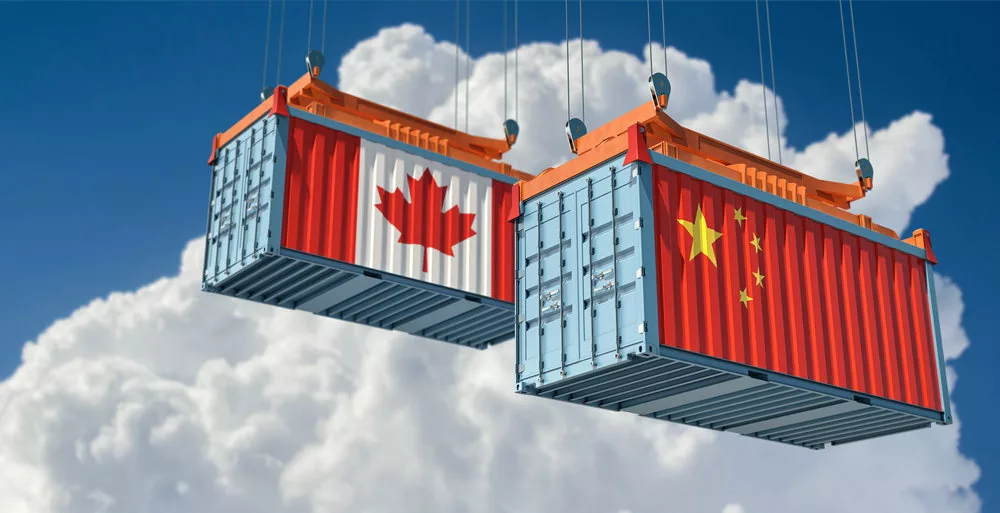
What Are the Main Shipping Methods from China to Canada?

Businesses typically have three main options for shipping from China to Canada: air freight, sea freight, and rail freight. Each method offers distinct advantages and challenges.
Fastest delivery (1–5 days), ideal for high-value, time-sensitive goods. However, it is the most expensive option.
Most cost-effective for bulk shipments. Transit takes 25–30 days depending on the route and port.
Growing in popularity for inland deliveries. It balances cost and speed but is limited to specific routes.
Transitioning between these methods requires careful planning to maintain supply chain efficiency.
Comparison of Shipping Methods
| Shipping Method | Cost Estimate | Transit Time | Pros | Cons |
|---|---|---|---|---|
| Air Freight | $5.50–$6.00/kg | 1–5 days | Fast, reliable | High cost |
| Sea Freight (FCL 20ft) | $3,500–$4,000 | 25–30 days | Economical for bulk | Slow, dependent on port congestion |
| Rail Freight | $2,800–$3,200 | 15–25 days | Balanced cost/speed | Limited routes, less flexible |
How Much Does Air Freight from China to Canada Cost?
Air freight costs depend on weight, volume, and urgency. Businesses should note:
Vancouver:
$5.50/kg for shipments >1,000kg
Toronto/Montreal:
$5.80/kg for standard shipments
Additional charges may include fuel surcharges, airport handling fees, and customs clearance. Companies shipping high-value electronics or medical products often prefer air freight despite higher costs, as it minimizes inventory delays and potential losses.
How Much Does Sea Freight from China to Canada Cost?
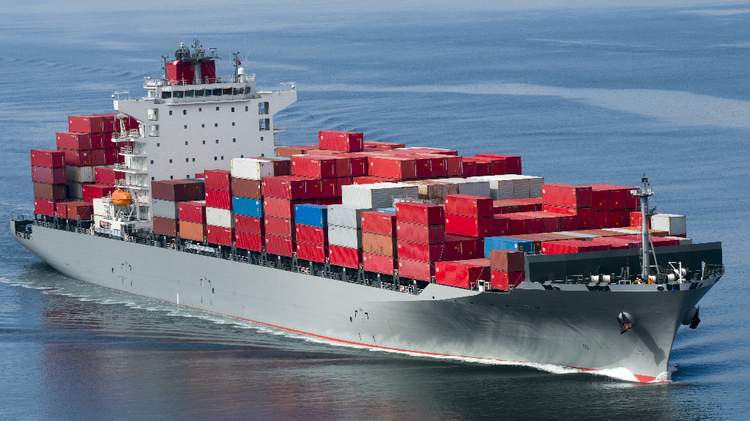
Sea freight is ideal for large-volume shipments. Rates vary by container type and seasonality:
| Container Type | Cost Estimate | Transit Time |
|---|---|---|
| 20ft FCL | $3,500–$4,000 | 25–30 days |
| 40ft FCL | $4,300 | 25–35 days |
| LCL (per CBM) | $50–$100 | 30–45 days |
Factors influencing sea freight cost include port congestion, peak shipping seasons (usually August–October), and fluctuating fuel costs. Consolidating multiple small shipments can significantly reduce per-unit cost.
How Does Rail Freight Compare?

Rail freight offers a compromise between air and sea:
Cost:
Typically 20–30% cheaper than air freight
Transit Time:
Faster than sea, usually 15–25 days
Limitations:
Restricted to major inland hubs; customs delays may occur at border crossings
Rail is especially suitable for industrial machinery or automotive parts needing faster delivery than sea but without the expense of air freight.
What Additional Costs Affect Shipping?
Determined by HS codes, product category, and shipment value
Charges for loading/unloading containers
Recommended to cover damages, losses, or theft
Costs accrue if goods cannot be immediately delivered
Fees for preparing bills of lading, commercial invoices, and certificates of origin
How Long Does Shipping Take from China to Canada?
| Shipping Method | Typical Transit Time |
|---|---|
| Air Freight | 1–5 days |
| Sea Freight | 25–45 days |
| Rail Freight | 15–25 days |
Transit times may vary due to customs delays, weather conditions, and port congestion. Businesses should factor in buffer times to meet delivery schedules.
What Documents Are Required?

Essential documentation ensures compliance and smooth clearance:
| Document | Purpose |
|---|---|
| Commercial Invoice | Details of goods and transaction |
| Packing List | Itemized contents and weights |
| Bill of Lading | Shipping contract between shipper and carrier |
| Certificate of Origin | Verifies product origin |
| Import Permits | Required for restricted products |
| Insurance Certificate | Protects goods in transit |
Maintaining accurate records prevents customs delays and fines.
How Can Businesses Optimize Shipping Costs?
Combine multiple small shipments to fill containers
Frequent shipments often secure better contracts with freight forwarders
Match shipping method to urgency and budget
Avoid peak season surcharges
Reduces volumetric weight and potential damages
Case Analysis: Electronics Shipment from Shenzhen to Toronto
Shipment:
40ft FCL, electronics
Method:
Sea freight
Cost:
$4,000
Transit Time:
28 days
Additional Fees:
$350 customs clearance + $150 insurance
Optimization:
Using a freight forwarder allowed consolidation with other shipments, reducing per-unit cost by 20%
This demonstrates how strategic planning and professional freight management can significantly cut costs.
Common Prohibited or Restricted Items for Shipping from China to Canada
| Item Category | Examples | Reason / Note |
|---|---|---|
| Hazardous Materials | Flammable liquids, explosives, gases | Safety regulations; special permits required |
| Chemicals & Toxic Substances | Pesticides, industrial chemicals | Import restrictions; permits needed |
| Pharmaceuticals & Medicines | Prescription drugs, narcotics | Only licensed importers; documentation mandatory |
| Food & Perishable Goods | Fresh meat, dairy, seafood | CFIA inspection; some items restricted |
| Counterfeit / Pirated Goods | Fake branded products | Illegal; may be seized or fined |
| Live Animals & Plants | Endangered species, seeds | CITES regulations; permits and quarantine |
| Firearms & Weapons | Guns, ammunition, knives | Generally prohibited; licenses required |
| Batteries & Electronics | Lithium-ion batteries | Fire risk; special packaging rules |
Conclusion
Understanding the shipping from China to Canada cost helps businesses plan budgets, choose the right shipping method, and avoid delays. Air freight ensures speed, sea freight is cost-effective for large shipments, and rail offers a balanced option. By consolidating shipments, preparing proper documents, and working with experienced freight forwarders, companies can optimize costs and maintain a smooth supply chain.
Need a Shipping Quote?
If you want expert guidance and peace of mind, our team is ready to assist.
TJ China Freight offers tailored solutions to help businesses of all sizes ship more reliably from China.

FAQs
Q1:What is the cheapest shipping method from China to Canada?
Sea freight is the most economical for large shipments, especially full container loads. It reduces per-unit costs compared to air freight but takes longer. Consolidating multiple shipments can further reduce costs.
Q2:How do I reduce customs duties?
Accurate classification using HS codes and providing complete documentation can lower customs fees. Partnering with a customs broker ensures compliance and minimizes unexpected charges.
Q3:Are there hidden fees I should know about?
Yes, including port handling, storage, and insurance. Transparent communication with your freight forwarder is key to understanding total costs.
Q4:How to decide between air, sea, or rail freight?
Consider shipment size, urgency, and budget. Air is fastest but expensive; sea is cost-effective for bulk; rail balances speed and cost for inland destinations.
Q5:Can I ship hazardous materials?
Yes, but it requires special permits, packaging, and compliance with both Chinese and Canadian regulations. Freight forwarders can manage these requirements.