
China to Dubai: Overland Freight Solutions and Alternatives
Shipping goods from China to Dubai presents unique logistical challenges and opportunities. Businesses often seek the most efficient and cost-effective methods to transport their cargo. Understanding the various freight options, including the nuances of what ‘overland freight’ truly means for this route, is crucial for successful import/export operations. For comprehensive logistics solutions tailored to your needs, visit Top China Freight.

What Does ‘Overland Freight’ Mean for China to Dubai?
Initially, the concept of ‘overland freight China to Dubai’ might conjure images of trucks traversing vast landmasses. However, a direct trucking route between China and the UAE is not practical or common due to immense geographical barriers and complex geopolitical landscapes. Instead, the term often refers to multimodal transport solutions.
Typically, this involves a combination of land-based transport, such as rail, connecting to sea freight. For instance, goods might travel by rail from inland China to a major port or even across Central Asia, subsequently transitioning to ocean vessels for the final leg to Dubai. This approach combines the benefits of different transport modes.

Despite the direct overland limitations, understanding these multimodal possibilities is key. They offer unique advantages in terms of cost and speed for specific types of cargo and origins within China. Therefore, exploring these combined strategies is essential for optimizing your supply chain from China to the UAE.
Sea Freight: The Backbone of China to Dubai Shipping
Without a doubt, sea freight remains the most prevalent and cost-effective method for shipping goods from China to Dubai. It is particularly suitable for large volumes, heavy cargo, and non-urgent shipments. Consequently, businesses relying on bulk imports frequently opt for ocean transport.
There are primarily two options for sea freight: Full Container Load (FCL) and Less than Container Load (LCL). FCL involves using an entire container for your goods, offering security and faster transit. Conversely, LCL allows sharing container space with other shippers, which is ideal for smaller shipments.
Major ports in China, such as Shanghai, Ningbo, Shenzhen, and Guangzhou, offer regular sailings to Jebel Ali Port in Dubai. The transit time typically ranges from 18 to 30 days, depending on the origin port and specific service route. Furthermore, freight rates are influenced by factors like vessel capacity, fuel costs, and peak seasons.
For comprehensive sea freight solutions, including FCL and LCL options, partners like Top China Freight provide reliable services. They manage everything from port-to-port logistics to destination delivery.
Air Freight: Speed and Efficiency for Time-Sensitive Cargo
When speed is paramount, air freight offers an unparalleled solution for shipping from China to Dubai. This method is perfect for high-value goods, perishable items, and urgent deliveries. Consequently, businesses with tight deadlines often prioritize air transport.
Air cargo services typically operate from major Chinese airports like Shanghai Pudong (PVG), Guangzhou Baiyun (CAN), and Beijing Capital (PEK) to Dubai International Airport (DXB) or Al Maktoum International Airport (DWC). Transit times are significantly shorter, usually ranging from 3 to 7 days.
While air freight costs are considerably higher than sea freight, the reduced transit time can lead to quicker inventory turnover and improved cash flow. Moreover, it minimizes the risk of damage for delicate items due to less handling. Understanding the balance between speed and shipping costs is vital.
Explore air freight options for your time-critical shipments. Professionals can help you navigate customs and ensure swift delivery.
Multimodal Solutions: Leveraging Rail and Sea for Flexibility
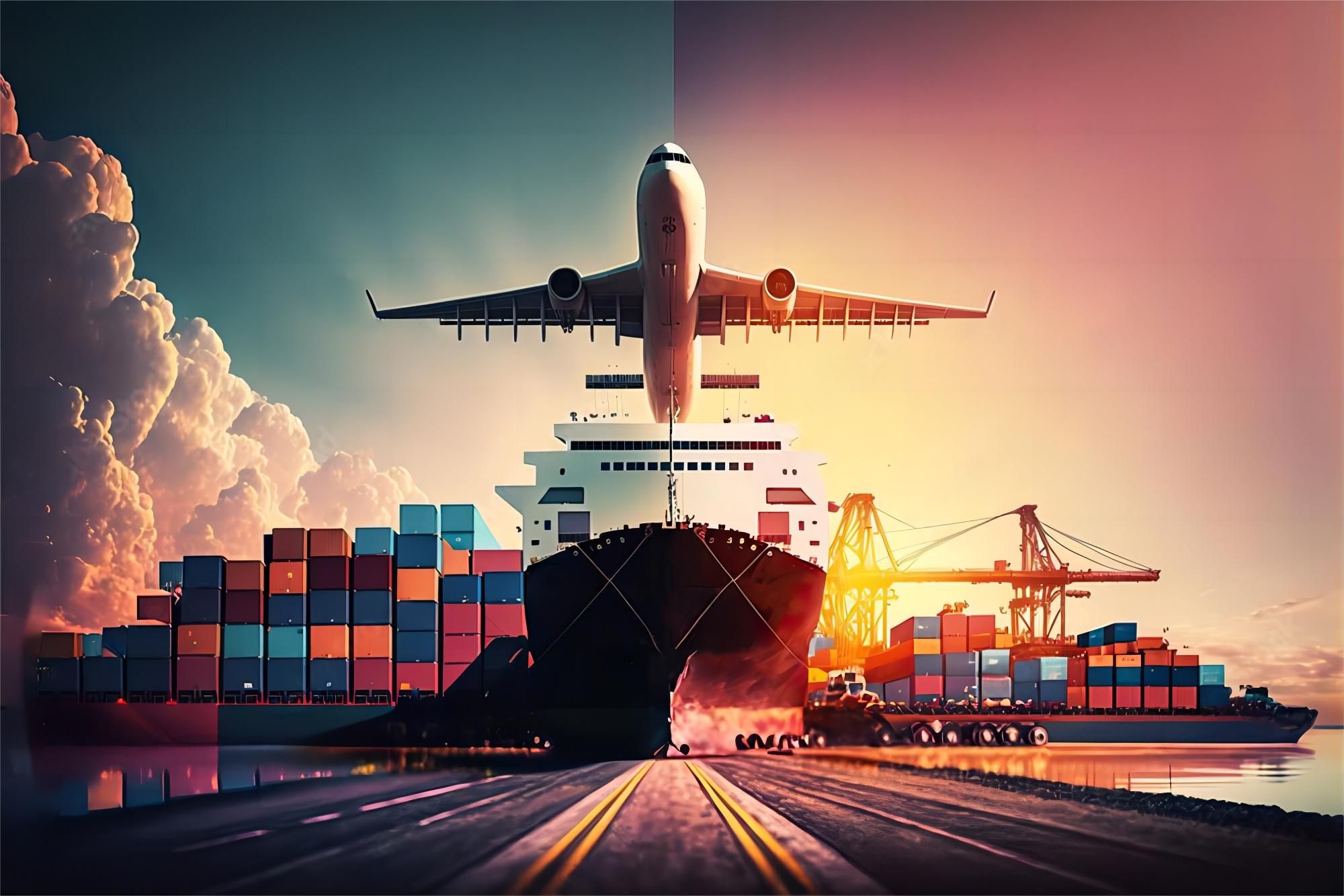
For shippers looking for a balance between speed and cost, multimodal solutions often provide an attractive alternative. This approach combines the advantages of different transportation modes. Specifically, integrating rail freight with sea freight can create efficient new trade routes.
Goods can travel by rail freight from inland Chinese cities along the New Silk Road routes towards Central Asia or even Europe. From there, cargo can be transshipped via sea to Dubai. This method bypasses some of the longer ocean transit times from eastern Chinese ports.
Such hybrid solutions can reduce overall transit time compared to pure sea freight from eastern China, while remaining more economical than air freight. However, they require meticulous planning and coordination between different carriers and customs points. Navigating these complex logistics demands expert assistance.
Consider this option if your origin is inland China and you seek a middle-ground solution. It can significantly enhance your supply chain resilience and delivery schedule.
Key Factors Influencing Your China to Dubai Shipping Decisions
Several critical factors dictate the optimal shipping strategy for your cargo from China to Dubai. Understanding these elements is essential for making informed decisions. Consequently, careful consideration of each aspect can lead to significant savings and improved efficiency.
Firstly, the nature of your cargo, including its dimensions, weight, and fragility, plays a significant role. Perishable goods, for example, require faster transit and specialized handling. Secondly, your budget constraints directly influence the choice between cost-effective sea freight and premium air freight.
Furthermore, the urgency of your shipment is a primary determinant. Time-sensitive deliveries necessitate air transport, whereas standard lead times allow for sea freight. Finally, customs regulations and documentation requirements for both China and the UAE are paramount. Proper preparation prevents delays.
Additionally, the reliability and reputation of your freight forwarder are crucial. A seasoned partner can navigate potential challenges, ensuring smooth import/export operations. They can also advise on optimal delivery schedule strategies.
How Do Shipping Methods Compare for China to Dubai?
Choosing the right shipping method from China to Dubai requires a clear understanding of each option’s trade-offs. Each mode offers distinct advantages and disadvantages. Therefore, a comparative analysis is instrumental in making an informed decision for your specific needs.
While direct ‘overland freight’ via trucking is impractical, multimodal rail-sea offers a unique blend. Below is a comparison of the most common and viable shipping methods, including their typical costs, transit times, and ideal applications. This overview helps clarify the best approach.
Note: Freight rates are subject to change based on fuel costs, carrier capacity, and seasonal demand. Contact us for a current quote tailored to your specific shipment. Based on Q1 2025 market conditions, these ranges provide a general guideline.
| Shipping Method | Cost Range (per kg/CBM) | Transit Time | Best For | Limitations |
|---|---|---|---|---|
| Sea Freight (FCL) | $2,800-4,200 (40HQ container) | 18-30 days | Large volumes, heavy goods, non-urgent shipments | Slowest, potential port congestion |
| Sea Freight (LCL) | $60-120 (per CBM) | 20-35 days | Smaller shipments, cost-sensitive cargo | Longer transit than FCL, more handling |
| Air Freight | $4-8 (per kg) | 3-7 days | Urgent, high-value, perishable goods | Most expensive, volume/weight restrictions |
| Multimodal (Rail-Sea) | $180-350 (per CBM) | 15-25 days | Inland China origins, balance of speed/cost | Complex logistics, multiple transshipment points |
Which Option Should You Choose? A Decision Framework
Selecting the ideal shipping solution depends heavily on your business priorities and cargo specifics. A structured decision-making process can streamline this choice. Consider these key criteria to determine the most suitable transport method for your China to Dubai shipments.
If budget is your primary concern, sea freight, particularly LCL, is usually the most economical choice for most cargo types. However, this comes with longer transit times. Conversely, for speed priority, air freight is the undisputed winner, albeit at a higher cost.
Cargo type considerations are also critical. For instance, delicate electronics or pharmaceuticals benefit from the faster, more secure handling of air freight. Meanwhile, bulk commodities like raw materials or machinery are best suited for FCL sea freight. Volume thresholds for switching methods are important; typically, shipments over 15 CBM make FCL sea freight more cost-effective than LCL.
Additionally, hybrid solutions like rail-sea can be optimal for specific inland China origins. They offer a balanced approach, mitigating some trade-offs. Always consider the total supply chain implications, not just the freight rate, when making your decision.
Navigating Customs and Documentation for China to Dubai
Successful shipping from China to Dubai hinges significantly on efficient customs clearance and accurate documentation. Both exporting from China and importing into the UAE involve strict regulations. Therefore, meticulous preparation is essential to avoid delays and penalties.
Key documents typically include the commercial invoice, packing list, bill of lading (for sea freight) or air waybill (for air freight), certificate of origin, and potentially product-specific licenses or permits. The UAE has specific import requirements, including conformity assessments for certain goods. Many businesses leverage customs brokerage services to ensure compliance.
Working with an experienced freight forwarder is invaluable here. They can guide you through the complexities, ensuring all paperwork is correctly prepared and submitted. This proactive approach minimizes customs delays and streamlines the entire import/export process. Moreover, understanding duties and taxes beforehand helps manage shipping costs.
Ensuring compliance with both Chinese export and UAE import regulations is crucial for smooth cargo handling. Proper documentation helps prevent unexpected issues at either end of the supply chain.
Real-World Case Studies for China to Dubai Shipping
Understanding how different shipping strategies play out in real-world scenarios offers invaluable insights. These case studies highlight the diverse needs of businesses and the tailored solutions available. They demonstrate the practical application of various freight options.
These examples reflect typical shipping costs and transit times as of Q3 2024, acknowledging that rates fluctuate. They provide a realistic perspective on importing from China to Dubai.
Note: These figures are estimates based on market averages and can vary significantly. Always request a current quote for precise pricing.
Case Study 1: Large Volume Electronics via Sea Freight
This case illustrates the efficiency of sea freight for substantial, non-urgent cargo.
| Detail | Description | ||||
|---|---|---|---|---|---|
| Route | Shanghai, China Jebel Ali, Dubai | ||||
| Cargo | Consumer Electronics, 60 CBM, 15,000 kg | ||||
| Container | 2 x 40HQ | ||||
| Shipping Details | Carrier: COSCO, Port of Loading: Shanghai, Port of Discharge: Jebel Ali, Route Type: Direct | ||||
| Cost Breakdown (Estimated) | Ocean Freight: $7,500 | Origin Charges: $800 | Destination Charges: $700 | Customs & Duties: $1,200 | Total Landed Cost: $10,200 |
| Timeline | Booking to Loading: 5 days | Sea Transit: 22 days | Customs Clearance: 3 days | Total Door-to-Door: 30 days | |
| Key Insight | Cost-effective for bulk electronics; potential for minor delays during peak season (Q4) due to port congestion, but overall reliable. |
Case Study 2: Urgent Fashion Apparel via Air Freight
This example demonstrates the critical role of air freight for time-sensitive fashion items.
| Detail | Description | ||||
|---|---|---|---|---|---|
| Route | Guangzhou, China Dubai International Airport (DXB) | ||||
| Cargo | High-fashion apparel, 3 CBM, 500 kg | ||||
| Container | Air Cargo | ||||
| Shipping Details | Carrier: Emirates SkyCargo, Airport of Loading: Guangzhou, Airport of Discharge: DXB, Service: Express Air Freight | ||||
| Cost Breakdown (Estimated) | Air Freight: $3,000 | Origin Charges: $200 | Destination Charges: $150 | Customs & Duties: $300 | Total Landed Cost: $3,650 |
| Timeline | Booking to Loading: 2 days | Air Transit: 2 days | Customs Clearance: 1 day | Total Door-to-Door: 5 days | |
| Key Insight | Premium cost justified by rapid delivery, crucial for fast-moving consumer goods. Smooth customs clearance with pre-filed documents. |
Case Study 3: Machinery Parts via Multimodal Rail-Sea
This case highlights a multimodal approach for specialized industrial components from inland China.
| Detail | Description | ||||
|---|---|---|---|---|---|
| Route | Chongqing, China Jebel Ali, Dubai | ||||
| Cargo | Industrial Machinery Parts, 20 CBM, 8,000 kg | ||||
| Container | 1 x 20GP | ||||
| Shipping Details | Carrier: China Railway Express + MSC, Port of Loading: Hamburg (after rail), Port of Discharge: Jebel Ali, Route Type: Rail-Sea via Europe | ||||
| Cost Breakdown (Estimated) | Rail Freight (Chongqing-Hamburg): $4,000 | Ocean Freight (Hamburg-Jebel Ali): $1,500 | Origin/Destination Charges: $500 | Customs & Duties: $800 | Total Landed Cost: $6,800 |
| Timeline | Booking to Loading: 7 days | Rail Transit: 18 days | Sea Transit: 10 days | Customs Clearance: 3 days | Total Door-to-Door: 38 days |
| Key Insight | Effective for inland origins, offering a cost-speed balance. Requires careful coordination at transshipment points; potential for longer total transit due to multiple handoffs. |
Optimizing Your Supply Chain: Tips for Efficient Logistics
Achieving an efficient supply chain from China to Dubai involves more than just selecting a shipping method. Strategic planning and proactive management are key. Implementing best practices can significantly reduce shipping costs and improve delivery schedules.
Consider consolidating multiple smaller shipments into one larger consignment whenever possible. This can lead to substantial savings on LCL rates or even justify a full container. Furthermore, explore Amazon FBA services if you are an e-commerce seller, as they offer specialized logistics solutions.
Moreover, partnering with a reliable freight forwarder is paramount. They provide expertise in route optimization, customs compliance, and risk management. Their network and experience can prevent costly delays and ensure smooth cargo handling. Always negotiate terms and understand all associated charges.
Finally, staying informed about logistics trends and market conditions, such as peak season surcharges or changes in trade regulations, helps in proactive decision-making. Utilizing door-to-door services can further simplify your logistics, offering end-to-end management.
Market Insights and Future Trends in China-Dubai Shipping
The shipping landscape between China and Dubai is constantly evolving, influenced by global economic shifts and geopolitical events. Staying abreast of these market dynamics is crucial for effective supply chain management. Current logistics trends shape future strategies.
As of Q1 2025, freight rates from China to Dubai have largely stabilized after the volatility seen in previous years due to global disruptions. However, seasonal patterns continue to influence pricing; rates typically increase 15-25% during August-October peak season leading up to holidays. Early booking is always advisable.
Industry data suggests a growing emphasis on sustainability and digitalization within the logistics sector. Companies are increasingly seeking eco-friendly shipping options and leveraging technology for better tracking and transparency. Understanding these shifts helps businesses adapt and remain competitive.
Furthermore, advancements in infrastructure, including new rail links and port expansions, continue to enhance connectivity and potentially introduce new multimodal options. This continuous evolution impacts delivery schedule and overall shipping costs. Always consult with experts for the latest market intelligence.
Conclusion: Navigating Your China to Dubai Freight Effectively
In conclusion, while direct ‘overland freight China to Dubai’ in the traditional sense is not feasible, a range of highly effective and reliable shipping solutions exist. Businesses can choose between cost-efficient sea freight, rapid air freight, and balanced multimodal options combining rail and sea. Each method offers distinct advantages depending on your cargo, budget, and urgency.
Making an informed decision requires careful consideration of shipping costs, transit time, customs regulations, and the nature of your goods. Partnering with an experienced freight forwarder is paramount for navigating these complexities. Ultimately, a well-planned logistics strategy ensures smooth import/export operations and contributes to the success of your supply chain from China to the UAE.
Need a tailored shipping solution?
Ready to optimize your shipping from China to Dubai? Contact us today for a personalized quote and expert guidance on the best freight solutions for your business. Let Top China Freight streamline your logistics. Visit Top China Freight to learn more.