
China to Europe Freight Train: Your Ultimate Shipping Guide
Navigating the complexities of international shipping from China to Europe requires strategic planning. Fortunately, the China to Europe freight train offers a reliable and increasingly popular solution for businesses seeking a balance between speed and cost. This comprehensive guide will explore how this vital rail link can streamline your logistics and enhance your supply chain efficiency. For expert assistance with your freight needs, visit Top China Freight.
Why Choose the China to Europe Freight Train?
The China to Europe freight train service, often referred to as the New Silk Road rail, has emerged as a crucial component of global trade. It offers a compelling alternative to traditional sea and air freight, particularly for time-sensitive cargo. Consequently, businesses can benefit from faster delivery schedules compared to ocean shipping, without the premium cost associated with air freight.
Indeed, this rail connection significantly reduces transit time, typically cutting weeks off ocean voyages. Moreover, it provides enhanced security for goods and is a more environmentally friendly option than air transport. Many importers and exporters are now leveraging this route for reliable supply chain management.
Understanding China to Europe Freight Train Routes and Transit Times
The extensive network of China to Europe freight train routes connects major Chinese manufacturing hubs with key European distribution centers. Principal departure cities include Chongqing, Chengdu, Xi’an, and Zhengzhou. These trains traverse various countries, including Kazakhstan, Russia, Belarus, and Poland, before reaching destinations like Hamburg, Duisburg, and Warsaw.
Generally, transit times for the China to Europe freight train range from 15 to 20 days. This duration can vary based on the specific origin and destination, border crossing procedures, and seasonal demands. For instance, a shipment from Xi’an to Hamburg might take approximately 16-18 days. This predictability is a major advantage for planning delivery schedules.
Furthermore, multiple routes exist, each with slightly different transit times and operational efficiencies. Companies often choose routes based on their final destination within Europe and specific delivery requirements. Understanding these nuances is key to optimizing your logistics strategy.
How Does the China to Europe Freight Train Compare to Other Shipping Options?
When planning international shipments, comparing different modes of transport is essential. The China to Europe freight train strikes a unique balance between speed, cost, and capacity. Therefore, it fills a critical gap between slow, inexpensive sea freight and fast, expensive air freight. Evaluating your specific needs will determine the most suitable option.
For instance, while sea freight remains the most economical for bulk goods, its transit times can extend to 35-45 days. Conversely, air freight offers speed, delivering cargo in 3-7 days, but at a significantly higher price point. The rail option provides a middle ground, ensuring quicker delivery than sea and more affordability than air.
| Shipping Method | Cost Range (40HQ/1000kg) | Transit Time | Best For | Limitations |
|---|---|---|---|---|
| Rail Freight | $6,000-10,000 | 15-20 days | Mid-value, time-sensitive goods | Less flexible routes than sea |
| Sea Freight | $3,000-4,200 | 30-45 days | Bulk, non-urgent, heavy cargo | Slowest, port congestion |
| Air Freight | $15,000-25,000 | 3-7 days | High-value, urgent, small cargo | Highest cost, limited capacity |
| Express Service | $20,000-40,000 | 2-5 days | Small parcels, extremely urgent | Very high cost, weight/size limits |
Sea Freight Alternatives
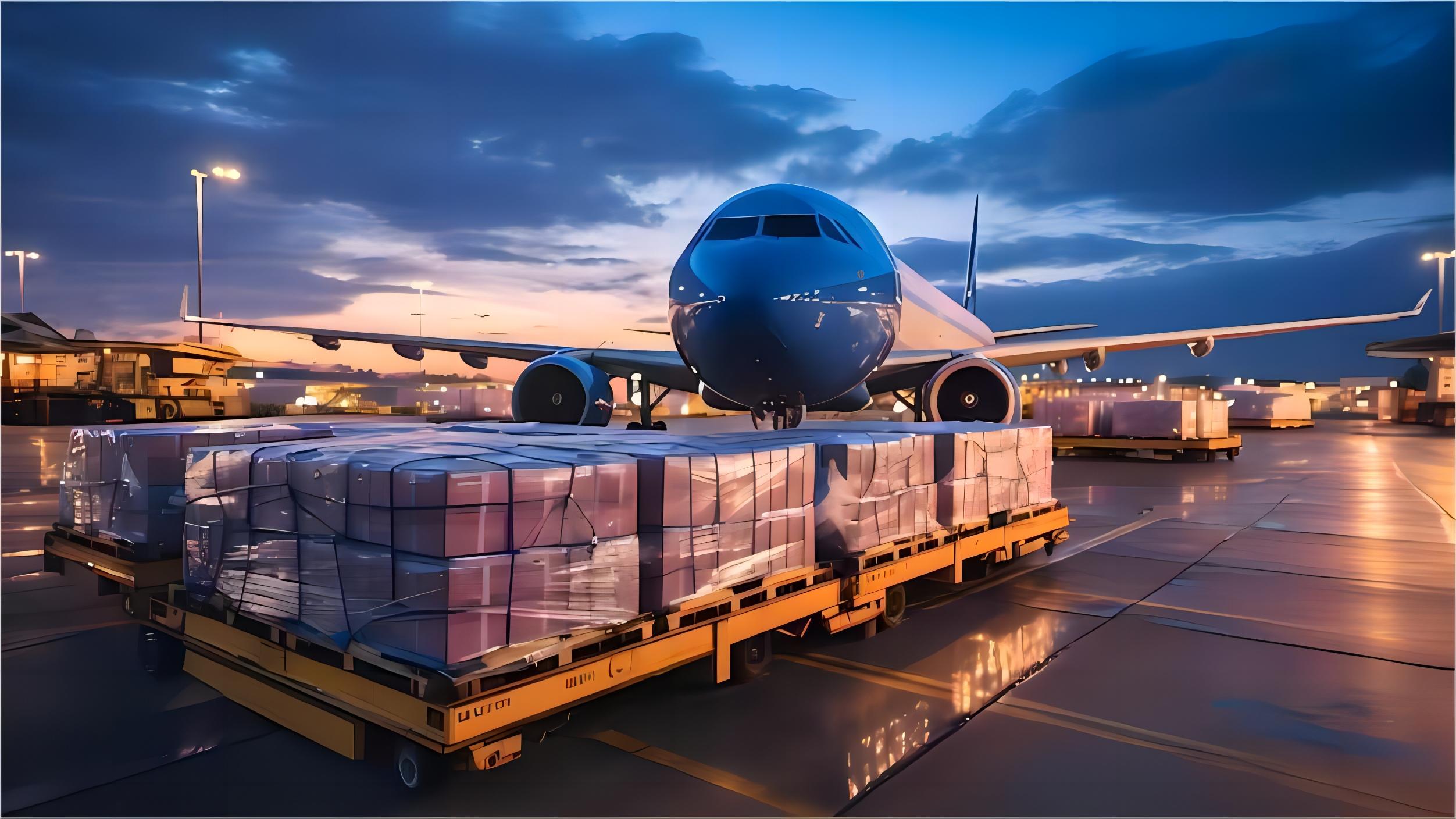
Sea freight is ideal for large volume, non-urgent shipments, offering the lowest cost per unit. However, port congestion and longer transit times can impact supply chain agility. For shipments under 15 CBM, LCL sea freight might be more economical than a full container, though still slower than rail.
Moreover, direct routes cost 10-15% more but save 5-7 days compared to transshipment via Singapore or Port Klang. While sea freight costs $2,000-3,500 for a 40HQ (as of Q1 2025), the transit can be 30-40 days. Therefore, the China to Europe freight train offers a significant time advantage.
Air Freight Considerations
Air freight is unmatched for speed, delivering critical goods within days. However, its high cost makes it unsuitable for most bulk cargo. For urgent or high-value items, air freight services are indispensable. A typical air freight shipment for a comparable volume might cost $15,000-25,000, arriving in 5-7 days.
Furthermore, air cargo capacity can be limited, especially during peak seasons, leading to potential delays and increased rates. The environmental impact of air freight is also considerably higher than rail, prompting businesses to seek greener alternatives.
Hybrid Solutions for Speed and Cost
Sometimes, a combination of transport methods offers the best solution. For example, a sea-air hybrid might involve shipping by sea to a hub like Dubai, then by air to Europe. This approach balances cost and speed, though it adds complexity to logistics planning. Another option is a rail-sea combination, utilizing the China to Europe freight train for the initial leg.
Indeed, these hybrid strategies are becoming more common as businesses seek flexible supply chain solutions. They allow for optimizing different segments of the journey based on specific requirements and budget constraints. Careful planning is crucial for successful implementation.
Navigating Costs: China to Europe Freight Train Rates Explained
Understanding the cost structure of the China to Europe freight train is vital for budgeting and financial planning. Freight rates are influenced by several factors. These include the origin and destination, cargo type, container size, and current market demand. Typically, rail freight is more expensive than sea freight but significantly cheaper than air freight.
As of Q1 2025, container rates for a 40HQ on the China to Europe freight train can range from $6,000 to $10,000. This price usually includes the rail freight, terminal handling charges (THC), and customs clearance at the origin. However, additional costs like destination charges, duties, and last-mile delivery will apply.
Moreover, seasonal fluctuations and global logistics trends can impact pricing. Rates often increase during peak shipping seasons, such as before major holidays. Therefore, securing quotes well in advance is advisable to mitigate unexpected expenses. Always request a detailed breakdown of all charges for transparency. Note: Freight rates are subject to change based on fuel costs, carrier capacity, and seasonal demand. Contact us for a current quote tailored to your specific shipment.
Essential Documentation and Customs for China Europe Rail Freight
Successful China to Europe freight train shipments depend heavily on accurate documentation and smooth customs procedures. Exporters must prepare a comprehensive set of documents. These include the commercial invoice, packing list, bill of lading (or rail waybill), and export customs declaration. Inaccuracies can lead to significant delays and additional costs.
Upon arrival in Europe, goods undergo import customs clearance. This process requires the importer to provide necessary permits, certificates of origin, and comply with EU regulations. Engaging a reliable customs brokerage service is highly recommended. Professional brokers ensure all documentation is correct and submitted on time, preventing potential issues.
Furthermore, specific product types may require additional certifications or inspections. For example, certain electronics or food products have stringent import requirements. Consequently, understanding these regulations beforehand is crucial for a seamless transit. Proper preparation mitigates risks and ensures timely delivery.
| Document Type | Purpose | Issuing Party | Notes |
|---|---|---|---|
| Commercial Invoice | Details of goods, value, terms of sale | Exporter | Used for customs valuation |
| Packing List | Contents of each package, weight, dimensions | Exporter | Aids in cargo verification |
| Rail Waybill (CMR) | Contract of carriage, ownership proof | Carrier | Equivalent to Bill of Lading for rail |
| Export Declaration | Formal declaration to Chinese Customs | Exporter/Agent | Required for outbound clearance |
| Import Declaration | Formal declaration to EU Customs | Importer/Broker | Required for inbound clearance |
| Certificate of Origin | Proves country of manufacture | Chamber of Commerce | May qualify for tariff reductions |
Real-World Success: Case Studies of China to Europe Freight Train Shipments
Numerous businesses have successfully leveraged the China to Europe freight train for their logistics needs. These real-world examples highlight the efficiency and reliability of this shipping method. They demonstrate how proper planning and execution can lead to significant supply chain advantages. These scenarios illustrate typical transit times and cost structures.
Market data suggests that companies specializing in electronics, automotive parts, and e-commerce goods frequently choose rail. This preference is due to the balance of speed and cost. These case studies provide practical insights into optimizing cargo handling and delivery schedules.
Case Study 1: Electronics from Chongqing to Duisburg
This case involves a German electronics distributor importing consumer electronics. They opted for the China to Europe freight train to reduce lead times compared to sea freight. The shipment was crucial for a new product launch, requiring predictable delivery.
The client appreciated the consistent transit time and the reduced carbon footprint of rail transport. This successful delivery allowed them to meet market demand effectively. It also helped maintain competitive pricing without compromising on delivery speed.
| Detail | Value |
|---|---|
| Route | Chongqing, China -> Duisburg, Germany |
| Cargo | Consumer Electronics, 60 CBM, 15,000 kg |
| Container | 2 x 40HQ |
| Shipping Method | Rail Freight |
| Carrier/Service | China Railway Express |
| Port of Loading | Chongqing Rail Port |
| Port of Discharge | Duisburg Intermodal Terminal |
| Route Type | Direct |
| Rail Freight (est. Q1 2025) | $14,500 (for 2x40HQ) |
| Origin Charges | $800 |
| Destination Charges | $1,200 |
| Customs & Duties (estimated) | $3,500 |
| Total Landed Cost (est.) | $20,000 |
| Booking to Loading | 5 days |
| Rail Transit | 17 days |
| Customs Clearance | 2 days |
| Total Door-to-Door | 24 days |
| Key Insight | Achieved faster market entry for new products compared to sea freight. |
Case Study 2: Automotive Parts from Xi’an to Warsaw
A Polish automotive manufacturer needed a steady supply of components from China for their production line. They chose the China to Europe freight train to ensure just-in-time delivery. Reliability and consistent transit were paramount to avoid production stoppages.
This shipment demonstrated the rail service’s capability for time-critical industrial goods. The predictable arrival times greatly assisted the manufacturer in managing their inventory and production schedule. It proved to be a cost-effective alternative to air freight for regular replenishment.
| Detail | Value |
|---|---|
| Route | Xi’an, China -> Warsaw, Poland |
| Cargo | Automotive Parts, 25 CBM, 8,000 kg |
| Container | 1 x 40GP |
| Shipping Method | Rail Freight |
| Carrier/Service | Major Rail Operator |
| Port of Loading | Xi’an Rail Port |
| Port of Discharge | Małaszewicze/Warsaw Terminal |
| Route Type | Direct |
| Rail Freight (est. Q1 2025) | $7,200 (for 1x40GP) |
| Origin Charges | $450 |
| Destination Charges | $700 |
| Customs & Duties (estimated) | $2,000 |
| Total Landed Cost (est.) | $10,350 |
| Booking to Loading | 4 days |
| Rail Transit | 18 days |
| Customs Clearance | 3 days |
| Total Door-to-Door | 25 days |
| Key Insight | Maintained consistent supply chain for critical automotive components, avoiding production delays. |
Optimizing Your Supply Chain with Rail Freight
Integrating the China to Europe freight train into your supply chain strategy can yield significant benefits. It offers a robust solution for businesses looking to enhance their logistics trends. This method is particularly attractive for industries with high-value goods that require faster delivery than sea freight but do not justify air freight costs.
Moreover, the reliability of rail schedules helps in better inventory management and reduced warehousing costs. Companies can plan their stock levels more accurately, minimizing the risk of overstocking or stockouts. This contributes to a leaner, more efficient operation.
Furthermore, advancements in tracking technology provide real-time visibility of cargo, enhancing security and transparency. Utilizing door-to-door services can further simplify the process. This allows businesses to focus on their core competencies while logistics experts manage the complex journey.
Which China to Europe Freight Train Option Should You Choose?
Deciding on the best shipping method, including the China to Europe freight train, depends on several key factors. Your budget, desired speed, and the nature of your cargo are primary considerations. Therefore, a careful assessment of these elements will guide your decision-making process.
For instance, if your budget is the top priority, sea freight will likely be your best option, provided you have ample time. However, if speed is paramount for urgent shipments, air freight or express service is unavoidable. The China to Europe freight train offers a compelling middle ground for many scenarios.
Budget Priority
If cost-effectiveness is your main concern and transit time is flexible, consider sea freight. It offers the lowest freight rates for large volumes. However, be prepared for longer delivery schedules and potential port delays. LCL options are available for smaller volumes.
Additionally, for slightly faster but still budget-friendly options, the China to Europe freight train provides a good balance. It reduces transit time significantly compared to ocean shipping without the high cost of air freight.
Speed Priority
For urgent shipments where time is critical, air freight is the fastest option. It ensures your goods reach Europe within days. However, this comes at a premium cost, which can impact your profit margins. Express services are even faster for smaller, time-critical parcels.
Consequently, if you need a faster solution than sea freight but air freight is too expensive, the China to Europe freight train is an excellent alternative. It offers a reliable and relatively quick transit time, typically 15-20 days.
Cargo Type Considerations
The type of cargo also dictates the best shipping method. Perishable goods or high-value items often benefit from faster transit, making air or rail freight more suitable. Conversely, bulky, low-value commodities are typically best transported via sea freight. Proper cargo handling is crucial for all methods.
For example, electronics or automotive parts are well-suited for the China to Europe freight train due to its speed and security. Furthermore, for businesses leveraging platforms like Amazon FBA, timely and predictable delivery is crucial. Exploring Amazon FBA shipping solutions via rail can optimize inventory flow.
The Future of China to Europe Freight Train Logistics
In conclusion, the China to Europe freight train has firmly established itself as a vital artery in global trade. It offers a compelling blend of speed, cost-effectiveness, and reliability, positioning it as an attractive option for diverse industries. As supply chains evolve, this rail link will continue to play a pivotal role in connecting Asian manufacturing with European markets.
Businesses prioritizing efficient delivery schedules and balanced shipping costs will find the China to Europe freight train an indispensable tool. It represents a strategic advantage for those looking to enhance their logistics capabilities and maintain a competitive edge. Embracing this modern Silk Road can unlock new possibilities for your international trade operations.
Ready to streamline your logistics?
Ready to optimize your shipping strategy from China to Europe? Explore the benefits of the China to Europe freight train with our expert team. Contact us today for a personalized quote and discover how we can streamline your logistics.
Request Quote