
China to India Freight Charges: Your Ultimate Guide
Navigating the complexities of international shipping, particularly understanding China to India freight charges, is crucial for businesses aiming for efficient and cost-effective logistics. These charges can vary significantly, depending on numerous factors and chosen shipping methods. This comprehensive guide from Top China Freight will demystify the costs, transit times, and essential considerations for your shipments.
What Factors Influence China to India Freight Charges?
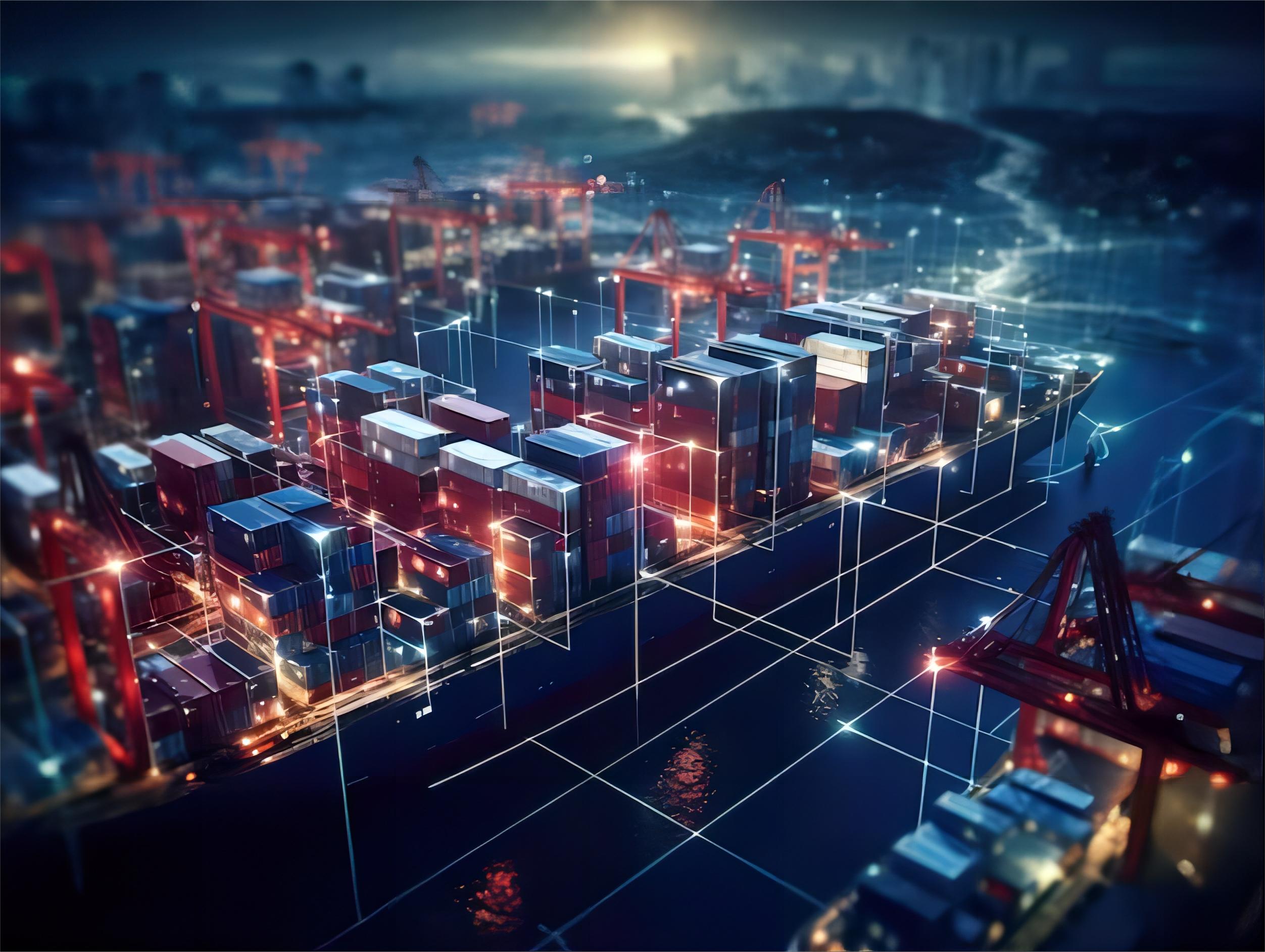
Several critical elements collectively determine the final China to India freight charges. Indeed, understanding these variables is the first step toward effective budget planning and supply chain management. Consequently, shippers must consider each factor carefully to avoid unexpected costs.
Firstly, the type and volume of your cargo significantly impact pricing. For instance, bulky, low-value goods are typically more suited for sea freight, while high-value or urgent items often warrant air freight. Moreover, the specific Incoterms chosen for your shipment dictate who bears the responsibility and cost at various stages of the journey, directly influencing the overall freight charges. This clarity is paramount for all parties involved.
Furthermore, global fuel prices, seasonal demand fluctuations, and port congestion can introduce additional surcharges or alter base rates. Therefore, staying informed about market trends is essential for accurate cost estimation. Additionally, origin and destination port charges, as well as any special handling requirements, contribute to the total expenditure. All these elements demand careful consideration for precise financial forecasting.
Comparing Shipping Methods: China to India Freight Charges
When shipping goods from China to India, businesses have several primary options, each with distinct cost structures and transit times. Selecting the right method is crucial for balancing speed, cost, and cargo suitability. Therefore, a thorough comparison is highly recommended before making a decision.
This table provides a high-level overview of the main shipping methods available. Undoubtedly, each option presents unique advantages and disadvantages that must be weighed against your specific business needs. Understanding these differences empowers you to make informed logistical choices.
| Shipping Method | Cost Range (per kg/CBM) | Transit Time (Avg.) | Best For |
|---|---|---|---|
| Sea Freight (FCL/LCL) | $50-100/CBM | 15-25 days | Large, heavy, non-urgent cargo |
| Air Freight | $3-6/kg | 3-7 days | Urgent, high-value, perishable goods |
| Express Service | $6-12/kg | 2-5 days | Small parcels, samples, time-critical documents |
How Do Sea Freight and Air Freight Compare for China to India?
The choice between sea and air freight often presents the most significant dilemma for importers, as each method caters to different logistical priorities. Consequently, understanding their nuanced differences is key to optimizing your China to India freight charges. While sea freight offers cost-efficiency, air freight provides unparalleled speed.
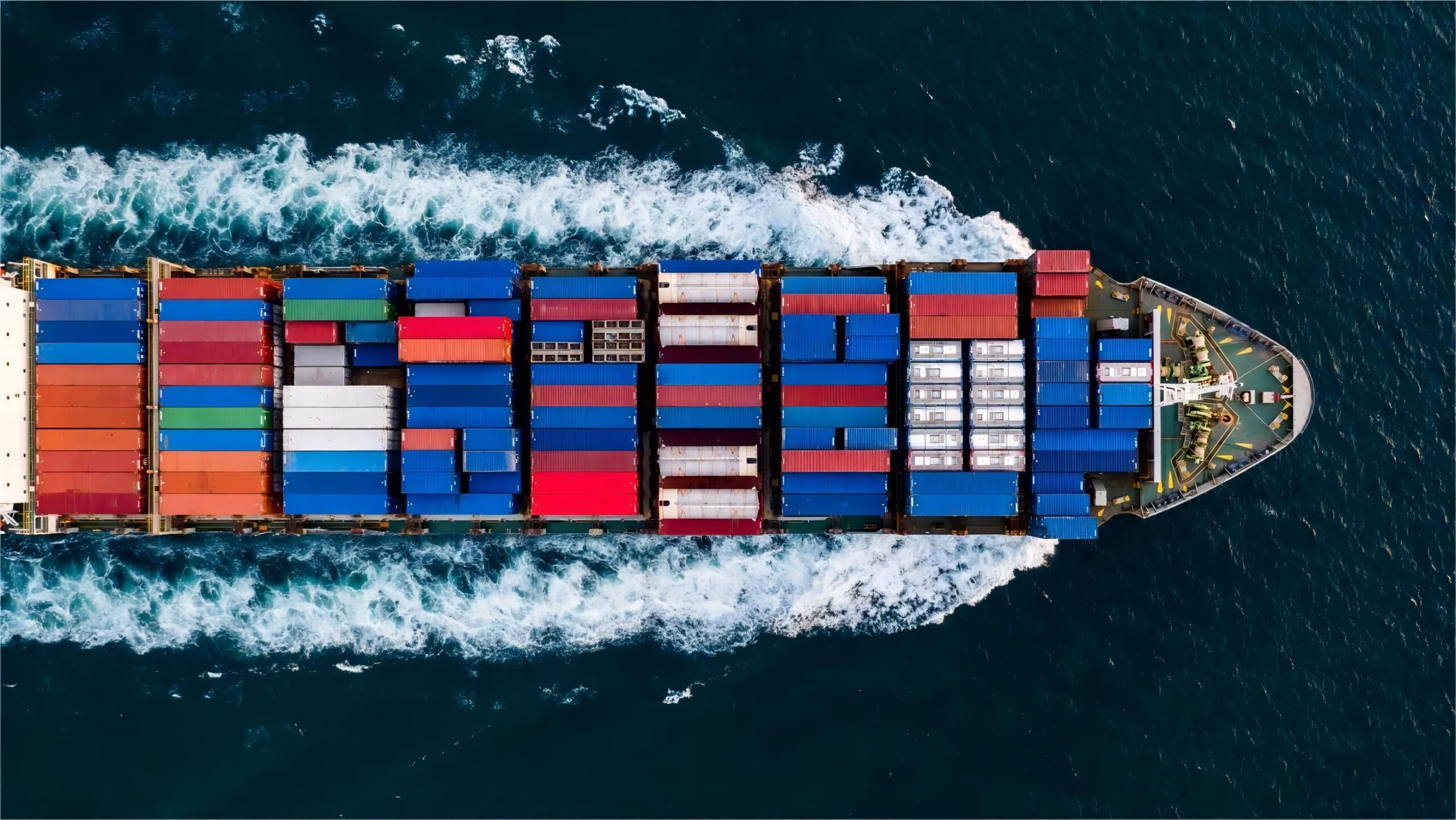
For bulk shipments, sea freight remains the most economical option. It is ideal for non-time-sensitive goods and large volumes, offering significantly lower per-unit costs. However, transit times are considerably longer, typically ranging from 15 to 25 days from major Chinese ports to Indian destinations like Mumbai or Chennai. This method supports both Full Container Load (FCL) and Less than Container Load (LCL) options.
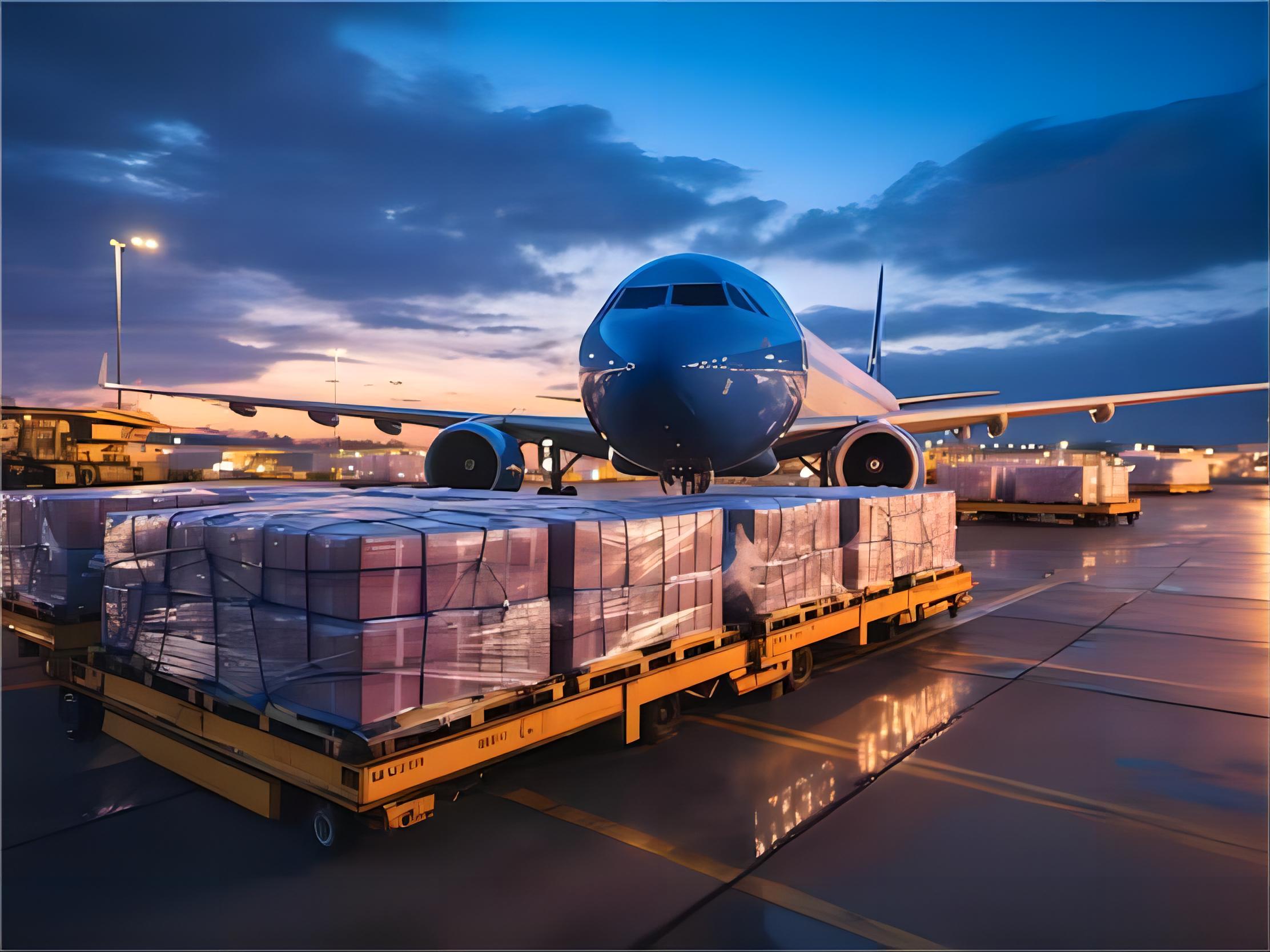
Conversely, air freight is the preferred choice for urgent, high-value, or perishable goods. Although substantially more expensive, it dramatically reduces transit times to 3-7 days. This speed can be critical for maintaining lean inventories or responding to immediate market demands. Therefore, businesses prioritize speed often opt for air cargo despite the higher China to India freight charges.
| Shipping Method | Cost Range (40HQ/100kg) | Transit Time (Avg.) | Best For | Limitations |
|---|---|---|---|---|
| Sea Freight (FCL) | $1,800-3,000 | 15-25 days | Large volume, heavy goods | Slower transit, port congestion risk |
| Sea Freight (LCL) | $50-100/CBM | 20-30 days | Small volume, non-urgent | Longer transit, potential delays |
| Air Freight (Standard) | $300-600 (100kg) | 5-7 days | Urgent, high-value items | High cost, volume/weight restrictions |
| Air Freight (Expedited) | $600-1200 (100kg) | 2-3 days | Extremely urgent, critical goods | Very high cost, strict regulations |
FCL vs. LCL for Sea Freight
Within sea freight, shippers must choose between Full Container Load (FCL) and Less than Container Load (LCL). FCL means your goods occupy an entire container, offering better security and faster transit as there’s no need for consolidation or deconsolidation. This is generally more cost-effective for larger volumes, typically above 15-20 CBM.
In contrast, LCL involves sharing container space with other shippers, where costs are based on the volume or weight your cargo occupies. This option is perfect for smaller shipments that don’t fill an entire container. Nevertheless, LCL shipments may experience slightly longer transit times due to the consolidation process at origin and deconsolidation at destination. For smaller, less urgent cargo, LCL can significantly reduce your China to India freight charges compared to FCL.
Standard vs. Expedited Air Freight
Air freight services also offer different tiers, primarily standard and expedited options. Standard air freight provides a balance of cost and speed, suitable for most urgent shipments. Transit times for standard air freight from China to India usually fall within 5-7 days, including customs clearance.
Expedited air freight, on the other hand, prioritizes speed above all else, often delivering within 2-3 days. This premium service comes with a significantly higher price tag but is invaluable for extremely time-sensitive cargo or critical spare parts. Therefore, the choice depends entirely on the urgency and value of the goods being shipped.
Understanding Additional Costs and Surcharges in China to India Freight Charges
Beyond the base freight rates, several additional costs and surcharges can significantly impact your total China to India freight charges. Indeed, these often overlooked expenses can inflate your budget if not properly accounted for. Therefore, a comprehensive understanding of these charges is vital for accurate financial planning.
These additional costs include various fees at both the origin and destination, as well as government-imposed duties and taxes. Consequently, neglecting to factor these into your initial calculations can lead to unexpected financial burdens. Thorough preparation and working with an experienced freight forwarder can help mitigate these surprises.
Customs Clearance and Documentation
Customs duties and taxes are a mandatory part of importing goods into India. These are calculated based on the Harmonized System (HS) code of your products and their declared value. Moreover, there are fees for customs documentation, processing, and inspections. Utilizing a professional customs brokerage service can streamline this complex process and prevent costly delays. They ensure all paperwork is correctly submitted, thereby avoiding potential penalties and expediting clearance.
Port and Terminal Handling Charges
At both the origin (China) and destination (India) ports, various charges apply for handling your cargo. These include Terminal Handling Charges (THC), container demurrage (fees for exceeding free time at port), and detention (fees for exceeding free time with the container outside the port). Additionally, there might be charges for storage if your cargo isn’t cleared promptly.
Furthermore, fuel surcharges (e.g., BAF – Bunker Adjustment Factor, EBS – Emergency Bunker Surcharge) and currency adjustment factors (CAF) can fluctuate, adding to the overall cost. Therefore, it is crucial to request a detailed breakdown of all potential charges from your freight forwarder to get a complete picture of your China to India freight charges.
Optimizing Your Supply Chain: Strategies to Reduce China to India Freight Charges
Minimizing China to India freight charges requires strategic planning and an understanding of various cost-saving opportunities. By implementing smart logistics practices, businesses can significantly reduce their overall shipping expenses. Moreover, these strategies often lead to improved efficiency and reliability in the supply chain.
Consider consolidating multiple smaller orders into a single, larger shipment whenever possible. This approach can help you reach FCL thresholds, which are generally more cost-effective per unit than LCL. Additionally, carefully reviewing your Incoterms can ensure that you are not unnecessarily absorbing costs that could be managed more efficiently by your supplier or freight partner. This proactive management is key to controlling costs.
The Role of a Reliable Freight Forwarder
Partnering with an experienced and reputable freight forwarder is perhaps the most effective strategy for managing China to India freight charges. A good forwarder possesses extensive industry knowledge, strong carrier relationships, and the ability to negotiate competitive rates. They can also provide valuable advice on optimal routes, customs procedures, and documentation requirements. Consequently, this expertise can save you both time and money, making them an indispensable ally in international trade.
Leveraging Door-to-Door Services
Opting for door-to-door services can simplify your logistics and, surprisingly, often reduce overall costs. This comprehensive service handles every aspect of the shipment, from pickup at the supplier’s factory in China to final delivery at your warehouse in India. It eliminates the need for multiple intermediaries and simplifies communication. Therefore, it provides a single point of contact and accountability, reducing the potential for errors and delays. This integrated approach can lead to more predictable China to India freight charges.
Real-World Scenarios: China to India Freight Charges Case Studies
To illustrate the practical application of these shipping considerations, let’s examine a few real-world case studies for China to India freight charges. These examples highlight how different factors influence costs and transit times. They offer tangible insights into optimizing your logistical decisions.
These scenarios are based on typical rates as of early 2025, but actual prices can fluctuate. They demonstrate the varying outcomes depending on cargo specifics and chosen shipping methods. Understanding these examples can help you better plan your own imports.
Case Study 1: Large Volume, Non-Urgent Goods
This case involves a medium-sized enterprise importing machinery components, where cost-efficiency was prioritized over speed. The volume justified a full container, leading to significant savings on a per-unit basis. This strategy proved ideal for managing their China to India freight charges effectively.
| Detail | Description |
|---|---|
| Route | Shanghai, China -> Mumbai (Nhava Sheva), India |
| Cargo | Machinery components, 25 CBM, 15,000 kg |
| Container | 1 x 20GP |
| Shipping Details | Carrier: COSCO, Port of Loading: Shanghai, Port of Discharge: Nhava Sheva, Route Type: Direct |
| Cost Breakdown | Ocean Freight: $1,600, Origin Charges: $350, Destination Charges: $400, Customs & Duties (estimated): $1,200, Total Landed Cost: $3,550 |
| Timeline | Booking to Loading: 5 days, Sea Transit: 18 days, Customs Clearance: 4 days, Total Door-to-Door: 27 days |
| Key Insight | FCL sea freight offered the best value for this volume, despite the longer transit time. Direct route minimized transshipment delays. |
Case Study 2: Time-Sensitive E-commerce Products
An e-commerce business needed to quickly restock popular electronic gadgets due to unexpected demand. Speed was critical to avoid stockouts and maintain customer satisfaction. Therefore, air freight was the clear choice, despite the higher China to India freight charges.
| Detail | Description |
|---|---|
| Route | Shenzhen, China -> Delhi (IGIA), India |
| Cargo | Electronic gadgets, 2 CBM, 350 kg |
| Container | Air Cargo (Standard) |
| Shipping Details | Carrier: Cathay Pacific Cargo, Port of Loading: Shenzhen, Port of Discharge: Delhi, Route Type: Direct Air |
| Cost Breakdown | Air Freight: $1,400, Origin Charges: $150, Destination Charges: $200, Customs & Duties (estimated): $500, Total Landed Cost: $2,250 |
| Timeline | Booking to Loading: 2 days, Air Transit: 3 days, Customs Clearance: 2 days, Total Door-to-Door: 7 days |
| Key Insight | Air freight enabled rapid replenishment, crucial for fast-moving consumer goods. The higher cost was justified by market demand and avoiding lost sales. |
Navigating Seasonal Fluctuations and Market Trends Affecting China to India Freight Rates
Freight rates from China to India are not static; they are heavily influenced by seasonal fluctuations and broader market trends. Understanding these patterns allows businesses to plan their shipments more strategically. Consequently, proactive planning can significantly mitigate the impact of peak season surcharges.
Typically, rates tend to increase during peak shipping seasons, such as before major holidays like Chinese New Year, Golden Week, and the year-end holiday rush. For instance, Q4 (August-October) generally sees a 15-25% increase in rates due to heightened demand for holiday inventory. Conversely, rates might soften during off-peak periods. Therefore, flexible shipping schedules can lead to considerable savings on China to India freight charges.
Moreover, global events like port congestion, changes in fuel prices, or geopolitical tensions can cause unpredictable spikes or dips in freight costs. As of Q1 2025, freight rates have largely stabilized after the volatility seen in previous years, but monitoring market intelligence remains crucial. According to industry benchmarks, booking well in advance during peak times can help secure better rates and capacity. This vigilance ensures better budget control.
Which Shipping Option Should You Choose for Your China to India Shipments?
Deciding on the best shipping method for your goods from China to India involves weighing several factors, primarily budget, speed, and the nature of your cargo. By using a decision framework, you can select the most appropriate and cost-effective solution. This structured approach ensures that your China to India freight charges align with your business objectives.
Budget-Conscious Shipments
If budget is your primary concern and transit time is flexible, sea freight, particularly LCL for smaller volumes or FCL for larger, is the most economical choice. It offers the lowest per-unit cost and is ideal for heavy, bulky, or non-urgent goods. Consider booking during off-peak seasons to further reduce your China to India freight charges.
Time-Sensitive Deliveries
For urgent shipments, high-value items, or perishable goods, air freight is indispensable. While more expensive, the significantly reduced transit time can prevent stockouts, meet strict deadlines, and preserve product quality. Express services like express service are excellent for very small, time-critical parcels, offering door-to-door delivery in just a few days. The premium cost is justified by the speed and reliability.
Specialized Cargo Requirements
Some cargo types, such as hazardous materials, oversized goods, or items requiring temperature control, may have specific shipping requirements. Consult with your freight forwarder to ensure compliance and proper handling. They can advise on specialized containers or specific carrier services. Always verify that the chosen method can safely and legally transport your unique goods. This ensures smooth customs clearance and minimizes risks.
Mastering China to India Freight Charges
Effectively managing China to India freight charges is a cornerstone of successful international trade. By understanding the various shipping methods, their associated costs, and the factors that influence pricing, businesses can make informed decisions. This strategic approach leads to a more efficient and cost-effective supply chain.
Ultimately, partnering with a knowledgeable freight forwarder like Top China Freight is paramount. They can provide invaluable expertise, negotiate competitive rates, and ensure a smooth shipping process from origin to destination. Therefore, focus on these insights to optimize your logistics and enhance your profitability.
Ready to streamline your logistics?
Ready to optimize your shipping from China to India? Contact Top China Freight today for a personalized quote tailored to your specific cargo and requirements. Our experts are here to help you navigate China to India freight charges efficiently and reliably. Get a free quote now!
Request Quote