
China to US Freight Cost: Your Comprehensive Shipping Guide
Understanding the complexities of China to US freight cost is crucial for businesses navigating international trade. Many factors influence shipping expenses, from the chosen method to market volatility. This guide aims to demystify these costs, offering clear insights and practical strategies to optimize your logistics budget.

What Factors Influence China to US Freight Cost?
Several critical elements dictate the overall China to US freight cost. Primarily, the shipping method chosen significantly impacts both expense and transit time. Moreover, the type, volume, and weight of your cargo also play a substantial role.
Furthermore, current market conditions, including fuel prices, carrier capacity, and seasonal demand, can cause rates to fluctuate. Consequently, understanding these variables is essential for accurate budgeting and strategic planning.
| Cost Factor | Description | Impact on Cost | Impact on Time |
|---|---|---|---|
| Shipping Method | Sea, Air, or Express | Low (Sea) to High (Air) | Long (Sea) to Short (Air) |
| Cargo Volume/Weight | Dimensions and mass of goods | Higher volume/weight = higher cost | Minimal direct impact |
| Origin & Destination | Specific ports and final delivery points | Longer routes/remote areas = higher cost | Longer routes = longer transit |
| Market Conditions | Fuel prices, capacity, peak seasons | Fluctuates rates significantly | Can cause delays |
| Customs & Duties | Tariffs, taxes, brokerage fees | Adds to total landed cost | Can cause clearance delays |
Key Shipping Methods from China to the US
When importing from China, businesses have several fundamental shipping methods to consider. Each option presents a unique balance of speed, cost, and capacity. Therefore, selecting the appropriate method is vital for optimizing your supply chain.
Choosing between these methods depends heavily on your cargo’s characteristics and your delivery timeline. Accordingly, a careful evaluation of each option’s pros and cons is recommended.
Sea Freight: The Cost-Effective Solution
Sea freight remains the most economical option for large or heavy shipments. It offers significant cost savings, especially for bulk goods, though transit times are considerably longer. Businesses often choose between Full Container Load (FCL) and Less than Container Load (LCL) services.
FCL involves reserving an entire container, suitable for volumes exceeding 15 CBM. Conversely, LCL allows multiple shippers to share container space, a flexible option for smaller cargo. Learn more about sea freight to the US.
Air Freight: Speed and Reliability
For urgent shipments or high-value, time-sensitive goods, air freight is the preferred method. While significantly more expensive than sea freight, it drastically reduces transit times. This method is ideal for products with short shelf lives or those needed quickly to meet market demand.
However, air freight has strict limitations on cargo size and weight. Consequently, careful planning is required to ensure compliance and cost-effectiveness. Explore air freight solutions for rapid delivery.
Express Service: For Small, Urgent Parcels
Express services, often handled by major couriers, are perfect for very small, urgent parcels or samples. They offer door-to-door delivery with fast transit times and integrated tracking. This method is generally the most expensive per kilogram.
Nonetheless, the convenience and speed often justify the higher cost for critical documents or prototypes. Consider express service for your most time-sensitive shipments.
How Does Sea Freight Compare to Air Freight for US-Bound Shipments?
Comparing sea and air freight is fundamental when planning your China to US shipments. Each method presents distinct advantages and disadvantages that directly impact your supply chain efficiency and budget. Therefore, a strategic choice can lead to substantial savings or faster market entry.
Ultimately, the best choice hinges on your specific business needs, product characteristics, and desired delivery schedule. Market data suggests rates fluctuate, so always seek current quotes.
| Shipping Method | Cost Range (Approx.) | Transit Time (Avg.) | Best For | Limitations |
|---|---|---|---|---|
| Sea Freight (FCL 40HQ) | $2,800-$5,500 | 14-35 days | Large volume, heavy, non-urgent goods | Slow, port congestion risks |
| Sea Freight (LCL per CBM) | $50-$150/CBM | 20-45 days | Smaller volumes (under 15 CBM), flexible | More handling, potential delays, minimum charges |
| Air Freight | $4-$8 per kg | 3-7 days | Urgent, high-value, light cargo | High cost, weight/volume restrictions |
| Express Service | $8-$15 per kg | 1-4 days | Samples, documents, very urgent small parcels | Highest cost, strict size/weight limits |

Navigating Customs, Duties, and Documentation for China-US Shipping
Successfully importing goods from China to the US requires a thorough understanding of customs procedures, duties, and necessary documentation. Improper handling can lead to significant delays and unexpected costs. Consequently, preparation is paramount for smooth clearance.
Furthermore, the US imposes various tariffs and regulations that importers must adhere to. Engaging a reliable customs brokerage service can significantly streamline this complex process.
Key Documents Required
Importers must provide a commercial invoice, packing list, and bill of lading (for sea freight) or air waybill (for air freight). Additionally, specific goods may require certificates of origin, import licenses, or permits.
Accuracy in these documents is critical to avoid customs issues. Therefore, double-checking all information before submission is a non-negotiable step.
Understanding Duties and Tariffs
The Harmonized Tariff Schedule (HTS) code determines the duty rate for your products. Tariffs can vary widely depending on the product category and country of origin. Moreover, certain goods from China are subject to Section 301 tariffs, adding to the overall cost.
Calculating these duties accurately beforehand helps in forecasting the total landed cost of your goods. Consulting with a customs expert can provide clarity on these complex regulations.
Optimizing Your Supply Chain and Reducing China to US Freight Cost
Reducing your China to US freight cost involves more than just selecting the cheapest carrier. It requires a holistic approach to supply chain management and strategic decision-making. Indeed, small adjustments can lead to substantial long-term savings.
Moreover, leveraging expert knowledge and advanced logistics solutions can further enhance efficiency. Therefore, continuously evaluating your processes is key to maintaining competitive shipping expenses.
Choosing the Right Incoterms
Incoterms define the responsibilities of buyers and sellers for the delivery of goods. Selecting the most suitable Incoterm, such as FOB or EXW, can significantly impact who bears the shipping costs and risks. For instance, FOB (Free On Board) gives the buyer more control over freight decisions and costs.
Understanding these terms thoroughly prevents misunderstandings and unexpected charges. Consequently, negotiating favorable Incoterms is a powerful cost-saving strategy.
Consolidation Strategies
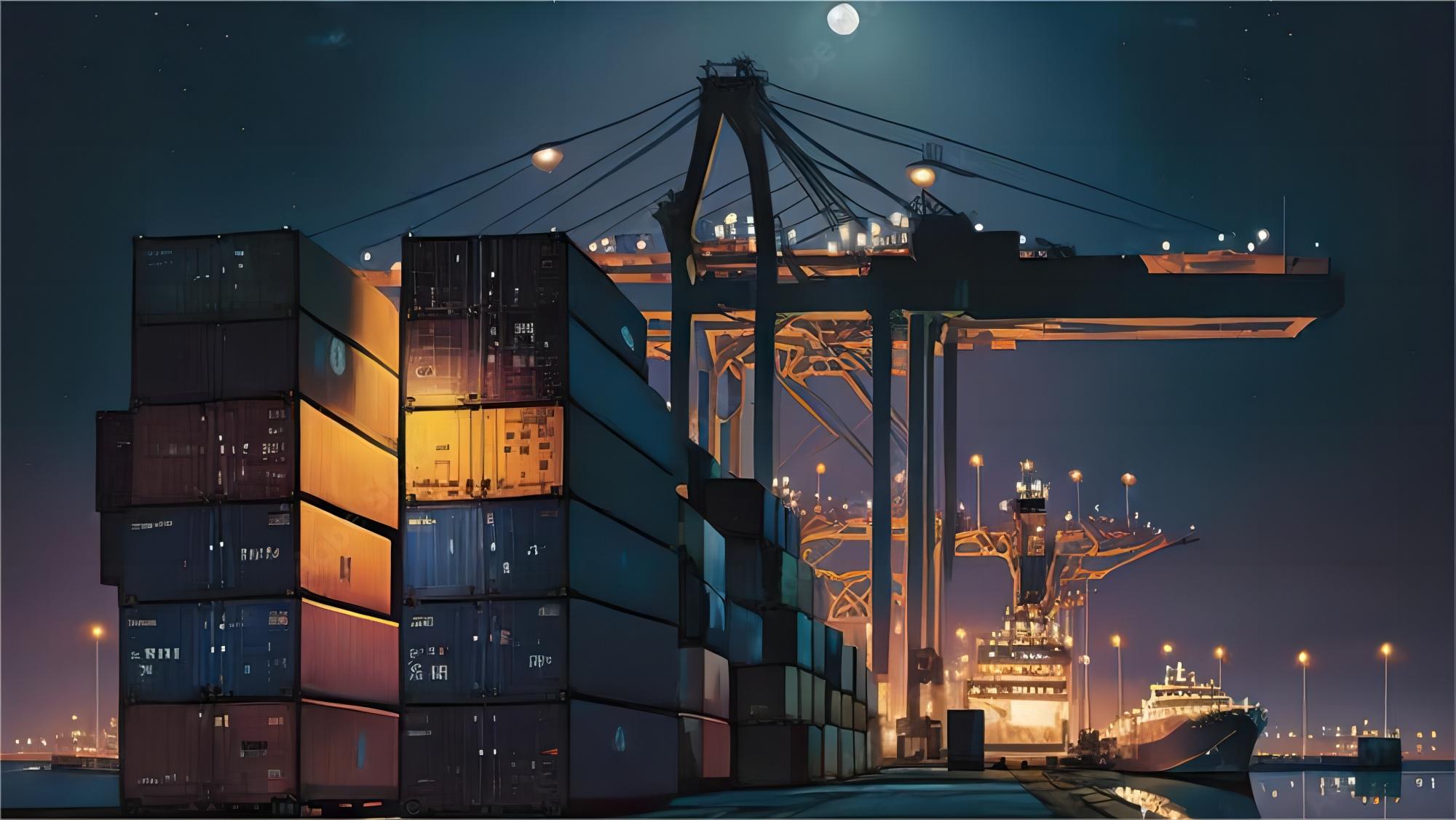
For businesses with smaller, frequent shipments, consolidating cargo into LCL shipments or larger FCLs can reduce per-unit costs. This strategy is particularly effective for e-commerce sellers managing Amazon FBA inventory. By combining multiple orders, you can achieve better economies of scale.
Likewise, working with a freight forwarder who offers robust consolidation services is beneficial. This approach minimizes individual shipping fees and optimizes container space utilization.
Strategic Port Selection
The choice of origin and destination ports in China and the US can influence both transit time and cost. Opting for major ports with high traffic volumes often means more competitive rates and frequent sailings. For example, shipping to West Coast ports like Los Angeles or Long Beach typically offers faster transit times from China.
However, if your final destination is on the East Coast, the added inland transportation cost from the West Coast might outweigh the ocean freight savings. Therefore, a comprehensive analysis of the entire North America logistics chain is crucial.
Real-World Scenarios: China to US Freight Cost Examples
Examining real-world examples helps illustrate the variations in China to US freight cost and transit times. These scenarios highlight how different choices impact the overall logistics budget and delivery schedule. Based on Q3 2024 market rates, these provide a realistic perspective.
Case Study 1: Electronics from Shenzhen to Los Angeles (Sea FCL)
| Detail | Description |
|---|---|
| Route | Shenzhen, China -> Los Angeles, USA |
| Cargo | Consumer Electronics, 25 CBM, 8,000 kg |
| Container | 1 x 40GP |
| Shipping Details | Carrier: COSCO; Port of Loading: Yantian; Port of Discharge: Long Beach; Route Type: Direct |
| Cost Breakdown | Ocean Freight: $2,850; Origin Charges: $450; Destination Charges: $380; Customs & Duties (estimated): $550; Total Landed Cost: $4,230 |
| Timeline | Booking to Loading: 5 days; Sea Transit: 16 days; Customs Clearance: 3 days; Total Door-to-Door: 24 days |
| Key Insight | Direct route to West Coast offers competitive rates and quick transit for FCL. Rates were stable due to off-peak season. |
Case Study 2: Apparel from Shanghai to New York (Sea LCL)
| Detail | Description |
|---|---|
| Route | Shanghai, China -> New York, USA |
| Cargo | Fashion Apparel, 8 CBM, 1,200 kg |
| Container | LCL 8 CBM |
| Shipping Details | Carrier: Major NVOCC; Port of Loading: Shanghai; Port of Discharge: New York; Route Type: Transshipment via Busan |
| Cost Breakdown | Ocean Freight: $720 (approx $90/CBM); Origin Charges: $280; Destination Charges: $320; Customs & Duties (estimated): $300; Total Landed Cost: $1,620 |
| Timeline | Booking to Loading: 7 days; Sea Transit: 32 days; Customs Clearance: 5 days; Total Door-to-Door: 44 days |
| Key Insight | LCL is cost-effective for smaller volumes but involves longer transit due to consolidation and transshipment. Q4 peak season rates were 15% higher than usual. |
Case Study 3: Urgent Samples from Guangzhou to Chicago (Air Express)
| Detail | Description |
|---|---|
| Route | Guangzhou, China -> Chicago, USA |
| Cargo | Electronic Prototypes, 0.5 CBM, 150 kg |
| Container | Air Cargo |
| Shipping Details | Carrier: FedEx Express; Port of Loading: Guangzhou Airport; Port of Discharge: O’Hare International Airport; Route Type: Direct Flight |
| Cost Breakdown | Air Freight: $1,350 (approx $9/kg); Origin Charges: $120; Destination Charges: $80; Customs & Duties (estimated): $180; Total Landed Cost: $1,730 |
| Timeline | Booking to Loading: 1 day; Air Transit: 2 days; Customs Clearance: 1 day; Total Door-to-Door: 4 days |
| Key Insight | Air express offers unparalleled speed for urgent, smaller shipments, albeit at a premium. Ideal for time-critical components. |
Which Shipping Option Should You Choose for Your US-Bound Cargo?
Deciding on the optimal shipping method for your goods from China to the US requires a clear understanding of your priorities. There is no one-size-fits-all solution; consequently, a decision framework helps streamline the process. Consider these criteria carefully.
Your choice will significantly impact both your bottom line and your customer satisfaction. Therefore, align your shipping strategy with your business objectives.
Budget Priority
If cost-saving is your primary concern, especially for large, non-urgent shipments, sea freight (FCL or LCL) is almost always the most economical choice. However, be prepared for longer transit times.
For very small volumes, LCL can be more economical than air freight, but be mindful of minimum charges and potential delays.
Speed Priority
When speed is critical, such as for perishable goods, high-fashion items, or urgent product launches, air freight or express service is indispensable. These methods ensure rapid delivery, allowing you to meet tight deadlines.
Nevertheless, the higher cost associated with speed must be factored into your product pricing and profitability analysis.
Cargo Type Considerations
The nature of your cargo also dictates the best shipping method. Heavy, bulky, or low-value goods are best suited for sea freight. Conversely, fragile, high-value, or temperature-sensitive items might benefit from the controlled environment and faster transit of air freight.
Dangerous goods have specific regulations for both air and sea, necessitating specialized handling and documentation.
Volume Thresholds for Switching Methods
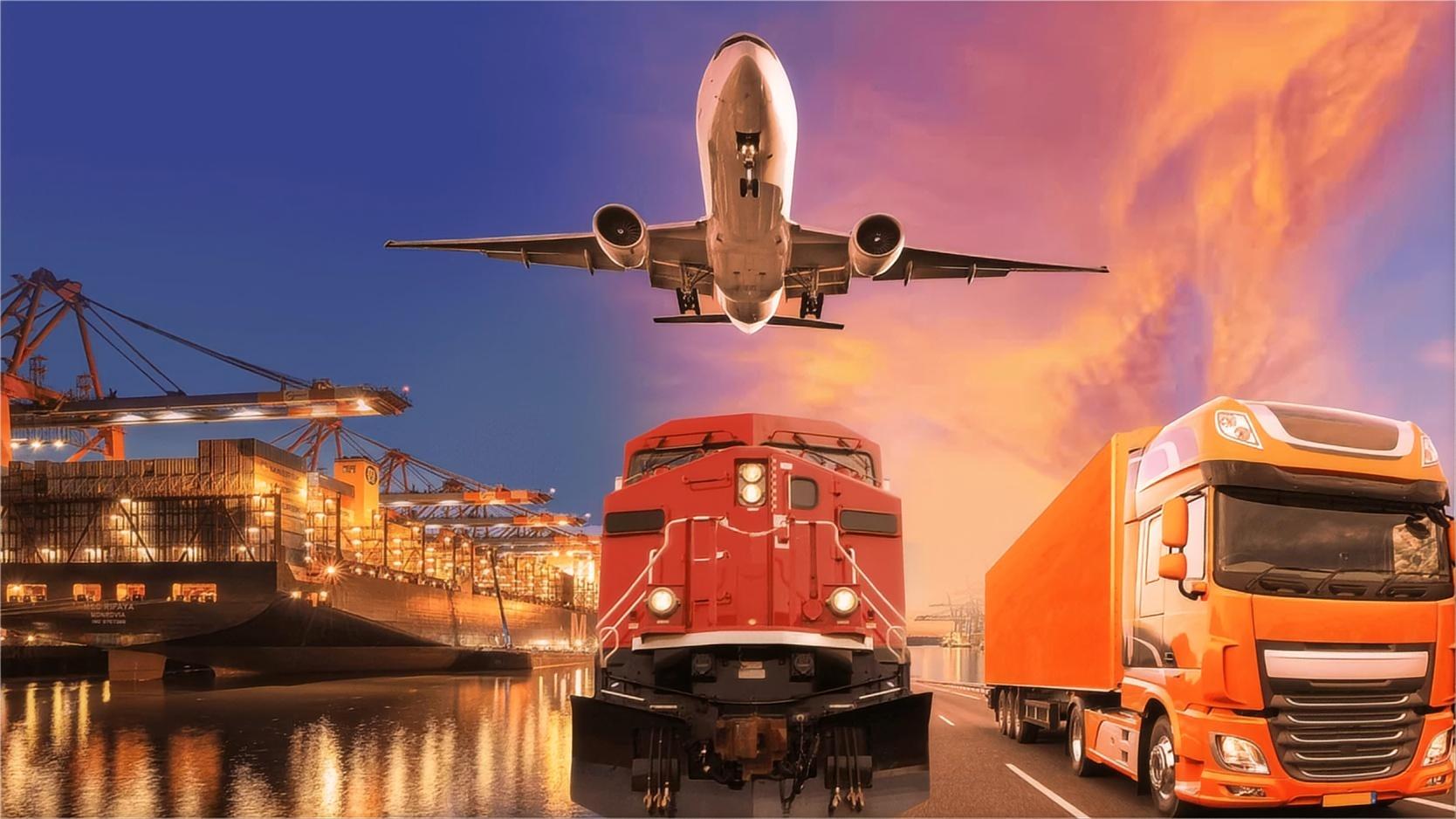
Generally, for shipments under 15 CBM, LCL sea freight can be competitive with air freight on a per-unit cost basis, despite the longer transit. However, as volume approaches a full container (around 20-25 CBM for a 20GP), FCL becomes significantly more cost-effective than LCL.
Above 20-25 CBM, FCL sea freight is almost always the most economical choice, offering better security and reduced handling compared to LCL.
Mastering Your China to US Freight Cost
Navigating the landscape of China to US freight cost requires careful planning, an understanding of various shipping methods, and a keen eye on market dynamics. By strategically choosing between sea, air, and express options, and by optimizing customs processes, businesses can significantly impact their bottom line. Ultimately, partnering with an experienced logistics provider is key to achieving efficiency and cost-effectiveness.
Indeed, with the right strategy, managing your international shipping can be a competitive advantage, ensuring your goods arrive on time and within budget. Always remember that freight rates are subject to change based on fuel costs, carrier capacity, and seasonal demand. Contact us for a current quote tailored to your specific shipment.
Need a tailored shipping solution?
Ready to optimize your China to US freight cost and streamline your shipping operations? Our team of experts is here to provide tailored solutions and competitive quotes. Contact us today for a personalized consultation and take the first step towards hassle-free logistics.