
Choosing the Best Freight Forwarding Companies in China
Navigating international trade from China can be complex, often presenting unique logistical challenges for businesses worldwide. Finding reliable partners is therefore paramount to ensure your goods arrive safely and on time. This comprehensive guide will help you identify the best freight forwarding companies in China, ensuring a smooth and efficient supply chain operation. We will explore key considerations, service types, and provide practical insights for your import needs.
Understanding Freight Forwarding from China
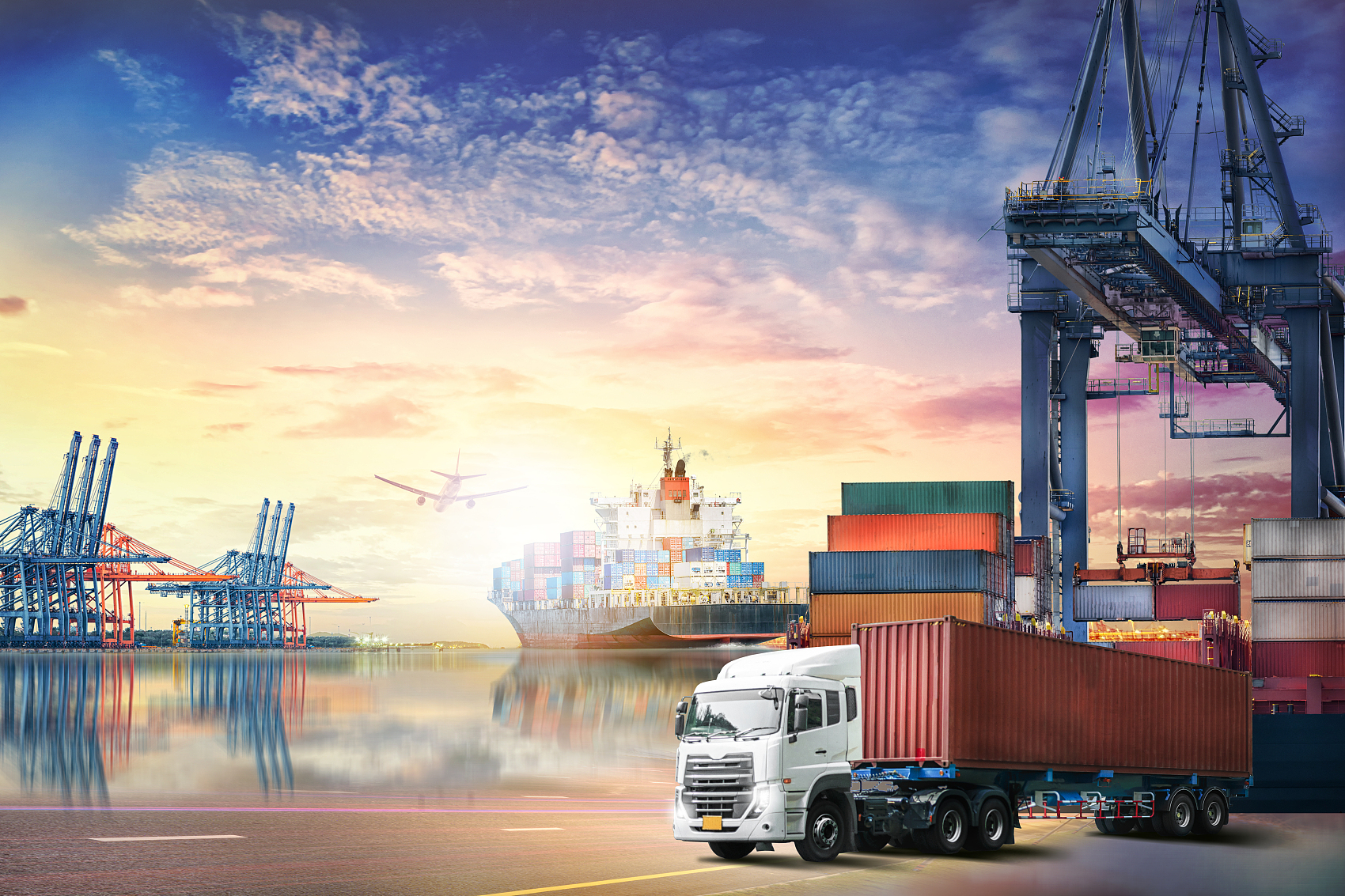
A freight forwarder acts as an intermediary, managing the complex process of shipping goods from one international destination to another. Specifically, when importing from China, these companies handle everything from documentation to customs clearance. Their expertise is invaluable for businesses of all sizes, ensuring compliance and efficiency.
Indeed, a competent freight forwarder streamlines your supply chain, reducing potential delays and unexpected costs. They coordinate with various carriers, manage cargo handling, and provide crucial customs brokerage services. Ultimately, this allows businesses to focus on their core operations while leaving the logistics to experienced professionals.
Key Factors When Choosing the Best Freight Forwarding Companies in China
Selecting the right freight forwarding partner is a critical decision that impacts your entire import process. Many factors contribute to a successful partnership, extending beyond just the quoted freight rates. Therefore, a thorough evaluation is essential to find a company that aligns with your specific business needs and shipping requirements.
Consequently, consider the following elements carefully before making your choice. These factors will help you assess reliability, efficiency, and overall value, guiding you toward the best freight forwarding companies in China for your operations.
Experience and Reputation
Firstly, look for companies with a proven track record in handling shipments from China to your target destination. Extensive experience often indicates a deep understanding of local regulations, customs procedures, and potential challenges. Moreover, a strong reputation, backed by positive client testimonials and industry recognition, is a reliable indicator of service quality and trustworthiness. Always verify their operational history and client feedback.
Comprehensive Service Offerings
Secondly, assess the range of services provided by the forwarder. The ideal partner should offer diverse shipping options, including sea freight, air freight, and potentially rail freight, depending on your needs. Additionally, specialized services like Amazon FBA shipping, express service, and door-to-door delivery can be crucial for specific business models. A broad service portfolio allows for flexibility and scalability as your business evolves.
Network and Global Reach
Furthermore, a robust global network, particularly strong connections within China and at destination ports, is indispensable. This network ensures efficient cargo handling, smooth transit, and effective problem-solving across different regions. Forwarders with established relationships with carriers and local agents can often secure better rates and prioritize shipments during peak seasons. Their reach directly impacts your delivery schedule and overall logistics trends.
Technology and Communication
In today’s digital age, advanced technology is a cornerstone of efficient logistics. Look for forwarders offering real-time tracking, online booking platforms, and transparent communication channels. Effective communication, including proactive updates and prompt responses to inquiries, is vital for managing expectations and resolving issues quickly. This transparency significantly enhances supply chain visibility and control.
Cost and Pricing Structure
While cost should not be the sole determinant, a transparent and competitive pricing structure is essential. Obtain detailed quotes that break down all charges, including ocean or air freight, origin charges, destination charges, and potential customs duties. Be wary of unusually low quotes that might hide additional fees. Understanding the full landed cost is crucial for accurate budgeting and avoiding surprises.
Customer Support and Responsiveness
Lastly, evaluate the quality of customer support. A dedicated account manager and responsive support team can make a significant difference, especially when unexpected issues arise. The ability to quickly address concerns, provide solutions, and offer expert advice ensures a smoother importing experience. This human element is often overlooked but proves invaluable in complex shipping scenarios.
Types of Freight Forwarding Services from China
Chinese freight forwarders offer a diverse range of services tailored to different cargo types, budgets, and urgency levels. Understanding these options is key to optimizing your import strategy. Each method presents unique advantages and limitations, consequently impacting your shipping costs and transit time from China.
Sea Freight
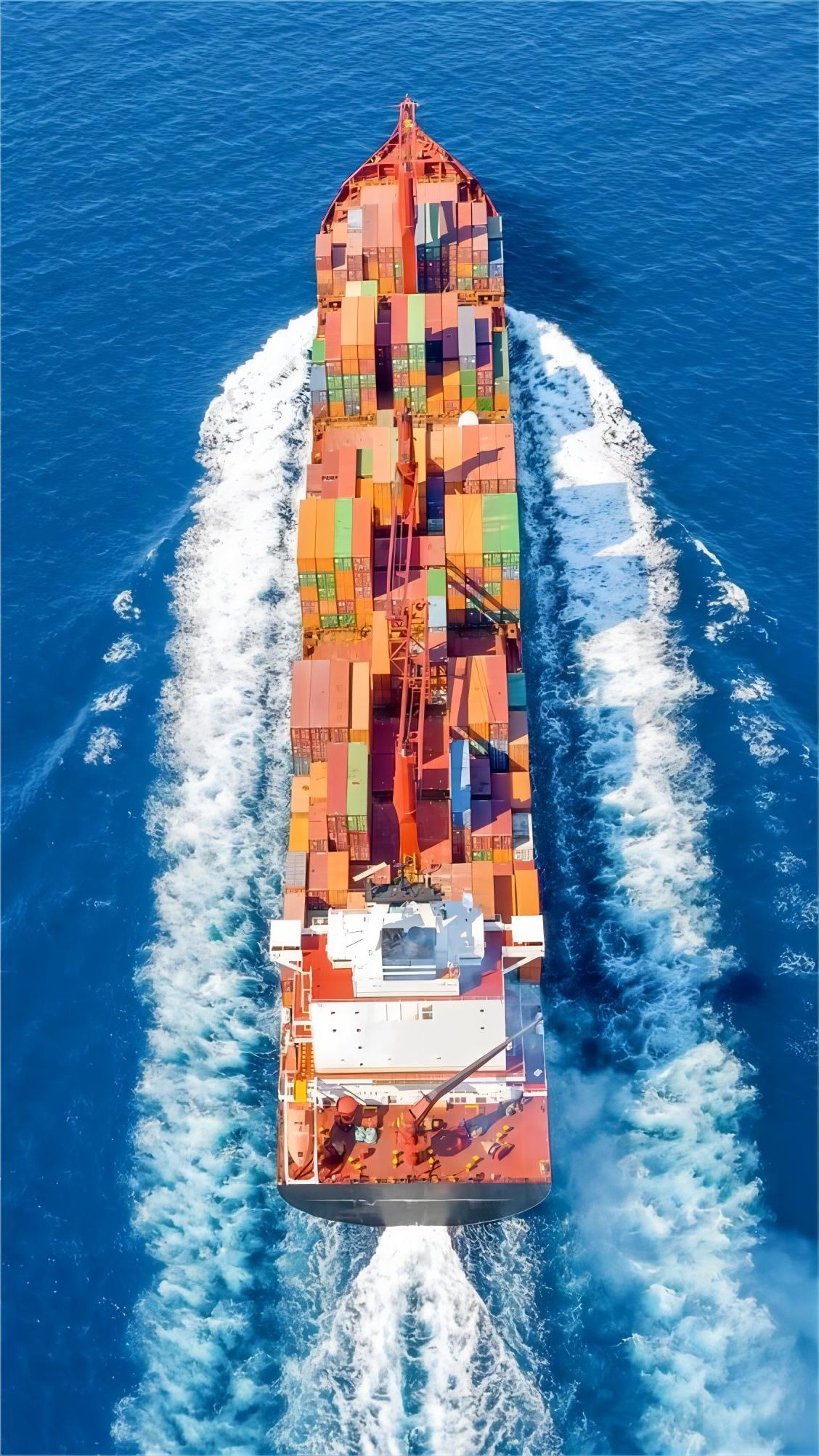
Sea freight remains the most cost-effective option for large volumes and heavy goods. It is ideal for non-urgent shipments where transit time is less critical. Options include Full Container Load (FCL) for exclusive container use and Less than Container Load (LCL) for smaller shipments sharing container space. This method is the backbone for much of global import/export. Consider sea freight for bulk goods.
Air Freight
Conversely, air freight is the fastest method for shipping goods internationally, suitable for time-sensitive, high-value, or perishable items. While significantly more expensive than sea freight, it offers unparalleled speed and reliability. Air cargo is perfect for urgent stock replenishment or product launches, minimizing your delivery schedule. However, it is less economical for very heavy or bulky shipments.
Rail Freight
Rail freight, particularly between China and Europe, offers a compelling balance of speed and cost-effectiveness. It is faster than sea freight and cheaper than air freight, making it an excellent choice for certain routes. This option has grown significantly, providing a reliable land-based alternative. However, its geographical reach is limited to countries connected by the rail network.
Express Service
For small parcels, documents, or extremely urgent lightweight shipments, express services (e.g., DHL, FedEx, UPS) are often utilized. These services provide rapid door-to-door delivery with advanced tracking. While generally more expensive per kilogram, they offer convenience and speed for smaller packages. This is distinct from standard air freight, focusing on individual parcel delivery.
Amazon FBA Shipping
Specialized Amazon FBA shipping services cater to e-commerce businesses selling on Amazon. These forwarders understand FBA requirements, including labeling, packaging, and direct delivery to Amazon warehouses. They manage the entire process, ensuring compliance and timely inventory replenishment. This expertise is crucial for avoiding costly FBA penalties and maintaining stock levels.
How Does Each Shipping Method Compare?
Choosing the optimal shipping method from China involves balancing various factors, primarily cost, speed, and the nature of your cargo. Each option presents a unique set of trade-offs. Therefore, understanding these differences is crucial for making an informed decision that best suits your supply chain strategy.
| Shipping Method | Cost Range | Transit Time | Best For | Limitations |
|---|---|---|---|---|
| Sea Freight (FCL) | Low (e.g., $3,000-4,200 for 40HQ China-Europe) | 28-45 days | Large volume, heavy, non-urgent goods | Slow transit, port congestion risk |
| Sea Freight (LCL) | Medium-Low (e.g., $70-100/CBM) | 30-50 days | Smaller volumes (under 15 CBM), non-urgent | Longer transit than FCL, potential for delays |
| Rail Freight | Medium (e.g., $2,500-3,500 for 40HQ China-Europe) | 18-25 days | Mid-size volumes, faster than sea, cheaper than air (Europe routes) | Limited destinations, less flexible routes |
| Air Freight | High (e.g., $4-8/kg + surcharges) | 3-7 days | Time-sensitive, high-value, perishable, urgent samples | Very expensive, weight/volume restrictions |
| Express Service | Very High (e.g., $6-12/kg for small packages) | 2-5 days | Small packages, documents, urgent samples, e-commerce | Highest cost per kg, strict weight limits |
Navigating Shipping Costs and Transit Times from China
Shipping costs and transit times are dynamic variables influenced by numerous factors, significantly impacting your total landed cost and delivery schedule. Understanding these drivers is essential for effective budget planning and supply chain management. Consequently, a proactive approach to monitoring market conditions is highly recommended.
Freight rates, for instance, fluctuate based on fuel costs, carrier capacity, global demand, and seasonal peaks. For example, rates typically increase 15-25% during August-October due to peak season demand. Port congestion, particularly at major hubs like Shanghai or Los Angeles, can also cause significant delays and additional charges, directly affecting your transit time. Always consider these external variables when planning your shipments.
Strategies for Cost Optimization
To manage shipping costs effectively, consider consolidating multiple smaller shipments into LCL or FCL where feasible. Moreover, flexible delivery schedules can allow you to opt for slower, more economical shipping methods like sea freight. Negotiating long-term contracts with freight forwarders can also secure more stable rates. Utilizing hybrid solutions, such as sea-air combinations for specific routes, offers a balance of cost and speed.
Additionally, optimizing packaging to reduce volumetric weight, understanding Incoterms to clearly define cost responsibilities, and exploring customs duty exemptions can yield significant savings. A skilled freight forwarder can provide guidance on these complex areas. Ultimately, strategic planning and informed decision-making are paramount for cost-effective importing.
The Role of Technology in Modern Freight Forwarding
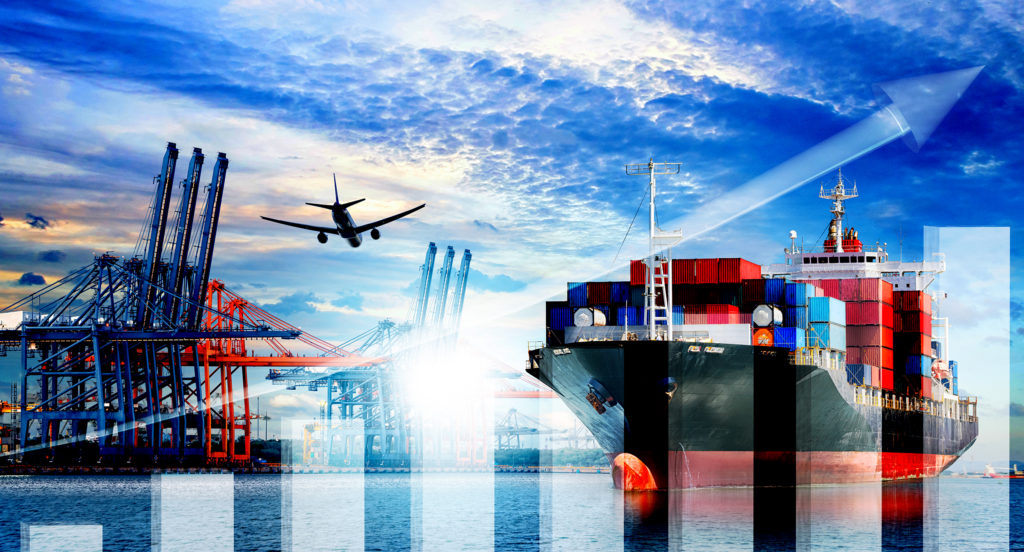
Modern freight forwarding is increasingly reliant on technology to enhance efficiency, transparency, and decision-making. Digital tools have transformed how cargo handling is managed, from booking to final delivery. This technological advancement directly contributes to improved logistics trends and customer satisfaction. It streamlines previously manual and time-consuming processes.
Consequently, advanced tracking systems provide real-time visibility into your shipment’s journey, from port of loading to port of discharge. Online platforms facilitate instant quotes, booking management, and digital documentation. Furthermore, data analytics helps optimize routes, predict potential delays, and manage inventory more effectively. These tools are indispensable for any business seeking to optimize its import/export operations and stay competitive in the global supply chain.
Real-World Scenarios: Successful Shipments from China
Examining real-world case studies provides practical insights into how different shipping methods and strategies play out in practice. These examples illustrate the complexities and successful outcomes of importing from China. They highlight the importance of choosing the right logistics partner and shipping solution for specific cargo and business needs.
Based on current market rates as of Q3 2024, the following scenarios demonstrate typical shipping experiences. Note: Freight rates are subject to change based on fuel costs, carrier capacity, and seasonal demand. Contact us for a current quote tailored to your specific shipment.
Case Study 1: Large Volume Electronics to Europe
This case exemplifies efficient, cost-effective shipping for bulk goods over a longer transit period. The choice of FCL sea freight was optimal for the volume and non-urgent nature of the cargo, demonstrating effective supply chain management. The direct route minimized transshipment risks and delays.
| Detail | Description |
|---|---|
| Route | Shanghai, China -> Rotterdam, Netherlands |
| Cargo | Electronics components, 60 CBM, 25,000 kg |
| Container | 40HQ (Full Container Load) |
| Carrier/Service | COSCO |
| Port of Loading | Shanghai |
| Port of Discharge | Rotterdam |
| Route Type | Direct |
| Ocean Freight | $3,500 |
| Origin Charges | $450 |
| Destination Charges | $300 |
| Customs & Duties (estimated) | $800 |
| Total Landed Cost | $5,050 |
| Booking to Loading | 5 days |
| Sea Transit | 30 days |
| Customs Clearance | 3 days |
| Total Door-to-Door | 38 days |
| Key Insight | Cost-effective for bulk, non-urgent goods, requiring careful planning for lead time. |
Case Study 2: Urgent Fashion Apparel Samples to North America
This scenario highlights the necessity of speed for high-value, time-sensitive items like fashion samples. Air freight was the undisputed choice, despite higher shipping costs. The quick turnaround from booking to delivery was crucial for meeting tight production deadlines and market demands. This demonstrates effective use of express logistics solutions.
| Detail | Description |
|---|---|
| Route | Shenzhen, China -> Los Angeles, USA |
| Cargo | Fashion apparel samples, 2 CBM, 300 kg |
| Container | Air Cargo (LCL) |
| Carrier/Service | Cathay Pacific Cargo |
| Port of Loading | Shenzhen |
| Port of Discharge | Los Angeles (LAX) |
| Route Type | Direct Air Cargo |
| Air Freight | $1,800 |
| Origin Charges | $200 |
| Destination Charges | $150 |
| Customs & Duties (estimated) | $100 |
| Total Landed Cost | $2,250 |
| Booking to Loading | 2 days |
| Air Transit | 3 days |
| Customs Clearance | 1 day |
| Total Door-to-Door | 6 days |
| Key Insight | Ideal for urgent, high-value, or low-volume shipments where speed is paramount. |
Case Study 3: E-commerce Home Goods to Amazon FBA, USA East Coast
This case illustrates a common challenge for e-commerce businesses: efficiently moving inventory to Amazon FBA warehouses. LCL sea freight provided a balanced approach, offering better cost-efficiency than air freight for a mid-sized shipment. The longer transit time was acceptable given the planned inventory levels and the cost savings achieved. This highlights specialized services for Amazon FBA shipping from China.
| Detail | Description |
|---|---|
| Route | Ningbo, China -> New York (FBA warehouse), USA |
| Cargo | Home goods, 10 CBM, 1,500 kg |
| Container | LCL Sea Freight |
| Carrier/Service | MSC (LCL consolidation) |
| Port of Loading | Ningbo |
| Port of Discharge | New York (Port of NY/NJ) |
| Route Type | Transshipment via Busan |
| Ocean Freight (LCL) | $800 |
| Origin Charges | $350 |
| Destination Charges | $400 |
| Customs & Duties (estimated) | $600 |
| Total Landed Cost | $2,150 |
| Booking to Loading | 7 days |
| Sea Transit | 35 days |
| Customs Clearance | 4 days |
| Total Door-to-Door | 46 days |
| Key Insight | Cost-effective for smaller volumes into FBA, but requires longer lead times and careful inventory planning. |
Choosing the Right Forwarder: A Decision Framework
Making the optimal choice among the best freight forwarding companies in China depends heavily on your specific business priorities. No single solution fits all, as different scenarios demand different logistics approaches. Therefore, a clear decision framework can guide your selection process, ensuring alignment with your strategic goals.
Consider your primary objectives and the characteristics of your cargo to determine the most suitable shipping method and forwarder. This structured approach helps in evaluating trade-offs between speed, cost, and service level. Ultimately, an informed decision reduces risks and optimizes your import/export operations.
Budget Priority
If cost-efficiency is your paramount concern, sea freight (FCL or LCL) will generally be your best option. It offers the lowest freight rates for bulk goods, though it comes with longer transit times. Look for forwarders known for competitive pricing and consolidation services to maximize savings. This approach is ideal for businesses with ample lead time and consistent, large-volume imports.
Speed Priority
For urgent shipments, high-value goods, or time-sensitive products, air freight or express service is the recommended choice. While significantly more expensive, these methods offer rapid transit and reliable delivery schedules. Choose forwarders with strong airline partnerships and efficient customs clearance processes to minimize delays. Speed often outweighs cost for critical inventory or product launches.
Cargo Type and Volume Considerations
The nature and volume of your cargo heavily influence the best shipping method. Large, heavy, non-perishable goods are best suited for sea freight. Smaller, lighter, or high-value items benefit from air or express services. For mid-range volumes to Europe, rail freight provides a good balance. A versatile forwarder can advise on the most suitable option for your specific product range and shipping frequency.
Hybrid Solutions and Trade-offs
Sometimes, a combination of methods, or hybrid solutions, offers the best balance. For instance, sea-air freight can move goods faster than pure sea freight but at a lower cost than pure air freight. This involves shipping by sea to a hub (e.g., Dubai) then by air to the final destination. Always discuss these creative solutions with your freight forwarder to explore potential cost-saving strategies and optimize delivery times. Understanding these trade-offs is crucial for agile supply chain management.
Why Top China Freight is a Leading Choice
Among the many options, Top China Freight distinguishes itself as a premier partner for businesses seeking the best freight forwarding companies in China. Our extensive experience, comprehensive service offerings, and commitment to customer satisfaction set us apart. We understand the intricacies of international shipping and strive to provide seamless logistics solutions tailored to your unique requirements.
We leverage a robust global network, advanced technology, and a team of dedicated experts to ensure your cargo is handled with utmost care and efficiency. From competitive freight rates to proactive communication and specialized services like Amazon FBA shipping, we aim to be your trusted logistics partner. Our goal is to simplify your import process, allowing you to focus on growing your business with confidence.
Conclusion
Choosing the best freight forwarding companies in China is a pivotal decision that can significantly impact your business’s efficiency and profitability. By carefully evaluating factors such as experience, service range, network, technology, and customer support, you can secure a reliable partner. Moreover, understanding the nuances of different shipping methods and their associated costs and transit times is crucial for optimizing your supply chain.
Ultimately, a well-chosen freight forwarder acts as an extension of your business, ensuring smooth import/export operations and helping you navigate the complexities of global trade. Invest time in finding the right partner, and you will reap the benefits of a robust and efficient logistics strategy. This strategic choice will undoubtedly contribute to your long-term success.

Ready to streamline your logistics?
Ready to streamline your imports from China and find the best freight forwarding companies in China for your business? Contact us today for a personalized consultation and a competitive quote. Our team is prepared to offer expert guidance and tailored logistics solutions to meet your specific needs.
Request Quote