

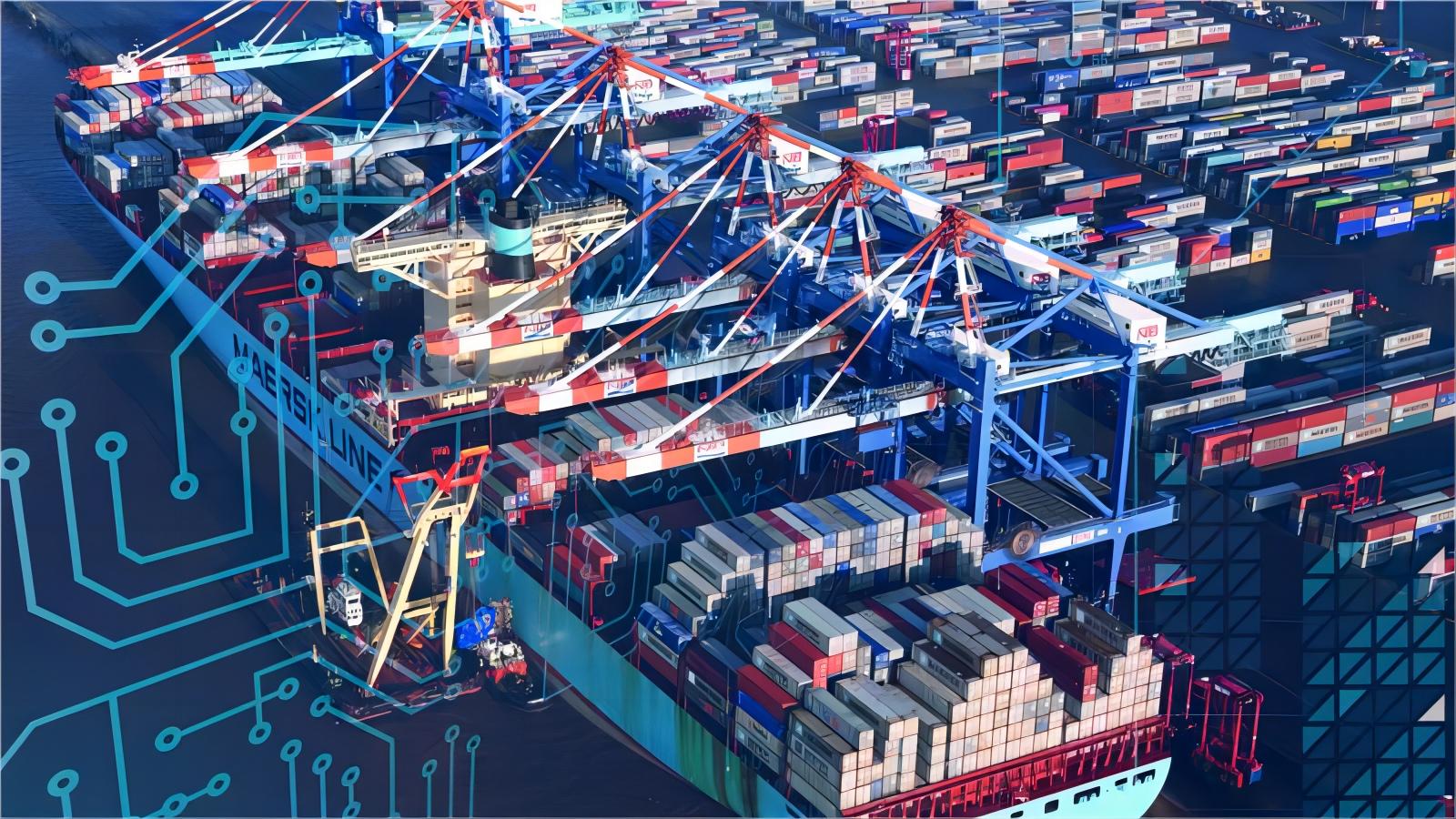
Clothing Sea Freight China to Europe: The Complete Logistics Guide
Managing international logistics for apparel requires a strategic balance between cost efficiency and reliable delivery schedules. Many retailers find that clothing sea freight China to Europe offers the most sustainable way to transport large volumes of garments across continents. By understanding the nuances of ocean transport, businesses can significantly reduce their landed costs while maintaining a steady supply chain.
What is Clothing Sea Freight China to Europe?
Ocean transportation remains the backbone of the global textile trade due to its massive capacity and lower environmental impact compared to air travel. This specific shipping route connects major Chinese manufacturing hubs like Guangzhou and Ningbo to key European gateways such as Rotterdam and Hamburg. Moreover, businesses utilize this method to move high volumes of seasonal inventory well in advance of retail deadlines.

Shipping companies provide various equipment types to ensure garments arrive in pristine condition, including standard containers and specialized GOH units. Consequently, the choice of equipment depends on the volume and the specific requirements of the apparel being transported. Most importers prioritize sea freight because it allows for significant economies of scale that other methods simply cannot match.

How Does Clothing Sea Freight China to Europe Compare to Other Shipping Options?
When evaluating logistics strategies, it is essential to compare ocean transport with alternatives like rail freight or air transport. While sea freight is the slowest option, it provides the lowest cost per unit for high-volume shipments. Therefore, it is the preferred choice for non-urgent replenishment and basic apparel lines.
Additionally, the environmental footprint of sea freight is considerably smaller than that of air transport. For instance, shipping a container of t-shirts via the ocean produces only a fraction of the carbon emissions generated by a cargo plane. However, businesses must plan their inventory cycles at least two months in advance to account for the longer transit times associated with maritime routes.
| Shipping Method | Cost Range | Transit Time | Best For | Limitations |
|---|---|---|---|---|
| Sea Freight | $1,800 – $4,200 | 30-45 Days | High volume bulk cargo | Slowest transit speed |
| Rail Freight | $4,000 – $6,500 | 15-22 Days | Mid-range urgency | Limited to inland hubs |
| Air Freight | $15,000 – $25,000 | 3-7 Days | High-value fashion | Extremely high cost |
| Express | $20,000+ | 2-5 Days | Samples and small parcels | Weight/Volume limits |
Why Choose Sea Freight for Garment Shipments?
Cost reduction is the most compelling reason for selecting sea freight for your clothing imports. Indeed, the ability to spread fixed shipping costs over thousands of individual units makes the per-item shipping cost negligible. Furthermore, ocean carriers offer flexible scheduling with multiple weekly departures from all major Chinese ports.
Safety and security for textiles are also high when using modern containerized shipping methods. Specifically, containers protect garments from moisture, dust, and theft during the long journey across the ocean. Many freight forwarders also offer value-added services like quality inspections at the port of loading to ensure the cargo meets European standards.
Understanding FCL vs LCL for Apparel Logistics
Full Container Load (FCL) is ideal for large retailers who can fill an entire 20ft or 40ft container with their own merchandise. Choosing FCL often results in faster transit because the container does not need to be opened for consolidation or deconsolidation. As a result, there is a lower risk of handling damage during the shipping process.
Less than Container Load (LCL) serves smaller businesses that do not have enough volume to fill a whole container. In this scenario, your goods share space with other shippers, and you only pay for the volume you actually use. Nevertheless, LCL shipments may take slightly longer due to the additional time required at consolidation warehouses.
Major Shipping Routes and Transit Times to Europe
The journey for shipping from China to Europe typically involves traversing the South China Sea and the Suez Canal. Major ports of loading include Shanghai, Ningbo, and Shenzhen, which handle the bulk of the world’s apparel exports. On the other end, Northern European ports like Antwerp and Rotterdam serve as primary entry points for the continent.
Transit times vary based on the specific port pair and the chosen carrier service. For example, a direct route from Shanghai to Rotterdam might take 32 days, while a transshipment route via Singapore could take 40 days. Consequently, importers should always verify the current vessel schedules before finalizing their production timelines.
| Origin Port | Destination Port | Average Transit | Service Type |
|---|---|---|---|
| Shanghai | Rotterdam | 32-35 Days | Direct |
| Shenzhen | Hamburg | 28-32 Days | Direct |
| Ningbo | Felixstowe | 35-40 Days | Transshipment |
| Guangzhou | Le Havre | 33-37 Days | Direct |
Essential Customs Documentation for European Imports
Navigating the complexities of customs brokerage is critical for avoiding delays at the European border. Importers must provide accurate commercial invoices, packing lists, and bills of lading for every shipment. Furthermore, textiles often require specific certificates of origin to qualify for preferential tariff rates under trade agreements.
Failure to provide the correct documentation can result in expensive port storage fees or even the seizure of goods. Therefore, working with an experienced freight forwarder who understands EU textile regulations is highly recommended. Indeed, staying compliant with local laws ensures that your clothing reaches the retail floor without unnecessary legal hurdles.
| Document Name | Purpose | Required By | Typical Format |
|---|---|---|---|
| Commercial Invoice | Value declaration | Customs | Digital/PDF |
| Packing List | Inventory detail | Warehouse/Customs | Excel/PDF |
| Bill of Lading | Title to goods | Carrier/Bank | Original Paper |
| Certificate of Origin | Duty calculation | Customs | Official Form |
Factors Influencing Shipping Costs in 2025
Several variables impact the final price of shipping garments from China to European destinations. Fuel surcharges, known as Bunker Adjustment Factors (BAF), fluctuate based on global oil prices and directly affect ocean freight rates. Additionally, seasonal demand spikes during the pre-Christmas period often lead to higher costs and space shortages.
Port congestion and labor availability also play significant roles in determining the overall logistics spend. For instance, delays at major hubs can lead to detention and demurrage charges that quickly inflate the total landed cost. To summarize, importers should maintain a flexible budget to accommodate these market fluctuations throughout the year.
Real-World Case Studies for Garment Shipping
Examining real-world scenarios helps businesses understand the practical challenges and costs associated with international trade. Many companies shipping to Amazon FBA in Europe use sea freight to maximize their profit margins on low-cost items. Below are two detailed examples based on market rates from late 2024 and early 2025.
Case Study 1: A mid-sized retailer shipped a 40HQ container of cotton t-shirts from Ningbo to Hamburg. The ocean freight cost was $3,400, with total door-to-door transit taking 38 days including customs clearance. This successful shipment allowed the brand to maintain a 60 percent gross margin despite rising manufacturing costs in China.
Case Study 2: An e-commerce startup used LCL to ship 5 CBM of winter jackets from Shenzhen to London. By choosing sea freight over air, they saved over $4,000 in shipping fees, although the goods took 42 days to arrive. This strategic decision enabled them to offer more competitive pricing to their UK customers during the peak winter season.
Which Option Should You Choose?
The ideal shipping method depends entirely on your specific business requirements and inventory deadlines. If your primary goal is to minimize costs and you have a long lead time, sea freight is undoubtedly the best choice. On the other hand, if you are launching a limited-edition fashion line with a tight deadline, air or rail might be necessary.
Hybrid solutions, such as sea-air, can also provide a middle ground for urgent shipments that still require some cost control. Specifically, these solutions involve shipping by sea to a hub like Dubai and then flying the goods to Europe. Ultimately, a balanced logistics strategy often involves a mix of different transport modes to handle varying product categories.
Conclusion
Mastering clothing sea freight China to Europe is essential for any apparel business looking to scale its operations globally. By leveraging the cost advantages of ocean transport and planning for longer transit times, you can build a resilient and profitable supply chain. Remember to stay updated on market trends and work with reliable partners to navigate the complexities of international shipping.
Whether you are shipping full containers or smaller LCL loads, the key to success lies in meticulous planning and accurate documentation. As the global logistics landscape continues to evolve, sea freight remains the most reliable and economical choice for the garment industry. Start planning your next shipment today to ensure your fashion collections reach European markets on time and within budget.
Ready to streamline your logistics?
Ready to optimize your supply chain and reduce costs? Contact us today for a personalized quote on clothing sea freight China to Europe and let our experts handle your textile logistics. Visit https://Top China Freight.com/ to get started.
Request Quote