

Clothing Sea Freight China to UK: The Ultimate 2025 Shipping Guide
Optimizing clothing sea freight China to UK is a fundamental requirement for fashion retailers aiming to maximize their profit margins in a competitive market. While speed is often a priority, the cost-efficiency of ocean transport remains unparalleled for high-volume garment shipments. Visit Top China Freight to discover how our professional logistics solutions can streamline your international trade operations from Asian manufacturing hubs to British warehouses.

Why Choose Clothing Sea Freight China to UK?
Shipping garments across the globe requires a strategic balance between budget and delivery schedules. Consequently, many businesses prioritize sea freight because it offers significantly lower rates compared to air transport for heavy or bulky inventory. Moreover, ocean vessels can accommodate massive quantities of stock, allowing retailers to scale their operations without exponential increases in logistics expenses.
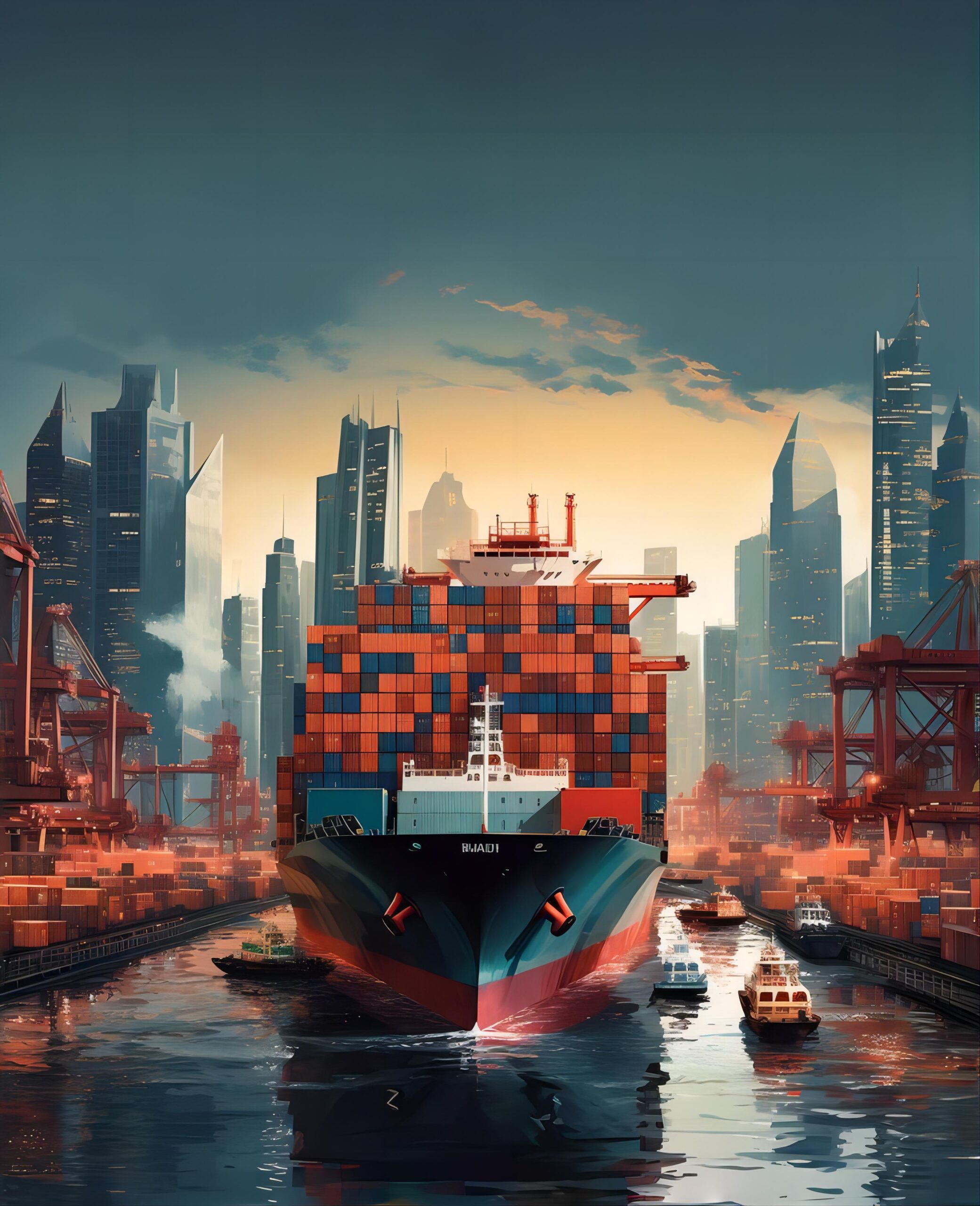
Environmental considerations also play a growing role in modern supply chain decisions. For example, sea transport produces a much smaller carbon footprint per ton of cargo than aviation. Therefore, choosing ocean routes helps fashion brands meet their sustainability goals while maintaining a steady flow of goods. Indeed, the reliability of scheduled liner services provides a predictable rhythm for inventory management.

Furthermore, modern ships are equipped with advanced cargo handling technology to protect delicate fabrics. As a result, importers can rest assured that their seasonal collections will arrive in pristine condition. Meanwhile, the ability to choose between different container sizes offers flexibility for both small boutiques and large retail chains. Without a doubt, this method remains the backbone of the global apparel industry.
How Much Does Clothing Sea Freight China to UK Cost?
Determining the exact cost of clothing sea freight China to UK depends on several variables including fuel prices and seasonal demand. Generally, freight rates are calculated based on the container type or the volume of the cargo in cubic meters. In addition, port charges and local delivery fees must be factored into the total landed cost to ensure accurate financial planning.
According to industry benchmarks, prices for a standard 40HQ container have stabilized in early 2025 after previous global disruptions. Nevertheless, shippers should expect slight fluctuations during peak seasons such as the lead-up to the Christmas holidays. Accordingly, booking several weeks in advance is often the best way to secure competitive rates. For instance, early bookings can save up to 15 percent on base ocean freight.
Market data suggests that local charges at UK ports can also impact the final price significantly. Specifically, terminal handling fees and documentation costs vary between Felixstowe, Southampton, and London Gateway. Consequently, working with an experienced forwarder is essential to navigate these local nuances. Note: Freight rates are subject to change based on fuel costs, carrier capacity, and seasonal demand. Contact us for a current quote tailored to your specific shipment.
| Container Type | Capacity (CBM) | Cost Range (USD) | Best For |
|---|---|---|---|
| 20GP Standard | 28-30 CBM | $2,000 – $2,800 | Small bulk orders |
| 40GP Standard | 58-60 CBM | $3,200 – $4,200 | Mid-sized inventory |
| 40HQ High Cube | 68-70 CBM | $3,500 – $4,500 | Large volume apparel |
| LCL (per CBM) | Variable | $50 – $90 | Small trial shipments |
Understanding Transit Times for Ocean Shipments
Transit time is a critical factor for fashion brands that need to align their arrivals with seasonal launches. Typically, the voyage from major Chinese ports like Shanghai or Ningbo to the UK takes between 30 and 40 days. However, factors such as weather conditions and port congestion can occasionally extend these timelines. Therefore, building a buffer into your delivery schedule is a wise logistics practice.
Direct routes are generally faster but may come at a premium price compared to transshipment options. For example, a direct vessel to Felixstowe might arrive in 32 days, whereas a route via Singapore could take 38 days. In contrast, transshipment can offer cost savings for businesses that are not in an immediate rush. Nevertheless, the choice depends entirely on your specific inventory requirements.
Additionally, the time required for loading in China and unloading in the UK must be considered. On average, you should allow 3 to 5 days for origin procedures and another 3 to 5 days for UK customs and final delivery. Consequently, a total door-to-door timeline of 45 to 50 days is a realistic expectation for most sea shipments. Industry average for this route suggests that consistency is improving as carrier networks optimize their schedules.
| Origin Port | UK Destination Port | Average Sea Transit | Service Type |
|---|---|---|---|
| Shenzhen | Felixstowe | 30-33 Days | Direct Service |
| Shanghai | Southampton | 32-35 Days | Direct Service |
| Ningbo | London Gateway | 34-38 Days | Transshipment |
| Qingdao | Liverpool | 38-42 Days | Transshipment |
How Does Sea Freight Compare to Other Shipping Options?
Analyzing all available transport methods is vital for creating a resilient supply chain. While sea freight is the leader for volume, air freight provides a necessary alternative for urgent restocks or high-end luxury items. For instance, air transport can deliver goods in 5 to 7 days, which is essential if a particular clothing line goes viral and sells out unexpectedly.
Rail freight has also emerged as a middle-ground solution for shipments to Europe, offering faster speeds than sea and lower costs than air. However, recent geopolitical shifts have impacted the consistency of rail routes from China to the UK. Consequently, many importers have returned to ocean freight as their primary reliable method. In addition, sea-air hybrid solutions can sometimes offer a compromise between speed and expenditure.
Ultimately, the best choice depends on your cargo volume and budget constraints. For example, shipping a single pallet of premium silk dresses via air might be justifiable, but shipping 10,000 cotton t-shirts that way would be financially ruinous. Therefore, most successful fashion brands use a mix of methods to balance their inventory needs. Without a doubt, sea freight remains the foundation for the majority of global apparel trade.
| Method | Cost Range | Transit Time | Best For |
|---|---|---|---|
| Sea Freight | $ (Lowest) | 30-45 Days | Bulk stock |
| Air Freight | $$$$ (Highest) | 5-8 Days | Urgent samples |
| Rail Freight | $$ (Medium) | 18-25 Days | Mid-range urgency |
| Express | $$$$$ (Premium) | 3-5 Days | E-commerce parcels |
FCL vs LCL: Selecting the Right Method for Apparel
Choosing between Full Container Load (FCL) and Less than Container Load (LCL) is a pivotal decision for clothing importers. If you have enough stock to fill at least 15 cubic meters, FCL is generally the more economical and secure option. Moreover, FCL shipments are sealed at the factory and only opened at the destination, which reduces the risk of damage or loss during transit.
On the other hand, LCL allows smaller businesses to share container space with other shippers. This is particularly useful for boutique brands that do not require a full 20-foot container for their seasonal inventory. However, LCL shipments often involve more handling and longer processing times at consolidation hubs. Consequently, you should factor in an extra few days for the de-consolidation process upon arrival in the UK.
Many businesses utilize door to door services to simplify either FCL or LCL logistics. This comprehensive approach ensures that the forwarder manages every step from the Chinese factory to your UK doorstep. Indeed, this reduces the administrative burden on your team and allows you to focus on marketing and sales. Choosing the right container strategy is essential for maintaining a lean and efficient supply chain.
Essential Customs and Documentation for UK Imports
Navigating the legal requirements of UK customs is perhaps the most complex part of the shipping process. Importers must ensure they have a valid EORI number to bring goods into the country. Furthermore, accurate classification of clothing items using the correct commodity codes is vital for determining the applicable VAT and duty rates. Failure to do so can result in costly delays or even fines from HMRC.
Professional customs brokerage services are highly recommended to manage this paperwork effectively. For example, they can help prepare the Bill of Lading, Commercial Invoice, and Packing List with precision. Additionally, they can advise on preferential origin rules that might reduce duty payments under specific trade agreements. Consequently, an expert broker acts as a safeguard against common compliance errors.
Documentation must be submitted electronically through the Customs Declaration Service (CDS) in the UK. Therefore, having all digital files ready before the ship docks is a prerequisite for fast clearance. In addition, you should be prepared for potential physical inspections by customs officials, especially for textile products. Meanwhile, maintaining organized records of all imports is a legal requirement for UK businesses for at least six years.
Real-World Case Studies for UK Clothing Importers
Case Study 1: Seasonal Summer Collection. Route: Shenzhen to Felixstowe. Cargo: Cotton dresses and t-shirts, 22 CBM, 4,500 kg. Container: 1 x 20GP. Shipping Details: Direct service via major carrier. Port of Loading: Shenzhen. Port of Discharge: Felixstowe. Cost Breakdown: Ocean Freight $2,400; Origin Charges $450; Destination Charges $550; Customs and Duties $1,200 (Estimated). Total Landed Cost: $4,600. Timeline: Booking to Loading 4 days; Sea Transit 31 days; Customs Clearance 2 days; Total Door-to-Door 42 days. Key Insight: Early booking during the off-peak spring season secured a lower rate before the summer rush.
Case Study 2: Winter Coat Restock. Route: Ningbo to Southampton. Cargo: Heavy wool coats and jackets, 65 CBM, 12,000 kg. Container: 1 x 40HQ. Shipping Details: Direct service. Port of Loading: Ningbo. Port of Discharge: Southampton. Cost Breakdown: Ocean Freight $4,100; Origin Charges $600; Destination Charges $750; Customs and Duties $3,500 (Estimated). Total Landed Cost: $8,950. Timeline: Booking to Loading 6 days; Sea Transit 34 days; Customs Clearance 3 days; Total Door-to-Door 48 days. Key Insight: Using a High Cube container allowed for maximum volume, reducing the shipping cost per unit for these bulky items.
Typical rates as of early 2025 suggest that these examples reflect current market realities. However, every shipment is unique, and variables such as final delivery distance within the UK can influence the total price. For instance, delivering to a warehouse in Scotland will cost more than a delivery within the Midlands. Therefore, always request a comprehensive quote that includes all local haulage fees.
Which Option Should You Choose? Decision Framework
Selecting the right logistics strategy requires a clear understanding of your business priorities. If your primary goal is budget optimization, then sea freight is the clear winner for any shipment over 2 cubic meters. On the other hand, if you are launching a time-sensitive marketing campaign, the speed of air or express services might justify the higher cost. Consequently, you should categorize your inventory by urgency and value.
Volume thresholds also play a major role in this decision-making process. For example, once your shipment exceeds 15 CBM, switching from LCL to a dedicated 20GP container often becomes more cost-effective. Furthermore, for e-commerce sellers, using Amazon FBA logistics can streamline the distribution process once the goods arrive in the UK. Indeed, leveraging specialized services can provide a significant competitive advantage.
Cargo type considerations should not be overlooked when choosing a method. While most clothing is durable, high-end fashion items may require the extra security and speed of air transport to minimize handling. In contrast, bulk items like denim or basic t-shirts are perfectly suited for the longer transit times of ocean freight. Therefore, a hybrid approach often yields the best results for diverse product portfolios. Market intelligence suggests that the most successful importers constantly review their logistics mix.
Conclusion
To summarize, successfully managing clothing sea freight China to UK involves a deep understanding of costs, transit times, and customs requirements. By choosing the right container type and leveraging professional logistics partners, you can significantly reduce your overheads while maintaining a reliable supply of inventory. Furthermore, staying informed about market trends and seasonal fluctuations allows you to plan your shipments with greater precision.
Ultimately, the goal is to create a resilient logistics framework that supports your brand’s growth. Whether you are a small startup or an established retailer, the cost-efficiency of ocean freight remains a vital tool for international trade. Consequently, investing time in optimizing your shipping strategy today will pay dividends in the form of healthier margins and more satisfied customers in the future.
Ready to streamline your logistics?
Streamline your fashion supply chain today with expert clothing sea freight China to UK services. Our team at Top China Freight provides reliable, cost-effective logistics solutions tailored to your unique business needs. Contact us now to receive a personalized quote and ensure your next collection arrives on time and within budget. Send Inquiry Visit https://Top China Freight.com/
Request Quote