
Clothing Shipping from China to Europe: Your Ultimate Guide
Embarking on the journey of clothing shipping from China to Europe can seem daunting, yet it presents vast opportunities for businesses. From small boutiques to large distributors, understanding the logistics is crucial for timely and cost-effective delivery. This comprehensive guide will illuminate the best practices, methods, and considerations to streamline your apparel imports.
✦
Why is Efficient Clothing Shipping from China to Europe Crucial?
The global fashion industry thrives on rapid supply chains and efficient distribution. Consequently, seamless clothing shipping from China to Europe is paramount for brands aiming to stay competitive.
Indeed, consumer demand for new collections and fast fashion trends necessitates swift transit times. Moreover, managing logistics effectively directly impacts profitability and customer satisfaction, making every shipment critical.
Furthermore, the European market is diverse, with varying regulations and consumer expectations. Therefore, a well-planned shipping strategy ensures compliance and meets market demands without unnecessary delays or costs.
Understanding Key Shipping Methods for Apparel
Selecting the appropriate shipping method is fundamental for successful apparel imports. Specifically, factors like urgency, volume, and budget significantly influence this decision. Each mode of transport offers distinct advantages for different types of clothing shipments.
Moreover, market conditions and global events can impact freight rates and transit times. Therefore, remaining flexible and informed about various options is essential for optimizing your supply chain.
| Shipping Method | Typical Transit Time | Cost Efficiency | Best For | Key Limitations |
|---|---|---|---|---|
| Sea Freight | 28-45 days | Very High | Bulk, non-urgent goods | Slowest, port congestion risk |
| Air Freight | 3-7 days | Low | Urgent, high-value, samples | Highest cost, weight/size limits |
| Rail Freight | 18-25 days | Medium | Mid-volume, time-sensitive but budget-conscious | Limited routes, still slower than air |
Sea Freight for Bulk Clothing Shipments
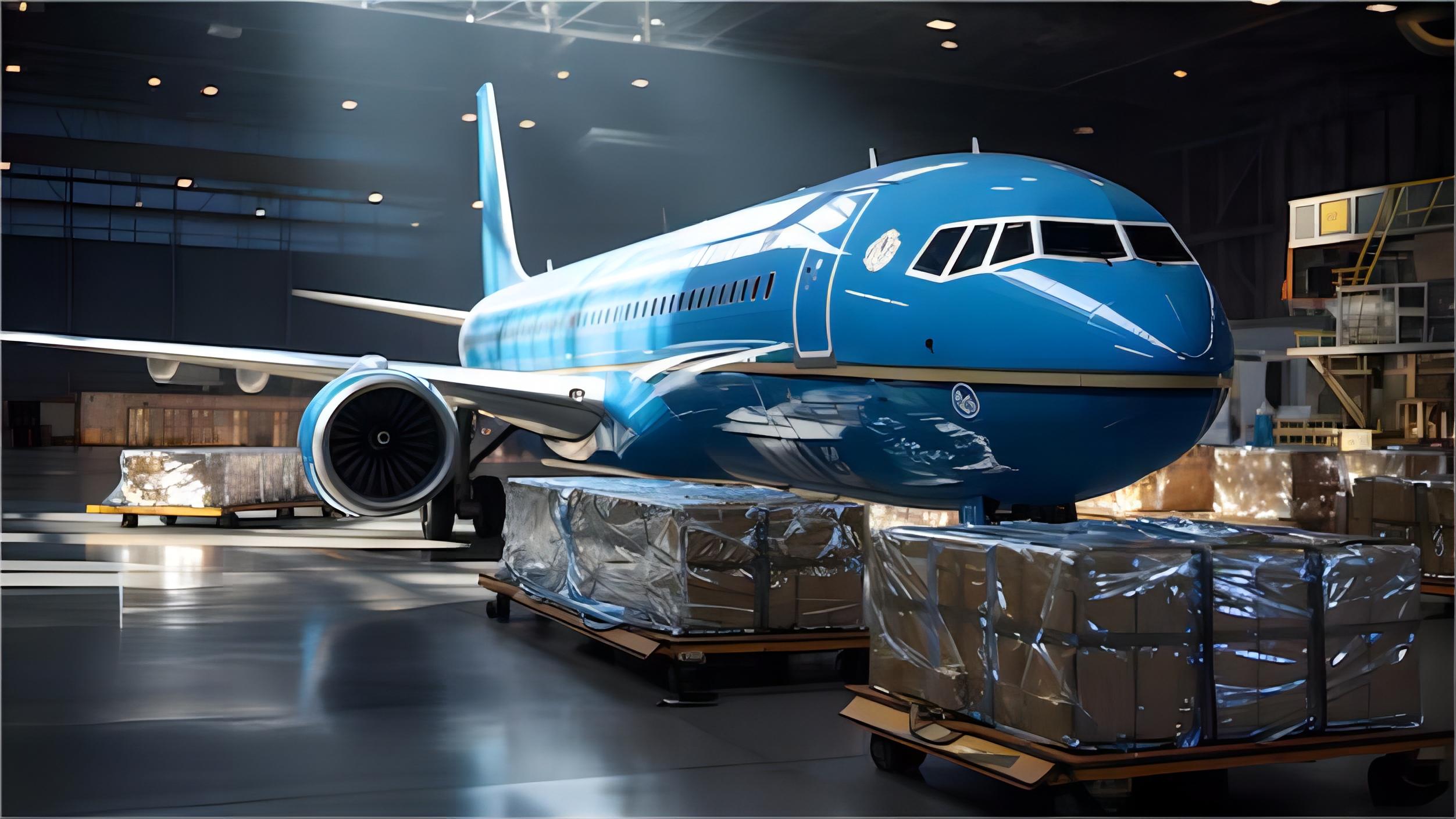
Sea freight remains the most cost-effective option for large volumes of clothing. Specifically, it is ideal for non-urgent, heavy, or bulky apparel orders, offering significant savings compared to air transport.
However, transit times are considerably longer, typically ranging from 28 to 45 days. Consequently, meticulous planning and a reliable delivery schedule are crucial when opting for ocean shipping.
Furthermore, both Full Container Load (FCL) and Less than Container Load (LCL) options are available. FCL is suitable for shipments large enough to fill an entire container, while LCL consolidates smaller shipments from multiple senders.
Air Freight for Time-Sensitive Fashion
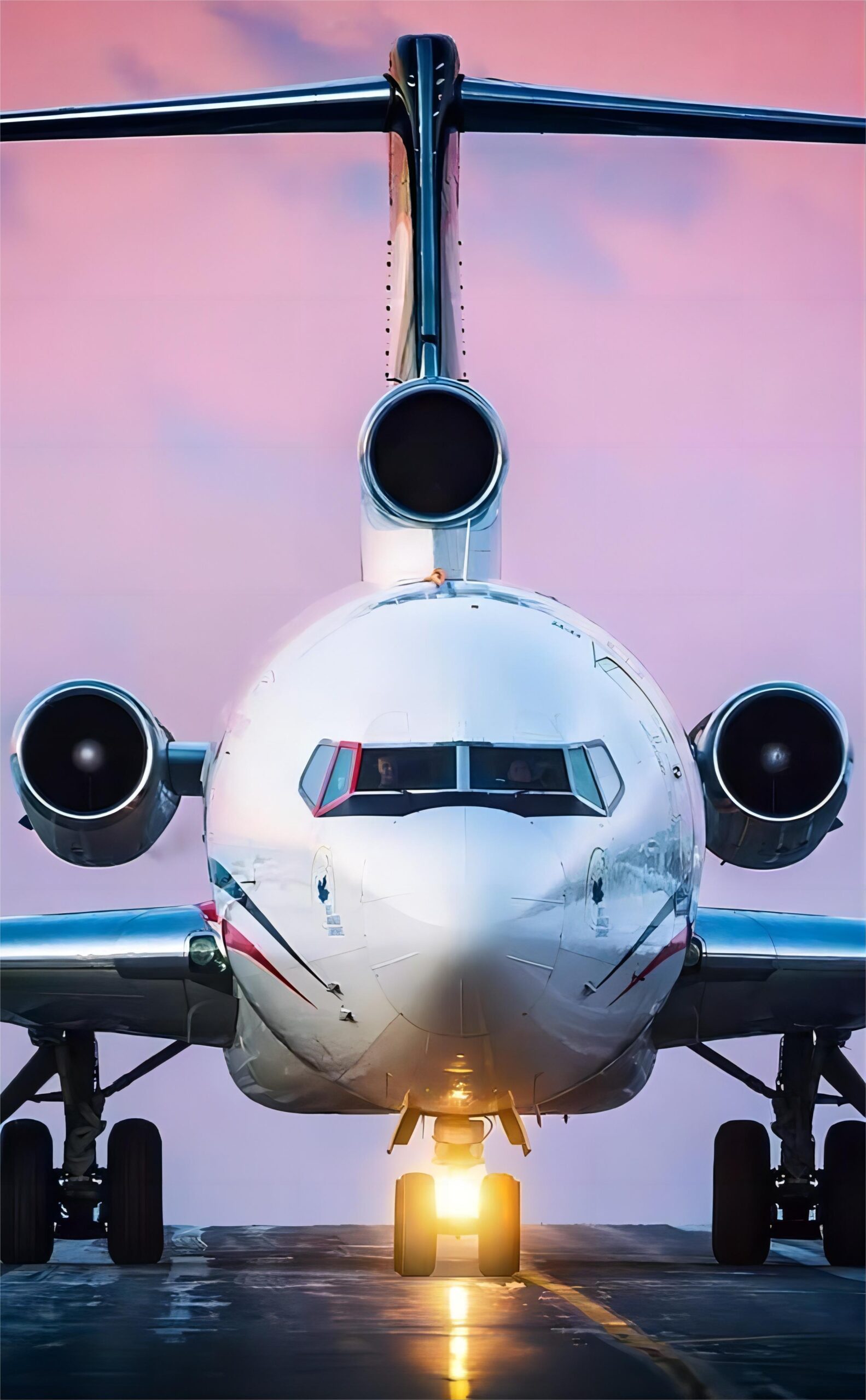
For urgent clothing collections or high-value fashion items, air freight provides unparalleled speed. Transit times are drastically reduced, often taking only 3-7 days from China to Europe.
Nevertheless, the primary drawback of air freight is its higher cost, making it less suitable for heavy or low-margin goods. Therefore, it is typically reserved for expedited orders, samples, or seasonal launches.
Additionally, air cargo is subject to strict weight and size limitations. Consequently, careful packaging and optimization of cargo handling are vital to manage costs and ensure compliance.
Rail Freight: A Balanced Option
Rail freight has emerged as a popular middle-ground solution for rail freight from China to Europe. It offers a balance between the speed of air freight and the cost-effectiveness of sea freight.
Specifically, transit times typically range from 18 to 25 days, significantly faster than sea but slower than air. This makes it an excellent choice for businesses seeking moderate speed without exorbitant costs.
Moreover, rail transport is generally more environmentally friendly than air freight. As a result, it appeals to companies prioritizing sustainable logistics trends in their supply chain operations.
Navigating Customs and Documentation for European Imports
Customs clearance is a critical, often complex, component of customs brokerage for clothing shipping from China to Europe. Proper documentation is essential to avoid delays and penalties.
Indeed, key documents include the commercial invoice, packing list, bill of lading/airway bill, and certificate of origin. Furthermore, specific regulations regarding textiles and apparel may apply, such as REACH compliance or labeling requirements.
Additionally, understanding tariffs, duties, and VAT is crucial for accurate cost estimation. Therefore, working with an experienced customs broker can streamline this process and ensure compliance with European Union import/export laws.
Optimizing Your Supply Chain: Cost-Saving Strategies
Effective supply chain management can significantly reduce the overall shipping costs for clothing from China to Europe. Consequently, implementing smart strategies can enhance your profit margins and operational efficiency.
Indeed, understanding your cargo handling needs and exploring various freight options are key steps. Moreover, proactive planning helps mitigate unforeseen expenses and ensures a smoother delivery schedule.
FCL vs. LCL: Which is Right for Your Clothing Volume?
For large orders, a Full Container Load (FCL) generally offers better per-unit cost efficiency. You pay for the entire container, irrespective of whether it’s completely full.
Conversely, Less than Container Load (LCL) is ideal for smaller shipments, typically under 15-20 CBM. Here, your goods share container space with other consignments, and you only pay for the volume occupied.
Choosing between FCL and LCL depends on your shipment size and urgency. While LCL can be cheaper for small volumes, FCL often provides faster transit and less handling risk for larger quantities.
Consolidation Services
Consolidation services allow you to combine multiple smaller orders from different suppliers into one larger shipment. This strategy is particularly effective for managing diverse product lines.
By consolidating, you can often convert several LCL shipments into a more cost-effective FCL. This approach minimizes individual shipping costs and streamlines customs procedures.
Furthermore, for businesses utilizing platforms like Amazon, specialized Amazon FBA services can integrate consolidation directly into their fulfillment process. This ensures efficient delivery to Amazon warehouses across Europe.
Choosing the Right Incoterms
Incoterms define the responsibilities of buyers and sellers for the delivery of goods under sales contracts. Selecting the appropriate Incoterm can significantly impact your shipping costs and risk exposure.
For example, ‘Ex Works’ (EXW) places most responsibility on the buyer, while ‘Delivered Duty Paid’ (DDP) places it on the seller. Understanding these terms helps manage expectations and financial liabilities.
Therefore, carefully review Incoterms with your supplier to ensure clarity on who pays for what, from origin charges to destination charges, and customs duties.
Real-World Scenarios: Clothing Shipping from China to Europe
Examining actual shipment cases provides valuable insights into the complexities and solutions in global apparel logistics. These examples highlight how different factors influence shipping decisions.
Based on Q3 2024 market rates, these scenarios demonstrate typical costs and timelines. However, freight rates are subject to change based on fuel costs, carrier capacity, and seasonal demand.
Case Study 1: Large Volume Seasonal Collection
| Detail | Description |
|---|---|
| Route | Shanghai, China -> Hamburg, Germany |
| Cargo | Winter outerwear, 65 CBM, 15,000 kg |
| Container | 1 x 40HQ |
| Shipping Details | |
| – Carrier/Service | COSCO (Major carrier) |
| – Port of Loading | Shanghai |
| – Port of Discharge | Hamburg |
| – Route Type | Direct |
| Cost Breakdown | |
| – Ocean Freight | $3,850 |
| – Origin Charges (THC, documentation) | $350 |
| – Destination Charges | $400 |
| – Customs & Duties (estimated) | $1,200 |
| – Total Landed Cost | $5,800 |
| Timeline | |
| – Booking to Loading | 5 days |
| – Sea Transit | 32 days |
| – Customs Clearance | 3 days |
| – Total Door-to-Door | 40 days |
| Key Insight | Early booking during peak season secured a direct route, minimizing transit time for a time-sensitive collection. |

Case Study 2: Urgent Fashion Week Samples
| Detail | Description |
|---|---|
| Route | Guangzhou, China -> Paris, France |
| Cargo | High-fashion samples, 0.5 CBM, 150 kg |
| Container | Air Cargo (Consolidated) |
| Shipping Details | |
| – Carrier/Service | Cathay Pacific Cargo |
| – Port of Loading | Guangzhou Baiyun (CAN) |
| – Port of Discharge | Paris Charles de Gaulle (CDG) |
| – Route Type | Direct Air |
| Cost Breakdown | |
| – Air Freight | $1,200 |
| – Origin Charges (handling, documentation) | $150 |
| – Destination Charges | $100 |
| – Customs & Duties (estimated) | $250 |
| – Total Landed Cost | $1,700 |
| Timeline | |
| – Booking to Loading | 1 day |
| – Air Transit | 2 days |
| – Customs Clearance | 1 day |
| – Total Door-to-Door | 5 days |
| Key Insight | Prioritizing speed for critical samples justified the higher air freight cost, ensuring timely arrival for a major event. |
Case Study 3: Mid-Size E-commerce Restock
| Detail | Description |
|---|---|
| Route | Chongqing, China -> Warsaw, Poland |
| Cargo | Casual wear, 20 CBM, 4,000 kg |
| Container | 1 x 20GP (LCL converted to FCL for this route) |
| Shipping Details | |
| – Carrier/Service | China-Europe Railway Express |
| – Origin Station | Chongqing |
| – Destination Station | Małaszewicze (Poland) |
| – Route Type | Direct Rail |
| Cost Breakdown | |
| – Rail Freight | $5,500 |
| – Origin Charges (terminal handling) | $300 |
| – Destination Charges | $350 |
| – Customs & Duties (estimated) | $800 |
| – Total Landed Cost | $6,950 |
| Timeline | |
| – Booking to Loading | 3 days |
| – Rail Transit | 18 days |
| – Customs Clearance | 2 days |
| – Total Door-to-Door | 25 days |
| Key Insight | Rail freight offered a great balance of speed and cost for restocking, avoiding the longer sea transit for a central European destination. |
How Does Sea Freight Compare to Other Shipping Options?
When planning shipping from China to Europe, understanding the comparative advantages of each method is vital. Each option presents unique benefits and drawbacks depending on your specific needs.
Specifically, the choice often boils down to a trade-off between cost, speed, and environmental impact. Therefore, a comprehensive comparison helps businesses make informed decisions for their apparel supply chain.
| Shipping Method | Cost Range (40HQ China-Europe) | Typical Transit Time | Best For | Key Limitations |
|---|---|---|---|---|
| Sea Freight | $3,000-4,200 | 28-45 days | Large volume, low urgency, heavy goods | Slow, susceptible to port delays, higher carbon footprint |
| Air Freight | $15,000-25,000 (equivalent volume) | 3-7 days | High-value, urgent, samples, small packages | Very expensive, weight/size restrictions, higher carbon footprint |
| Rail Freight | $5,000-7,000 | 18-25 days | Mid-volume, moderate urgency, landlocked destinations | Limited network, less capacity than sea, potential for border delays |
| Express Courier | $1,000-3,000 (per 100kg) | 2-5 days | Small, urgent packages, documents, samples | Extremely high cost for larger items, strict size/weight limits |
Sea Freight Alternatives
Sea freight is typically the most economical for bulk goods, but its extended transit times can be a disadvantage. Alternative approaches include combining sea with rail or air for hybrid solutions.
For instance, a sea-rail combination can significantly cut down transit time to landlocked European destinations compared to all-sea routes. This offers a middle ground in terms of both cost and speed.
Moreover, for extremely urgent partial shipments, utilizing express service via air can complement a larger sea freight order. This ensures critical items arrive quickly while the main shipment follows a slower, cheaper route.
Air Freight Alternatives
While air freight is fastest, its high cost often prompts businesses to seek alternatives. One common strategy is to use air freight only for initial product launches or urgent restocks, then switch to slower methods.
Another approach involves optimizing cargo density and using consolidated air services to reduce per-unit costs. This requires careful planning and coordination with your freight forwarder.
Alternatively, for moderately time-sensitive goods, rail freight presents a viable option. It provides faster delivery than sea freight at a fraction of air freight’s cost, especially for destinations along the ‘New Silk Road’ rail lines.
Rail Freight Alternatives
Rail freight offers a solid balance, but its routes are less extensive than sea or air. For destinations not directly served by rail, alternative strategies might be necessary.
For example, combining rail to a central European hub with local truck delivery provides an efficient last-mile solution. This extends the reach of rail freight across the continent.
Furthermore, for smaller, less urgent rail-bound shipments, consolidating into LCL sea freight might offer further cost savings, albeit with longer transit times. This depends heavily on the specific cargo and budget.
Which Shipping Option Should You Choose for Your Clothing Imports?
Deciding on the optimal shipping method for your door to door clothing imports requires careful evaluation of several factors. Your business priorities will largely dictate the best approach.
Consider your budget constraints, the urgency of your shipment, and the specific characteristics of your apparel. Each element plays a crucial role in determining the most suitable logistics solution.
Moreover, market dynamics, such as peak seasons or global events, can influence available capacities and freight rates. Therefore, flexibility and proactive planning are essential for successful import operations.
Partnering with a Reliable Freight Forwarder
Navigating the complexities of clothing shipping from China to Europe demands expertise. Consequently, partnering with a reputable freight forwarder is invaluable for seamless operations.
A good freight forwarder offers comprehensive services, from customs clearance to cargo handling and optimizing your delivery schedule. They act as your logistics partner, ensuring your goods reach their destination efficiently.
Indeed, their network and experience can help you secure better freight rates, manage documentation, and overcome unforeseen challenges. Therefore, choosing the right partner is a strategic decision for your business’s success.
Mastering Clothing Shipping from China to Europe
Ultimately, successful <a href=”https://Top China Freight.com/”>clothing shipping from China to Europe</a> hinges on informed decisions and strategic partnerships. Businesses must carefully weigh cost, speed, and reliability against their specific operational needs.
By understanding the nuances of sea, air, and rail freight, and by proactively managing customs and documentation, companies can optimize their supply chain. This ensures competitive advantage and customer satisfaction in the dynamic fashion market.
Furthermore, leveraging the expertise of a professional freight forwarder like Top China Freight ensures a smooth and efficient process. This allows you to focus on your core business while we handle the complexities of international logistics.