Computer Parts Air Freight China to Europe: Costs and Transit Guide
Navigating the complexities of computer parts air freight china to europe requires a deep understanding of logistics efficiency and supply chain management. High-value electronics like CPUs, GPUs, and motherboards demand rapid transit and secure handling to maintain market competitiveness. Top China Freight provides specialized solutions to ensure your sensitive hardware reaches its destination safely and on schedule. Consequently, businesses can minimize downtime and respond quickly to the volatile demands of the European tech market.
Why Choose Computer Parts Air Freight China to Europe?
Choosing air transport for delicate electronic components offers unparalleled speed compared to surface alternatives. Since computer parts are often high-value and low-volume, the cost-to-weight ratio makes air freight an economically viable choice for most distributors. Moreover, the reduced transit time significantly lowers the risk of physical damage and theft during long-haul journeys.
Furthermore, shorter transit windows mean that capital is not tied up in inventory for extended periods. In the fast-paced world of technology, a delay of even two weeks can render certain components obsolete or lead to significant price drops. Therefore, air shipping serves as a critical tool for maintaining a lean and responsive supply chain.
Understanding Air Freight Costs for Electronics
Calculating the expenses for shipping computer components involves looking at both actual weight and volumetric weight. Most carriers apply the ‘chargeable weight’ rule, which selects the higher value between the physical mass and the space the cargo occupies. Additionally, fuel surcharges and security fees are standard components of the final invoice.
Typically, freight rates for this route fluctuate based on seasonal demand and global economic conditions. For instance, during the Q4 peak season, you might see prices rise by 20 to 30 percent. Meanwhile, off-peak periods in early spring often offer more competitive rates for consistent shippers.
| Weight Bracket | Price per KG (USD) | Surcharges | Total Est. Cost |
|---|---|---|---|
| 45 – 100 kg | $4.50 – $6.50 | Included | $200 – $650 |
| 101 – 300 kg | $3.80 – $5.20 | Included | $380 – $1,560 |
| 301 – 500 kg | $3.20 – $4.50 | Included | $960 – $2,250 |
| 500+ kg | $2.80 – $3.90 | Included | $1,400+ |
Transit Times: How Fast Can You Get Your Components?
Shipping speed is the primary reason businesses opt for shipping from China to Europe via air. Standard air freight typically takes between 3 to 7 days, depending on the specific origin and destination airports. Specifically, direct flights from major hubs like Shenzhen or Shanghai to Frankfurt or Amsterdam are the fastest options.
On the other hand, deferred air services might take 8 to 12 days but offer a more budget-friendly alternative. These services usually involve one or more transshipment points, which can introduce slight delays but significantly reduce the overall freight bill. Nevertheless, even the slowest air service is vastly superior to the 30-day transit times associated with ocean transport.
How Does Air Freight Compare to Other Shipping Options?
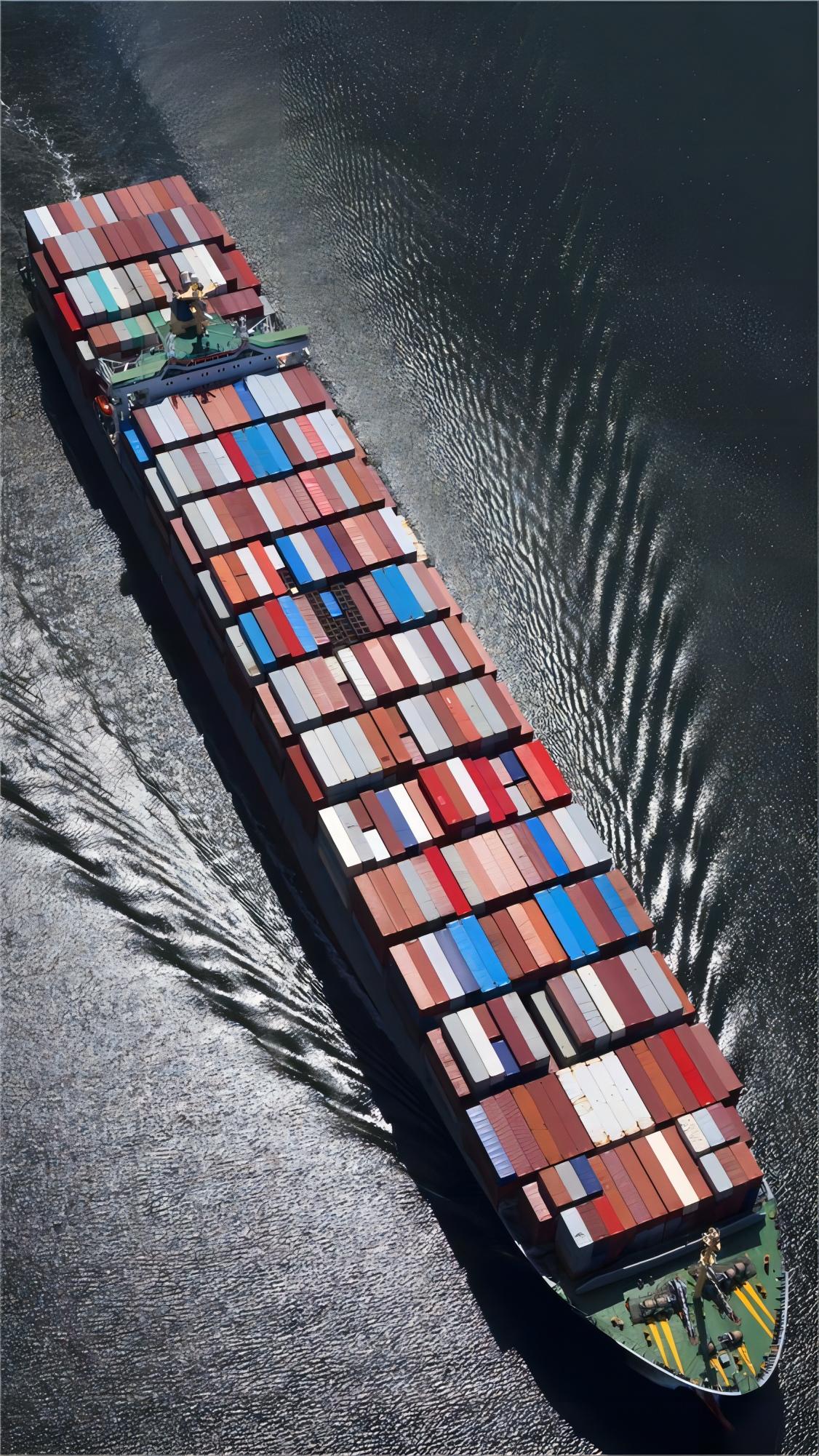
Evaluating different logistics modes is essential for optimizing your shipping strategy. While air freight is the fastest, rail freight offers a middle ground for shipments that are not time-critical but too heavy for planes. Rail transit usually takes 15 to 22 days, providing a balance between cost and speed.
In contrast, sea freight remains the most economical choice for massive volumes of low-value peripherals like computer cases or cables. However, for high-end GPUs or processors, the risk of moisture damage and the long duration of sea travel often outweigh the cost savings. Indeed, the choice depends entirely on your specific margin requirements and delivery deadlines.
| Method | Cost Range | Transit Time | Best For |
|---|---|---|---|
| Air Freight | $3.00 – $6.00/kg | 3-7 Days | High-value parts |
| Rail Freight | $1.50 – $2.50/kg | 15-22 Days | Bulk components |
| Sea Freight | $0.50 – $1.00/kg | 30-45 Days | Heavy peripherals |
| Express | $6.00 – $9.00/kg | 2-4 Days | Urgent samples |
Which Option Should You Choose?
Determining the right shipping method requires a clear set of priorities. If your primary goal is budget conservation and you are moving large quantities of static-resistant items, sea freight is the winner. Conversely, if you are launching a new product line and need stock on shelves immediately, air freight is the only logical path.
Consider a hybrid approach for complex inventories. You might send the first 10 percent of your stock via express shipping to meet initial demand, while the remainder follows via rail or sea. This strategy allows you to capture early market share without overspending on the entire shipment.
Essential Customs Documentation for European Imports
Navigating the regulatory landscape of the European Union is a critical step in the import process. You must provide a detailed commercial invoice, a packing list, and a Bill of Lading or Air Waybill. Additionally, computer parts often require specific certifications, such as CE marking, to prove compliance with safety and environmental standards.
Utilizing professional customs brokerage services can prevent costly delays at the border. Brokers ensure that your HS codes are classified correctly, which determines the amount of VAT and import duties you will pay. Consequently, accurate documentation is the best defense against unexpected storage fees and customs seizures.
The Benefits of Door to Door Logistics
Managing multiple vendors during the shipping process can be overwhelming for many businesses. Choosing a door to door delivery service simplifies the entire chain by providing a single point of contact. This service includes pickup from the factory in China, international air transport, customs clearance, and final mile delivery to your warehouse in Europe.
Moreover, this integrated approach often leads to better communication and fewer errors. Since one company handles the cargo from start to finish, the accountability is much higher. As a result, you spend less time tracking packages and more time growing your business operations.
Real-World Case Studies: Shipping Components from China
Case Study 1: Urgent GPU Restock. Route: Shenzhen to Paris. Cargo: 500kg of Graphics Cards. Method: Premium Air Freight. Cost: $2,850. Transit Time: 4 days. Key Insight: Direct routing prevented a stockout during a major gaming release in Europe.
Case Study 2: Bulk Motherboard Distribution. Route: Shanghai to Warsaw. Cargo: 1,200kg of Motherboards. Method: Deferred Air Freight. Cost: $4,200. Transit Time: 9 days. Key Insight: Using a transshipment hub in Dubai saved the client $800 compared to direct flights.
Final Thoughts on Shipping Computer Parts
To summarize, computer parts air freight china to europe remains the gold standard for businesses that prioritize speed and security. By understanding the cost structures and transit options, you can make informed decisions that protect your margins and satisfy your customers. Always ensure your documentation is in order and consider the benefits of end-to-end logistics services.
Indeed, the right shipping partner makes all the difference in navigating international trade. Whether you are shipping small batches of CPUs or large volumes of hardware, air freight provides the agility needed in today’s tech industry. Note: Freight rates are subject to change based on fuel costs, carrier capacity, and seasonal demand. Contact us for a current quote tailored to your specific shipment.
Ready to streamline your logistics?
Ready to streamline your electronics supply chain? Contact our team today for a customized quote on computer parts air freight china to europe and experience seamless global logistics. Visit our website to learn more about our specialized shipping solutions.
Request Quote