
Computer Parts Freight China to Europe: Your Ultimate Guide
Navigating computer parts freight from China to Europe presents unique challenges, from complex customs regulations to fluctuating shipping costs. Businesses require reliable logistics solutions to ensure timely and secure delivery of sensitive electronics. This guide provides comprehensive insights into optimizing your supply chain with Top China Freight.
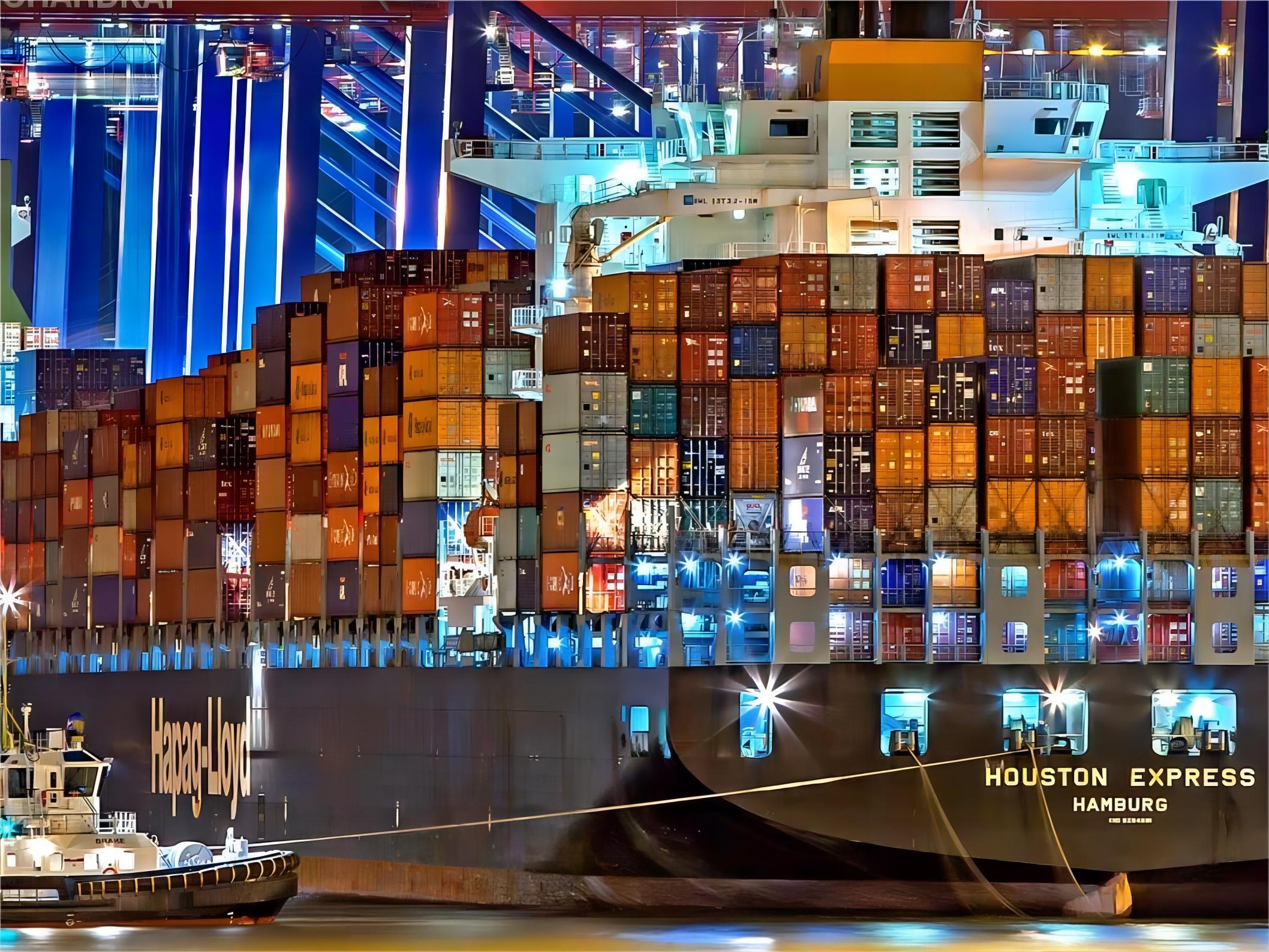
Why is Computer Parts Freight China to Europe Complex?
Shipping computer parts from China to Europe involves more than just moving boxes. These items are often high-value, fragile, and subject to strict import regulations. Therefore, careful planning and execution are crucial for success.
Furthermore, the global supply chain for electronics faces constant disruptions and evolving market demands. Managing inventory and ensuring a consistent flow of components requires robust logistics. Consequently, businesses must partner with experienced freight forwarders to navigate these complexities effectively.

Key Shipping Methods for Computer Parts from China to Europe
Choosing the right shipping method is fundamental for efficient computer parts freight China to Europe. Several options exist, each with distinct advantages and disadvantages. Your decision will largely depend on urgency, budget, and cargo volume.
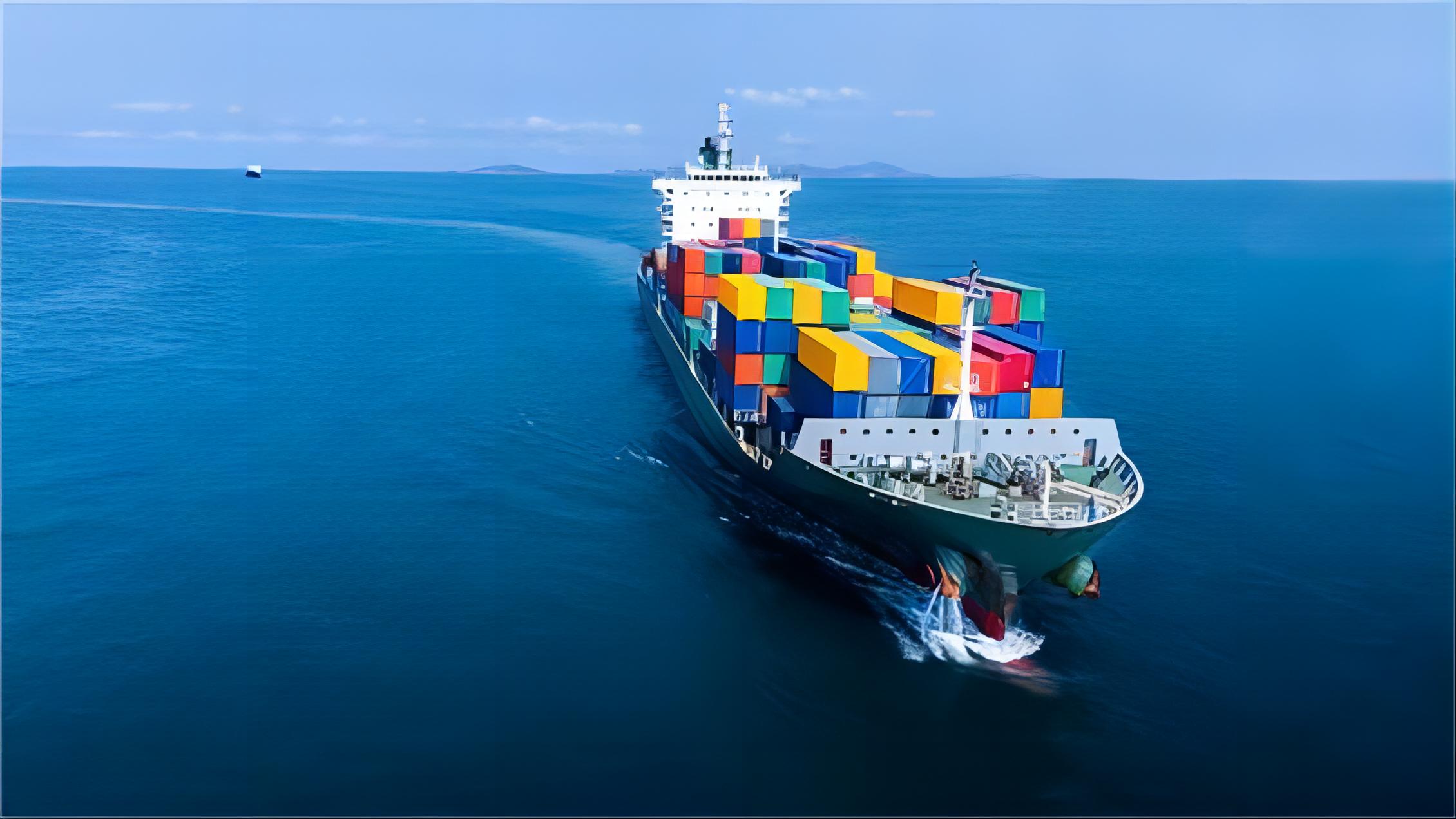
Consider the various transit times and cost implications associated with each transport mode. Ultimately, selecting the optimal method ensures both cost-effectiveness and timely delivery for your valuable components.
Air Freight for Urgent Shipments
For urgent deliveries of high-value computer parts, air freight is typically the fastest option. It offers unparalleled speed, reducing transit times from weeks to mere days. This method is ideal for time-sensitive product launches or critical inventory replenishment.
However, air freight is also the most expensive mode of transport. Therefore, it is best suited for lighter, smaller, and higher-value shipments where speed outweighs cost considerations. Express shipping computer parts China Europe ensures minimal lead time.
Sea Freight for Bulk Components
When cost-effectiveness and large volumes are priorities, sea freight provides an economical solution. This method is perfect for bulk computer components, offering significant savings compared to air transport. While slower, it accommodates massive cargo sizes.
Consequently, sea freight is often preferred for regular inventory replenishment and less time-critical orders. Transit times typically range from 28 to 38 days, depending on the route and destination port. This makes it a cornerstone of many supply chain management for electronics strategies.
Rail Freight: A Balanced Approach
Rail freight presents a compelling middle-ground between air and sea transport. It offers faster transit times than sea freight and is considerably more cost-effective than air freight. This makes rail freight electronics China Europe an increasingly popular choice for many businesses.
Moreover, rail transport is often considered more environmentally friendly due to lower carbon emissions per ton-kilometer. Services like the China-Europe Railway Express provide reliable and consistent schedules. This option balances speed, cost, and sustainability effectively.

How Does Each Method Compare for Computer Parts Freight?
Understanding the trade-offs between different shipping methods is essential for making informed decisions. Each option has a unique profile regarding speed, cost, and suitability for specific cargo. As of Q1 2025, freight rates from China to Europe have stabilized after recent disruptions, yet fluctuations persist.
For instance, while sea freight costs typically range from $3,000-4,200 for a 40HQ container, air freight for the same volume could easily exceed $20,000. Conversely, air freight delivers in days, whereas sea freight takes weeks. The market data suggests careful consideration of your budget priority and speed priority.
Note: Freight rates are subject to change based on fuel costs, carrier capacity, and seasonal demand. Contact us for a current quote tailored to your specific shipment.
| Shipping Method | Cost Range (40HQ est.) | Transit Time | Best For | Limitations |
|---|---|---|---|---|
| Air Freight | $15,000 – $25,000+ | 5-7 Days | Urgent, high-value, small volume | Highest cost, volume/weight restrictions |
| Sea Freight | $3,000 – $4,200 | 28-38 Days | Bulk, non-urgent, heavy/large items | Long transit time, less flexible schedules |
| Rail Freight | $8,000 – $12,000 | 15-20 Days | Mid-urgency, cost-sensitive, larger volume than air | Limited routes, rail network dependency |
Navigating Customs and Regulations for Computer Parts
Customs clearance for electronics in Europe is a critical and often complex step. Importers must comply with various regulations, including CE marking, RoHS directives, and WEEE requirements. Proper documentation is absolutely essential to avoid delays and penalties.
Furthermore, tariffs and duties apply to imported computer parts, impacting the overall cost. Engaging a professional customs brokerage service is highly recommended. This ensures all necessary paperwork is correctly prepared and submitted, facilitating smooth entry into the EU market.
Cost-Saving Strategies for Shipping Computer Components
Reducing the cost of shipping computer parts from China to Europe is a key objective for many businesses. Strategic planning and smart logistics choices can significantly impact your bottom line. One effective approach involves consolidating multiple smaller shipments into a larger one.
For example, for shipments under 15 CBM, Less than Container Load (LCL) at $50-80/CBM may be more economical than a full container. However, for volumes exceeding 15 CBM, a Full Container Load (FCL) becomes more cost-efficient. Also, consider hybrid solutions like sea-rail combinations to optimize both speed and freight rates.
Real-World Case Studies in Computer Parts Freight
Examining real-world scenarios provides valuable insights into effective computer parts freight China to Europe. These examples highlight the practical application of different shipping methods and strategies. They demonstrate how tailored logistics solutions address specific business needs.
Case Study 1: Urgent GPU Shipment for a Product Launch
A European electronics distributor needed 500 high-end GPUs for a critical product launch. Speed was paramount, despite the higher cost. The decision was made to utilize air freight to meet the tight deadline.
| Detail | Description |
|---|---|
| Route | Shenzhen, China -> Frankfurt, Germany |
| Cargo | 500 GPUs, 5 CBM, 1500 kg |
| Container | Air Cargo Pallet (LCL) |
| Shipping Details | Carrier: Lufthansa Cargo, Port of Loading: Shenzhen (SZX), Port of Discharge: Frankfurt (FRA), Route Type: Direct |
| Cost Breakdown | Air Freight: $18,500, Origin Charges: $800, Destination Charges: $600, Customs & Duties (estimated): $2,200, Total Landed Cost: $22,100 (Based on Q3 2024 market rates) |
| Timeline | Booking to Loading: 2 days, Air Transit: 3 days, Customs Clearance: 1 day, Total Door-to-Door: 7 days |
| Key Insight | Air freight ensured the GPUs arrived well ahead of the product launch, despite the premium cost, preventing significant market opportunity loss. |
Case Study 2: Bulk Motherboard Inventory via Sea Freight
A large computer manufacturer required a steady supply of motherboards for their assembly line. Cost-effectiveness and large volume capacity were the primary drivers. Sea freight was chosen for its economic benefits for bulk computer components.
| Detail | Description |
|---|---|
| Route | Shanghai, China -> Rotterdam, Netherlands |
| Cargo | 15,000 Motherboards, 30 CBM, 7500 kg |
| Container | 1 x 40GP |
| Shipping Details | Carrier: Maersk, Port of Loading: Shanghai (CNSHA), Port of Discharge: Rotterdam (NLRTM), Route Type: Direct |
| Cost Breakdown | Ocean Freight: $3,500, Origin Charges: $750, Destination Charges: $650, Customs & Duties (estimated): $1,800, Total Landed Cost: $6,700 (Typical rates as of early 2025) |
| Timeline | Booking to Loading: 5 days, Sea Transit: 30 days, Customs Clearance: 2 days, Total Door-to-Door: 38 days |
| Key Insight | Optimized container utilization and sea freight’s low per-unit cost made this a highly efficient solution for regular inventory replenishment. |
Case Study 3: SSDs via Rail Freight for Balanced Delivery
An online retailer needed to balance speed with cost for a medium-volume shipment of SSDs. Air freight was too expensive, and sea freight too slow. Rail freight offered the ideal compromise for this electronics shipment.
| Detail | Description |
|---|---|
| Route | Chongqing, China -> Duisburg, Germany |
| Cargo | 5,000 SSDs, 8 CBM, 1000 kg |
| Container | LCL via Rail |
| Shipping Details | Carrier: China-Europe Railway Express, Port of Loading: Chongqing, Port of Discharge: Duisburg, Route Type: Direct Rail |
| Cost Breakdown | Rail Freight: $4,800, Origin Charges: $500, Destination Charges: $450, Customs & Duties (estimated): $1,000, Total Landed Cost: $6,750 (Industry average for this route Q4 2024) |
| Timeline | Booking to Loading: 3 days, Rail Transit: 16 days, Customs Clearance: 1 day, Total Door-to-Door: 22 days |
| Key Insight | Rail freight provided a reliable and faster alternative to sea freight, allowing the retailer to restock shelves quicker without the prohibitive cost of air transport. |
Optimizing Your Supply Chain for Tech Imports
Beyond selecting a shipping method, a holistic approach to your supply chain is vital. Effective supply chain management for electronics involves everything from warehousing and inventory control to final mile delivery. A comprehensive strategy mitigates risks and enhances efficiency.
Furthermore, consider solutions that offer end-to-end management, such as door-to-door services. These handle every aspect, from pickup at the Chinese factory to delivery at your European warehouse. This streamlined approach minimizes administrative burden and ensures a seamless flow of your computer parts freight China to Europe.
Which Shipping Option Should You Choose? A Decision Framework
Deciding on the best shipping method for your computer parts freight China to Europe depends on several critical factors. A clear decision framework helps you align your logistics strategy with your business objectives. Evaluate your priorities carefully before committing to a method.
If budget is your primary concern, sea freight is generally the most economical choice for large volumes. However, if speed is paramount for urgent product launches, air freight is indispensable. For cargo types less time-sensitive but requiring faster delivery than sea, rail freight offers a compelling balance.
Consider also the volume thresholds for switching methods. LCL is suitable for smaller shipments, but once you reach a certain cubic meterage (e.g., 15-20 CBM), an FCL becomes more cost-effective. Always consult with a logistics expert to tailor the solution to your specific needs.
Conclusion
In conclusion, successful computer parts freight China to Europe demands careful planning, strategic method selection, and expert execution. Understanding the nuances of air, sea, and rail options, alongside robust customs brokerage, is paramount. Partnering with a seasoned freight forwarder like Top China Freight ensures efficiency and reliability for your valuable computer components.
Navigating the complexities of international logistics for high-tech goods requires specialized knowledge. By applying the strategies discussed, businesses can optimize their supply chain, minimize costs, and ensure timely delivery. Ultimately, this leads to a more resilient and competitive operation in the European market.

Start Your Shipment
Are you ready to streamline your computer parts freight China to Europe? Contact our experts today for a personalized quote and discover how our tailored logistics solutions can benefit your business. We are here to help.
Request Quote