
Container Shipping China to Italy: Your Ultimate Guide
Embarking on international trade between China and Italy requires a robust understanding of logistics, especially when it comes to container shipping. This comprehensive guide from Top China Freight aims to demystify the complexities involved in moving goods across continents. We will explore various shipping methods, critical considerations, and how to ensure your cargo reaches its destination efficiently. Navigating the nuances of container shipping China to Italy can be challenging, but with the right information, you can optimize your supply chain.

Why is Container Shipping from China to Italy So Important?
Trade routes between China and Italy represent a vital artery in the global economy, connecting Asian manufacturing hubs with European markets. Consequently, efficient container shipping China to Italy is crucial for businesses of all sizes. This route facilitates the import of diverse goods, from electronics and textiles to machinery and raw materials, underpinning many industries.
The demand for reliable logistics solutions has grown exponentially, reflecting Italy’s position as a key entry point into the European Union. Therefore, understanding the best practices for this specific shipping lane is more important than ever. Businesses seek optimal solutions to manage transit time and shipping costs effectively.
Key Shipping Methods for China to Italy
When planning your shipment, several primary methods are available, each with distinct advantages and disadvantages. Your choice will largely depend on factors like cargo volume, urgency, and budget. Understanding these options is the first step toward optimizing your logistics strategy.
Consider sea freight as the most common and cost-effective method for container shipping China to Italy. This option is ideal for large volumes and non-urgent shipments, providing significant cost savings. However, it typically involves longer transit times compared to other methods.
Sea Freight: FCL vs. LCL
Full Container Load (FCL) involves reserving an entire container, usually a 20GP, 40GP, or 40HQ, exclusively for your goods. This method offers security and faster transit as there is no consolidation or deconsolidation process. FCL is generally more economical for larger shipments, typically exceeding 15 CBM.
Conversely, Less than Container Load (LCL) allows you to share container space with other shippers. This is perfect for smaller shipments that do not fill an entire container. While LCL shipping China to Italy can be very cost-effective for smaller volumes, it may involve slightly longer transit times due to consolidation and deconsolidation at ports.
Rail Freight: A Growing Alternative
Rail freight has emerged as a compelling alternative, particularly for shipments requiring a balance between speed and cost. The New Silk Road railway network connects major Chinese cities directly to European destinations, including Italy. For example, a cargo train can reach Italy in approximately 18-25 days.
This option is significantly faster than sea freight and considerably cheaper than air freight. Moreover, it offers greater environmental benefits compared to air transport. Explore rail freight for a reliable middle-ground solution.
Air Freight: For Urgent Shipments
For time-sensitive cargo, air freight remains the fastest option for shipping from China to Italy. While considerably more expensive, it offers rapid transit, often delivering goods within 3-7 days. This method is best suited for high-value, perishable, or urgent items.
However, air freight is limited by cargo size and weight restrictions. Consequently, it is not suitable for bulk container shipping. Businesses must carefully weigh the urgency against the significantly higher shipping costs when considering this option.
How Does Container Shipping Compare to Other Options?
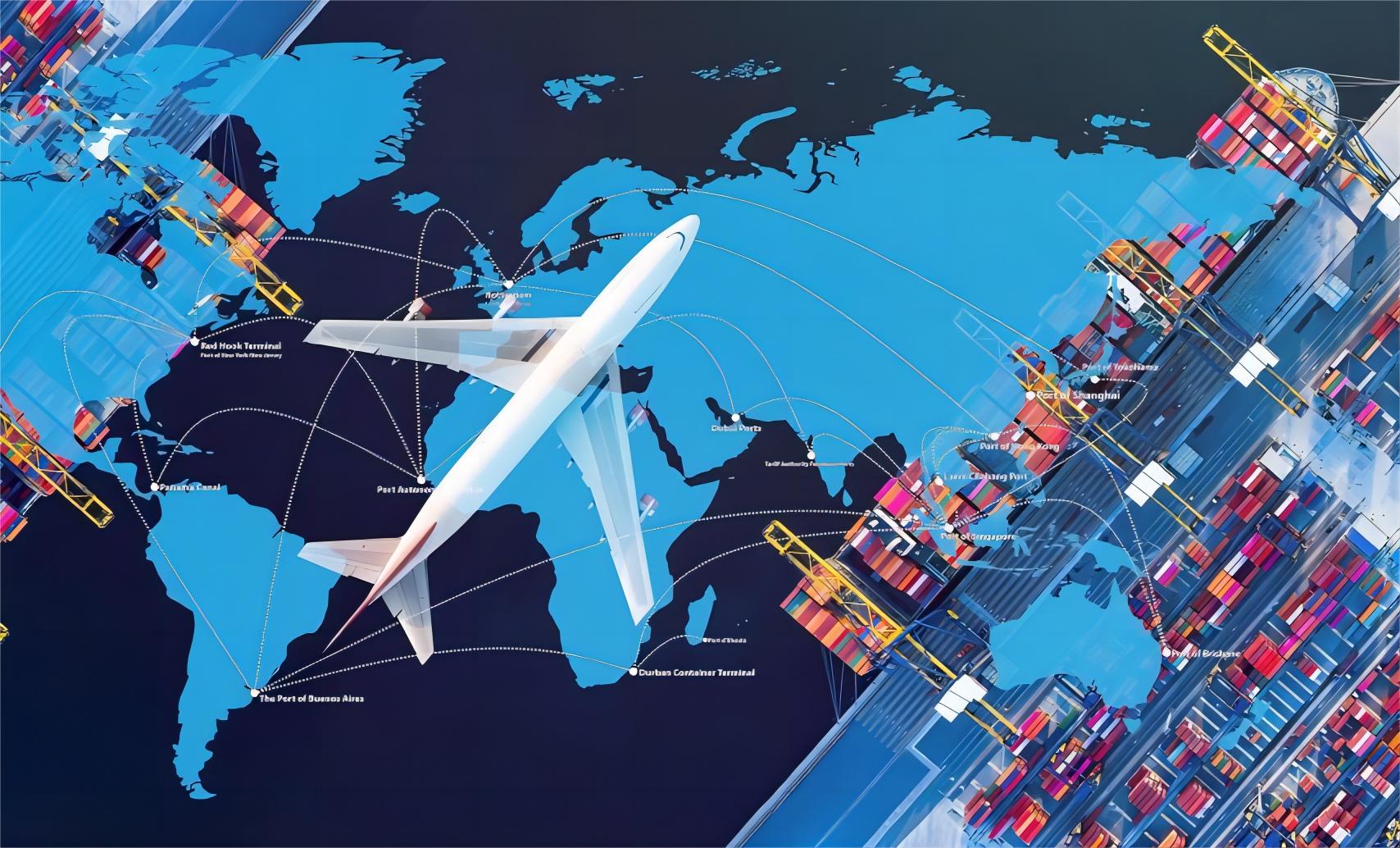
Choosing the right shipping method for your container shipping China to Italy needs a thorough comparison of key factors. Each mode of transport presents a unique set of trade-offs regarding cost, speed, and capacity. Understanding these differences helps in making an informed decision for your supply chain.
We offer a detailed breakdown below, highlighting the typical ranges for cost and transit times. Market conditions, including fuel prices and seasonal demand, can always influence these figures. Therefore, obtaining a current quote is always recommended.
| Shipping Method | Cost Range (per 40HQ/LCL CBM) | Transit Time (Port to Port) | Best For | Limitations |
|---|---|---|---|---|
| Sea Freight (FCL) | $3,000-4,200 (40HQ) | 28-35 days | Large volumes, heavy goods, cost-effectiveness | Longer transit times, susceptible to port congestion |
| Sea Freight (LCL) | $50-80/CBM | 35-45 days | Small volumes (under 15 CBM), cost-effectiveness | Longer transit due to consolidation, potential delays |
| Rail Freight | $8,000-12,000 (40HQ) | 18-25 days | Medium urgency, balanced cost/speed, bulk goods | Less flexible routes than sea, capacity can be limited |
| Air Freight | $4-8/kg (volumetric weight) | 3-7 days | Urgent, high-value, perishable goods | High cost, weight/size restrictions, environmental impact |
Understanding Costs and Factors Affecting Freight Rates
The total cost of shipping a container from China to Italy encompasses more than just the base freight rate. Several components contribute to the final landed cost, and these can fluctuate significantly. Understanding these elements is key to budgeting and avoiding unexpected expenses.
Factors influencing freight rates include fuel surcharges, peak season surcharges (especially during August-October), and port congestion fees. Additionally, the type of container (20GP, 40GP, 40HQ), the specific ports of loading and discharge, and the chosen Incoterms all play a role. Market data suggests rates can increase 15-25% during peak seasons.
Furthermore, additional services like cargo insurance, warehousing, and inland transportation at both origin and destination will add to the overall expense. Always request a detailed quote to see a complete breakdown of all charges. As of Q1 2025, freight rates from China to Europe have stabilized after the 2024 Red Sea disruptions, but vigilance is still advised.
Cost Breakdown for Container Shipping China to Italy
A typical shipment involves various charges from origin to destination. These include terminal handling charges (THC), documentation fees, and customs clearance costs. Understanding each line item helps in negotiating better terms and managing your budget.
Origin charges often cover local trucking, export customs clearance, and port charges in China. Destination charges, conversely, include import customs clearance, port charges in Italy, and local delivery to your final warehouse. These can vary significantly by port and local service providers.
| Cost Component | Description | Typical Range |
|---|---|---|
| Ocean/Rail/Air Freight | Base transport cost from port to port | Variable by mode, volume, and season |
| Origin Charges | Terminal handling, documentation, export customs | $200-500 per shipment |
| Destination Charges | Terminal handling, documentation, import customs | $300-700 per shipment |
| Customs Duties & Taxes | Tariffs and VAT based on HS code and value | Varies (0-25% of CIF value + VAT) |
| Insurance | Cargo protection against loss or damage | 0.3-0.5% of cargo value |
| Inland Transportation | Trucking from factory to port, and port to warehouse | Variable by distance and location |
Navigating Customs and Documentation for Italy Imports
Successful container shipping China to Italy heavily relies on accurate and complete documentation for customs clearance. Incorrect paperwork can lead to significant delays, fines, and storage charges. Therefore, meticulous preparation is non-negotiable.

Italy, as part of the EU, adheres to strict import regulations. Importers must ensure all goods comply with EU standards and that all necessary licenses and permits are obtained prior to shipment. Engaging a professional for customs brokerage can significantly streamline this process and prevent headaches.
Essential Documents for China to Italy Shipments
A range of documents is required to facilitate smooth customs clearance in Italy. These include commercial invoices, packing lists, and bills of lading. The accuracy of these documents is paramount to avoid any issues upon arrival.
Furthermore, depending on the nature of your goods, you might need certificates of origin, import licenses, or specific product certifications (e.g., CE marking for certain electronics). Always verify the exact requirements with your customs broker before shipping.
| Document | Purpose | Notes |
|---|---|---|
| Commercial Invoice | Details of goods, value, seller, buyer | Crucial for customs valuation and duties |
| Packing List | Itemized list of contents, weights, dimensions | Helps in cargo inspection and handling |
| Bill of Lading (B/L) | Contract of carriage, title to goods | Issued by carrier, essential for cargo release |
| Certificate of Origin | Proves goods’ country of manufacture | May affect preferential tariff rates |
| Import License/Permit | Required for controlled or restricted goods | Obtain before shipping to avoid seizure |
| Insurance Certificate | Proof of cargo insurance coverage | Protects against loss/damage during transit |
Optimizing Your Supply Chain: Tips for Efficient Logistics
An optimized supply chain is critical for competitive advantage in international trade. For container shipping China to Italy, strategic planning can significantly reduce costs and improve delivery schedules. Businesses should look for ways to enhance efficiency at every stage.
Consider consolidating multiple smaller orders into a single FCL shipment to save on per-unit shipping costs. Additionally, choosing a reputable freight forwarder with extensive experience on the China-Europe route is invaluable. Their expertise can navigate complex logistics and potential challenges proactively.
Door-to-Door Service: Seamless Delivery
Opting for a door-to-door service can simplify your logistics considerably. This comprehensive solution handles all aspects of the shipment, from pickup at your supplier’s factory in China to final delivery at your Italian warehouse. It minimizes the need for multiple service providers and simplifies coordination.
A single point of contact for the entire journey provides peace of mind and reduces the administrative burden. This service is particularly beneficial for businesses without extensive in-house logistics teams. It ensures a smooth and predictable delivery schedule.
Considering Cargo Insurance
Despite careful planning, unforeseen events can occur during transit. Therefore, purchasing comprehensive cargo insurance is a prudent decision for any shipment. This protects your investment against loss, damage, or theft. Industry average suggests insuring cargo for 0.3-0.5% of its commercial value.
While carriers offer limited liability, it rarely covers the full value of your goods. Consequently, a separate insurance policy provides crucial financial protection. Discuss your insurance options with your freight forwarder to ensure adequate coverage for your specific cargo type.
Real-World Scenarios: Container Shipping China to Italy
Examining real case studies provides practical insights into the complexities and solutions for container shipping China to Italy. These examples illustrate how different factors, such as cargo type, urgency, and budget, influence shipping decisions. Understanding these scenarios can help you prepare for your own imports.
We present various situations, highlighting the choices made and the resulting outcomes. Based on Q3 2024 market rates, these examples reflect typical challenges and solutions in the current logistics landscape. Note: Freight rates are subject to change based on fuel costs, carrier capacity, and seasonal demand. Contact us for a current quote tailored to your specific shipment.
Case Study 1: High-Volume Consumer Electronics
A large electronics distributor in Milan needed to import a substantial volume of consumer electronics from Shenzhen, China. Their priority was cost-effectiveness for bulk goods, with a reasonable transit time. They opted for FCL sea freight.
This choice provided the best balance of cost and capacity for their regular, high-volume shipments. The direct route minimized transshipment risks, ensuring a predictable delivery schedule for their inventory management.
| Detail | Description |
|---|---|
| Route | Shenzhen, China -> Milan, Italy |
| Cargo | Consumer Electronics, 60 CBM, 12,000 kg |
| Container | 1 x 40HQ |
| Shipping Details | Carrier: COSCO, Port of Loading: Shenzhen, Port of Discharge: Genoa, Route Type: Direct |
| Cost Breakdown | Ocean Freight: $3,800, Origin Charges: $450, Destination Charges: $600, Customs & Duties (estimated): $2,500, Total Landed Cost: $7,350 |
| Timeline | Booking to Loading: 5 days, Sea Transit: 30 days, Customs Clearance: 3 days, Total Door-to-Door: 38 days |
| Key Insight | FCL sea freight offered optimal cost efficiency for bulk, non-urgent electronics. Utilizing a direct route avoided transshipment delays. |
Case Study 2: Urgent Fashion Apparel Collection
A fashion boutique in Florence required a new collection of apparel from Guangzhou, China, with extreme urgency for a seasonal launch. Speed was paramount, despite the higher cost. They chose air freight due to the tight deadline.
The decision to use air freight ensured the collection arrived well in advance of the launch event. While significantly more expensive, it guaranteed market readiness and capitalized on seasonal demand.
| Detail | Description |
|---|---|
| Route | Guangzhou, China -> Florence, Italy |
| Cargo | Fashion Apparel, 3 CBM, 250 kg (Volumetric Weight: 500 kg) |
| Container | Air Cargo (LCL Equivalent) |
| Shipping Details | Carrier: Major Airline, Port of Loading: Guangzhou Baiyun (CAN), Port of Discharge: Florence Peretola (FLR), Route Type: Direct (via major hub) |
| Cost Breakdown | Air Freight: $3,500, Origin Charges: $150, Destination Charges: $200, Customs & Duties (estimated): $500, Total Landed Cost: $4,350 |
| Timeline | Booking to Loading: 2 days, Air Transit: 4 days, Customs Clearance: 1 day, Total Door-to-Door: 7 days |
| Key Insight | Air freight was the only viable option for urgent, high-value fashion goods. The higher cost was justified by the need for rapid market entry. |
Case Study 3: Mid-Size Industrial Components via Rail
An engineering firm in Turin needed a steady supply of specialized industrial components from Chongqing, China. They sought a balance between sea freight’s cost-effectiveness and air freight’s speed. Rail freight was identified as the ideal solution.
The rail service provided a reliable and faster alternative to sea, reducing inventory holding costs while remaining more budget-friendly than air transport. This hybrid approach optimized their logistics for regular, moderately urgent shipments.
| Detail | Description |
|---|---|
| Route | Chongqing, China -> Turin, Italy |
| Cargo | Industrial Components, 25 CBM, 8,000 kg |
| Container | 1 x 20GP |
| Shipping Details | Carrier: China-Europe Railway Express, Port of Loading: Chongqing, Port of Discharge: Milan (rail terminal), Route Type: Direct Rail |
| Cost Breakdown | Rail Freight: $7,500, Origin Charges: $300, Destination Charges: $400, Customs & Duties (estimated): $1,800, Total Landed Cost: $10,000 |
| Timeline | Booking to Loading: 4 days, Rail Transit: 20 days, Customs Clearance: 2 days, Total Door-to-Door: 28 days |
| Key Insight | Rail freight delivered a strong balance of speed and cost for industrial components, bridging the gap between sea and air options. |
Conclusion: Mastering Container Shipping China to Italy
Effectively managing container shipping China to Italy is a cornerstone of successful international trade. By understanding the various shipping methods, their associated costs, transit times, and critical customs requirements, businesses can make informed decisions. Choosing the right partner, like Top China Freight, is crucial for seamless logistics.
Whether you prioritize speed, cost, or a balance of both, a tailored approach to your supply chain will yield the best results. Ultimately, a well-executed shipping strategy ensures timely delivery, reduces risks, and supports your business growth in the competitive global market.
Need a tailored shipping solution?
Ready to streamline your container shipping China to Italy? Get a personalized quote and expert guidance for your next shipment. Our team is prepared to help you navigate international logistics efficiently. Contact us today to discuss your specific needs and optimize your supply chain.