
Container Shipping China to Netherlands: Your Ultimate Guide
Businesses regularly seek efficient ways to transport goods from China to the Netherlands. Understanding the intricacies of container shipping from China to the Netherlands is crucial for maintaining a robust supply chain. This comprehensive guide will therefore explore everything you need to know, from selecting the right shipping method to navigating customs procedures effectively.
Why Choose Container Shipping from China to the Netherlands?
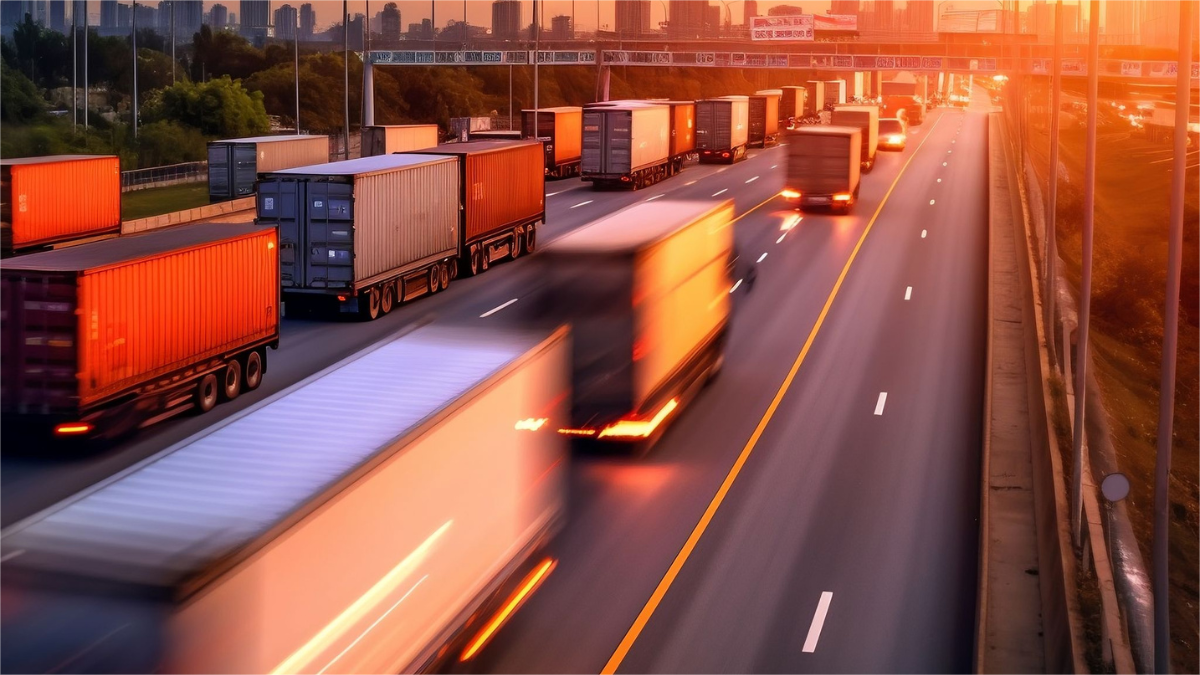
The trade corridor between China and the Netherlands is extremely dynamic, thus demanding reliable logistics solutions. Container shipping represents the backbone of this international trade, offering unparalleled capacity for goods moving across continents. Consequently, businesses of all sizes utilize this method for importing various products.
Opting for sea freight via containers provides significant advantages, especially for bulk cargo and non-urgent shipments. It is generally the most cost-effective solution for large volumes, ensuring your products reach their destination efficiently. Moreover, the standardized nature of containers enhances cargo security and simplifies handling throughout the supply chain process.
Key Factors Influencing Your Container Shipment
Several critical factors dictate the overall efficiency and cost of your container shipping from China to the Netherlands. Understanding these elements is paramount for effective planning and budgeting. Consequently, careful consideration of each aspect can lead to substantial savings and smoother operations.
Shipping Costs and Freight Rates
Shipping costs are influenced by numerous variables, including the type of container (20GP, 40GP, 40HQ), cargo volume (FCL vs. LCL), and current market freight rates. Fuel surcharges, port charges, and destination fees also contribute significantly to the total expense. Furthermore, seasonal demand and global events can cause considerable fluctuations in pricing.
As of early 2025, typical FCL rates for a 40HQ container from China to the Netherlands range from $3,000 to $4,200. However, these figures are subject to change based on carrier capacity, fuel costs, and peak season surcharges. Therefore, it is always advisable to obtain a current quote tailored to your specific requirements.
Transit Times and Delivery Schedules
The transit time for container shipping from China to the Netherlands typically ranges from 28 to 35 days for FCL direct services. LCL shipments, however, might take longer, often between 30 to 40 days, due to consolidation and deconsolidation processes. Factors like specific port pairs, transshipment points, and port congestion can impact the overall delivery schedule.
Weather conditions and unforeseen delays at customs or intermediate ports can also extend transit times. Therefore, planning with a buffer is always prudent, especially for time-sensitive cargo. Understanding these potential delays helps manage expectations and maintain a reliable supply chain.
Customs Clearance and Documentation
Efficient customs clearance is vital for avoiding delays and penalties. You must prepare and submit accurate documentation, including the commercial invoice, packing list, bill of lading, and any necessary import licenses or permits. Errors in paperwork can lead to significant hold-ups at the port of entry.
The Netherlands, as part of the European Union, adheres to strict customs regulations. Consequently, importers must comply with EU directives regarding product safety, labeling, and environmental standards. Engaging a knowledgeable customs brokerage service can streamline this complex process significantly.
| Document Type | Purpose | Issued By | Notes |
|---|---|---|---|
| Commercial Invoice | Details goods, value, terms of sale | Seller/Exporter | Essential for customs valuation |
| Packing List | Details contents of each package | Seller/Exporter | Assists in cargo inspection and verification |
| Bill of Lading (B/L) | Contract of carriage, title to goods | Carrier | Key document for cargo release |
| Certificate of Origin | Confirms country of manufacture | Chamber of Commerce | May affect duty rates |
| Import License/Permit | Required for controlled goods | Dutch Authorities | Check specific product requirements |
How Does Container Shipping Compare to Other Options?
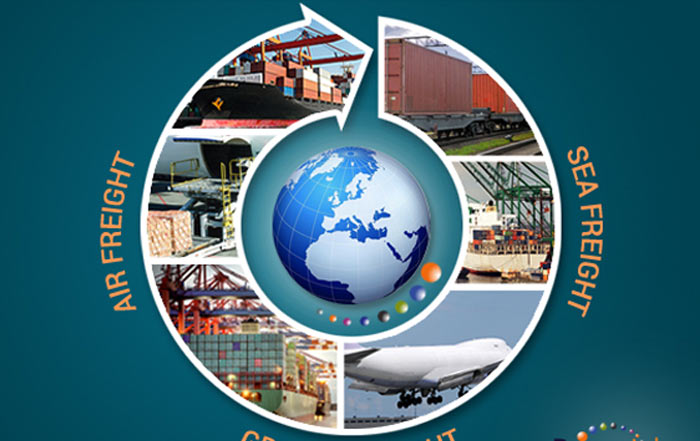
While sea freight is the most common method for container shipping from China to the Netherlands, other options exist depending on your cargo’s urgency, value, and volume. Each mode of transport offers distinct advantages and limitations. Therefore, selecting the right method is crucial for optimizing your logistics strategy.
For instance, air freight provides significantly faster transit times but at a much higher cost. Meanwhile, rail freight offers a middle ground in terms of speed and cost. Understanding these trade-offs helps businesses make informed decisions.
| Shipping Method | Cost Range (per kg/CBM) | Transit Time | Best For | Limitations |
|---|---|---|---|---|
| Sea Freight (FCL) | $0.05 – $0.15/kg | 28-35 days | Large volumes, heavy goods, non-urgent | Slower, port congestion risks |
| Sea Freight (LCL) | $0.10 – $0.25/kg | 30-40 days | Smaller volumes, cost-sensitive | Slower, potential for delays |
| Air Freight | $4.00 – $8.00/kg | 3-7 days | Urgent, high-value, perishable | Expensive, volume/weight restrictions |
| Rail Freight | $0.80 – $2.00/kg | 15-20 days | Medium urgency, mid-sized shipments | Limited routes, less capacity than sea |
Major Ports and Routes for China to Netherlands Container Shipping
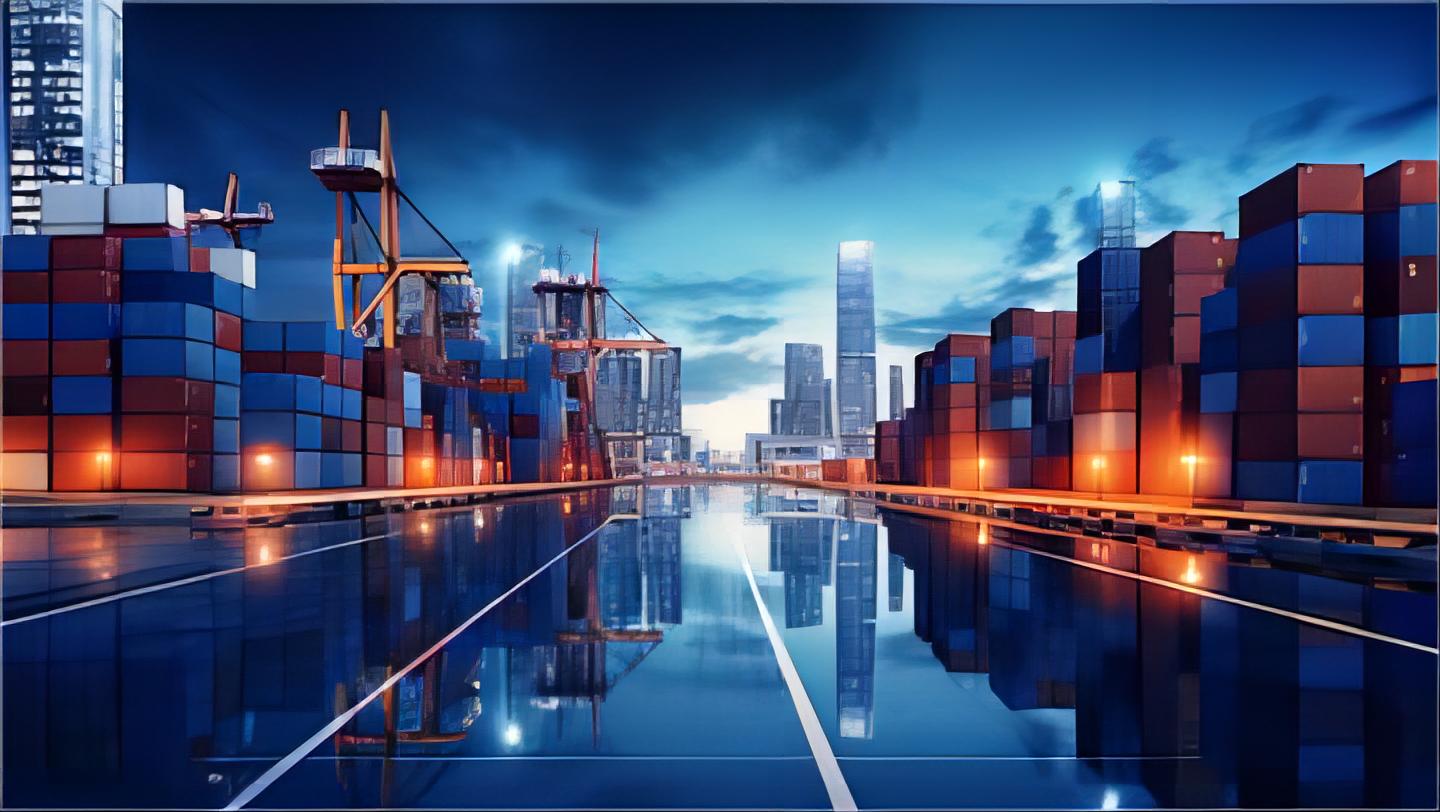
The shipping route from China to the Netherlands primarily utilizes major deep-water ports in both regions. On the Chinese side, key export hubs include Shanghai, Ningbo, Shenzhen, Qingdao, and Tianjin. These ports boast extensive infrastructure and frequent vessel departures, facilitating global trade.
Upon reaching Europe, the Port of Rotterdam in the Netherlands serves as the primary gateway. It is Europe’s largest port and a vital distribution hub, offering advanced logistics facilities and excellent connections to the European hinterland. Consequently, most container shipping from China to the Netherlands terminates here, benefiting from its efficient cargo handling capabilities.
Optimizing Your Supply Chain: FCL vs LCL
Choosing between Full Container Load (FCL) and Less than Container Load (LCL) is a critical decision in container shipping. This choice directly impacts your shipping costs, transit times, and overall supply chain management. Therefore, understanding the nuances of each option is essential for optimizing your logistics strategy.
Full Container Load (FCL)
FCL shipping means your goods occupy an entire container, regardless of whether it’s completely full. This option is ideal for larger shipments, typically exceeding 15-20 CBM. Benefits include faster transit times, as the container travels directly to its destination without intermediate stops for consolidation or deconsolidation.
Furthermore, FCL offers enhanced security since your cargo is not handled alongside other shippers’ goods, reducing the risk of damage or loss. While the upfront cost might seem higher, the per-unit cost often decreases significantly for high-volume shipments, making it a cost-effective choice for substantial imports.
Less than Container Load (LCL)
LCL shipping is suitable for smaller shipments that do not require a full container. Your goods are consolidated with other shippers’ cargo into one container, and the cost is shared proportionally. This method is highly economical for volumes under 15 CBM, offering flexibility for businesses with smaller inventory needs.
However, LCL shipments generally have longer transit times due to the additional processes of consolidation at the origin port and deconsolidation at the destination port. Despite the extended timeline, LCL remains a popular choice for businesses looking to manage inventory more tightly and reduce warehousing costs in the Netherlands.
Navigating Customs and Regulations in the Netherlands
Importing goods into the Netherlands, a member of the European Union, involves adhering to specific customs regulations and taxation policies. Importers must ensure full compliance with EU customs law, which includes proper classification of goods, accurate valuation, and declaration of origin. Consequently, a thorough understanding of these requirements prevents costly delays.
You will typically be responsible for paying import duties and VAT (Value Added Tax) upon arrival. The duty rates vary significantly based on the Harmonized System (HS) code of your products, while VAT is generally 21%. Furthermore, certain products may require specific licenses or certifications to enter the EU market. Engaging with experienced freight forwarders can help navigate these complex import/export rules.
Real-World Scenarios: Container Shipping Success Stories
Examining actual shipping cases provides valuable insights into the practical aspects of container shipping from China to the Netherlands. These examples highlight how different factors influence cost, transit time, and overall logistics strategy. Therefore, they serve as useful benchmarks for your own import planning.
Case Study 1: Electronics Manufacturer
| Detail | Description |
|---|---|
| Route | Shenzhen, China -> Rotterdam, Netherlands |
| Cargo | Consumer electronics, 58 CBM, 15,000 kg |
| Container | 40HQ |
| Carrier/Service | COSCO |
| Port of Loading | Shenzhen |
| Port of Discharge | Rotterdam |
| Route Type | Direct |
| Ocean Freight | $4,000 |
| Origin Charges (THC, documentation) | $350 |
| Destination Charges | $400 |
| Customs & Duties (estimated) | $800 |
| Total Landed Cost | $5,550 |
| Booking to Loading | 3 days |
| Sea Transit | 28 days |
| Customs Clearance | 2 days |
| Total Door-to-Door | 35 days |
| Key Insight | Choosing a direct FCL service significantly reduced transit time and minimized handling risks for sensitive electronics. Based on Q3 2024 market rates. |
Case Study 2: Textile Importer (LCL)
| Detail | Description |
|---|---|
| Route | Shanghai, China -> Amsterdam, Netherlands |
| Cargo | Apparel and textiles, 12 CBM, 3,000 kg |
| Container | LCL 12 CBM |
| Carrier/Service | Major NVOCC |
| Port of Loading | Shanghai |
| Port of Discharge | Rotterdam |
| Route Type | Transshipment via Singapore |
| Ocean Freight | $1,800 |
| Origin Charges (THC, documentation) | $280 |
| Destination Charges | $350 |
| Customs & Duties (estimated) | $450 |
| Total Landed Cost | $2,880 |
| Booking to Loading | 5 days |
| Sea Transit | 35 days |
| Customs Clearance | 3 days |
| Total Door-to-Door | 45 days |
| Key Insight | LCL was a cost-effective solution for a smaller, non-urgent textile shipment, despite the longer transit time due to consolidation and transshipment. Typical rates as of early 2025. |
Case Study 3: Industrial Machinery Importer
| Detail | Description |
|---|---|
| Route | Ningbo, China -> Rotterdam, Netherlands |
| Cargo | Heavy industrial machinery, 25 CBM, 20,000 kg |
| Container | 20GP (Open Top) |
| Carrier/Service | Maersk |
| Port of Loading | Ningbo |
| Port of Discharge | Rotterdam |
| Route Type | Direct |
| Ocean Freight | $2,500 |
| Origin Charges (THC, documentation) | $380 |
| Destination Charges | $420 |
| Customs & Duties (estimated) | $600 |
| Total Landed Cost | $3,900 |
| Booking to Loading | 4 days |
| Sea Transit | 30 days |
| Customs Clearance | 2 days |
| Total Door-to-Door | 38 days |
| Key Insight | Specialized container types like open-top can accommodate oversized cargo, ensuring safe and efficient transport for challenging shipments. Based on current market rates for Q1 2025. |
Which Option Should You Choose?
Deciding on the optimal shipping method for your goods from China to the Netherlands depends heavily on your specific business priorities. There is no one-size-fits-all solution; consequently, a careful evaluation of your needs is essential. Consider the following criteria to make an informed decision.
If budget is your primary concern, LCL sea freight offers the most economical solution for smaller volumes. For slightly more urgent, mid-sized shipments, rail freight presents a compelling balance of cost and speed. However, for large volumes requiring the lowest possible per-unit cost, FCL sea freight remains the superior choice.
Budget Priority
For businesses prioritizing cost savings above all else, LCL sea freight is often the most suitable option, especially for shipments under 15 CBM. It allows you to pay only for the space your goods occupy. However, be prepared for potentially longer transit times due to the consolidation process.
Speed Priority
When time is of the essence, air freight is undoubtedly the fastest solution, delivering goods in 3-7 days. For less urgent but still time-sensitive cargo, rail freight provides a quicker alternative to sea freight, typically taking 15-20 days. FCL sea freight direct services are also faster than LCL sea freight.
Cargo Type Considerations
The nature of your cargo also plays a crucial role. Fragile or high-value goods might benefit from FCL to minimize handling and potential damage. Perishable items, on the other hand, necessitate rapid transit times, often making air freight the only viable option. Oversized or heavy cargo usually requires specialized container types within sea freight.
Volume Thresholds
As a general rule, if your shipment exceeds 15-20 CBM, FCL sea freight typically becomes more cost-effective than LCL. Below this threshold, LCL is usually more economical. Regularly assessing your shipment volume helps you switch between FCL and LCL strategically, optimizing your logistics expenditure.
Value-Added Services for Your Container Shipments
Beyond basic transportation, a range of value-added services can significantly enhance your container shipping experience from China to the Netherlands. These services address various aspects of the logistics process, ensuring greater security, convenience, and efficiency. Therefore, exploring these options can streamline your entire supply chain.
Consider services such as cargo insurance, which provides financial protection against loss or damage during transit. Additionally, door-to-door delivery options simplify the entire process, handling everything from origin pickup to final delivery at your warehouse. Warehousing solutions, including bonded warehousing, can also provide flexibility for inventory management upon arrival in the Netherlands.

Market Trends and Future Outlook
The global shipping industry is constantly evolving, with various trends impacting container shipping from China to the Netherlands. As of Q1 2025, freight rates from China to Europe have largely stabilized following the disruptions caused by the 2024 Red Sea incidents. However, geopolitical factors and vessel capacity management continue to influence market dynamics.
Industry benchmarks suggest that rates typically experience a 15-25% increase during peak seasons, particularly from August to October, and before major holidays like Chinese New Year. Therefore, planning shipments around these periods can help manage costs. Furthermore, increasing digitalization and sustainability initiatives are shaping the future of international logistics trends, offering more transparent and eco-friendly shipping solutions.
Conclusion
Successfully navigating container shipping from China to the Netherlands requires careful planning and an understanding of various factors. By considering shipping methods, costs, transit times, and customs procedures, businesses can make informed decisions. Partnering with a reliable logistics provider ultimately ensures a smooth and efficient supply chain.
The dynamic nature of international trade necessitates adaptability and access to up-to-date market intelligence. Therefore, staying informed about freight rates and logistics trends is crucial for maintaining a competitive edge. Ultimately, efficient container shipping from China to the Netherlands is a cornerstone of successful global commerce.
Need a tailored shipping solution?
Ready to streamline your container shipping from China to the Netherlands? Our team of experts is prepared to provide tailored solutions that meet your specific needs and budget. Contact us today for a personalized quote and discover how we can optimize your logistics.