

Cosmetics Sea Freight China to USA: The Ultimate 2025 Guide
Shipping beauty products across the Pacific requires a specialized logistics approach to ensure safety and compliance. Businesses frequently choose Top China Freight to manage their cosmetics sea freight China to USA because we handle the complexities of international trade with precision. This comprehensive guide will help you navigate ocean freight rates, customs regulations, and transit schedules to optimize your supply chain.
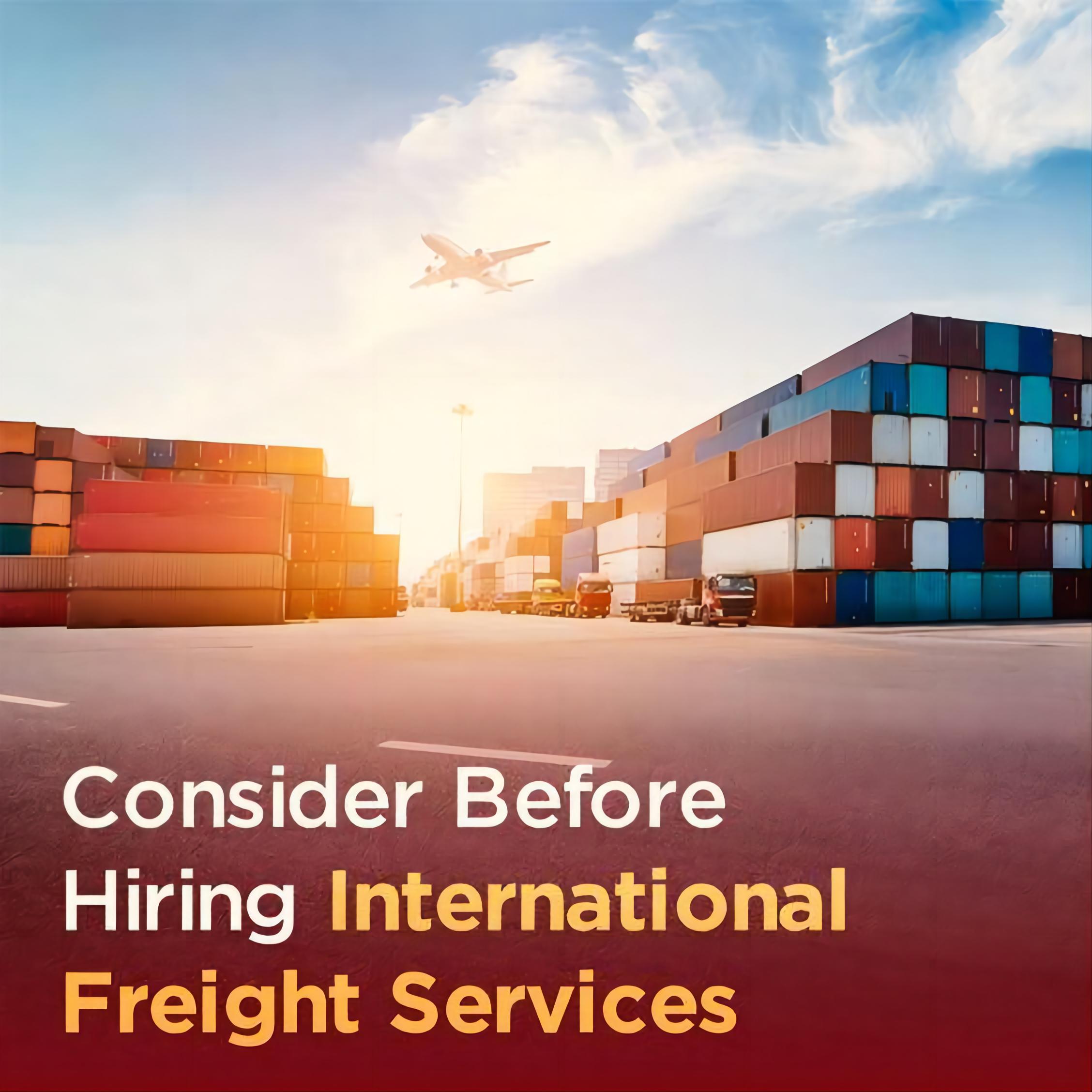
Why Choose Cosmetics Sea Freight China to USA?
Selecting ocean transport for your beauty brand offers significant cost advantages compared to air shipping. Because cosmetics often involve heavy liquids or glass packaging, the weight and volume can make other methods prohibitively expensive.
Furthermore, sea freight provides the capacity needed for large-scale inventory replenishment. Most manufacturers in Guangdong and Zhejiang provinces prefer this method for bulk orders of skincare and makeup kits.
Additionally, modern ocean carriers offer advanced climate control options for temperature-sensitive items like lipsticks or organic creams. This ensures your products arrive at their destination in pristine condition without melting or separating during the long voyage.
Consequently, businesses can maintain higher profit margins by reducing their per-unit landed cost. While the transit time is longer than air, the predictability of weekly sailing schedules allows for efficient inventory planning and warehouse management.
How Does Cosmetics Sea Freight China to USA Compare to Other Shipping Options?
Evaluating different transport modes is essential for any importer focusing on North America. While ocean freight is the most economical, you must weigh the trade-offs in speed and flexibility.
For example, air freight is significantly faster but can cost five to ten times more than a standard container shipment. In contrast, express services are ideal for small samples but are rarely viable for commercial-scale inventory due to high weight-based pricing.
Indeed, many brands adopt a hybrid strategy by using sea freight for 90 percent of their volume and air freight for urgent product launches. This balanced approach protects the bottom line while maintaining market responsiveness.
| Shipping Method | Cost Range | Transit Time | Best For | Limitations |
|---|---|---|---|---|
| Sea Freight (FCL) | $2,800 – $5,500 | 18 – 35 Days | Bulk Inventory | Longer lead times |
| Sea Freight (LCL) | $100 – $250/CBM | 22 – 40 Days | Mid-sized batches | Consolidation delays |
| Air Freight | $4.50 – $9.00/kg | 5 – 9 Days | Urgent launches | High cost |
| Express Courier | $8.00 – $15.00/kg | 3 – 5 Days | Product samples | Size restrictions |
Comparison of Shipping Methods
The following table provides an objective analysis of the primary shipping methods available for cosmetics importers. These figures represent typical market rates for 2024-2025.
Determining Shipping Costs for Beauty Products
Calculating the total cost of cosmetics sea freight China to USA involves more than just the base ocean rate. You must account for origin charges, fuel surcharges, and destination handling fees at US ports.
Moreover, the type of container you select will dictate the final price. Full Container Load (FCL) offers a flat rate for the entire space, whereas Less than Container Load (LCL) charges you based on the volume in cubic meters.
Importers should also factor in the cost of marine insurance, which is critical for high-value beauty shipments. Without a doubt, the investment in insurance provides peace of mind against potential cargo damage or loss during transshipment.
Note: Freight rates are subject to change based on fuel costs, carrier capacity, and seasonal demand. Contact us for a current quote tailored to your specific shipment.
Common Surcharges in Ocean Freight
Standard surcharges often include the Bunker Adjustment Factor (BAF) for fuel and the Currency Adjustment Factor (CAF). During the peak season from August to October, carriers also apply a Peak Season Surcharge (PSS) due to increased demand.
Transit Times and Major Port Routes
Understanding the delivery schedule is vital for maintaining your retail stock levels. Shipping from China’s East Coast ports like Ningbo or Shanghai to the US West Coast is the fastest ocean route available.
On the other hand, shipping to the East Coast via the Panama Canal adds significant time and cost. Many importers choose to discharge cargo at Los Angeles and use rail transport to reach inland destinations faster.
Nevertheless, direct water routes to New York or Savannah are often preferred for very heavy shipments to avoid expensive domestic trucking fees. Your choice depends on whether you prioritize speed or the lowest possible landed cost.
| Origin Port | Destination Port | Average Transit | Route Type |
|---|---|---|---|
| Shenzhen | Los Angeles | 14 – 18 Days | Direct Pacific |
| Shanghai | Long Beach | 16 – 20 Days | Direct Pacific |
| Ningbo | New York | 30 – 35 Days | Panama Canal |
| Qingdao | Savannah | 32 – 38 Days | Suez/Panama |
Navigating Cosmetics Sea Freight China to USA Regulations
Managing the regulatory landscape is perhaps the most challenging aspect of importing beauty products. You must ensure all items comply with the U.S. Food and Drug Administration (FDA) requirements before they leave China.
Proper customs brokerage is essential for filing the necessary Prior Notice and ensuring your labels meet federal standards. Failure to provide accurate ingredient lists can lead to expensive port inspections or cargo seizures.
Additionally, you must provide a Material Safety Data Sheet (MSDS) for products containing alcohol or pressurized gases, such as perfumes and hairsprays. These items are classified as hazardous materials and require specialized handling and documentation.
Therefore, working with an experienced freight forwarder who understands these nuances is a strategic necessity. We help you prepare the commercial invoice, packing list, and bill of lading to ensure a smooth clearance process.
Selecting FCL vs LCL for Your Beauty Brand
Deciding between FCL and LCL depends largely on your shipment volume and budget. For shipments exceeding 15 cubic meters, a 20-foot container usually provides the best value and security.
However, smaller brands often benefit from door to door LCL services. This allows you to share container space with other importers, paying only for the volume your boxes occupy.
Meanwhile, FCL shipments are less prone to damage because the container remains sealed from the factory to your warehouse. If your cosmetics feature fragile glass packaging, the dedicated space of a full container is often worth the extra cost.
Accordingly, you should calculate your volume thresholds carefully. If your LCL shipment is close to the cost of a full container, upgrading to FCL can save time and reduce the risk of handling errors during consolidation.
Amazon FBA Logistics for Cosmetics Importers
Many beauty entrepreneurs utilize Amazon FBA to reach American consumers. Shipping directly from a Chinese factory to an Amazon fulfillment center requires strict adherence to Amazon’s labeling and palletization rules.
Moreover, you must ensure your sea freight arrives at the correct regional hub assigned by Amazon. Our team specializes in coordinating these deliveries, including the final mile trucking from the US port to the warehouse.
Consequently, using a professional forwarder prevents the common pitfalls of rejected shipments or storage overage fees. We manage the entire pipeline, allowing you to focus on marketing and brand growth while we handle the logistics.
Real Case Studies: Successful Cosmetics Shipments
Case Study 1: West Coast Efficiency. Route: Guangzhou to Los Angeles. Cargo: Organic Skincare Serums, 12 CBM. Container: LCL. Carrier: COSCO. Port of Loading: Nansha. Port of Discharge: Los Angeles. Cost Breakdown: Ocean Freight $1,450, Origin Charges $400, Destination Charges $600, Customs $350. Total Landed Cost: $2,800. Timeline: 22 days door-to-door. Key Insight: Consolidating multiple SKUs into one LCL shipment saved the client 40 percent compared to air freight.
Case Study 2: East Coast Bulk Supply. Route: Shanghai to New York. Cargo: Professional Makeup Palettes, 1x40HQ. Container: 40HQ. Carrier: Maersk. Port of Loading: Shanghai. Port of Discharge: Newark. Cost Breakdown: Ocean Freight $5,200, Origin Charges $550, Destination Charges $900, Customs $1,200. Total Landed Cost: $7,850. Timeline: 36 days. Key Insight: Using a 40HQ container allowed the brand to ship 65,000 units at a logistics cost of just $0.12 per unit.
Case Study 3: Hazard Management. Route: Ningbo to Long Beach. Cargo: Alcohol-based Perfumes, 8 CBM. Container: LCL (Hazmat). Carrier: ONE. Port of Loading: Ningbo. Port of Discharge: Long Beach. Cost Breakdown: Ocean Freight $1,800, Hazmat Surcharge $500, Customs $450. Total Landed Cost: $2,750. Timeline: 25 days. Key Insight: Proper MSDS documentation prevented any delays during the mandatory FDA inspection at the port.
Which Option Should You Choose?
Choosing the right strategy depends on your specific business priorities. If your primary goal is budget optimization, sea freight is the clear winner for any shipment over 200 kilograms.
For speed-sensitive projects like seasonal collections, air freight remains the best choice despite the cost. However, if you have a stable supply chain with consistent demand, the savings from ocean transport are too significant to ignore.
In addition, consider the cargo type. Liquids and powders are often easier to ship via sea because many airlines have strict restrictions on large quantities of fluid. Ocean carriers are generally more accommodating for diverse cosmetic formulations.
Final Thoughts on Shipping Beauty Products
To summarize, mastering cosmetics sea freight China to USA requires a combination of cost analysis, transit planning, and regulatory knowledge. By selecting the right container type and port route, you can significantly reduce your overhead and improve your competitive edge in the American market.
Furthermore, partnering with a reliable freight forwarder ensures that your FDA documentation and customs filings are handled correctly. This minimizes the risk of delays and ensures your products reach your customers safely and on time.
Indeed, the future of beauty logistics lies in efficient, sustainable ocean transport. Start planning your next shipment today to take advantage of the current market rates and professional shipping solutions.
Ready to streamline your logistics?
Ready to optimize your cosmetics sea freight China to USA? Contact our logistics experts today for a personalized quote and professional guidance on your next shipment. Send Inquiry
Request Quote