
Cosmetics Shipping China to Europe: Your Ultimate Guide
Shipping cosmetics from China to Europe presents a unique set of challenges, from stringent regulations to varying transit times. Successfully navigating this complex supply chain requires careful planning and a deep understanding of international logistics. Fortunately, a reliable partner like Top China Freight can streamline the entire process for your business. This guide will explore the best strategies for efficient and compliant cosmetics shipping.
Understanding the Cosmetics Shipping China to Europe Landscape
The European cosmetics market is vast, fueling significant demand for imports from China. Chinese manufacturers offer competitive pricing and innovative products, from skincare to makeup. However, importing into the EU requires navigating complex regulations. Understanding specific product requirements, including safety assessments, labeling, and ingredient restrictions, is paramount. Proper planning ensures smooth customs clearance, avoiding costly delays for cosmetics shipping China to Europe.
Key Considerations for Shipping Cosmetics to Europe
Before embarking on any shipment, several crucial factors demand attention. These considerations directly impact compliance, cost, and the integrity of your products. Therefore, a thorough understanding is essential for successful cosmetics shipping China to Europe.
Regulatory Compliance and Documentation
EU regulations for cosmetics are globally stringent, requiring compliance with Regulation (EC) No 1223/2009. This covers product safety, ingredient restrictions, labeling, and animal testing bans. Full compliance is non-negotiable. A Product Information File (PIF), Cosmetic Product Safety Report (CPSR), and CPNP notification are essential. Appointing a Responsible Person (RP) within the EU is also mandatory. Neglecting these steps can lead to product seizure or fines, impacting your cosmetic delivery China Europe.
Packaging and Temperature Control
Cosmetics are sensitive to environmental conditions; temperature, humidity, and physical shocks can cause damage. Therefore, robust and appropriate packaging is vital. For heat-sensitive items, consider insulated packaging or refrigerated containers. Proper labeling of fragile or temperature-sensitive cargo is also necessary, ensuring careful handling. Understanding product-specific requirements prevents spoilage and maintains quality, crucial for shipping sensitive cosmetics overseas.
Customs Duties and Taxes
Importing cosmetics into Europe incurs customs duties, VAT, and potentially excise duties. Duty rates depend on the product’s HS code and origin, making correct classification crucial. VAT rates vary across EU member states (17-27%). An EORI number is also required for EU import/export activities. Understanding these financial obligations upfront helps calculate total landed cost and manage your budget for import duties on cosmetics from China to UK or other European nations.
How Does Each Shipping Method Compare?
Choosing the right shipping method is pivotal for balancing cost, speed, and reliability. For cosmetics shipping China to Europe, several viable options exist, each with distinct advantages. Understanding these differences is key to optimizing your logistics strategy. Therefore, consider the volume, urgency, and value of your shipment when deciding. Below, we compare primary methods for your beauty products.
| Shipping Method | Cost Range (per kg/CBM) | Transit Time (China to Europe) | Best For | Limitations |
|---|---|---|---|---|
| Sea Freight | Low ($50-80/CBM LCL; $2,800-4,200/40HQ FCL) | 28-40 days | Large volumes, non-urgent, heavy/bulky items | Slow, less flexible, potential port delays |
| Air Freight | High ($4-8/kg) | 5-10 days | Urgent, high-value, small volume, temperature-sensitive | Expensive, limited capacity for very large goods, fuel surcharges |
| Rail Freight | Medium ($150-250/CBM LCL; $8,000-12,000/40HQ FCL) | 18-25 days | Mid-size volumes, faster than sea, cheaper than air | Limited routes, capacity constraints, potential border delays |
Which Shipping Option Should You Choose for Cosmetics?
Selecting the optimal shipping method depends heavily on your specific priorities and cargo characteristics. There is no one-size-fits-all answer for the best way to ship beauty products from China to EU; a tailored approach is always recommended. For instance, if budget is your primary concern, sea freight offers the most economical solution for bulk cosmetics. Conversely, if speed is paramount, air freight is indispensable, despite its higher cost. Moreover, consider the shelf life and temperature sensitivity of your products; some items necessitate faster transit or specialized handling. Furthermore, shipment volume plays a significant role. Small, frequent orders might benefit from LCL sea freight. Large, consistent orders, however, are typically more cost-effective via FCL sea or rail freight. Aligning the shipping method with your business model and product needs is crucial for efficient logistics for cosmetic brands China Europe.
Streamlining Your Cosmetics Supply Chain with Hybrid Solutions
In some instances, a combination of shipping methods can provide an optimal balance of speed and cost. Hybrid solutions offer increased flexibility, particularly for complex supply chains. Therefore, exploring these alternatives can unlock new efficiencies. For example, a sea-air combined service ships goods by sea from China to a transshipment hub (like Dubai), then by air to Europe. This method is faster than pure sea freight and more cost-effective than pure air freight. It is ideal for mid-urgency shipments requiring faster transit than traditional ocean shipping, significantly improving your delivery schedule. Similarly, rail-sea combinations are emerging as viable options, leveraging different transport modes. Consequently, businesses can build more resilient supply chains, mitigating risks and improving overall logistics trends for cosmetic imports.
Real-World Scenarios: Cosmetics Shipping Case Studies
Examining practical examples illustrates the complexities and solutions in cosmetics shipping China to Europe. These case studies highlight various factors, from cargo type to chosen methods, demonstrating effective strategies. Understanding these scenarios aids in optimizing import processes. Each example showcases typical rates and transit times (Q1 2025) for cosmetic delivery China Europe. Note: Freight rates fluctuate based on fuel, capacity, and demand; contact us for a current quote.
Case Study 1: Bulk Skincare Products to Germany (FCL Sea Freight)
A German distributor imported large volumes of skincare creams, prioritizing cost-efficiency and reasonable transit times. FCL sea freight was chosen for its cost benefits for bulk cargo.
| Detail | Value | ||||
|---|---|---|---|---|---|
| Route | Shanghai, China Hamburg, Germany | ||||
| Cargo | Skincare creams, 55 CBM, 25,000 kg | ||||
| Container | 1 x 40HQ | ||||
| Shipping Details | Major carrier (e.g., COSCO), Port of Loading: Shanghai, Port of Discharge: Hamburg, Route Type: Direct | ||||
| Cost Breakdown (Estimated Q1 2025) | Ocean Freight: $3,500 | Origin Charges: $450 | Destination Charges: $550 | Customs & Duties (est.): $1,200 | Total Landed Cost: $5,700 |
| Timeline | Booking to Loading: 5 days | Sea Transit: 32 days | Customs Clearance: 3 days | Total Door-to-Door: 40 days | |
| Key Insight | FCL sea freight provided significant cost savings for high volume, allowing for competitive retail pricing. Careful planning of documentation prevented customs delays. |
Case Study 2: New Makeup Line Launch to France (Air Freight)
A French startup needed rapid delivery for a new makeup line to meet pre-order deadlines. Speed was paramount, so air freight was chosen despite higher costs, ensuring timely market entry.
| Detail | Value | ||||
|---|---|---|---|---|---|
| Route | Guangzhou, China Paris, France | ||||
| Cargo | Assorted makeup palettes, 5 CBM, 1,500 kg | ||||
| Container | LCL Air Cargo | ||||
| Shipping Details | Major airline (e.g., Lufthansa Cargo), Port of Loading: Guangzhou, Port of Discharge: Paris CDG, Route Type: Direct | ||||
| Cost Breakdown (Estimated Q1 2025) | Air Freight: $9,000 | Origin Charges: $300 | Destination Charges: $250 | Customs & Duties (est.): $800 | Total Landed Cost: $10,350 |
| Timeline | Booking to Loading: 2 days | Air Transit: 4 days | Customs Clearance: 1 day | Total Door-to-Door: 7 days | |
| Key Insight | Air freight enabled a swift market launch, capitalizing on early demand. The higher cost was justified by the time-sensitive nature of the product launch. |
Case Study 3: Small Batch Organic Cosmetics to Italy (LCL Sea Freight)
An Italian boutique importer needed a cost-effective solution for frequent, smaller organic cosmetic shipments. LCL sea freight offered the ideal balance, avoiding air freight expenses and ensuring regular stock replenishment.
| Detail | Value | ||||
|---|---|---|---|---|---|
| Route | Ningbo, China Genoa, Italy | ||||
| Cargo | Organic facial oils, 3 CBM, 800 kg | ||||
| Container | LCL 3 CBM | ||||
| Shipping Details | Major carrier (e.g., MSC), Port of Loading: Ningbo, Port of Discharge: Genoa, Route Type: Transshipment via Singapore | ||||
| Cost Breakdown (Estimated Q1 2025) | Ocean Freight: $350 | Origin Charges: $200 | Destination Charges: $180 | Customs & Duties (est.): $400 | Total Landed Cost: $1,130 |
| Timeline | Booking to Loading: 4 days | Sea Transit: 35 days | Customs Clearance: 2 days | Total Door-to-Door: 45 days | |
| Key Insight | LCL sea freight proved ideal for smaller, less urgent shipments, maintaining profitability. Communication with the freight forwarder was key to managing transshipment times. |
Navigating Customs and Avoiding Delays
Customs clearance is a critical bottleneck, particularly for cosmetics due to rigorous safety regulations. Meticulous preparation is essential to avoid costly delays. Ensure all documentation, including commercial invoices, packing lists, and certificates of origin, is accurate. Having your EORI number and correct HS codes also streamlines the process. Engaging Top China Freight’s customs brokerage service can be invaluable, offering expertise to navigate regulations and expedite clearance. Neglecting details risks goods being held at the border, incurring demurrage and disrupting your supply chain.
| Document | Purpose | Requirement |
|---|---|---|
| Commercial Invoice | Details of goods, value, seller/buyer | Mandatory for customs valuation |
| Packing List | Contents of each package, weight, dimensions | Mandatory for cargo inspection |
| Bill of Lading / Air Waybill | Contract of carriage, title to goods | Proof of shipment and ownership |
| Certificate of Origin | Confirms country of manufacture | May reduce duties under trade agreements |
| Product Information File (PIF) | Detailed product safety and compliance info | Mandatory for EU cosmetics (held by RP) |
| Cosmetic Product Safety Report (CPSR) | Safety assessment of cosmetic product | Part of PIF, mandatory for EU compliance |
| EORI Number | Economic Operator Registration and Identification | Mandatory for EU importers/exporters |
Cost-Saving Strategies for Cosmetics Importers
Managing shipping costs is crucial for profitability in the competitive cosmetics market. Several strategies can reduce overall logistics expenses, significantly impacting your bottom line. Consider consolidating multiple smaller shipments into a single, larger consignment to reduce per-unit costs, especially for LCL sea freight. Negotiating favorable Incoterms, such as FOB, offers more control over freight. Utilizing comprehensive services like door-to-door shipping simplifies the process, providing bundled savings and predictable costs. Furthermore, strategic warehousing and distribution planning minimize last-mile delivery. This holistic approach can lead to substantial long-term savings for cosmetics shipping China to Europe.
The Role of a Reliable Freight Forwarder
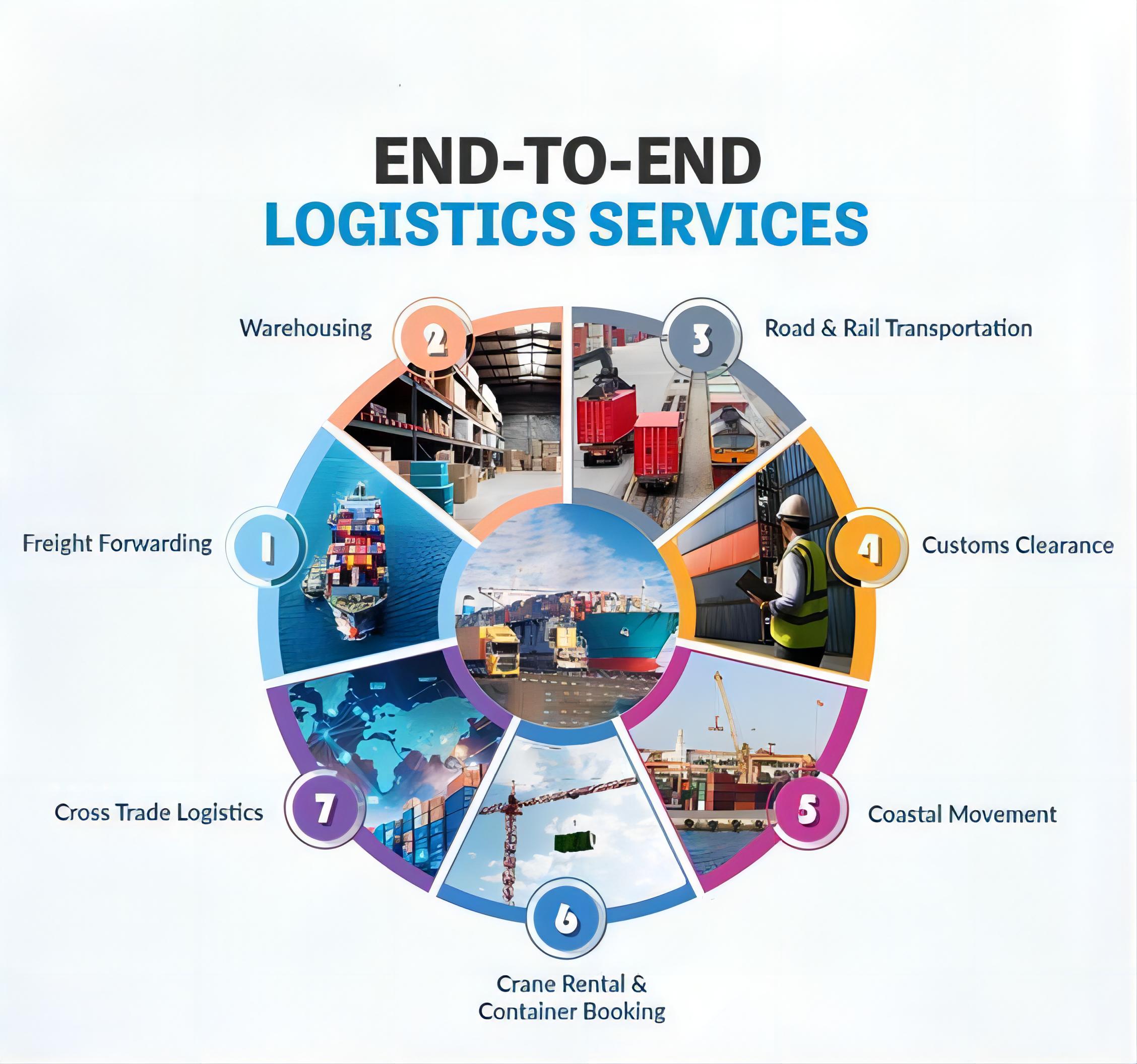
Partnering with an experienced freight forwarder is critical for successful cosmetics shipping China to Europe. Their expertise navigates complex international logistics, saving time, money, and headaches. Therefore, choosing the right partner is paramount. A good freight forwarder offers end-to-end solutions, from factory pickup to customs clearance and final delivery. They advise on methods, ensure compliance, and handle documentation, providing shipment visibility. This partnership allows you to focus on your core business while experts manage your supply chain efficiently.
Navigating Cosmetics Shipping China to Europe with Confidence
In conclusion, successful cosmetics shipping China to Europe demands comprehensive understanding of regulations, careful method selection, and meticulous planning. From EU compliance to packaging and customs, every step is vital. Prioritizing these aspects ensures efficient, compliant delivery of valuable beauty products. Furthermore, leveraging an expert freight forwarder like Top China Freight is indispensable. They streamline your supply chain, ultimately contributing to your business’s success in the competitive European market. Plan wisely, choose partners carefully, and watch your cosmetic ventures flourish.
Get Your Shipping Quote Today
Ready to optimize your cosmetics shipping China to Europe? Do not hesitate to contact our expert team today for a personalized quote and tailored logistics solutions. We are here to simplify your international freight needs and ensure your beauty products arrive safely and on time.
Request Quote