

Cost to Ship Auto Parts from China to Europe: 2025 Pricing Guide
Importing automotive components from Asian manufacturing hubs requires a strategic approach to logistics to maintain healthy profit margins. Determining the exact cost to ship auto parts from china to europe involves analyzing several variables ranging from fuel surcharges to complex customs fees. This comprehensive guide provides a detailed breakdown of current market rates and shipping strategies to help your business optimize its international supply chain.

What Factors Determine the Cost to Ship Auto Parts from China to Europe?
Calculating the total expense of moving automotive inventory across continents is rarely a straightforward task for procurement managers. Specifically, the weight and physical dimensions of the parts play a primary role in determining which freight class your cargo falls into. Heavy items like engines or transmission systems naturally command higher prices compared to lightweight plastic interior trim components.
Moreover, the seasonal demand for shipping space significantly impacts the final invoice you receive from your logistics provider. During the peak season between August and October, rates typically increase by 15 to 25 percent as retailers prepare for end-of-year sales. Consequently, booking your shipments well in advance or during the lunar new year lull can lead to substantial savings for your company.
Fuel price volatility remains another critical factor that causes freight rates to fluctuate on a weekly basis. Carriers often apply a Bunker Adjustment Factor to account for these changes, which can add hundreds of dollars to a single container shipment. Understanding these dynamic elements is essential for any business looking to accurately forecast their landed costs in the European market.
How Does Sea Freight Compare to Other Shipping Options?
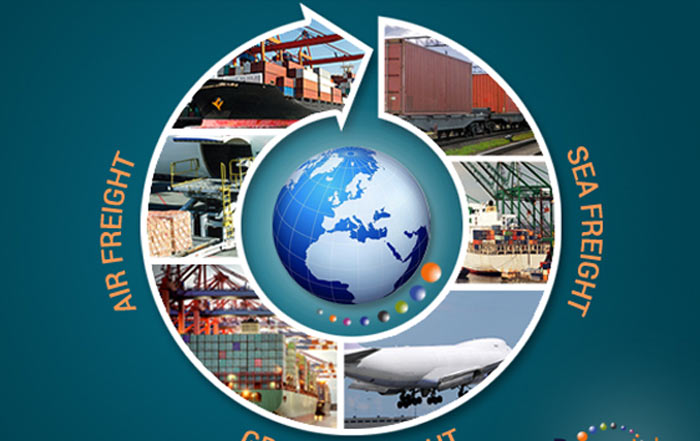
Choosing sea freight is the most common strategy for businesses moving large volumes of bulky automotive spares. This method offers the lowest cost per unit, making it ideal for items such as tires, body panels, and heavy mechanical assemblies. However, the trade-off for these low rates is a significantly longer transit time compared to other modes of transport.
In contrast, air freight serves as the fastest solution for high-value or time-sensitive components like electronic control units or urgent replacement parts. While the cost is substantially higher, the speed of delivery can prevent expensive production line stoppages in European factories. Many logistics managers utilize a mix of both methods to balance their budget and inventory requirements.
Rail freight has emerged as a compelling middle ground, offering faster transit than the ocean while remaining cheaper than air transport. This ‘Iron Silk Road’ route has become increasingly popular for automotive manufacturers located in inland Chinese cities like Chengdu or Chongqing. Nevertheless, recent geopolitical shifts have affected the availability and pricing of certain rail corridors passing through Central Asia.
| Shipping Method | Cost Range | Transit Time | Best For |
|---|---|---|---|
| Sea Freight (FCL) | $3,000 – $4,200 | 30-45 Days | Bulky, heavy parts |
| Air Freight | $4.50 – $8.00/kg | 3-7 Days | Urgent, high-value |
| Rail Freight | $4,000 – $5,500 | 18-25 Days | Mid-range volume |
| Express Courier | $9.00 – $15.00/kg | 2-5 Days | Small samples/spares |
What Are the Current Sea Freight Rates for 2025?
Current market data suggests that ocean freight rates have stabilized after the significant disruptions seen in previous years. For a standard 40-foot high cube container, importers can expect to pay between $3,000 and $4,200 depending on the specific port of origin and destination. These prices include the base ocean freight but often exclude local handling charges and destination fees.
Small businesses often prefer Less than Container Load shipping when their inventory does not fill an entire 20-foot box. LCL rates are generally calculated per cubic meter, with prices currently ranging from $50 to $90 per CBM for the China to Europe route. This approach allows for greater flexibility in inventory management despite the slightly higher cost per unit of volume.
Note: Freight rates are subject to change based on fuel costs, carrier capacity, and seasonal demand. Contact us for a current quote tailored to your specific shipment.
Why Is Rail Freight a Popular Choice for Auto Parts?
Utilizing rail freight provides a strategic advantage for companies that need to bridge the gap between slow sea transport and expensive air cargo. The transit time from major Chinese rail hubs to European terminals like Warsaw or Hamburg typically ranges from 18 to 22 days. This speed allows for faster inventory turnover and reduced capital tied up in the supply chain.
Furthermore, rail transport is considered more environmentally friendly than air freight, which helps European companies meet their sustainability targets. The stability of the rail environment also reduces the risk of damage to sensitive automotive electronics compared to the rougher handling sometimes found in ocean shipping. As a result, many tier-one suppliers now prioritize rail for their regular replenishment cycles.
Pricing for rail containers is generally 30 to 50 percent higher than sea freight but significantly lower than the cost of air transport. For instance, a full container on a rail route might cost $4,800, whereas the equivalent weight by air could exceed $20,000. This makes rail an excellent alternative for high-density auto parts that require a moderate delivery speed.
How Do Customs Duties Affect the Total Cost to Ship Auto Parts from China to Europe?
Navigating the regulatory landscape is a vital component of calculating the total cost to ship auto parts from china to europe. The European Union applies various tariff rates depending on the specific HS code of the automotive component being imported. Most car parts carry a duty rate between 3 and 4.5 percent, though certain items like aluminum wheels can face much higher anti-dumping duties.
Additionally, importers must account for Value Added Tax, which varies by the specific European country of entry. In Germany, the standard VAT rate is 19 percent, while in countries like Hungary, it can reach as high as 27 percent. Working with a professional customs brokerage service is highly recommended to ensure accurate classification and avoid costly delays at the border.
Proper documentation is the key to a smooth customs clearance process and avoiding unexpected storage fees at the port. You must provide a commercial invoice, a detailed packing list, and a bill of lading for every shipment entering Europe. Failure to include a Certificate of Origin or specific technical certifications can result in your goods being held for weeks, dramatically increasing your logistics expenses.
| Document Name | Purpose | Required For | Complexity |
|---|---|---|---|
| Commercial Invoice | Valuation of goods | All shipments | Low |
| Packing List | Detailed cargo info | All shipments | Medium |
| Bill of Lading | Title of goods | Sea/Rail freight | High |
| HS Code Class | Duty calculation | Tax compliance | High |
Realistic Case Studies: Shipping Auto Parts to Europe
Case Study 1: Large Scale Sea Freight. Route: Shanghai, China to Hamburg, Germany. Cargo: 1,200 sets of brake discs, 28 CBM, 18,500 kg. Container: 40GP. Shipping Details: Major carrier (COSCO), Port of Loading: Shanghai, Port of Discharge: Hamburg, Route Type: Direct. Cost Breakdown: Ocean Freight: $3,100, Origin Charges: $450, Destination Charges: $600, Customs and Duties: $1,200. Total Landed Cost: $5,350. Timeline: Booking to Loading: 5 days, Sea Transit: 33 days, Customs Clearance: 3 days. Total Door-to-Door: 41 days. Key Insight: FCL was 40% cheaper than LCL for this volume.
Case Study 2: Urgent Air Freight. Route: Shenzhen, China to Paris, France. Cargo: 500 Electronic Control Units, 1.5 CBM, 250 kg. Shipping Method: Air Freight. Shipping Details: Major carrier (Lufthansa Cargo), Port of Loading: Shenzhen, Port of Discharge: CDG Paris. Cost Breakdown: Air Freight: $1,625 ($6.5/kg), Origin Charges: $150, Destination Charges: $200, Customs and Duties: $450. Total Landed Cost: $2,425. Timeline: Booking to Loading: 2 days, Air Transit: 2 days, Customs Clearance: 1 day. Total Door-to-Door: 5 days. Key Insight: Air freight prevented a production line shutdown costing $10,000 per day.
Case Study 3: Balanced Rail Freight. Route: Chengdu, China to Warsaw, Poland. Cargo: 80 Gearbox assemblies, 22 CBM, 9,000 kg. Container: LCL. Shipping Details: China-Europe Railway Express. Route Type: Direct via Alashankou. Cost Breakdown: Rail Freight: $2,100, Origin Charges: $300, Destination Charges: $400, Customs and Duties: $950. Total Landed Cost: $3,750. Timeline: Booking to Loading: 4 days, Rail Transit: 19 days, Customs Clearance: 2 days. Total Door-to-Door: 25 days. Key Insight: Rail saved 15 days compared to sea freight at a manageable price increase.
Which Option Should You Choose for Your Auto Parts?
Deciding on the best logistics path depends heavily on your specific business priorities and the nature of the components. If your primary goal is budget optimization and you have predictable demand, sea freight remains the undisputed leader for bulk shipments. However, for high-value spares where security and speed are paramount, the investment in air cargo is often justified.
Many modern importers now opt for door to door services to simplify their operations and get a fixed price for the entire journey. This comprehensive service handles everything from the factory pickup in China to the final delivery at your European warehouse. Indeed, reducing the number of intermediaries in your supply chain can often lead to fewer errors and lower overall administrative costs.
To summarize, if your budget is the priority, choose sea freight for volumes over 15 CBM. If speed is the priority, air freight is the only viable option for deliveries under 10 days. For those seeking a balance of both, rail freight offers a competitive transit time at a fraction of the air cargo price. Always request multiple quotes to ensure you are receiving the most competitive market rates for your specific lane.
Conclusion
Managing the cost to ship auto parts from china to europe requires a careful balance of speed, reliability, and expense. By understanding the differences between sea, air, and rail freight, you can tailor your shipping strategy to meet your specific inventory needs. Market conditions in 2025 offer several opportunities for cost savings, provided you plan ahead and choose the right logistics partners.
Ultimately, successful importing is about more than just finding the lowest price; it is about building a resilient supply chain. Whether you are shipping heavy engines or delicate electronics, staying informed about freight trends and customs regulations will ensure your business remains competitive. Start planning your next shipment today to take advantage of stabilized global freight rates.
Ready to streamline your logistics?
Ready to optimize your supply chain and reduce the cost to ship auto parts from china to europe? Contact Top China Freight today for a personalized quote and expert logistics advice. Send Inquiry: https://Top China Freight.com/
Request Quote