
Cost to Ship Textiles from China to UK: Your Ultimate Guide
Navigating the complexities of international freight can be daunting, especially when determining the precise cost to ship textiles from China to UK. Businesses often face challenges in understanding fluctuating freight rates, transit times, and regulatory requirements. This comprehensive guide aims to demystify the process, providing clear insights into the factors influencing your shipping budget and timeline for textile imports.
✦
Understanding the Cost to Ship Textiles from China to UK
Shipping textiles from China to the UK involves more than just freight charges. Many factors contribute to the overall landed cost, influencing your profitability and delivery schedules. Consequently, a clear understanding of these elements is crucial for effective supply chain management and budgeting.
This section will explore the primary drivers behind the shipping costs, helping you anticipate expenses. Indeed, a well-informed approach can significantly impact your bottom line and operational efficiency.
Key Factors Influencing Textile Shipping Costs
Several variables directly affect the final shipping costs for textiles. First, the chosen shipping method (sea, air, or rail) plays a significant role. Moreover, the volume and weight of your cargo are paramount, as these dictate container usage or air freight charges.
Furthermore, current market conditions, including fuel prices and seasonal demand, can cause rates to fluctuate. Origin and destination charges, customs duties, and insurance also add to the total expense. Therefore, a holistic view of these factors is essential for accurate budgeting.
Primary Shipping Methods: Sea, Air, and Rail for Textiles
When importing textiles from China to the UK, businesses have three main transportation methods: sea freight, air freight, and rail freight. Each option presents distinct advantages and disadvantages regarding cost, speed, and capacity. Choosing the right method is vital for your supply chain strategy.
Indeed, your decision should align with the urgency of your shipment, the volume of goods, and your budget constraints. Consequently, understanding the nuances of each service is imperative for making an informed choice.
| Shipping Method | Cost Range (per 40HQ) | Transit Time (China to UK) | Best For | Limitations |
|---|---|---|---|---|
| Sea Freight | $3,500 – $4,500 | 30-38 days | Bulk, non-urgent, heavy textiles | Slow, susceptible to port delays |
| Air Freight | $15,000 – $25,000 (equivalent volume) | 5-7 days | Urgent, high-value, samples | High cost, weight/volume restrictions |
| Rail Freight | $8,000 – $12,000 (equivalent volume) | 18-25 days | Mid-volume, balanced speed/cost | Limited routes, still slower than air |
Sea Freight for Bulk Textile Shipments
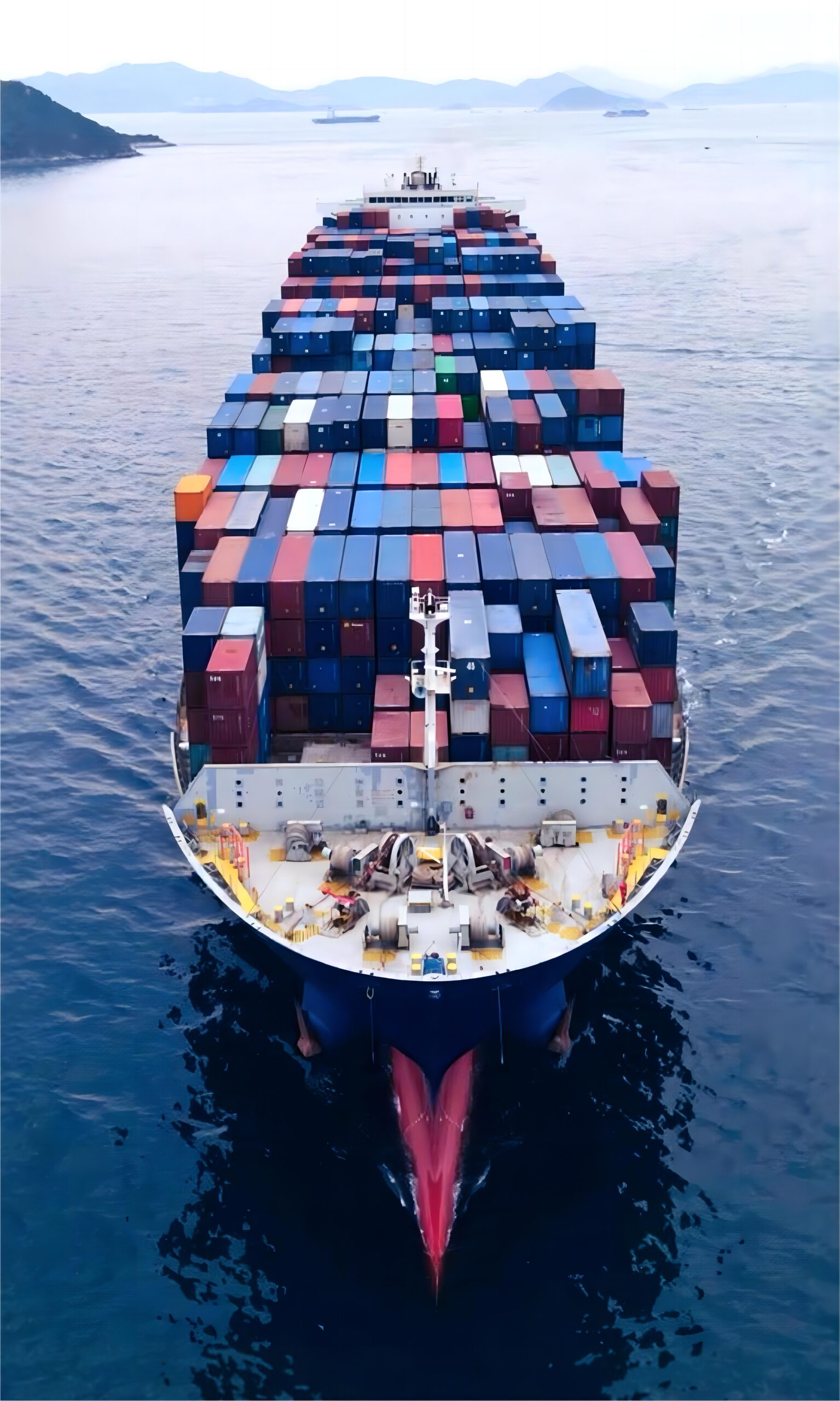
Sea freight remains the most economical option for shipping large volumes of textiles. This method is ideal for non-urgent, heavy, or bulky orders, offering significant cost savings per unit. Transit times typically range from 30 to 38 days from major Chinese ports to UK ports like Felixstowe or Southampton.
Consider sea freight for durable fabrics, finished apparel in large quantities, or raw material textiles. While slower, its cost-effectiveness makes it the preferred choice for many businesses importing textiles from China to UK.
Air Freight for Time-Sensitive Apparel
For urgent textile orders, such as fast fashion collections or high-value samples, air freight offers unparalleled speed. Although considerably more expensive, it can deliver goods within 5-7 days. This speed is crucial for meeting tight market deadlines or responding quickly to fashion trends.
Utilizing air freight means higher shipping costs, yet it can prevent stockouts and capitalize on market opportunities. Consequently, businesses often weigh the increased expense against the commercial benefits of rapid delivery.
Rail Freight: A Balanced Alternative
Rail freight provides a compelling middle ground between the speed of air freight and the cost-effectiveness of sea freight. It typically takes 18-25 days for textiles to reach the UK from China via rail. This method is increasingly popular for its reliability and environmental benefits.
Moreover, rail freight offers a good balance for businesses that need faster delivery than sea but find air freight too costly. It is particularly suitable for mid-sized textile shipments that are not extremely time-sensitive but still require efficient transit.
Disclaimer on Freight Rates
Note: Freight rates are subject to change based on fuel costs, carrier capacity, and seasonal demand. Contact us for a current quote tailored to your specific shipment. Market conditions, such as Q4 peak season or unforeseen disruptions, can significantly impact pricing.
How Does Each Method Impact Your Textile Imports?
The choice of shipping method profoundly influences various aspects of your textile import operations. Specifically, it affects not only the cost but also inventory management, cash flow, and market responsiveness. Therefore, a strategic decision is paramount for seamless business operations.
Considering these impacts helps businesses develop a robust import strategy. Ultimately, aligning your shipping method with your business objectives is key to successful textile imports from China to UK.
Cost Implications and Budgeting
Naturally, the primary impact is on your budget. Sea freight offers the lowest per-unit cost, making it ideal for maximizing profit margins on large textile orders. Conversely, air freight’s higher cost demands careful consideration, usually justified by higher-value or time-critical goods.
Furthermore, rail freight presents a moderate cost, often providing a sweet spot for many textile importers. Consequently, understanding these direct cost implications is vital when calculating the overall cost to ship textiles from China to UK.
Transit Time Considerations for Delivery Schedules
Transit time directly affects your delivery schedules and customer satisfaction. Sea freight’s extended duration requires meticulous planning and larger inventory holding. In contrast, air freight enables just-in-time inventory strategies and rapid market entry.
Rail freight, offering quicker transit than sea, can reduce lead times without the exorbitant costs of air. Therefore, evaluating your delivery schedule requirements against each method’s transit time is a critical step in the decision-making process.
Cargo Volume, Type, and Packaging
The volume and type of textiles also dictate the most suitable shipping method. Bulk fabric rolls or large quantities of apparel are best suited for sea freight, often filling full containers (FCL). Smaller, high-value items or samples might prefer air freight due to their low volume and high urgency.
Moreover, fragile or delicate textiles may require specialized handling, which can influence method choice. Efficient packaging also plays a role in optimizing space and reducing damage, regardless of the chosen transport mode. This directly impacts the cost of LCL shipping textiles China to UK.
Key Cost Components Beyond Freight Rates
Beyond the primary freight rates, several other charges contribute significantly to the total cost to ship textiles from China to UK. Overlooking these additional expenses can lead to unexpected budget overruns. Therefore, a comprehensive understanding of all potential fees is essential for accurate financial planning.
Indeed, these components include various fees at both origin and destination, along with governmental levies. Consequently, factoring these into your calculations provides a more realistic view of your total landed cost.
Origin and Destination Charges (O/D Charges)
Origin charges cover services like pickup, warehousing, loading, and documentation fees at the Chinese port. Similarly, destination charges in the UK include unloading, terminal handling, customs clearance fees, and local delivery. These can vary significantly by port and service provider.
For instance, terminal handling charges (THC) are standard at both ends. Moreover, understanding these charges helps in comparing quotes accurately and avoiding hidden costs for your textile imports.
Customs Duties, Taxes, and Import VAT on Textiles
Importing textiles into the UK incurs customs duties and Value Added Tax (VAT). Duty rates vary based on the specific type of textile product and its Harmonized System (HS) code. VAT is currently 20% on the total value, including the goods’ cost, shipping, and duties.
Proper classification is crucial to avoid penalties and ensure correct import clothing from China to UK duties are paid. Furthermore, businesses must register for an EORI number to import commercial goods into the UK. Understanding these import VAT on textiles from China to UK is vital.
Insurance, Documentation, and Other Fees
Cargo insurance is highly recommended to protect against loss or damage during transit, especially for high-value textile shipments. Additionally, various documentation fees apply for bills of lading, certificates of origin, and export/import declarations. These ensure compliance with international trade regulations.
Other potential fees include demurrage (for delays in returning containers) or detention charges. Therefore, always inquire about all potential fees when getting textile shipping rates China to UK. Consider customs brokerage services for expert guidance.
Optimizing Your Textile Shipping Strategy
Reducing the cost to ship textiles from China to UK requires a strategic approach to logistics. By implementing smart practices, businesses can significantly lower expenses and improve efficiency. Consequently, optimizing your shipping strategy directly impacts your competitive advantage.
This section outlines several effective methods to streamline your textile imports. Indeed, even small adjustments can lead to substantial savings over time, especially for regular importers.
Consolidation and LCL vs. FCL for Textiles
For smaller textile volumes, Less than Container Load (LCL) shipping allows you to share container space with other shippers, reducing costs. However, for larger volumes, a Full Container Load (FCL) often becomes more economical per unit. Choosing between LCL and FCL depends on your cargo size.
Generally, if your textile shipment exceeds 15-20 CBM, FCL might be more cost-effective. Conversely, for shipping small quantity textiles China to UK, LCL is usually the best option. Consolidation services offered by freight forwarders can also combine multiple small orders into one larger shipment.
Strategic Planning and Seasonal Considerations
Freight rates for textiles fluctuate significantly with demand, especially during peak seasons like Chinese New Year, Golden Week, and the pre-holiday rush (August-October). Planning your shipments to avoid these periods can result in substantial savings. Booking in advance also helps secure better rates.
Market data suggests rates typically increase 15-25% during peak seasons. Therefore, strategic planning around these seasonal patterns is crucial for managing the cost to ship textiles from China to UK effectively. Understanding logistics trends helps in this planning.

Partnering with an Experienced Freight Forwarder
Collaborating with a reliable freight forwarder is invaluable for optimizing your textile supply chain. They can negotiate better rates, handle complex documentation, and advise on the best shipping methods. A good freight forwarder streamlines the entire import process.
Indeed, they can offer tailored solutions, including warehousing and distribution options when needed. This partnership can ultimately lead to a more efficient and cost-effective operation for shipping fabric from China to UK.
Real-World Shipping Scenarios for Textiles
To illustrate the practical aspects of shipping textiles, let us examine a few realistic case studies. These examples highlight how different factors impact the overall cost and transit time. They provide tangible insights into managing the import process effectively.
Based on Q3 2024 market rates, these scenarios demonstrate common challenges and solutions. Consequently, they offer valuable lessons for businesses navigating the complexities of international textile logistics.
Case Study 1: Bulk Apparel via Sea Freight
| Detail | Description |
|---|---|
| Route | Shanghai, China -> Felixstowe, UK |
| Cargo | Finished cotton t-shirts, 60 CBM, 15,000 kg |
| Container | 1 x 40HQ |
| Shipping Details | |
| – Carrier/Service | COSCO (Major carrier) |
| – Port of Loading | Shanghai |
| – Port of Discharge | Felixstowe |
| – Route Type | Direct |
| Cost Breakdown | |
| – Ocean Freight | $4,100 |
| – Origin Charges (THC, documentation) | $450 |
| – Destination Charges | $550 |
| – Customs & Duties (estimated) | $1,200 |
| – Total Landed Cost (excl. VAT) | $6,300 |
| Timeline | |
| – Booking to Loading | 5 days |
| – Sea Transit | 32 days |
| – Customs Clearance | 3 days |
| – Total Door-to-Door | 40 days |
| Key Insight | Cost-effective for bulk, but required long lead time and careful inventory management. |
Case Study 2: Express Fashion Samples via Air Freight
| Detail | Description |
|---|---|
| Route | Guangzhou, China -> Heathrow, UK |
| Cargo | High-value silk fashion samples, 0.5 CBM, 100 kg |
| Container | Air Cargo |
| Shipping Details | |
| – Carrier/Service | Cathay Pacific Cargo |
| – Port of Loading | Guangzhou (CAN) |
| – Port of Discharge | London Heathrow (LHR) |
| – Route Type | Direct Air Cargo |
| Cost Breakdown | |
| – Air Freight | $1,200 |
| – Origin Charges (handling, documentation) | $150 |
| – Destination Charges | $200 |
| – Customs & Duties (estimated) | $180 |
| – Total Landed Cost (excl. VAT) | $1,730 |
| Timeline | |
| – Booking to Loading | 1 day |
| – Air Transit | 2 days |
| – Customs Clearance | 1 day |
| – Total Door-to-Door | 5 days |
| Key Insight | Essential for rapid market response, despite higher cost. Perfect for urgent samples or small, valuable items. |
Case Study 3: Mid-Volume Fabric Rolls via Rail Freight
| Detail | Description |
|---|---|
| Route | Xi’an, China -> Barking, UK |
| Cargo | Polyester fabric rolls, 25 CBM, 6,000 kg |
| Container | LCL Rail (shared container) |
| Shipping Details | |
| – Carrier/Service | China-Europe Railway Express |
| – Port of Loading | Xi’an |
| – Port of Discharge | Barking Rail Freight Terminal |
| – Route Type | Direct Rail |
| Cost Breakdown | |
| – Rail Freight | $3,500 |
| – Origin Charges (consolidation, documentation) | $300 |
| – Destination Charges | $400 |
| – Customs & Duties (estimated) | $700 |
| – Total Landed Cost (excl. VAT) | $4,900 |
| Timeline | |
| – Booking to Loading | 3 days |
| – Rail Transit | 18 days |
| – Customs Clearance | 2 days |
| – Total Door-to-Door | 25 days |
| Key Insight | Excellent balance of speed and cost for mid-volume shipments. Reliable schedules and eco-friendlier than air. |
Which Option Should You Choose for Your Textile Shipments?
Selecting the optimal shipping method for your textiles depends heavily on your specific business priorities. There is no one-size-fits-all solution; rather, the best choice aligns with your budget, urgency, and cargo characteristics. Consequently, a clear decision framework is beneficial.
This section provides criteria to guide your selection process. Ultimately, making an informed choice will streamline your logistics and manage the cost to ship textiles from China to UK effectively.
Budget-Driven Decisions: Maximizing Cost-Efficiency
If budget is your primary concern, and you have ample lead time, sea freight is almost always the cheapest way to ship textiles from China to UK. This method offers the lowest per-unit cost, especially for FCL shipments. However, be prepared for longer transit times and potential port delays.
For smaller volumes, LCL sea freight can still be economical, though transit times might be slightly longer due to consolidation. Always compare total landed costs, not just freight rates, to find the true budget-friendly option.
Time-Critical Deliveries: Prioritizing Speed
When speed is paramount, such as for seasonal fashion collections or urgent replenishment, air freight is the undisputed choice. It ensures the fastest transit time for textiles China to UK, getting your goods to market quickly. This can be crucial for capitalizing on trends or avoiding stockouts.
While air freight involves higher costs, the commercial benefits of rapid delivery often outweigh the expense. Consider this option for high-value, low-volume items where delays are costly. This includes shipping fabric from China to UK for urgent production runs.
Balancing Act: Mid-Range Solutions
For businesses seeking a balance between speed and cost, rail freight presents an excellent alternative. It is faster than sea freight and more affordable than air, offering predictable transit times. This method is gaining popularity for its reliability and environmental advantages.
Rail freight is suitable for mid-volume textile shipments that require quicker delivery than sea but do not justify air freight’s premium. It offers a robust solution for a variety of textile products, from apparel components to finished goods.
Cargo Type and Volume Thresholds
The nature and quantity of your textiles also inform the best shipping method. Bulk raw materials or large finished garment orders (e.g., over 15-20 CBM) typically benefit most from FCL sea freight. Smaller orders (under 15 CBM) often find LCL sea or rail freight more suitable.
Very small, high-value, or urgent samples are best handled by air freight or express courier services. Understanding these volume thresholds helps optimize your choice and manage the cost to ship textiles from China to UK. This is particularly relevant for shipping small quantity textiles China to UK.
Navigating Customs and Regulations for UK Textile Imports
Successful textile imports into the UK hinge significantly on navigating complex customs procedures and regulations. Non-compliance can lead to delays, fines, and increased costs. Therefore, a thorough understanding of these requirements is indispensable for any importer.
Indeed, proper documentation and adherence to UK import laws ensure a smooth customs clearance process. Consequently, this prevents disruptions in your supply chain and protects your business from unnecessary expenses.
Essential Documentation for Textile Imports
Importers must prepare several key documents for customs clearance. These typically include the commercial invoice, packing list, bill of lading (for sea freight) or air waybill (for air freight), and a certificate of origin. Additionally, a customs declaration (C88) is required.
For certain textiles, specific licenses or certificates might be necessary, especially for restricted materials. Ensuring all documentation is accurate and complete is vital for preventing delays and ensuring efficient customs clearance for textiles UK.
Import Duties and VAT on Textiles from China to UK
As previously mentioned, textiles from China are subject to import duties and VAT upon arrival in the UK. Duty rates vary widely depending on the HS code of the textile product, ranging from 0% to over 12%. VAT is applied at 20% on the combined value of the goods, shipping, and duty.
It is crucial to correctly classify your goods to determine the exact import clothing from China to UK duties. Consulting with a customs brokerage expert can help ensure accurate calculations and compliance. This prevents unexpected charges and delays.
Compliance Challenges and Solutions
Common challenges include incorrect HS codes, incomplete documentation, and failure to meet product safety standards. Post-Brexit, new rules of origin and declarations have added layers of complexity. Staying updated on current regulations is paramount.
Engaging a reputable freight forwarder or customs broker can mitigate these risks. They possess the expertise to handle the intricacies of UK import regulations, ensuring your textile shipments comply fully. This proactive approach saves time and money.
Final Thoughts on Shipping Textiles from China to UK
Understanding the comprehensive cost to ship textiles from China to UK is crucial for any business. From selecting the right shipping method to navigating customs, each decision impacts your budget and supply chain efficiency. Sea, air, and rail freight each offer unique advantages, depending on your priorities for speed, cost, and volume.
By carefully planning, optimizing your cargo, and partnering with experienced logistics providers, you can significantly reduce expenses and ensure timely delivery. Ultimately, a well-informed strategy is your best tool for successful and cost-effective textile imports.