
Customs Broker China to France: Your Essential Import Guide
“Importing goods from China to France involves complex customs procedures. Navigating these regulations can be challenging, often leading to delays and unexpected costs. A reliable customs broker is therefore essential for ensuring a smooth, compliant, and timely shipping process. For comprehensive freight solutions and expert guidance, visit Top China Freight.”

Why is a Customs Broker Crucial for China-France Trade?
❖International trade between China and France is booming, yet it is fraught with intricate customs regulations. Businesses face a myriad of rules, tariffs, and documentation requirements that can quickly become overwhelming. Consequently, navigating this complex landscape without expert assistance often leads to costly errors.
A dedicated `customs broker china to france` acts as your indispensable guide. They possess specialized knowledge of both Chinese export procedures and French/EU import laws. This expertise is vital for ensuring your shipments comply with all legal stipulations, thereby avoiding significant penalties.
Moreover, a professional broker streamlines the entire `customs clearance process china france`. They handle the paperwork, communicate with authorities, and resolve issues proactively. This efficiency saves valuable time and mitigates potential delays at the border, ensuring your goods reach their destination promptly.
What are the Key Services of a China-France Customs Broker?
❖Customs brokers offer a comprehensive suite of services designed to facilitate smooth cross-border trade. Their primary role involves acting as an intermediary between importers/exporters and customs authorities. They ensure all necessary steps are completed correctly and efficiently.
Firstly, accurate tariff classification is paramount. Brokers identify the correct Harmonized System (HS) codes for your goods, which dictates the applicable `import duties france from china` and taxes. Incorrect classification can lead to overpayment or underpayment, resulting in fines or delays.
Secondly, they meticulously prepare and submit all required documentation. This includes commercial invoices, packing lists, bills of lading, certificates of origin, and import licenses. Furthermore, they handle declarations to ensure full compliance with French customs regulations.
Additionally, brokers calculate and manage the payment of duties, Value Added Tax (VAT France imports), and other fees on your behalf. They often facilitate customs inspections and can advise on specific product requirements, such as CE marking or safety standards. Their deep understanding of logistics solutions China France is invaluable.
| Document Type | Purpose | Issuing Party | Notes |
|---|---|---|---|
| Commercial Invoice | Details goods, value, and terms of sale | Exporter | Must match goods exactly |
| Packing List | Itemizes contents of each package | Exporter | Essential for cargo handling and inspection |
| Bill of Lading (B/L) | Contract of carriage, title to goods | Carrier (Shipping Line) | Required for sea freight |
| Air Waybill (AWB) | Contract of carriage, non-negotiable | Carrier (Airline) | Required for air freight |
| Certificate of Origin | Verifies country of manufacture | Chamber of Commerce | May impact duty rates |
| Import License | Authorization for specific controlled goods | French Authorities | Required for certain products (e.g., textiles, chemicals) |
Navigating the Customs Clearance Process from China to France
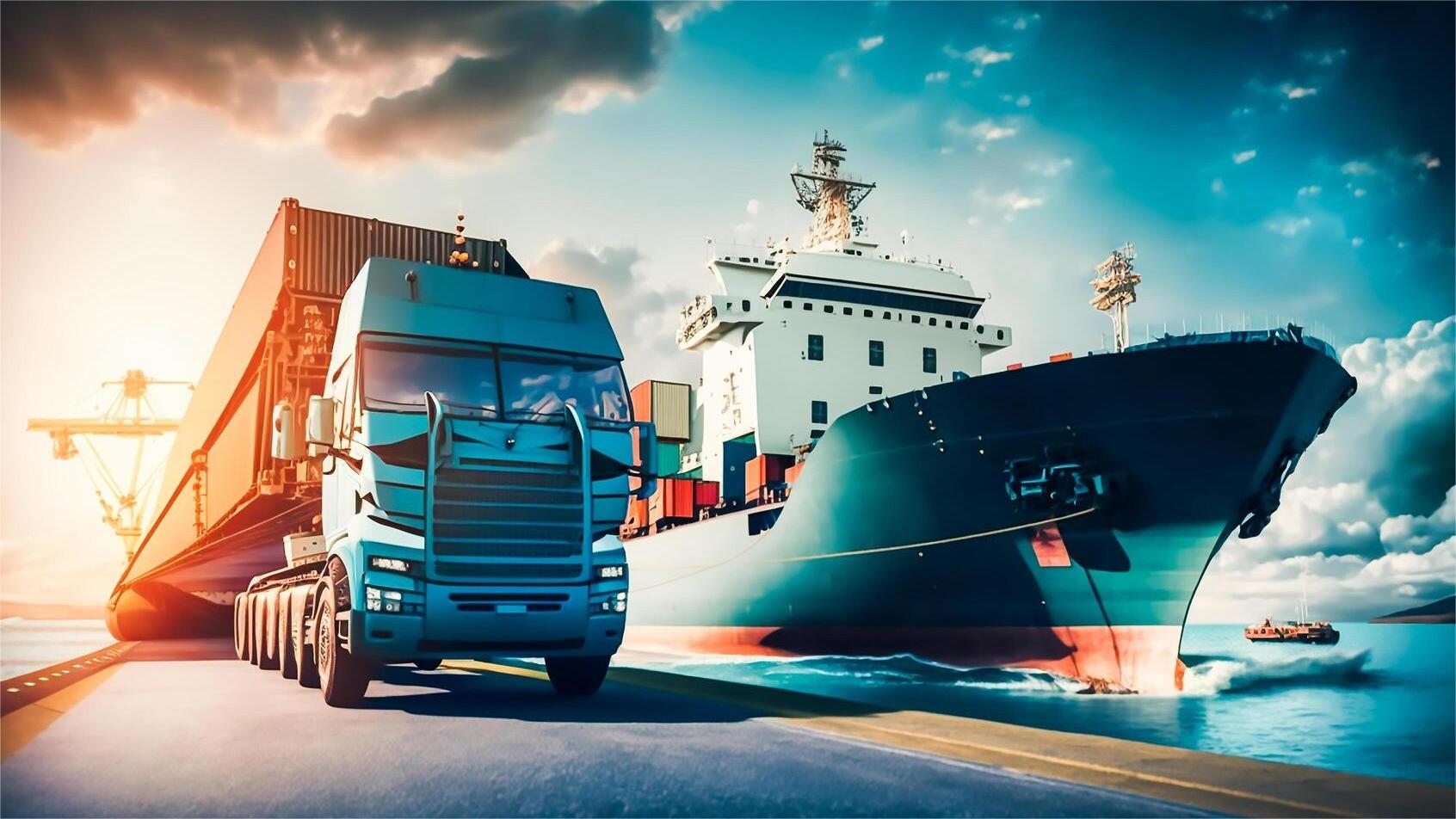
❖The journey of goods from China to France involves a structured customs clearance process. Understanding these steps is crucial for importers to manage expectations and ensure timely delivery. A proficient customs broker expertly guides you through each stage, mitigating potential hurdles.
Initially, pre-arrival filing is completed by your broker or carrier. This involves submitting electronic manifest data to French customs before the cargo even reaches the border. This proactive step significantly speeds up the subsequent clearance procedures upon arrival.
Upon arrival at the French port or airport, the goods are officially presented to customs. Subsequently, your customs broker submits the formal import declaration, along with all supporting documents. This declaration details the goods, their value, origin, and the intended use.
Customs officials then review the declaration and may perform physical inspections or request additional information. Once satisfied, they assess the applicable duties and taxes. Your customs broker facilitates the payment of these charges, which is a prerequisite for the release of your cargo.
Finally, after all duties and taxes are paid and clearance is granted, the goods are released for onward transport to their final destination. Post-clearance audits can occur, so maintaining accurate records is important. For comprehensive assistance, our Customs Brokerage services ensure seamless processing.
How Do Goods Get from China to France? Understanding Shipping Methods
❖Transporting goods from China to France offers several distinct shipping methods, each with its own advantages and considerations. Choosing the right method depends heavily on factors such as cargo type, urgency, budget, and volume. Therefore, strategic planning is essential for efficient `china france freight forwarding`.
Sea freight remains the most common and cost-effective option for large volumes. It involves shipping containers across oceans, typically arriving at major French ports like Le Havre or Marseille. While slower, its capacity and lower cost per unit make it ideal for non-time-sensitive bulk goods.
Air freight, in contrast, offers unparalleled speed for urgent or high-value shipments. Goods are flown from major Chinese airports (e.g., Shanghai, Beijing) to French hubs (e.g., Paris CDG). Despite its speed, air freight is significantly more expensive, making it suitable for smaller, critical consignments.
Rail freight, an increasingly popular alternative, provides a balanced solution. The China-Europe Railway Express connects various Chinese cities directly to European destinations, including France. It is faster than sea freight and more economical than air freight, offering a good compromise for many businesses. Our Door to Door service can integrate these methods for ultimate convenience.
How Does Sea Freight Compare to Other Shipping Options?
❖When planning your logistics from China to France, comparing shipping methods is crucial. Each option offers a unique balance of `shipping costs`, `transit time`, capacity, and suitability for different cargo types. Consequently, a detailed analysis helps optimize your supply chain management China France.
Understanding these trade-offs allows businesses to make informed decisions. For instance, while sea freight is budget-friendly, it demands longer lead times. Air freight provides speed but comes at a premium. Rail freight, however, carves out a middle ground, offering a blend of both. Our sea freight expertise can guide you.
| Shipping Method | Cost Range (20GP) | Transit Time | Best For | Limitations |
|---|---|---|---|---|
| Sea Freight (FCL) | $2,800-4,200 | 28-35 days | Large volumes, heavy goods, non-urgent | Slowest, port congestion risks |
| Air Freight | $3,000-8,000 (per 500kg) | 3-7 days | High-value, urgent, perishable goods | Highest cost, weight/size restrictions |
| Rail Freight | $2,000-3,500 | 18-25 days | Mid-volume, mid-urgency, eco-conscious | Less flexible routes, limited capacity vs. sea |
| Express Service | $500-1,500 (per 100kg) | 2-5 days | Small parcels, samples, documents, critical parts | Very high cost per kg, strict size/weight limits |
Sea Freight: The Economical Choice
Sea freight is undoubtedly the most cost-effective solution for large or heavy shipments. It is ideal for non-urgent goods, offering significant savings compared to other modes. However, its extended `delivery schedule` can range from 28 to 35 days for direct routes to France.
For shipments under 15 CBM, Less than Container Load (LCL) options are available. This allows multiple shippers to share container space, further reducing costs. Conversely, for larger volumes, Full Container Load (FCL) provides dedicated space and often faster transit within the sea freight category.
Air Freight: Speed for Urgent Shipments
When speed is the absolute priority, air freight is the undisputed champion. It drastically reduces `transit time` to just 3-7 days, making it perfect for high-value, perishable, or time-sensitive goods. Nevertheless, this speed comes with a substantially higher `freight rates`.
Air cargo is typically measured by weight or volumetric weight, whichever is greater. It is often used for electronics, fashion items, and critical components. While expensive, the benefits of rapid market entry or avoiding production halts can easily outweigh the cost. Consider our Express Service for very small, urgent parcels.
Rail Freight: A Balanced and Eco-Friendly Alternative
Rail freight has emerged as a strong contender, bridging the gap between sea and air. It offers a `transit time` of approximately 18-25 days, which is significantly faster than sea freight but more economical than air. This makes it an attractive option for many types of cargo.
Furthermore, rail transport boasts a lower carbon footprint compared to air freight, appealing to environmentally conscious businesses. It offers reliable `delivery schedule` and is less susceptible to weather delays than sea routes. This method is particularly suitable for mid-range value goods and consistent supply chains.
Which Shipping Option Should You Choose for Your Shipments?
❖Selecting the optimal shipping method for your China to France route requires careful consideration of several factors. A decision framework helps prioritize your business needs against the inherent characteristics of each transport mode. Ultimately, the best choice aligns with your specific operational goals.
If budget is your primary concern, sea freight is almost always the most economical. It offers the lowest `freight rates` per unit for bulk cargo. However, this choice demands longer lead times, which must be factored into your inventory management and production schedules.
Conversely, if speed is critical, air freight is the clear winner. This option is indispensable for time-sensitive products, urgent replenishments, or high-value items where rapid market entry is vital. The higher cost is justified by reduced inventory holding costs and faster sales cycles.
Cargo type also plays a significant role. Perishable goods, for instance, necessitate faster transport methods like air freight or temperature-controlled rail. Hazardous materials, on the other hand, have specific regulations that might limit air transport and favor specialized sea or rail services.
Finally, shipment volume dictates efficiency. For small parcels or samples, express couriers are efficient. For volumes under 15 CBM, LCL sea or rail freight is often optimal. However, for anything exceeding this, FCL sea freight becomes highly competitive. Explore options for shipping to Europe more broadly.
Real-World Scenarios: China to France Shipping Successes
❖Examining real-world examples can illuminate the practical applications of different shipping strategies. These case studies demonstrate how businesses successfully navigate the complexities of importing from China to France, leveraging the right services and expertise. They highlight effective `logistics solutions china france`.
Case Study 1: Large Volume Sea Shipment (Furniture)
This scenario illustrates the effectiveness of sea freight for substantial, non-urgent cargo. The client required a cost-efficient solution to transport finished furniture. Careful planning and a direct route ensured optimal `cargo handling` and cost management.
| Detail | Description |
|---|---|
| Route | Shenzhen, China -> Le Havre, France |
| Cargo | Furniture, 60 CBM, 12,000 kg |
| Container | 40HQ |
| Shipping Details | Carrier: Maersk, Port of Loading: Yantian, Port of Discharge: Le Havre, Route Type: Direct |
| Cost Breakdown | Ocean Freight: $3,500; Origin Charges: $450; Destination Charges: $600; Customs & Duties (estimated): $1,800; Total Landed Cost: $6,350 |
| Timeline | Booking to Loading: 5 days; Sea Transit: 30 days; Customs Clearance: 3 days; Total Door-to-Door: 38 days |
| Key Insight | Effective planning for large volumes significantly reduced per-unit cost and avoided port delays. Based on Q3 2024 market rates. |
Case Study 2: Time-Sensitive Air Cargo (Electronics)
For high-value, time-sensitive electronics, air freight was the only viable option. The client needed to quickly restock shelves to meet peak demand. This case highlights how speed can justify a higher `shipping costs` for critical inventory.
| Detail | Description |
|---|---|
| Route | Shanghai, China -> Paris CDG, France |
| Cargo | High-value electronics, 2 CBM, 300 kg |
| Container | Air cargo (ULD) |
| Shipping Details | Carrier: Air France Cargo, Port of Loading: PVG, Port of Discharge: CDG, Route Type: Direct flight |
| Cost Breakdown | Air Freight: $2,500; Origin Charges: $200; Destination Charges: $150; Customs & Duties (estimated): $500; Total Landed Cost: $3,350 |
| Timeline | Booking to Loading: 2 days; Air Transit: 1 day; Customs Clearance: 1 day; Total Door-to-Door: 4 days |
| Key Insight | Prioritizing speed for urgent, high-value goods minimized market disruption and maximized sales. Typical rates as of early 2025. |

Case Study 3: E-commerce Rail Shipment (Textiles)
An e-commerce business required a balance between cost and speed for its textile components. Rail freight offered the perfect `logistics solutions china france`, providing faster delivery than sea freight at a more affordable price than air. This approach supported their consistent `delivery schedule`.
| Detail | Description |
|---|---|
| Route | Xi’an, China -> Lyon, France |
| Cargo | Textile components, 15 CBM, 3,000 kg |
| Container | LCL (Less than Container Load) via rail |
| Shipping Details | Carrier: China-Europe Railway Express, Port of Loading: Xi’an Railway Dry Port, Port of Discharge: Vénissieux (Lyon), Route Type: Direct |
| Cost Breakdown | Rail Freight: $1,800; Origin Charges: $300; Destination Charges: $250; Customs & Duties (estimated): $400; Total Landed Cost: $2,750 |
| Timeline | Booking to Loading: 4 days; Rail Transit: 18 days; Customs Clearance: 2 days; Total Door-to-Door: 24 days |
| Key Insight | Rail offered a good balance of speed and cost for mid-sized, non-urgent shipments, while also reducing the carbon footprint. Industry average for this route, Q4 2024. |
Understanding Import Costs and Tariffs for France
❖The total cost of importing goods from China to France extends beyond just `freight rates`. Importers must account for various duties, taxes, and fees levied by French and EU customs authorities. Therefore, a clear understanding of these financial aspects is crucial for accurate budgeting and pricing strategies.
Import duties are calculated based on the Harmonized System (HS) code of your product and its declared value. These rates vary significantly by product category. Additionally, Value Added Tax (VAT) is applied to most imports into France, typically at the standard rate of 20%, calculated on the sum of the goods’ value, duty, and freight.
Beyond duties and VAT, other charges may include customs processing fees, port charges, and potential warehousing fees if goods are delayed. The Incoterms (International Commercial Terms) agreed upon between buyer and seller also heavily influence who is responsible for these costs. For instance, under DDP (Delivered Duty Paid), the seller bears all costs, including `cost of customs brokerage china france`, until the goods reach the buyer.
Note: Freight rates are subject to change based on fuel costs, carrier capacity, and seasonal demand. Contact us for a current quote tailored to your specific shipment.
Choosing the Right Customs Broker for Your China-France Route
❖The success of your imports hinges significantly on selecting a competent `customs broker china to france`. Not all brokers are created equal; therefore, due diligence is essential in making your choice. A reliable partner can save you both time and money, while preventing compliance issues.
Firstly, look for extensive experience specifically in China-EU trade. A broker with a deep understanding of both Chinese export regulations and French/EU import laws will be invaluable. They should be proficient in handling various cargo types and `logistics trends`.
Secondly, assess their communication and transparency. A good broker provides regular updates, explains complex terms clearly, and is readily available to answer your questions. Transparent pricing without hidden fees is also a critical indicator of reliability.
Furthermore, consider their technological capabilities. Brokers utilizing advanced software for documentation, tracking, and reporting can offer greater efficiency and visibility into your shipments. This helps in proactive `supply chain management china france`.
Finally, check their reputation and references. Positive testimonials and a strong track record indicate a trustworthy partner. A broker’s ability to proactively solve problems and adapt to unforeseen challenges, such as port congestion, is also a key differentiator. Even for fast air freight, customs expertise is vital.
Market Insights and Future Logistics Trends
❖The global logistics landscape is constantly evolving, impacting `freight rates` and `delivery schedule` for China-France routes. Staying informed about current market conditions and emerging trends is therefore crucial for strategic planning. These insights help businesses adapt and optimize their supply chains.
As of Q1 2025, freight rates from China to Europe have stabilized after the 2024 Red Sea disruptions. However, volatility can still occur due to geopolitical events or sudden demand surges. Market data suggests that planning well in advance, especially during peak seasons, can mitigate cost increases.
Seasonal patterns significantly influence `shipping costs`. Rates typically increase 15-25% during August-October in preparation for the holiday shopping season. Chinese New Year also causes a temporary surge in demand and rates, followed by a dip in freight activity. Accordingly, strategic timing of shipments can yield substantial savings.
Sustainability is another growing trend impacting logistics. Many companies are now seeking greener shipping options, such as rail freight, to reduce their carbon footprint. Digitalization, including AI-driven optimization and blockchain for enhanced transparency, is also transforming `cargo handling` and customs processes. Industry benchmarks indicate that early adoption of these technologies provides a competitive edge.
Navigating Customs from China to France with Expertise
Ultimately, partnering with an experienced `customs broker china to france` is paramount for successful international trade. They handle the intricate details of compliance, documentation, and clearance, thereby allowing you to focus on your core business. This expertise ensures your goods move efficiently from China to their final destination in France, avoiding costly delays and penalties.
Indeed, a professional customs broker is more than just a service provider; they are a strategic partner. They provide peace of mind, expert advice on `import duties france from china`, and invaluable support in navigating the complexities of cross-border logistics. Consequently, investing in their services is an investment in the efficiency and profitability of your supply chain.
Ready to streamline your logistics?
Ready to streamline your imports from China to France? Our expert team at Top China Freight understands the intricacies of international shipping and customs. Contact us today for a personalized quote and ensure your goods arrive efficiently and compliantly.
Request Quote