
Customs Broker China to Spain: Streamline Your Shipments
Navigating international trade routes, especially from China to Spain, presents unique challenges for businesses. Understanding complex customs regulations and documentation is paramount for successful imports. Consequently, partnering with a reliable customs broker China to Spain is not just an option, but a strategic necessity to ensure your goods move smoothly and efficiently.

Why is a Customs Broker Essential for China to Spain Shipments?
Shipping goods from China to Spain involves a labyrinth of international trade laws, tariffs, and specific import regulations. Indeed, even minor errors in documentation or classification can lead to significant delays, hefty fines, or even cargo seizure. Therefore, professional guidance is indispensable.
A dedicated customs broker acts as your essential intermediary with customs authorities in both China and Spain. They meticulously ensure every aspect of your shipment adheres to all legal requirements, thereby safeguarding your supply chain and preventing costly disruptions.
Key Responsibilities of a Customs Broker from China to Spain
A competent customs broker handles a wide array of critical tasks to facilitate your imports. Primarily, they manage all necessary documentation, ensuring accuracy and timely submission to avoid any compliance issues. This proactive approach minimizes risks associated with cross-border trade.
Furthermore, they accurately calculate and pay duties, taxes, and other fees on your behalf. This includes determining the correct Harmonized System (HS) codes for your products, which directly impacts the applicable tariffs and VAT for import regulations Spain from China. Ultimately, their expertise streamlines the entire customs clearance process.
| Document | Purpose | Requirement |
|---|---|---|
| Commercial Invoice | Details transaction, value, seller/buyer | Mandatory |
| Packing List | Itemizes contents of each package | Mandatory |
| Bill of Lading/Air Waybill | Contract between shipper and carrier | Mandatory |
| Certificate of Origin | Proves country of manufacture | Often required for tariffs |
| Import License | For restricted or controlled goods | As applicable |
| Product Certificates | CE, RoHS, FDA, etc. | As applicable for compliance |

Shipping Methods from China to Spain: A Comprehensive Comparison
Choosing the optimal shipping method is crucial for balancing cost, speed, and cargo type. The primary options for shipping from China to Spain include sea freight, air freight, and increasingly, rail freight. Each method offers distinct advantages and trade-offs.
Consider your specific business needs, including your budget priority, required transit time, and the nature of your goods. Consequently, selecting the most suitable method will significantly impact your overall logistics strategy and shipping from China to Europe efficiency.
| Shipping Method | Cost Range (per kg/CBM) | Transit Time (approx.) | Best For | Limitations |
|---|---|---|---|---|
| Sea Freight (FCL) | $0.05 – $0.15/kg | 28-35 days | Large volumes, heavy goods, non-urgent | Slow, prone to port delays |
| Sea Freight (LCL) | $0.10 – $0.25/kg | 30-40 days | Smaller volumes, cost-sensitive | Longer transit, potential for consolidation delays |
| Air Freight | $4.00 – $8.00/kg | 5-7 days | Urgent, high-value, perishable goods | High cost, weight/volume restrictions |
| Rail Freight | $1.00 – $3.00/kg | 15-20 days | Mid-range urgency, heavier goods than air | Limited routes, less flexible than sea/air |
Sea Freight: Cost-Effective for Large Volumes
Sea freight remains the most economical option for large, heavy, or non-urgent shipments. It offers significant cost savings, especially for full container loads (FCL) or less than container loads (LCL). However, the transit time China to Spain is considerably longer.
Typically, a sea freight journey from major Chinese ports to Valencia or Barcelona can take 28-35 days. This method is ideal for bulk goods, raw materials, or products with longer lead times, reducing overall shipping costs China to Spain.
Air Freight: Speed for Urgent Shipments
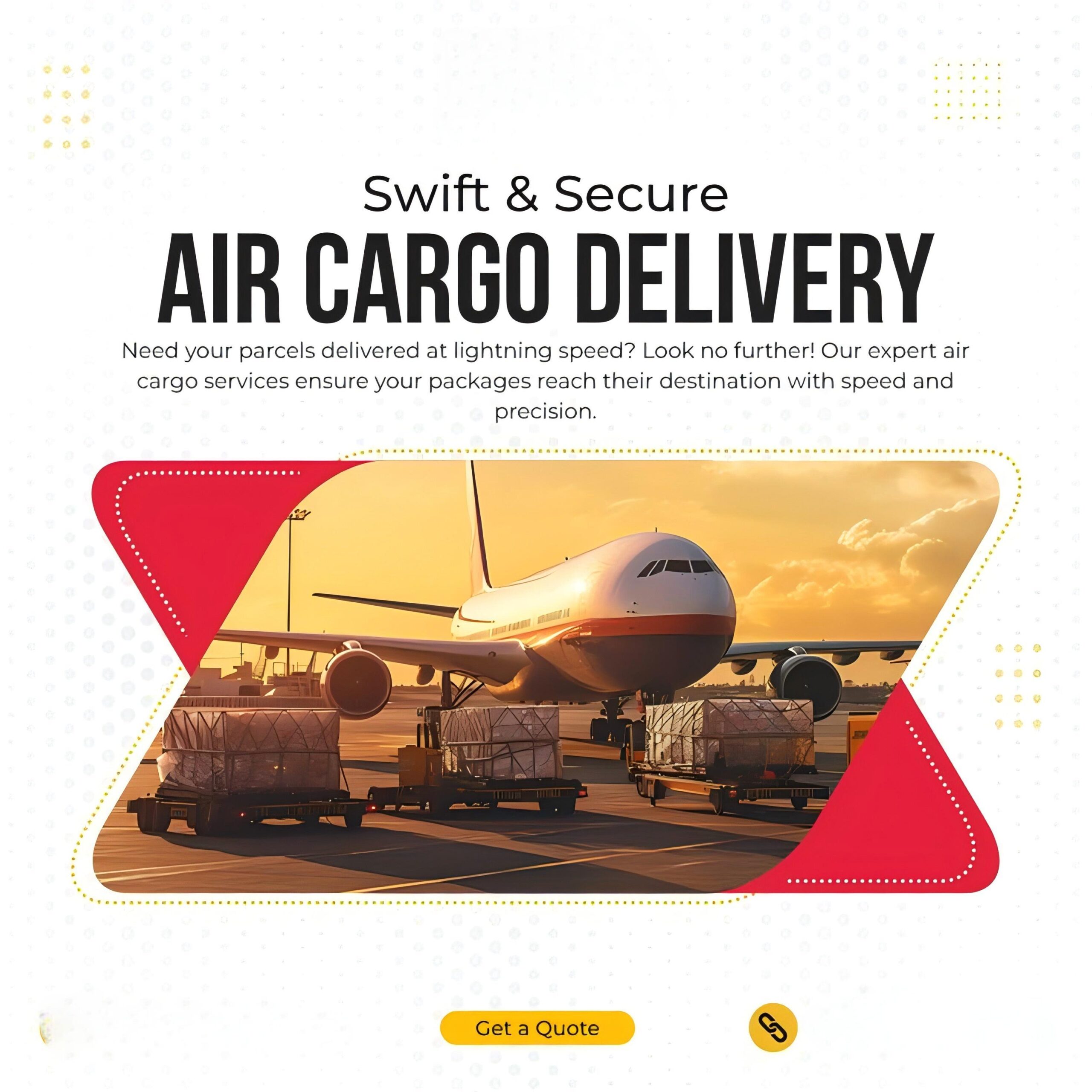
For time-sensitive or high-value cargo, air freight provides the fastest transit times, usually 5-7 days. While significantly more expensive than sea freight, it offers unparalleled speed and reliability. This makes it perfect for perishable goods, fashion items, or urgent product launches.
Despite higher air freight rates China Spain, the advantage of quicker delivery schedules can reduce inventory holding costs and respond rapidly to market demands. Moreover, express services can further shorten delivery times for critical items.
Rail Freight: A Balanced Alternative
Rail freight has emerged as a viable middle-ground option, balancing cost and speed. It is faster than sea freight (typically 15-20 days) and more affordable than air freight. This method is particularly suitable for goods that are too urgent for sea but not critical enough for air.
The New Silk Road railway network connects various Chinese cities directly to European hubs, offering a reliable alternative. Consequently, this method can be an excellent choice for optimizing your supply chain management China Spain for many product types.
Understanding Costs, Duties, and Taxes for Imports to Spain
Importing from China to Spain involves various financial considerations beyond just freight rates. Importers must account for customs duties, Value Added Tax (VAT), and other potential charges. Therefore, accurate cost estimation is vital for budgeting and pricing strategies.
Your customs broker will assist in classifying goods using the correct HS codes, which directly determines the import duties China to Spain. Furthermore, they will ensure proper calculation and payment of Spain’s standard VAT, which is generally 21% on imported goods, based on the CIF value plus duty. Note: Freight rates are subject to change based on fuel costs, carrier capacity, and seasonal demand. Contact us for a current quote tailored to your specific shipment.
Navigating Tariffs and VAT
Tariffs vary significantly by product category and origin. Trade agreements or specific product classifications can influence these rates. Consequently, a skilled broker can identify potential duty-saving opportunities, ensuring compliance while minimizing expenses.
Additionally, understanding the nuances of VAT on imports Spain is crucial. For example, businesses with an EORI number can often defer or reclaim VAT, impacting their cash flow. Your broker provides clarity on these complex financial aspects.

Real-World Case Studies: China to Spain Shipping Success
Examining actual shipping scenarios highlights the practical benefits of professional customs brokerage and diverse shipping strategies. These examples demonstrate how different approaches address varying business needs, from urgent deliveries to cost-effective bulk shipments. These case studies provide insight into typical transit time China to Spain and associated costs.
Case Study 1: E-commerce Apparel via LCL Sea Freight
This case illustrates a small business importing fashion apparel, prioritizing cost-efficiency over speed. The challenge was consolidating multiple supplier shipments into one seamless delivery. Our customs broker facilitated efficient LCL consolidation and clearance.
| Detail | Value |
|---|---|
| Route | Shanghai, China -> Valencia, Spain |
| Cargo | Fashion apparel, 8 CBM, 1500 kg |
| Container | LCL 8 CBM |
| Shipping Details | Carrier: Major carrier, Port of Loading: Shanghai, Port of Discharge: Valencia, Route Type: Direct |
| Cost Breakdown (Based on Q4 2024 rates) | Ocean Freight: $650 (LCL), Origin Charges: $200, Destination Charges: $250, Customs & Duties (estimated): $1,100, Total Landed Cost: $2,200 |
| Timeline | Booking to Loading: 7 days, Sea Transit: 30 days, Customs Clearance: 3 days, Total Door-to-Door: 45 days |
| Key Insight | Efficient LCL consolidation and accurate customs documentation prevented delays and managed import duties China to Spain effectively. |
Case Study 2: Industrial Machinery via FCL Sea Freight
A manufacturing client needed to import heavy industrial machinery, requiring careful handling and robust logistics. The key was managing the large volume and ensuring timely delivery for a production line upgrade. FCL sea freight was the chosen method for its capacity and cost-effectiveness.
| Detail | Value |
|---|---|
| Route | Ningbo, China -> Barcelona, Spain |
| Cargo | Industrial machinery, 25 CBM, 12,000 kg |
| Container | 1 x 40GP |
| Shipping Details | Carrier: COSCO, Port of Loading: Ningbo, Port of Discharge: Barcelona, Route Type: Direct |
| Cost Breakdown (Typical rates as of early 2025) | Ocean Freight: $3,500 (FCL), Origin Charges: $400, Destination Charges: $500, Customs & Duties (estimated): $2,800, Total Landed Cost: $7,200 |
| Timeline | Booking to Loading: 10 days, Sea Transit: 32 days, Customs Clearance: 4 days, Total Door-to-Door: 50 days |
| Key Insight | Proactive customs compliance China Spain and detailed cargo handling ensured safe and efficient delivery of high-value equipment. |
Case Study 3: Urgent Electronics via Air Freight
An electronics distributor required a swift delivery of new product samples to meet a tight market launch deadline. Speed was the absolute priority, justifying the higher cost of air freight. Our express service handled the urgent shipment seamlessly.
| Detail | Value |
|---|---|
| Route | Shenzhen, China -> Madrid, Spain |
| Cargo | Electronics samples, 0.5 CBM, 200 kg |
| Container | Air Cargo |
| Shipping Details | Carrier: Major airline, Airport of Loading: Shenzhen (SZX), Airport of Discharge: Madrid (MAD), Route Type: Direct |
| Cost Breakdown (Based on Q1 2025 market rates) | Air Freight: $1,200, Origin Charges: $150, Destination Charges: $100, Customs & Duties (estimated): $300, Total Landed Cost: $1,750 |
| Timeline | Booking to Loading: 2 days, Air Transit: 3 days, Customs Clearance: 1 day, Total Door-to-Door: 7 days |
| Key Insight | Rapid customs clearance and efficient air cargo handling ensured the product samples arrived well ahead of the critical launch date. |
Which Shipping Option Should You Choose for China to Spain?
Selecting the ideal shipping method depends entirely on your specific priorities and cargo characteristics. Therefore, a clear understanding of your budget, urgency, and product type is paramount. This decision framework helps guide your choice.
Consider partnering with an experienced freight forwarder who offers comprehensive door-to-door services. They can provide tailored advice and manage all aspects of your logistics, from origin to final destination, simplifying your entire import process.
Decision Framework for China to Spain Shipments
For budget-conscious shipments, especially over 15 CBM, sea freight is typically the most economical option. Conversely, if speed is paramount for high-value or perishable goods, air freight is the undisputed choice. Rail freight provides a balanced approach for many scenarios.
Ultimately, the best strategy often involves a hybrid solution or a combination of methods depending on different product lines or seasonal demands. For instance, launching a new product might warrant air freight, while subsequent replenishment uses sea freight.
| Priority | Cargo Type | Recommended Method | Considerations |
|---|---|---|---|
| Cost-Effectiveness | Bulk, non-urgent goods | Sea Freight (LCL/FCL) | Longer transit times, plan ahead |
| Speed & Urgency | High-value, perishable, time-critical | Air Freight (or Express) | Higher costs, weight/volume limits |
| Balance (Cost/Speed) | Medium urgency, heavier than air cargo | Rail Freight | Specific routes, good for inland destinations |
| Convenience | Any cargo, minimal hassle | Door-to-Door Service | All logistics handled, but may cost more |
Seamless Imports with an Expert Customs Broker China to Spain
In conclusion, successful imports from China to Spain hinge on meticulous planning, compliance, and expert execution. Partnering with a knowledgeable customs broker is undoubtedly the most effective way to navigate the intricacies of international shipping. They ensure your cargo clears customs efficiently, avoiding delays and unexpected costs.
By leveraging professional customs brokerage, businesses can confidently expand their global reach, optimize their supply chain, and focus on core operations. Ultimately, this partnership transforms potential logistical headaches into a competitive advantage, making your China to Spain trade routes smoother than ever.
Get Your Shipping Quote Today
Ready to simplify your imports from China to Spain? Don’t let complex customs procedures slow down your business. Contact Top China Freight today for a personalized quote and expert customs brokerage services tailored to your specific shipping needs.
Request Quote