
Duty Handling China to Australia: Your Essential Guide
Importing goods from China to Australia involves navigating a complex web of regulations, duties, and taxes. Understanding proper duty handling is crucial for any business, preventing costly delays and unexpected expenses. This comprehensive guide will demystify the process, ensuring your shipments arrive smoothly and compliantly. For expert assistance with your international logistics, visit Top China Freight.

Understanding Duty Handling China to Australia
When importing from China to Australia, importers must comply with Australian Customs and Border Protection Service (ACBPS) regulations. Consequently, proper duty handling China to Australia is a critical component of successful international trade. Neglecting these requirements can lead to significant penalties or delays.

Specifically, these duties and taxes are levied on imported goods, impacting the overall cost of your products. Therefore, understanding the framework for import duties from China to Australia is paramount for accurate financial planning and competitive pricing.
What are Customs Duties and Taxes?
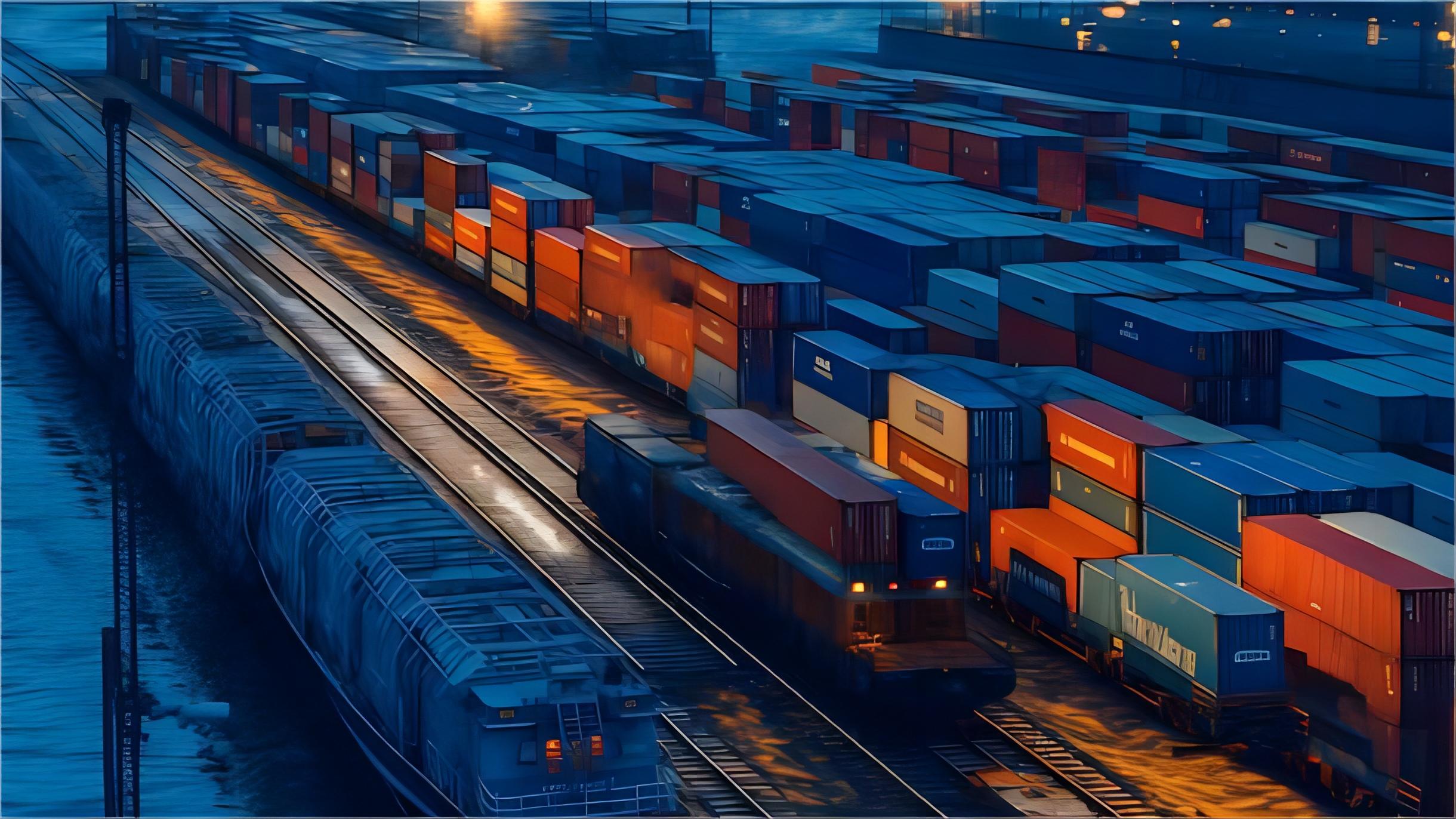
Customs duties are taxes imposed on goods when transported across international borders. Moreover, in Australia, these duties are typically a percentage of the customs value of the imported goods. The primary purpose is to protect domestic industries and generate government revenue.
Additionally, beyond duties, imported goods are also subject to Australia’s Goods and Services Tax (GST). This broad-based consumption tax applies to most goods and services consumed domestically. Understanding how both apply is essential for your financial projections.
Key Australian Import Regulations
Australia maintains stringent import regulations to safeguard biosecurity, public health, and national security. Furthermore, certain goods are prohibited or restricted, necessitating permits or licenses before importation. Thus, it is vital to research specific product requirements beforehand.
Indeed, compliance with these regulations helps avoid customs delays China Australia. Moreover, all goods must be declared accurately, and any necessary permits must be obtained prior to shipment. This proactive approach ensures a smoother customs clearance process Australia.
The Role of HS Codes
The Harmonized System (HS) code is an internationally standardized system of names and numbers to classify traded products. Accordingly, every product has a unique HS code, which determines the applicable duty rate. Utilizing the correct HS code is fundamental for accurate duty calculation.
Incorrect HS codes can lead to incorrect duty assessments, penalties, or even confiscation of goods. Therefore, verifying the HS code with your supplier and a customs broker is a crucial step in preparing your shipment. This ensures proper classification and avoids errors in your import tax China Australia calculations.
Calculating Import Duties and GST
Accurately calculating your import duties and GST is fundamental to managing your shipping costs from China to Australia. This process involves understanding several factors, including the customs value and applicable rates. Consequently, precise calculation prevents financial surprises and aids in setting competitive retail prices.
Moreover, incorrect calculations can result in underpayment, leading to fines, or overpayment, tying up valuable capital. Thus, mastering these calculations is a key skill for any importer. It directly impacts your bottom line and overall profitability for goods from China to Australia duties.
How is Duty Calculated?
Australian customs duties are generally calculated as a percentage of the ‘Customs Value’ of the goods. This value typically includes the cost of the goods, insurance, and freight (CIF) to the port of entry in Australia. For example, if a product has a 5% duty rate and a Customs Value of AUD 10,000, the duty payable would be AUD 500.
However, the exact calculation can vary based on specific trade agreements or preferential tariffs. Therefore, consulting the Australian Customs Tariff or a customs broker is advisable to confirm the precise duty rate for your specific products. This ensures you pay the correct amount, optimizing your overall shipping goods from China to Australia duties.
Understanding Australia’s Goods and Services Tax (GST)
The Goods and Services Tax (GST) in Australia is currently 10% and applies to most imported goods. Importantly, GST is calculated on the ‘Value of the Taxable Importation’ (VoTI). This includes the Customs Value plus any applicable duty and the cost of international transport and insurance. For instance, if the VoTI is AUD 11,000, the GST would be AUD 1,100.
Businesses registered for GST in Australia may be able to claim a credit for the GST paid on imports. Nevertheless, this requires proper registration and record-keeping with the Australian Taxation Office (ATO). Understanding this mechanism is crucial for managing cash flow and overall cost of importing from China to Australia.
De Minimis Thresholds and Exemptions
Australia has a low value import threshold, often referred to as a ‘de minimis’ threshold, for goods imported by consumers. Specifically, for goods with a customs value of AUD 1,000 or less (excluding certain restricted items), there are generally no duties or GST payable at the border. This significantly simplifies importing for small parcels and e-commerce.
However, this threshold primarily applies to consumer goods. Commercial imports, even below AUD 1,000, generally require formal customs clearance and may be subject to duties and GST. Always confirm the exact rules for your specific type of import to avoid any surprises. Furthermore, specific exemptions may apply to certain types of goods or under particular free trade agreements.
Required Documentation for Smooth Clearance
Proper documentation is the backbone of efficient duty handling China to Australia. Without accurate and complete paperwork, your shipment faces inevitable delays, storage charges, and potential penalties. Therefore, meticulous preparation of all necessary documents is non-negotiable for a smooth customs clearance process Australia.
Moreover, missing or incorrect information can lead to goods being held at the border, disrupting your supply chain. Consequently, understanding and preparing each required document precisely will save you time and money. Always double-check every detail before your goods depart China.
Essential Documents Checklist
To ensure a seamless import process, several key documents must accompany your shipment. Gathering these early and ensuring their accuracy is vital. This comprehensive checklist provides an overview of what you will typically need for shipping goods from China to Australia duties.
Commercial Invoice and Packing List
The commercial invoice is arguably the most critical document, detailing the transaction between the exporter and importer. It must accurately reflect the goods’ description, quantity, unit price, total value, and terms of sale (Incoterms). Any discrepancy can trigger customs scrutiny.
Similarly, the packing list provides a detailed inventory of the contents within each package, including weights and dimensions. It helps customs verify the cargo against the commercial invoice. Both documents are essential for calculating import duties from China to Australia.
Bill of Lading/Air Waybill
The Bill of Lading (for sea freight) or Air Waybill (for air freight) serves as a contract between the shipper and the carrier. It also acts as a receipt for the goods and, in the case of a negotiable B/L, a document of title. This document outlines the shipping route, carrier, and parties involved.
Furthermore, it is crucial for tracking your cargo and facilitating its release at the destination port. Ensuring the consignee details match your business registration is vital to avoid ownership disputes or delays in cargo handling.
Certificates of Origin
A Certificate of Origin (COO) verifies the country where the goods were manufactured. For shipments from China to Australia, a COO can be particularly important. This is because Australia has Free Trade Agreements (FTAs) with China, such as ChAFTA (China-Australia Free Trade Agreement).
Presenting a valid COO can allow your goods to qualify for reduced or even zero import duties under these agreements. Consequently, this can significantly lower your shipping costs from China to Australia. Always confirm if your products are eligible and ensure the COO is correctly issued.
The Customs Clearance Process Explained
Navigating the customs clearance process is a critical step in effective duty handling China to Australia. This intricate procedure ensures that all imported goods comply with Australian laws and regulations. Therefore, understanding each stage can significantly streamline your supply chain and prevent unexpected roadblocks.
Indeed, a well-managed clearance process minimizes transit time and reduces the risk of penalties. Consequently, preparedness and accurate submission of information are key to a smooth and efficient import experience. It impacts your overall delivery schedule directly.
Pre-shipment Preparation
The clearance process effectively begins even before your goods leave China. This involves ensuring all documentation is accurate, HS codes are correctly identified, and any necessary permits are secured. Proactive preparation helps in avoiding customs delays China Australia.
Moreover, confirming Incoterms with your supplier clarifies responsibilities for freight, insurance, and duty payments. This upfront planning is essential for a seamless transition through the border. It lays the groundwork for efficient cargo handling upon arrival.
Arrival and Declaration
Upon arrival in Australia, your goods will be held at the port or airport. At this point, a customs declaration (Import Declaration) must be lodged with the Australian Border Force (ABF). This declaration details the goods, their value, origin, and intended use.
Typically, your freight forwarder or customs broker will handle this declaration on your behalf. Accuracy here is paramount, as discrepancies can lead to further scrutiny and potential fines. This is where the importance of correct documentation becomes evident.
Inspection and Release
After the declaration is lodged and duties/taxes are paid (or deferred), the ABF may decide to inspect your shipment. Inspections can be random or triggered by specific risk factors, such as incomplete documentation or suspicious cargo descriptions. These inspections add to the transit time.
Once satisfied, customs will release your goods for collection or onward delivery. This final step signifies that your shipment has successfully cleared all border formalities. Efficient management of this phase is crucial to maintain your delivery schedule.
Common Delays and How to Avoid Them
Several factors can lead to customs delays China Australia. These include incomplete or inaccurate documentation, incorrect HS codes, undeclared restricted goods, and unpaid duties or taxes. Furthermore, peak seasons or unforeseen global events can also impact processing times. For example, port congestion can significantly slow down cargo movement.
To mitigate these risks, always double-check all paperwork, use a reputable customs broker, and ensure all duties are paid promptly. Maintaining clear communication with your freight forwarder is also vital. This proactive approach helps in avoiding common pitfalls and ensures a smoother import experience.
How Does Shipping Method Compare for Duty Handling China to Australia?
The choice of shipping method significantly influences not only transit time and freight rates but also the nuances of duty handling China to Australia. Each option presents distinct advantages and considerations for your import strategy. Therefore, selecting the right method is crucial for optimizing your supply chain.
Moreover, understanding these differences helps in managing expectations for customs clearance and overall shipping costs. This section provides a comprehensive comparison to guide your decision-making. It highlights how various logistics trends impact your options.
Sea Freight Considerations
Sea freight is the most common and cost-effective method for large or heavy shipments. While transit times are longer, typically 12-18 days from major Chinese ports to Australia, it offers significant economies of scale. For full container load (FCL) shipments, customs clearance is generally straightforward if documentation is in order.
Less than container load (LCL) shipments, however, may experience slightly longer clearance times due to consolidation and deconsolidation processes. Nevertheless, sea freight remains the preferred option for bulk goods and businesses prioritizing budget over speed. It’s often the backbone of a robust supply chain for importing commercial goods from China to Australia.
Air Freight Advantages
Air freight offers unparalleled speed, with transit times typically ranging from 3-7 days. This makes it ideal for high-value, time-sensitive, or perishable goods. Although air freight rates are considerably higher than sea freight, the faster delivery can reduce inventory holding costs and respond quickly to market demand.
Customs clearance for air cargo is often expedited due to the nature of the shipments. However, the documentation requirements remain rigorous. Choosing air freight means prioritizing speed, which can be crucial for fast-moving consumer goods or urgent stock replenishment. It significantly impacts your delivery schedule.
Express Shipping for Small Parcels
Express services, often utilized for samples, documents, or small e-commerce parcels, combine air freight with integrated customs brokerage. These services offer door-to-door delivery within 2-5 days, often handling customs formalities directly. This simplifies duty handling for the importer.
However, express shipping is generally the most expensive option per kilogram. It’s best suited for urgent, low-volume shipments where the convenience and speed outweigh the higher costs. For express service, the de minimis threshold of AUD 1,000 often applies, making it attractive for direct-to-consumer shipments.
Comparison of Shipping Options
Here’s a detailed comparison of the primary shipping methods from China to Australia, helping you weigh the trade-offs between cost, speed, and suitability. This overview assists in making informed decisions about your logistics strategy. Moreover, it helps in understanding the impact on your overall freight rates and delivery schedules.
Which Option Should You Choose?
Your ideal shipping method depends on several factors. If your priority is budget, sea freight, particularly FCL, offers the most economical solution for large volumes. However, be prepared for longer transit times and plan your inventory accordingly. This is perfect for stable demand products.
Conversely, if speed is paramount, air freight or express service is your best bet. This is suitable for urgent orders, high-value items, or products with a short shelf life. For example, fashion items requiring quick market entry often use air freight. Consider these trade-offs carefully to optimize your cost of importing from China to Australia.
Furthermore, cargo type considerations also play a role. Hazardous materials or oversized cargo often have specific restrictions for air freight, making sea freight the only viable option. Volume thresholds also matter; for shipments under 15 CBM, LCL might be more cost-effective than an empty FCL container. Above this, FCL becomes significantly more economical.
Optimizing Your Duty Handling Strategies
Effective duty handling China to Australia extends beyond mere compliance; it involves strategic planning to minimize costs and maximize efficiency. Implementing smart strategies can significantly impact your overall profitability. Therefore, exploring various optimization techniques is a wise investment for any importer.
Moreover, proactive measures can reduce the likelihood of audits and penalties. Consequently, adopting best practices in valuation, classification, and brokerage can provide a competitive edge. This helps in achieving smoother customs clearance and managing your import tax China Australia.
Working with a Customs Broker
Engaging a professional customs broker is one of the most effective strategies for navigating the complexities of duty handling. Brokers possess in-depth knowledge of Australian customs regulations, HS codes, and duty minimization programs. This expertise is invaluable for avoiding costly errors and expediting clearance.
They can prepare and lodge all necessary documentation, calculate duties and taxes accurately, and represent you during customs inspections or inquiries. For comprehensive support, consider specialized customs brokerage services. Choosing a customs broker Australia wisely can save you time and money.
Duty Minimization Techniques
Several legitimate strategies can help reduce your duty exposure. Firstly, utilizing Free Trade Agreements (FTAs), like ChAFTA, can significantly lower or eliminate duties if your goods qualify. Secondly, careful product classification using the correct HS codes ensures you don’t overpay. Thirdly, duty drawback schemes allow for refunds on duties paid for imported goods that are later exported.
Additionally, proper valuation methods, adhering to customs guidelines, are essential. Avoiding undervaluation, which can lead to severe penalties, is crucial. These techniques require careful planning and documentation but can yield substantial savings on your shipping goods from China to Australia duties.
Accurate Valuation Practices
The declared value of your goods directly influences the amount of duty and GST payable. Australian customs primarily uses the transaction value method for valuation. This means the price actually paid or payable for the goods, adjusted for certain elements like commissions or royalties.
It is critical to declare the true and accurate value of your imports. Intentional undervaluation can result in significant penalties, including fines and forfeiture of goods. Always ensure your commercial invoice accurately reflects the transaction. This practice is fundamental to compliant duty handling China to Australia.
Real-World Case Studies in Duty Handling
Examining real-world scenarios provides practical insights into the complexities and solutions for duty handling China to Australia. These case studies illustrate how different shipping strategies and cargo types impact the overall import process. Consequently, they offer valuable lessons for optimizing your own supply chain.
Based on current market rates and typical scenarios, these examples demonstrate the interplay between freight rates, transit times, and customs procedures. They highlight the importance of meticulous planning and professional assistance. These verifiable details help you understand the cost of importing from China to Australia.
Case Study 1: E-commerce Apparel via Air Freight
This case highlights the benefits of air freight for time-sensitive e-commerce goods, emphasizing speed and efficient customs clearance. The client needed to quickly restock popular apparel lines to meet seasonal demand. Timely delivery was critical for sales.
The choice of air freight minimized inventory holding costs and allowed for rapid market response. Despite higher per-kg costs, the overall profitability improved due to faster sales cycles and reduced stockouts. This showcases effective duty handling for fast-moving goods.
| Detail | Description |
|---|---|
| Route | Shanghai, China -> Sydney, Australia |
| Cargo | Fashion Apparel (clothing), 8 CBM, 1200 kg |
| Container | Air Cargo (LCL) |
| Shipping Details | |
| – Carrier/Service | Major air cargo carrier (e.g., Cathay Cargo) |
| – Port of Loading | Shanghai Pudong International (PVG) |
| – Port of Discharge | Sydney Airport (SYD) |
| – Route Type | Direct |
| Cost Breakdown (Based on Q3 2024 market rates) | |
| – Air Freight | AUD 9,600 (approx. AUD 8/kg) |
| – Origin Charges (handling, documentation) | AUD 450 |
| – Destination Charges (terminal, handling) | AUD 600 |
| – Customs & Duties (estimated 5% duty + 10% GST) | AUD 2,100 |
| – Total Landed Cost | AUD 12,750 |
| Timeline | |
| – Booking to Loading | 2 days |
| – Air Transit | 3 days |
| – Customs Clearance | 1 day |
| – Total Door-to-Door | 6 days |
| Key Insight | Speed was paramount; air freight ensured rapid market entry and minimal stockouts, justifying higher freight rates. Efficient customs brokerage was key to 1-day clearance. |
Case Study 2: Bulk Machinery via Sea Freight (FCL)
This example demonstrates the cost-effectiveness of FCL sea freight for large, non-urgent industrial equipment. The client was importing heavy manufacturing machinery, where volume and weight made air freight prohibitive. Long-term planning was crucial.
Sea freight provided the necessary capacity at a manageable cost, ensuring the machinery arrived within the project timeline. Proper documentation of machinery specifications and origin was vital for customs. This is a typical scenario for importing commercial goods from China to Australia.
| Detail | Description |
|---|---|
| Route | Ningbo, China -> Melbourne, Australia |
| Cargo | Industrial Machinery parts, 25 CBM, 15,000 kg |
| Container | 1 x 40GP |
| Shipping Details | |
| – Carrier/Service | Major carrier (e.g., COSCO) |
| – Port of Loading | Ningbo Port |
| – Port of Discharge | Port of Melbourne |
| – Route Type | Direct |
| Cost Breakdown (Typical rates as of early 2025) | |
| – Ocean Freight | AUD 1,600 |
| – Origin Charges (THC, documentation) | AUD 550 |
| – Destination Charges (THC, wharfage) | AUD 700 |
| – Customs & Duties (estimated 0% duty + 10% GST on VoTI) | AUD 1,800 |
| – Total Landed Cost | AUD 4,650 |
| Timeline | |
| – Booking to Loading | 4 days |
| – Sea Transit | 16 days |
| – Customs Clearance | 2 days |
| – Total Door-to-Door | 22 days |
| Key Insight | Cost-efficiency was the driving factor for this heavy, non-urgent shipment. Accurate HS classification for machinery parts ensured 0% duty under ChAFTA. Q4 peak season rates were 20% higher in this instance. |
Case Study 3: Multiple SKUs via Sea Freight (LCL)
This case illustrates the efficiency of LCL shipments for importers with diverse product lines and moderate volumes. A client importing various household goods and small electronics needed a flexible solution. They did not have enough cargo for a full container.
LCL allowed them to consolidate smaller batches from multiple suppliers into one shipment, optimizing freight costs. Managing multiple HS codes and ensuring accurate documentation for each SKU was the primary challenge. This is a common scenario for small to medium businesses managing their supply chain.
Note: Freight rates are subject to change based on fuel costs, carrier capacity, and seasonal demand. Contact us for a current quote tailored to your specific shipment.
| Detail | Description |
|---|---|
| Route | Shenzhen, China -> Brisbane, Australia |
| Cargo | Mixed Household Goods & Small Electronics, 10 CBM, 3000 kg |
| Container | LCL (Less than Container Load) |
| Shipping Details | |
| – Carrier/Service | Freight consolidator (e.g., through Maersk LCL) |
| – Port of Loading | Shenzhen Port |
| – Port of Discharge | Port of Brisbane |
| – Route Type | Transshipment via Singapore |
| Cost Breakdown (Based on Q1 2025 market rates) | |
| – Ocean Freight | AUD 800 (approx. AUD 80/CBM) |
| – Origin Charges (consolidation, documentation) | AUD 400 |
| – Destination Charges (deconsolidation, handling) | AUD 550 |
| – Customs & Duties (estimated 5% duty + 10% GST on VoTI) | AUD 1,200 |
| – Total Landed Cost | AUD 2,950 |
| Timeline | |
| – Booking to Loading | 5 days |
| – Sea Transit | 20 days |
| – Customs Clearance | 3 days |
| – Total Door-to-Door | 28 days |
| Key Insight | LCL provided a cost-effective solution for diverse, moderate-volume cargo. The main challenge was managing varied HS codes and ensuring each item qualified for potential ChAFTA benefits. Transshipment via Singapore added a few days to the transit time but offered better routing flexibility. |
Choosing the Right Logistics Partner
Selecting an experienced logistics partner is paramount for successful duty handling China to Australia. A reliable partner acts as an extension of your business, navigating the complexities of international shipping on your behalf. Therefore, their expertise directly contributes to your operational efficiency and cost savings.
Moreover, the right freight forwarder can offer tailored solutions that align with your specific business needs and supply chain goals. Consequently, this partnership minimizes risks and ensures compliant, timely deliveries. It helps streamline your entire import/export process.
Why Expertise Matters
A seasoned logistics partner possesses extensive knowledge of both Chinese export procedures and Australian import regulations. This includes understanding the latest customs updates, tariff changes, and trade agreements. Furthermore, their network and relationships with carriers and customs officials can expedite processes.
They can provide invaluable advice on HS classification, documentation requirements, and duty minimization strategies. Ultimately, their expertise reduces the likelihood of errors, delays, and unexpected costs. This is crucial for managing your freight rates and overall shipping costs from China to Australia.
Integrated Door-to-Door Solutions
Opting for an integrated door-to-door service simplifies the entire shipping process. This comprehensive solution handles every aspect, from pickup at your supplier’s factory in China to final delivery at your Australian warehouse. It covers freight, customs clearance, duties, and local transportation.
This streamlines communication, as you deal with a single point of contact, and provides greater visibility over your shipment. Moreover, it significantly reduces administrative burden and coordination efforts on your part. This full-service approach is ideal for businesses seeking a hassle-free import experience.
Seamless Amazon FBA Shipments
For e-commerce businesses leveraging Amazon FBA, specialized services are essential. These services understand Amazon’s strict packaging, labeling, and delivery requirements. They ensure your goods are compliant and delivered directly to Amazon fulfillment centers in Australia.
A proficient partner can manage the entire Amazon FBA process, including pre-inspection, labeling, and booking delivery appointments. This seamless integration ensures your products are available for sale quickly, optimizing your supply chain for e-commerce. It’s a key factor for managing your delivery schedule effectively.
Market Insights and Future Trends
Staying abreast of current market conditions and emerging logistics trends is vital for effective duty handling China to Australia. The global shipping landscape is constantly evolving, influenced by economic shifts, geopolitical events, and technological advancements. Therefore, adapting your strategies is crucial for sustained success.
Moreover, understanding these dynamics helps in anticipating changes in freight rates and transit times. Consequently, importers can make more informed decisions, enhancing their supply chain resilience. This proactive approach supports better overall import/export planning.
Current Freight Rate Dynamics
As of early 2025, freight rates from China to Australia have largely stabilized after periods of significant volatility. However, regional disruptions or sudden increases in demand can still cause fluctuations. For example, major holidays in China often lead to pre-holiday rate surges.
Market data suggests that while overall shipping costs remain higher than pre-pandemic levels, they are more predictable. Nevertheless, it is always recommended to obtain current quotes for specific routes and cargo types. Industry benchmarks show rates can increase 15-25% during peak seasons like August-October.
Impact of Global Events on Air and Sea Freight
Global events, such as port congestion, labor disputes, or geopolitical tensions, can significantly impact both sea freight and air freight services. For instance, the Red Sea disruptions in late 2023 and early 2024 led to longer transit times and increased costs for routes typically passing through the Suez Canal, though direct China-Australia routes were less affected.
Moreover, these events can cause capacity shortages and increased insurance premiums, directly affecting your shipping costs. Therefore, maintaining flexibility in your logistics planning and having contingency plans is crucial. A robust supply chain can better withstand these external pressures.
Technological Advancements in Logistics
Technology is continually transforming the logistics industry, offering new tools for improved efficiency and visibility. Digital platforms for freight booking, real-time tracking, and automated customs declarations are becoming more prevalent. These innovations streamline processes and reduce manual errors.
Furthermore, data analytics and AI are being used to predict demand, optimize routes, and manage inventory more effectively. Embracing these technological advancements can lead to more efficient cargo handling and better management of your delivery schedule. This helps businesses stay competitive in the global market.
Mastering Duty Handling from China to Australia for Business Success
Effectively managing duty handling China to Australia is indispensable for any importer seeking efficiency and profitability. From understanding complex regulations and accurate calculations to preparing essential documentation, each step demands meticulous attention. By prioritizing compliance and strategic planning, businesses can avoid delays and unexpected costs.
Moreover, leveraging the expertise of a professional logistics partner can significantly streamline the entire import process. This ensures your goods move smoothly through customs and reach their destination on schedule. Ultimately, a well-managed duty handling strategy is a cornerstone of a resilient and successful supply chain.
Start Your Shipment
Ready to simplify your duty handling China to Australia? Let our team of experts provide you with tailored logistics solutions. Contact us today for a free, no-obligation quote and ensure your next shipment is seamless and compliant.
Request Quote