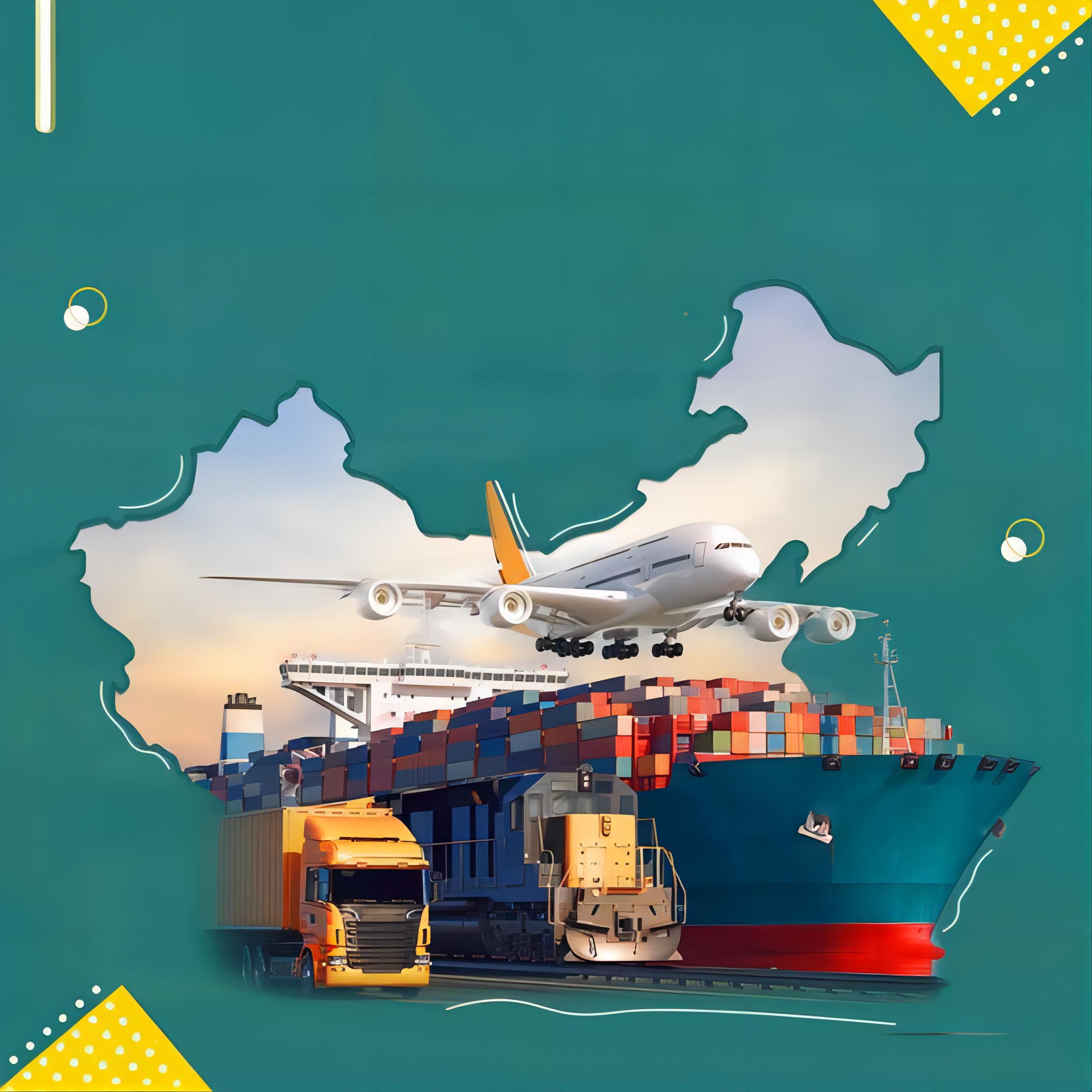
Duty Handling China to UK: Your Complete Guide
Navigating the complexities of duty handling China to UK can be a daunting task for businesses and individuals alike. Understanding tariffs, VAT, and customs procedures is crucial for smooth import operations, otherwise, unexpected costs and delays can quickly erode profits. This comprehensive guide will demystify the process, offering practical insights and strategies to ensure your shipments from China reach the UK efficiently and cost-effectively.
What Are UK Import Duties and VAT for China Shipments?
When importing goods from China to the UK, understanding the difference between import duties and Value Added Tax (VAT) is fundamental. These charges significantly impact the total landed cost of your products. Therefore, accurate calculation and payment are essential for compliance and financial planning.
Import duties, also known as customs duties or tariffs, are taxes levied on goods entering the UK from non-EU countries. Their primary purpose is to regulate trade and generate revenue. Moreover, the specific duty rate depends on the type of goods and their classification under the Harmonized System (HS) codes.
Understanding the Harmonized System (HS) Codes
Every product is assigned a unique HS code, a globally standardized numerical classification system. This code determines the specific duty rate applicable to your imported goods. Consequently, misclassifying your products can lead to incorrect duty payments, fines, or even shipment delays.
Furthermore, it is the importer’s responsibility to ensure the correct HS code is used. Working with an experienced freight forwarder or customs broker can greatly assist in this crucial step, preventing costly errors in your customs brokerage process.
UK Import VAT: Calculation and Registration
Import VAT is a consumption tax applied to goods entering the UK. Currently, the standard rate is 20%. Unlike duties, VAT is typically charged on the total value of the goods, including their purchase price, shipping costs, insurance, and any applicable duties.
To import goods commercially into the UK, businesses must have an Economic Operator Registration and Identification (EORI) number. This number is essential for customs declarations and ensures you can reclaim import VAT if you are VAT-registered. Without a valid EORI, your shipments will face significant delays at customs.
How Are Duties and VAT Calculated for China to UK Imports?
Calculating the exact duties and VAT for your imports from China to the UK involves several key components. This process, however, can be complex, requiring attention to detail to avoid surprises. Therefore, understanding the formula is vital for accurate budgeting.
Generally, duties are calculated as a percentage of the goods’ customs value. This value typically includes the cost of the goods themselves, plus any associated costs like packing, royalties, and sometimes even international freight and insurance, depending on the Incoterms used. Subsequently, VAT is calculated on this total customs value, plus the duty amount.
| Cost Component | Description | Inclusion in Duty Calculation | Inclusion in VAT Calculation |
|---|---|---|---|
| Goods Value | Price paid for the goods | Yes | Yes |
| International Freight | Cost to transport goods to UK | Depends on Incoterm | Yes |
| Insurance | Cost to insure goods during transit | Depends on Incoterm | Yes |
| Customs Duty | Tax on imported goods | N/A | Yes |
| Other Charges | Packing, royalties, etc. | Yes | Yes |
Essential Documentation for Smooth Duty Handling China to UK
Effective door-to-door delivery from China to the UK relies heavily on accurate and complete documentation. Missing or incorrect paperwork is a leading cause of customs delays and penalties. Consequently, preparing these documents meticulously is a non-negotiable step in your import process.
Firstly, the commercial invoice is paramount, detailing the goods, their value, and terms of sale. Secondly, a precise packing list is needed, outlining the contents of each package. Furthermore, the bill of lading (for sea freight) or air waybill (for air freight) acts as the contract of carriage and proof of ownership. Lastly, a certificate of origin may be required to confirm the goods’ manufacturing country.
| Document | Purpose | Issued By | Key Details |
|---|---|---|---|
| Commercial Invoice | Details goods, value, seller/buyer | Seller | HS codes, Incoterms, currency |
| Packing List | Details contents of each package | Seller | Weight, dimensions, quantity |
| Bill of Lading/Air Waybill | Contract of carriage, proof of ownership | Carrier/Freight Forwarder | Shipper, consignee, route, cargo description |
| Certificate of Origin | Confirms country of manufacture | Chamber of Commerce (China) | Goods description, origin country |
| EORI Number | Importer identification for customs | HMRC (UK) | Unique business ID |
Key Documents Checklist
Ensuring you have all necessary documents prepared before shipment departure can prevent significant headaches. Below is a checklist of critical paperwork for your China to UK imports. Adhering to this list will streamline your customs clearance process.
Choosing the Right Incoterms for Your Shipments
Incoterms (International Commercial Terms) define the responsibilities of buyers and sellers for the delivery of goods under sales contracts. Selecting the appropriate Incoterm is critical, as it dictates who is responsible for costs like freight, insurance, and crucially, customs brokerage and duties. Therefore, a clear understanding prevents disputes and unexpected expenses.
For shipments from China to the UK, common Incoterms include FOB (Free On Board), CIF (Cost, Insurance and Freight), and DDP (Delivered Duty Paid). Each term shifts responsibilities differently. Consequently, choosing wisely directly impacts your total cost and involvement in the logistics process.
FOB, CIF, and DDP: What They Mean for Duties
Under FOB terms, the seller’s responsibility ends once goods are loaded onto the vessel at the port of origin. The buyer then assumes all risks and costs, including international freight, insurance, and all import duties and taxes in the UK. This gives the buyer more control over the shipping process but also more responsibility.
CIF means the seller pays for the cost and freight to the named port of destination, plus marine insurance. However, the risk transfers to the buyer once goods are on board the vessel. The buyer is still responsible for import duties, taxes, and destination charges upon arrival in the UK.
DDP is often considered the most convenient for buyers, especially for e-commerce or smaller businesses. With DDP, the seller handles almost everything: manufacturing, freight, insurance, and all import duties and taxes in the UK. The goods arrive at the buyer’s specified location, cleared through customs, with all charges paid. This offers maximum convenience but often comes with a higher overall price from the seller.
How to Minimize Import Duty and VAT on China to UK Shipments
Reducing import duty and VAT can significantly improve your profit margins when importing from China to the UK. While these taxes are mandatory, strategic planning can help optimize these costs. Therefore, exploring various cost-saving strategies is highly recommended for businesses.
Firstly, ensuring accurate HS classification is paramount. Misclassification can lead to overpayment or underpayment, resulting in fines. Secondly, understanding valuation methods for customs purposes can prevent inflated duty calculations. Additionally, exploring duty relief schemes or free trade agreements, if applicable, can offer substantial savings. Finally, optimizing your shipping volumes through consolidation can also lead to efficiencies.
Accurate HS Classification and Valuation
The correct HS code is the foundation of accurate duty calculation. Working with experienced freight forwarders or customs brokers can help you avoid common pitfalls. They possess expertise in classifying complex goods, ensuring compliance and correct duty assessment. Incorrect classification might result in higher duties than necessary.
Customs valuation determines the monetary value of imported goods for duty assessment. The most common method is the transaction value (the price paid or payable). However, other methods exist, and understanding them can ensure you’re not overpaying. Always declare the true value of your goods.
Duty Relief Schemes and Consolidation Strategies
The UK offers various duty relief schemes, such as inward processing relief (for goods processed in the UK and then re-exported) or returned goods relief. Investigating if your goods qualify for any such schemes can lead to significant duty savings. However, strict conditions apply, so thorough research is essential.
Consolidating multiple smaller shipments into one larger consignment can reduce per-unit shipping and customs clearance costs. This strategy is particularly effective for businesses with regular, smaller orders from different suppliers in China. A skilled freight forwarder can manage this complex consolidation for you, maximizing efficiency and cost savings.
How Does Shipping Method Impact Duty Handling China to UK?
The choice of shipping method from China to the UK significantly influences not only transit time and cost but also the specifics of duty handling. Different methods come with varying customs processes, speed of clearance, and documentation requirements. Therefore, selecting the right mode of transport is a strategic decision for your supply chain.
For instance, sea freight is typically used for large, heavy, or non-urgent shipments. While it offers the lowest cost per unit, customs clearance might take longer due to larger volumes and port processes. Conversely, air freight is ideal for urgent or high-value goods, offering faster transit times and often quicker customs processing at airports. Express services, a specialized form of air freight, provide integrated customs clearance, simplifying the process further.
| Shipping Method | Cost Range (per kg/CBM) | Transit Time (China to UK) | Best For | Limitations |
|---|---|---|---|---|
| Sea Freight (FCL) | $0.05 – $0.15/kg | 30-38 days | Large volumes, heavy goods, non-urgent | Slowest, port congestion risk |
| Sea Freight (LCL) | $0.10 – $0.25/kg | 35-45 days | Smaller volumes (1-15 CBM), cost-conscious | Slower than FCL due to consolidation, more handling |
| Air Freight | $4 – $8/kg | 5-8 days | Urgent, high-value, perishable goods | Highest cost, volume/weight restrictions |
| Express Service | $6 – $12/kg | 2-5 days | Samples, documents, very urgent small packages | Very high cost, strict size/weight limits, integrated customs |
Comparing Shipping Methods: Sea, Air, and Express
Each shipping method presents a unique balance of speed, cost, and convenience for your China to UK imports. Understanding these trade-offs is essential for making an informed decision that aligns with your business needs. Below is a detailed comparison to help you choose.
Which Option Should You Choose for Your China to UK Imports?
Deciding on the best shipping and duty handling strategy involves weighing various factors specific to your business and shipment. There is no one-size-fits-all solution; instead, the optimal approach balances cost, speed, and risk. Therefore, a clear decision framework can guide your choices effectively.
Consider your budget first. If cost is your primary concern, sea freight will almost always be the most economical option, especially for larger volumes. However, if speed is paramount, air freight or express service offers significantly shorter transit times. Cargo type also plays a role; delicate or perishable items may necessitate faster, more controlled environments.
| Priority | Recommendation | Considerations |
|---|---|---|
| Budget-Focused | Sea Freight (LCL/FCL), FOB Incoterms | Longer transit times, more involvement in customs |
| Speed-Focused | Air Freight, Express Service, DDP Incoterms | Higher costs, ideal for urgent or high-value goods |
| Convenience/Hands-Off | DDP Shipping, Full-Service Freight Forwarder | Higher upfront cost included in seller’s price, minimal importer effort |
| Large Volume/Heavy Cargo | FCL Sea Freight | Most cost-effective for bulk, requires full container load |
| Small/Light Cargo | LCL Sea Freight, Express Service | LCL for cost, Express for speed; consolidation options |
Decision Framework for China to UK Shipping
To simplify your decision, consider these key criteria. Matching your priorities to the suitable shipping method and duty handling approach will ensure efficient and cost-effective imports from China to the UK. This framework helps in navigating complex logistics scenarios.
Real Case Studies: Navigating Duty Handling China to UK
Understanding theoretical concepts is valuable, but seeing how duty handling and shipping strategies play out in real-world scenarios provides invaluable insights. These case studies illustrate common challenges and successful approaches for imports from China to the UK. Therefore, they offer practical lessons for your own operations.
These examples reflect typical scenarios and market conditions as of Q1 2025. Note that freight rates are subject to change based on fuel costs, carrier capacity, and seasonal demand. Always contact us for a current quote tailored to your specific shipment, ensuring the most accurate pricing for your needs.
Case Study 1: Large Volume Sea Freight with DDP Terms
| Detail | Description |
|---|---|
| Route | Shenzhen, China -> Felixstowe, UK |
| Cargo | Electronics components, 60 CBM, 15,000 kg |
| Container | 40HQ |
| Shipping Details | Carrier: COSCO, Port of Loading: Yantian, Shenzhen, Port of Discharge: Felixstowe, Route Type: Direct |
| Cost Breakdown | Ocean Freight: $3,800, Origin Charges: $450, Destination Charges: $550, Customs & Duties (estimated): $2,500, Total Landed Cost: $7,300 |
| Timeline | Booking to Loading: 5 days, Sea Transit: 32 days, Customs Clearance: 2 days, Total Door-to-Door: 39 days |
| Key Insight | Strategic planning with DDP terms streamlined delivery despite large volume, ensuring predictable costs for the buyer. |
Case Study 2: Urgent Air Freight for Time-Sensitive Goods
| Detail | Description |
|---|---|
| Route | Shanghai, China -> London Heathrow, UK |
| Cargo | Fashion samples, 0.5 CBM, 150 kg |
| Container | Air Cargo (LCL) |
| Shipping Details | Carrier: British Airways Cargo, Port of Loading: PVG, Shanghai, Port of Discharge: LHR, London, Route Type: Direct |
| Cost Breakdown | Air Freight: $1,200, Origin Charges: $150, Destination Charges: $100, Customs & Duties (estimated): $300, Total Landed Cost: $1,750 |
| Timeline | Booking to Loading: 1 day, Air Transit: 2 days, Customs Clearance: 1 day, Total Door-to-Door: 4 days |
| Key Insight | Rapid response achieved for time-sensitive goods, emphasizing the need for quick customs processing through dedicated air freight services. |
Case Study 3: LCL Sea Freight for E-commerce Business
| Detail | Description |
|---|---|
| Route | Ningbo, China -> Southampton, UK |
| Cargo | Small home goods, 8 CBM, 2,000 kg |
| Container | LCL |
| Shipping Details | Carrier: MSC (via consolidator), Port of Loading: Ningbo, Port of Discharge: Southampton, Route Type: Transshipment via Singapore |
| Cost Breakdown | Ocean Freight: $4,400 (for 8 CBM), Origin Charges: $300, Destination Charges: $400, Customs & Duties (estimated): $1,800, Total Landed Cost: $6,900 |
| Timeline | Booking to Loading: 7 days, Sea Transit: 35 days, Customs Clearance: 3 days, Total Door-to-Door: 45 days |
| Key Insight | Cost-effective for smaller volumes, but requires patience due to transshipment and LCL consolidation, highlighting trade-offs between cost and speed. |
Mastering Duty Handling China to UK for Seamless Imports
Ultimately, successful **duty handling China to UK** imports hinges on meticulous planning, accurate documentation, and a clear understanding of regulations. By mastering these elements and leveraging the right shipping partners, businesses can significantly reduce costs, avoid delays, and ensure a smooth supply chain. Proactive management of duties and VAT is not just compliance; it is a strategic advantage.
Navigating the intricacies of international trade requires expertise, especially when dealing with the dynamic landscape between China and the UK. Therefore, partnering with a knowledgeable freight forwarder can transform potential challenges into streamlined success. They provide the guidance and services necessary to make your import journey efficient and stress-free.
Need a tailored shipping solution?
Ready to simplify your duty handling China to UK shipments? Don’t let complex import regulations slow down your business. Contact our expert team today for personalized advice and a seamless shipping experience. We handle everything from customs documentation to final delivery, ensuring your goods arrive on time and within budget.