

Effective Detention Prevention for FCL Shipping from China to UK
Managing international logistics requires a deep understanding of port regulations to avoid unnecessary and expensive overhead costs. For businesses importing goods, Top China Freight provides expert guidance on detention prevention for FCL shipping from China to UK. This comprehensive guide explores actionable strategies to streamline your supply chain and minimize expensive delays at major British ports.
What defines detention in the shipping industry?
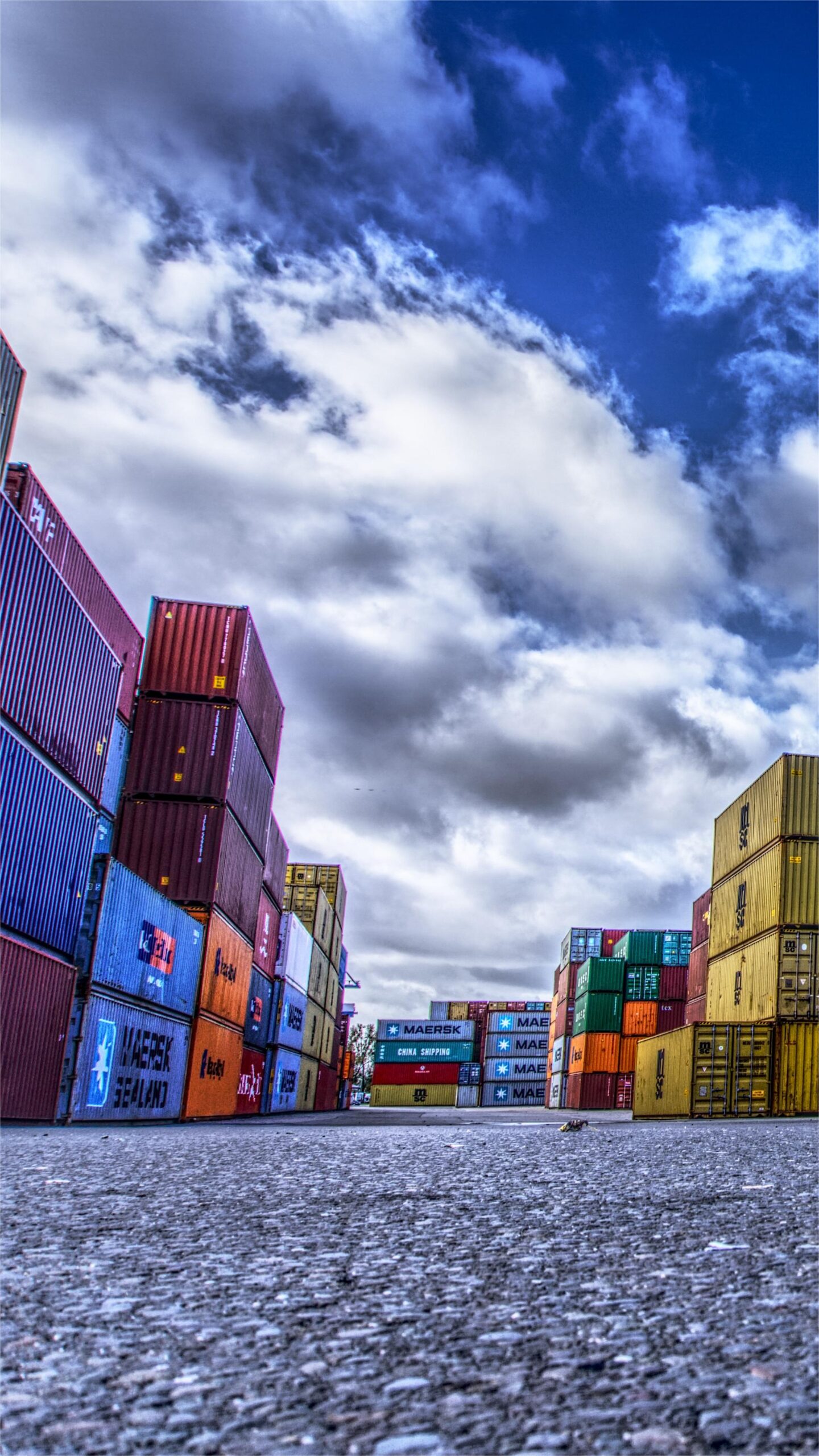
Many importers often confuse demurrage with detention, yet these terms represent distinct stages of the container journey. Detention refers specifically to the fees charged for holding a container outside the port terminal beyond the agreed free time period. Consequently, failing to return the empty equipment to the carrier’s designated depot promptly results in daily penalties that can quickly erode your profit margins.
Moreover, these charges are levied by the shipping line to compensate for the lost opportunity of using that equipment for other customers. Carriers typically provide a standard window of free days, but delays in unloading or inland transport can easily exceed this limit. Therefore, understanding the nuances of these fees is the first step toward effective cost management in your international trade operations.
Specifically, the clock for detention starts the moment the full container is picked up from the port and continues until the empty shell is returned. In contrast, demurrage applies to the time the container sits inside the port terminal after discharge from the vessel. Accordingly, managing both requires a synchronized approach to logistics and haulage coordination.
Why is detention prevention for FCL shipping from China to UK critical?
Financial implications of detention fees can be devastating for small and medium-sized enterprises importing from Asia. Since UK ports like Felixstowe and Southampton are often congested, the risk of missing return deadlines increases significantly during peak seasons. Furthermore, the daily rates for detention often escalate the longer the equipment remains outstanding, leading to exponential cost growth.
Additionally, consistent delays can damage your reputation with shipping lines and local hauliers. If your cargo frequently incurs detention, carriers might be less willing to offer competitive rates or priority space on future vessels. Consequently, implementing a robust strategy for detention prevention for FCL shipping from China to UK is essential for maintaining a healthy supply chain and professional partnerships.
Indeed, every day a container sits at your warehouse is a day it is not generating revenue for the carrier. By prioritizing quick turnaround times, you ensure that your logistics flow remains fluid and predictable. Without a doubt, proactive management is far more cost-effective than paying avoidable penalties after the fact.
What are the primary causes of detention charges?
Several factors contribute to the accumulation of detention fees, ranging from administrative errors to physical logistics bottlenecks. For instance, a lack of available haulage drivers in the UK can prevent the timely return of empty containers to the port. Meanwhile, delays in the warehouse unloading process often keep equipment tied up longer than originally planned by the logistics team.
Another common cause involves issues with customs brokerage and documentation accuracy. If the paperwork is not processed before the container leaves the port, the cargo might be held at an inland facility while waiting for clearance. Consequently, the container remains under the importer’s responsibility, and the detention clock continues to tick relentlessly.
Furthermore, poor communication between the various parties in the supply chain often leads to missed return windows. If the warehouse manager does not notify the transport company that the container is empty, the haulier cannot schedule a pickup. Therefore, visibility and real-time data sharing are vital components of any successful detention prevention strategy.

How does sea freight compare to other shipping options?
Choosing the right mode of transport is a fundamental decision that affects your overall logistics costs and risk profile. While sea freight remains the most popular choice for FCL shipments due to its capacity, it also carries the highest risk of detention. In contrast, alternative methods might offer more flexibility or faster transit times depending on your specific cargo needs.
For example, rail freight from China to Europe has become a viable middle ground for many businesses. Although it is more expensive than ocean transport, it offers shorter transit times and different fee structures for equipment use. Nevertheless, sea freight remains the gold standard for high-volume shipments where cost-efficiency is the primary objective.
To summarize the differences, you must weigh the speed of delivery against the potential for port-related fees. Below is a comparison of the most common shipping methods available for the China to UK route.
| Sea Freight (FCL) | $2,000 – $4,500 | 30 – 38 Days | Bulk goods and large volumes |
| Rail Freight | $4,000 – $6,500 | 18 – 22 Days | Urgent industrial components |
| Air Freight | $15,000 – $25,000 | 5 – 7 Days | High-value or perishable items |
| Express Service | Premium Rates | 3 – 5 Days | Samples and small documents |
What strategies ensure successful detention prevention?
Negotiating extended free time is perhaps the most effective method for detention prevention for FCL shipping from China to UK. Most carriers offer a standard 7-day window, but experienced freight forwarders can often negotiate 14 or even 21 days for high-volume shippers. Consequently, this extra buffer provides the necessary flexibility to handle unexpected warehouse delays or haulage shortages.
Another critical strategy involves utilizing door-to-door services that integrate every step of the journey. When a single provider manages both the ocean freight and the final mile delivery, they have a vested interest in returning equipment on time. This integration eliminates the communication gaps that often occur when using multiple independent contractors.
Additionally, you should implement a rigorous tracking system to monitor the status of every container in real-time. Knowing exactly when a container was pulled from the port allows you to set clear deadlines for your warehouse staff. To summarize, proactive planning and clear communication are the pillars of a fee-free shipping experience.
Which documentation is essential for avoiding delays?
Accurate documentation is the backbone of smooth customs clearance and timely container returns. For instance, the Bill of Lading must match the commercial invoice and packing list perfectly to avoid queries from UK Border Force. Any discrepancy can lead to the container being held at an inland terminal, where detention charges will start to accumulate immediately.
Furthermore, ensuring that the EORI number and commodity codes are correct is vital for a seamless transition. If you are shipping specialized goods, such as those requiring health certificates, these must be ready well before the vessel arrives. Accordingly, working with a professional team ensures that all regulatory requirements are met without last-minute stress.
Moreover, digital documentation platforms can significantly speed up the sharing of information between China and the UK. By providing your logistics partner with early access to files, they can begin the clearance process while the vessel is still at sea. This head start is a crucial element of detention prevention for FCL shipping from China to UK.
| Bill of Lading | Title of goods | Pre-shipment | High |
| Commercial Invoice | Customs valuation | Pre-shipment | High |
| Packing List | Cargo inspection | Pre-shipment | Medium |
| C88/E2 Document | UK Customs Entry | Arrival | High |
How can a freight forwarder minimize your logistics risks?
A professional freight forwarder acts as your eyes and ears on the ground in both China and the United Kingdom. They have established relationships with carriers and can often secure better terms for detention prevention for FCL shipping from China to UK. Furthermore, their expertise in local port operations allows them to anticipate potential bottlenecks before they impact your shipment.
For businesses shipping to online fulfillment centers, utilizing Amazon FBA specialized logistics can be a game-changer. These providers understand the strict delivery windows required by Amazon and can coordinate container returns to avoid penalties. Consequently, you can focus on growing your sales while the experts handle the complex equipment management.
Indeed, the right partner will provide regular updates and proactive alerts regarding your container’s free time status. They coordinate with hauliers to ensure that empty containers are prioritized for return to the depot. Without a doubt, the peace of mind provided by a reliable forwarder far outweighs the cost of their services.
Real-world case studies of China to UK FCL shipments
Examining real-world scenarios helps illustrate how proactive management can save thousands of dollars in potential fees. Below are two examples of FCL shipments where strategic planning led to successful outcomes despite challenging market conditions.
Case Study 1: Electronics from Shenzhen to Felixstowe. This shipment involved a 40HQ container of consumer electronics during the peak Q4 season. By negotiating 14 days of free time and pre-clearing customs, the importer avoided $1,200 in potential detention fees when the warehouse experienced a temporary labor shortage.
Case Study 2: Textiles from Ningbo to Southampton. A 20GP container was delayed due to a localized haulier strike in the UK. However, because the freight forwarder had arranged for a local storage solution for the empty container, the equipment was returned within the free window, resulting in zero additional charges.
Case Study 1: Strategic Planning for Electronics
Route: Shenzhen, China to Felixstowe, UK. Cargo: Consumer Electronics, 68 CBM, 12,000 kg. Container: 40HQ. Carrier: COSCO. Shipping Details: Direct route with 14 days negotiated free time. Cost Breakdown: Ocean Freight $3,850, Origin Charges $250, Destination Charges $450. Total Landed Cost: $4,550. Timeline: 34 days sea transit, 2 days customs clearance. Key Insight: Pre-clearing customs allowed for immediate pickup upon discharge.
Case Study 2: Managing Disruptions for Textiles
Route: Ningbo, China to Southampton, UK. Cargo: Apparel and Textiles, 28 CBM, 8,500 kg. Container: 20GP. Carrier: Maersk. Shipping Details: Transshipment via Singapore. Cost Breakdown: Ocean Freight $2,400, Origin Charges $200, Destination Charges $400. Total Landed Cost: $3,000. Timeline: 38 days total transit. Key Insight: Local depot flexibility prevented detention during a transport strike.
Mastering Your China to UK Logistics Strategy
Achieving consistent detention prevention for FCL shipping from China to UK requires a combination of early planning, accurate documentation, and strong carrier relationships. By understanding the difference between demurrage and detention, you can better allocate resources to protect your bottom line. Moreover, the use of integrated logistics services and negotiated free time provides the necessary buffer to handle the unpredictability of global trade.
Ultimately, the goal is to create a fluid supply chain where equipment is moved efficiently and returned promptly. Working with an experienced freight forwarder ensures that you have the expertise needed to avoid common pitfalls and maximize your profitability. Start implementing these strategies today to ensure your future shipments remain cost-effective and stress-free.

Ready to streamline your logistics?
Are you ready to optimize your supply chain and eliminate unnecessary port fees? Contact our expert team today for a customized quote and professional advice on detention prevention for FCL shipping from China to UK. Let us help you navigate the complexities of international logistics with ease.
Request Quote