
Efficient Customs Clearance China to Japan: A Complete Guide
Navigating customs clearance from China to Japan can present complex challenges for businesses and individuals alike. Understanding the intricate regulations and documentation requirements is crucial for a smooth import process. Consequently, many importers seek reliable solutions to ensure their goods reach Japan efficiently and without unexpected delays. Top China Freight offers comprehensive services to streamline your cross-border logistics.
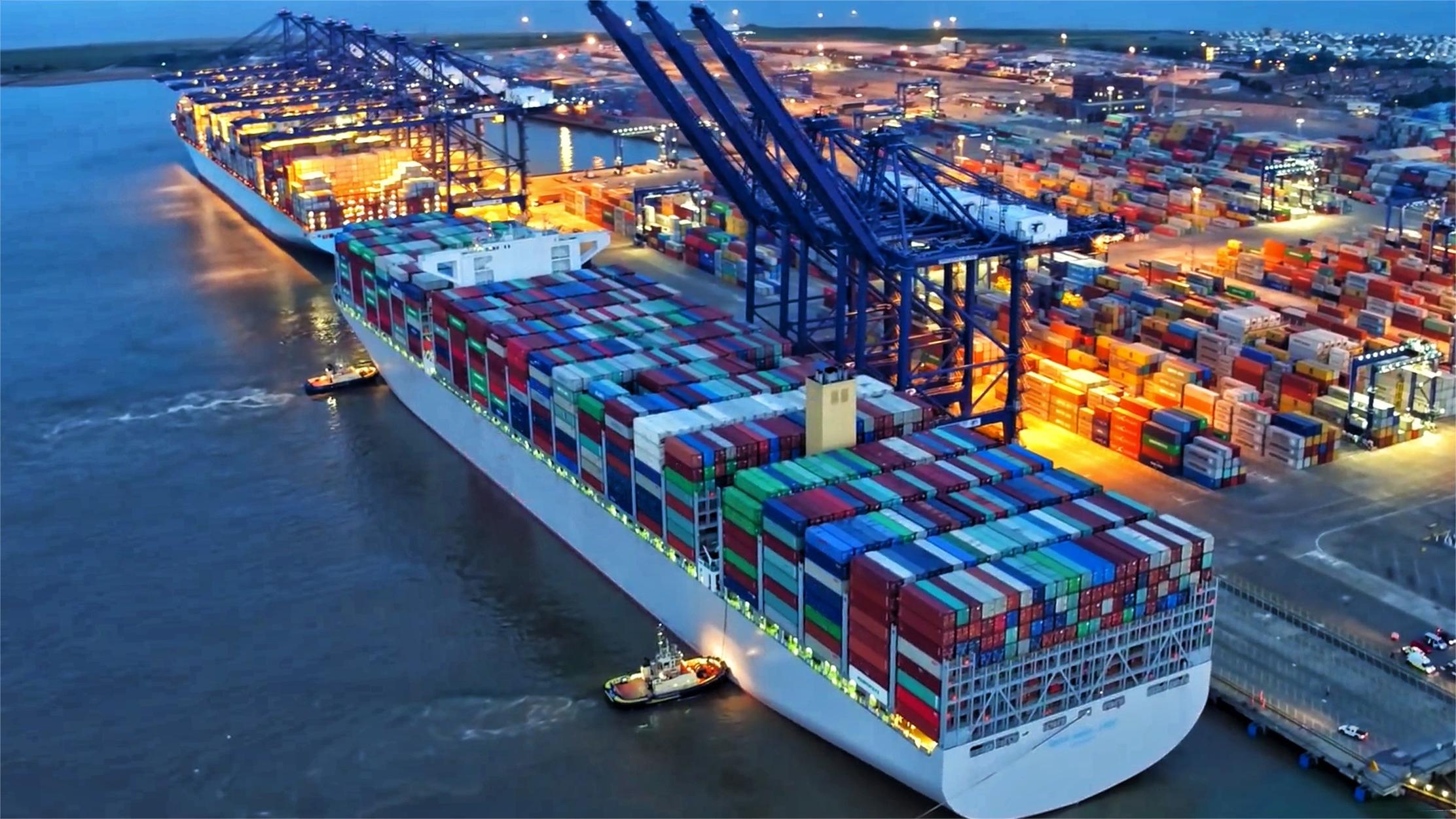
What is Customs Clearance and Why is it Critical for China to Japan Shipping?
Customs clearance is the mandatory process of obtaining official permission to move goods into or out of a country. This involves submitting accurate documentation and paying any applicable duties or taxes to the destination country’s customs authorities. For shipments from China to Japan, this step is indispensable for legal and timely delivery.
Moreover, failing to complete customs clearance properly can lead to significant delays, hefty fines, or even seizure of goods. Therefore, understanding the specific requirements for import duties from China to Japan is paramount. An efficient customs process ensures your supply chain remains uninterrupted and cost-effective.
Understanding Japan’s Import Regulations and Restrictions
Japan maintains strict import regulations, particularly concerning certain product categories. Importers must be aware of these rules to ensure compliance and prevent their goods from being held or rejected at the border. Accordingly, proactive research into specific product requirements is always recommended.
For instance, food products, cosmetics, pharmaceuticals, and certain electronics often require special licenses, inspections, or certifications. Furthermore, items like firearms, narcotics, and counterfeit goods are strictly prohibited. Therefore, confirming your cargo’s compliance with Japan import regulations is a critical pre-shipment step.
| Document Type | Purpose | Key Details |
|---|---|---|
| Commercial Invoice | Details of goods and transaction | Shipper/Consignee, HS Codes, Value, Incoterms |
| Packing List | Contents of each package | Quantity, Weight, Dimensions, Marks, Numbers |
| Bill of Lading (B/L) / Air Waybill (AWB) | Contract of carriage and title to goods | Carrier, Route, Consignor, Consignee, Notify Party |
| Certificate of Origin | Confirms country of manufacture | Required for preferential tariffs under trade agreements |
| Import Declaration Form (C-5020) | Official declaration to Japan Customs | Submitted electronically via NACCS |
| Power of Attorney | Authorizes customs broker to act on importer’s behalf | Required for third-party customs clearance |

Calculating Customs Duties and Taxes for China to Japan Shipments
Determining the correct customs fees China Japan involves several factors, including the Harmonized System (HS) code, the declared value of the goods, and any applicable trade agreements. Consequently, accurate classification is essential for precise duty calculation. The General Agreement on Tariffs and Trade (GATT) valuation method is typically used.
Japan applies Consumption Tax (currently 10%) on imported goods, in addition to customs duties. Moreover, certain goods may be subject to specific excise taxes. Therefore, working with a knowledgeable customs broker can help optimize your customs costs and ensure correct payment.
How Does Shipping Method Impact Customs Clearance China to Japan?
The choice of shipping method significantly influences transit times and, indirectly, the customs clearance process. Each method offers different advantages and considerations for your delivery schedule. Understanding these differences is crucial for effective logistics planning.
For example, air freight provides the fastest transit, often reducing the window for potential customs delays. Conversely, sea freight is more economical for larger volumes but has longer transit times, meaning goods spend more time in transit before reaching customs. Express services, on the other hand, often include expedited customs procedures. Furthermore, utilizing a reliable customs brokerage service can streamline the process regardless of your chosen shipping method.
Which Option Should You Choose?
Ultimately, the best shipping option for customs clearance China to Japan depends on your specific business needs. Consider these criteria carefully before making a decision.
If budget is your primary priority, sea freight for FCL or LCL shipments is generally the most economical choice. However, if speed is paramount, then air freight or even an express service will be more suitable. For delicate or high-value cargo, specialized air freight options might be preferred. Furthermore, for door-to-door delivery, a combined service could be most efficient.
For shipments under 15 CBM, LCL sea freight may be more cost-effective than a full container, offering a good balance between price and transit time. Conversely, for urgent smaller parcels, express service provides rapid delivery. Hybrid solutions, such as sea-air combinations, are less common for the short China-Japan route but can be considered for specific logistical challenges.
| Shipping Method | Cost Range (per kg/CBM)* | Transit Time (Port-to-Port) | Best For | Limitations |
|---|---|---|---|---|
| Sea Freight (FCL/LCL) | $50-100/CBM or $800-1800/container | 3-7 days | Large volumes, heavy goods, non-urgent shipments | Slower transit, potential for port delays |
| Air Freight | $3-7/kg | 1-3 days | Urgent, high-value, perishable, smaller shipments | Higher cost, weight/volume restrictions |
| Express Service | $7-15/kg | 1-3 days | Small packages, documents, samples, urgent parcels | Highest cost, strict size/weight limits |
Case Studies: Real-World Customs Clearance China to Japan Scenarios
Understanding theoretical processes is important, but real-world examples offer invaluable insights. These case studies illustrate common scenarios for customs clearance China to Japan, highlighting key considerations. They demonstrate how different shipping methods and cargo types impact the overall logistics and cost implications.
Case Study 1: Electronics Components via Air Freight
This example demonstrates a time-sensitive shipment of electronics, where speed was the overriding factor. The successful outcome hinged on meticulous documentation and rapid customs processing. This strategy ensured minimal disruption to the recipient’s production line.
| Detail | Value |
|---|---|
| Route | Shenzhen, China -> Tokyo, Japan |
| Cargo | Electronic Components (PCBs), 2 CBM, 400 kg |
| Container | Air Cargo (2 Pallets) |
| Shipping Details – Carrier/Service | Major Air Cargo Carrier (e.g., ANA Cargo) |
| Shipping Details – Port of Loading | Shenzhen Bao’an International Airport (SZX) |
| Shipping Details – Port of Discharge | Narita International Airport (NRT) |
| Shipping Details – Route Type | Direct Air Freight |
| Cost Breakdown – Air Freight | $2,000 (approx. $5/kg) |
| Cost Breakdown – Origin Charges | $150 |
| Cost Breakdown – Destination Charges | $100 |
| Cost Breakdown – Customs & Duties (estimated) | $300 |
| Cost Breakdown – Total Landed Cost | $2,550 |
| Timeline – Booking to Loading | 1 day |
| Timeline – Air Transit | 1 day |
| Timeline – Customs Clearance | 1 day |
| Timeline – Total Door-to-Door | 4 days |
| Key Insight | Rapid delivery achieved through efficient documentation and direct air service. Typical rates as of early 2025. |

Case Study 2: Apparel Shipment via LCL Sea Freight
This scenario focuses on a fashion retailer importing apparel, prioritizing cost-effectiveness over extreme speed. Utilizing LCL sea freight allowed for significant savings while still meeting their inventory replenishment schedule. This approach underscores the value of strategic planning for less urgent cargo.
| Detail | Value |
|---|---|
| Route | Shanghai, China -> Osaka, Japan |
| Cargo | Fashion Apparel, 10 CBM, 2,000 kg |
| Container | LCL 10 CBM |
| Shipping Details – Carrier/Service | Major NVOCC (e.g., COSCO via consolidator) |
| Shipping Details – Port of Loading | Port of Shanghai |
| Shipping Details – Port of Discharge | Port of Osaka |
| Shipping Details – Route Type | Direct Sea Freight |
| Cost Breakdown – Ocean Freight | $800 (approx. $80/CBM) |
| Cost Breakdown – Origin Charges | $200 |
| Cost Breakdown – Destination Charges | $150 |
| Cost Breakdown – Customs & Duties (estimated) | $500 |
| Cost Breakdown – Total Landed Cost | $1,650 |
| Timeline – Booking to Loading | 3 days |
| Timeline – Sea Transit | 4 days |
| Timeline – Customs Clearance | 2 days |
| Timeline – Total Door-to-Door | 12 days |
| Key Insight | Cost-effective solution for medium-volume, non-urgent goods. Based on Q3 2024 market rates. |
Case Study 3: Machinery Parts with Door-to-Door Service
This case highlights the convenience and efficiency of a comprehensive door-to-door service for industrial machinery parts. The client benefited from a single point of contact and managed logistics, minimizing their operational burden. This approach is ideal for businesses seeking a hassle-free import experience.
| Detail | Value |
|---|---|
| Route | Tianjin, China -> Nagoya, Japan |
| Cargo | Machinery Spare Parts, 1 x 20GP, 15,000 kg |
| Container | 1 x 20GP |
| Shipping Details – Carrier/Service | Major Container Line (e.g., ONE Line) with Door to Door service |
| Shipping Details – Port of Loading | Port of Tianjin |
| Shipping Details – Port of Discharge | Port of Nagoya |
| Shipping Details – Route Type | Direct Sea Freight |
| Cost Breakdown – Ocean Freight | $1,100 |
| Cost Breakdown – Origin Charges | $300 |
| Cost Breakdown – Destination Charges | $200 |
| Cost Breakdown – Customs & Duties (estimated) | $700 |
| Cost Breakdown – Total Landed Cost | $2,300 |
| Timeline – Booking to Loading | 4 days |
| Timeline – Sea Transit | 5 days |
| Timeline – Customs Clearance | 2 days |
| Timeline – Total Door-to-Door | 16 days |
| Key Insight | Seamless end-to-end logistics with all steps managed by one provider. Typical rates as of early 2025. |
Overcoming Common Challenges in Customs Clearance China to Japan
Despite careful planning, importers can still encounter challenges during the customs clearance process. Recognizing these potential hurdles beforehand allows for better preparation and quicker resolution. Therefore, proactive risk management is essential for smooth import/export operations.
One common issue is incorrect HS code classification, which can lead to miscalculated duties or delays. Another challenge involves incomplete or inaccurate documentation. Furthermore, seasonal peaks or unexpected port congestion can impact delivery schedule and transit times. Partnering with an experienced freight forwarder can mitigate many of these risks.
The Role of a Freight Forwarder and Customs Broker
Engaging a professional freight forwarder or customs broker significantly simplifies the import process. These experts possess in-depth knowledge of international trade laws and local regulations. Consequently, they can navigate complex procedures with efficiency and accuracy.
A freight forwarder, such as Top China Freight, manages the entire logistics chain, from origin to destination. This includes arranging transportation, handling documentation, and coordinating with customs officials. Their expertise in customs clearance China to Japan is invaluable for businesses seeking to optimize their supply chain and avoid costly errors.
Furthermore, a dedicated customs broker ensures compliance with all Japanese import regulations, minimizing the risk of delays or penalties. They can also advise on potential duty exemptions or trade agreements that might reduce your overall shipping costs. This specialized knowledge is crucial for efficient cargo handling.
Market Context and Pricing Trends for China to Japan Shipping
The shipping market between China and Japan is dynamic, influenced by global trade patterns, fuel costs, and seasonal demand. Staying informed about current market conditions is vital for budget planning. As of Q1 2025, freight rates from China to Japan have remained relatively stable, benefiting from the short sea route and high trade volumes.
Industry data suggests that rates typically increase by 10-20% during peak seasons, such as before major holidays like Chinese New Year or during the Q4 shopping rush. Therefore, planning shipments around these periods can lead to cost savings. Moreover, ongoing logistics trends emphasize greater transparency and efficiency in cargo handling. Note: Freight rates are subject to change based on fuel costs, carrier capacity, and seasonal demand. Contact us for a current quote tailored to your specific shipment.
Conclusion: Navigating Customs Clearance China to Japan with Confidence
Successfully managing customs clearance from China to Japan is a cornerstone of efficient international trade. It requires meticulous preparation, a clear understanding of regulations, and often, the expertise of seasoned professionals. By focusing on accurate documentation, choosing the right shipping method, and anticipating potential challenges, importers can ensure a smooth process. Ultimately, partnering with a reliable freight forwarder like Top China Freight can transform complex customs procedures into a streamlined and predictable part of your supply chain, guaranteeing timely and compliant delivery to Japan.
Need a tailored shipping solution?
Ready to simplify your customs clearance China to Japan? Contact Top China Freight today for expert assistance and a personalized quote. Our team is dedicated to providing seamless and efficient shipping solutions for your business. Let us handle the complexities so you can focus on your core operations.