

Electronics Shipping from China: The Complete Logistics Guide for 2025
Managing electronics shipping from china requires a sophisticated approach to global logistics and a deep understanding of safety compliance. Whether you are importing consumer gadgets or high-tech industrial components, Top China Freight provides the specialized expertise needed to navigate this complex market. This comprehensive guide explores the most efficient ways to transport your electronic goods safely while maintaining cost-effective operations in a fluctuating global market.
What are the Primary Methods for Electronics Shipping from China?
Selecting the right transportation mode is the first critical step in optimizing your tech supply chain. Most importers choose between air freight, sea freight, and express courier services based on their specific budget and timeline requirements.
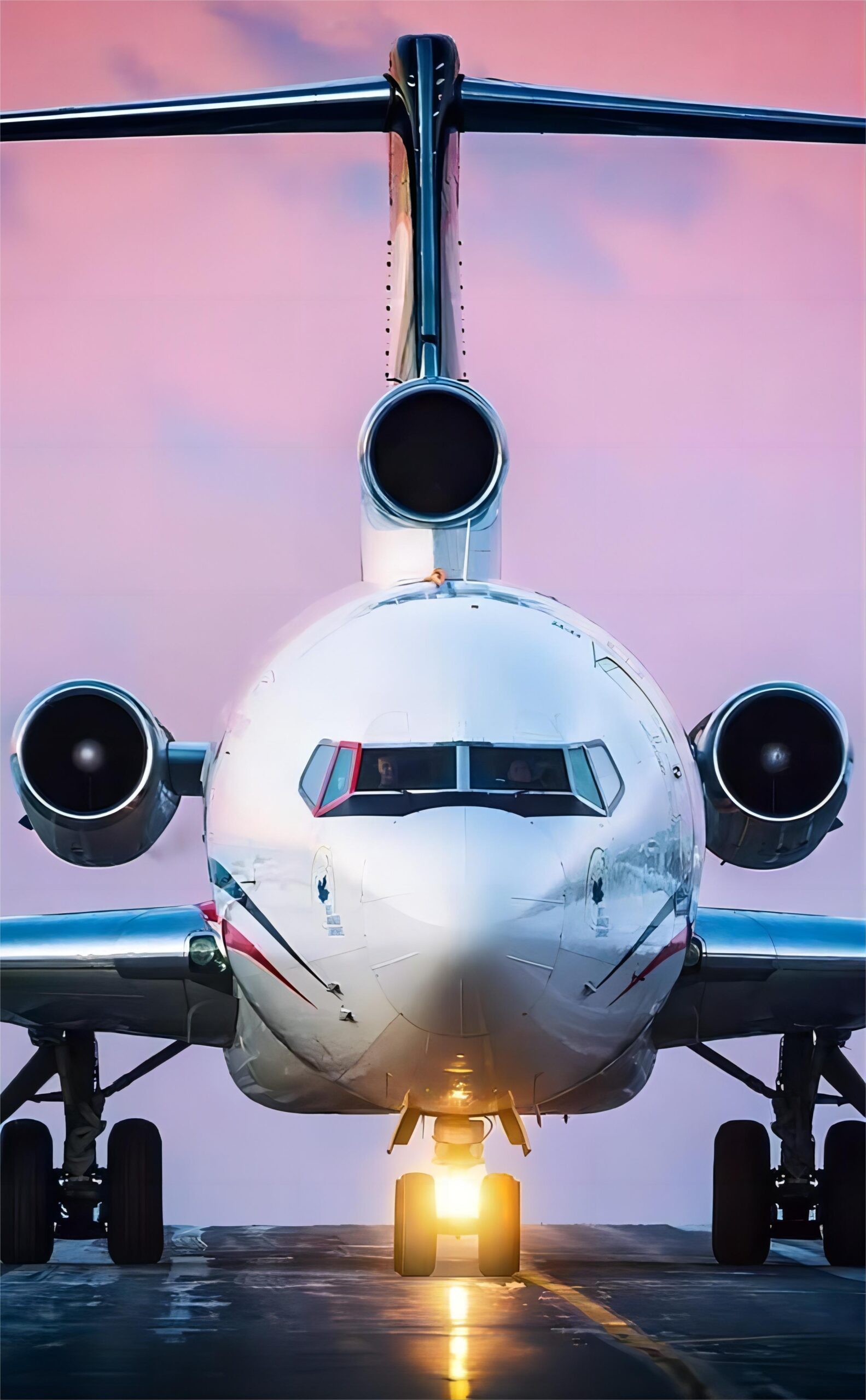
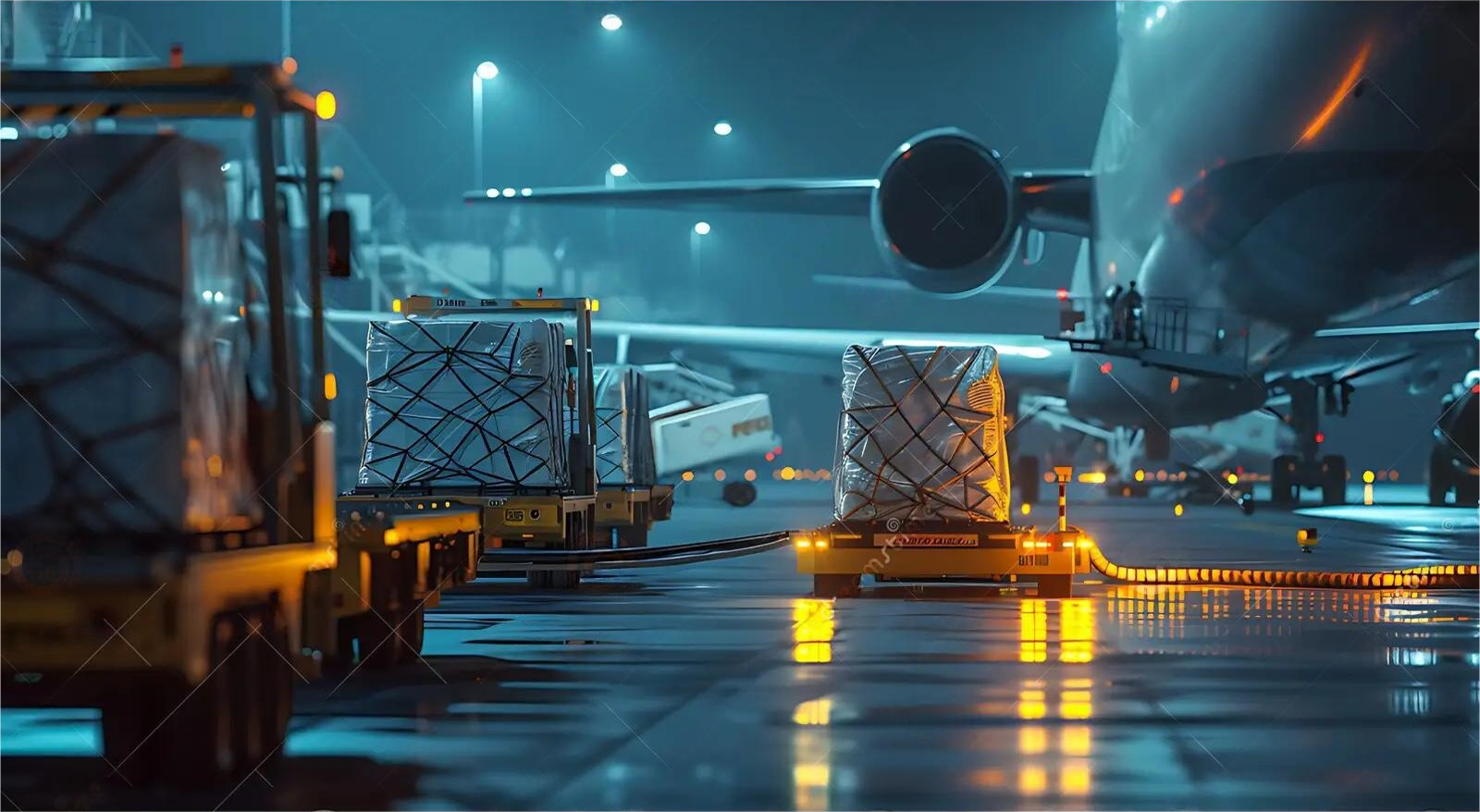
Air freight remains the preferred choice for high-value electronics due to its speed and enhanced security measures. Consequently, businesses can maintain lower inventory levels and respond quickly to market shifts in the fast-paced technology sector.

Alternatively, express service offers a convenient door-to-door solution for smaller shipments and samples. This method simplifies the process by handling both transportation and customs clearance under a single tracking number.
Sea freight offers the most economical solution for bulkier items like television sets or large kitchen appliances. Meanwhile, rail freight is becoming a popular middle-ground option for shipments heading to Europe, offering faster transit than sea but at a lower cost than air.
| Shipping Method | Average Cost | Transit Time | Best For |
|---|---|---|---|
| Express Courier | $6.00 – $12.00 / kg | 3 – 5 Days | Samples and Small Gadgets |
| Air Freight | $4.00 – $8.00 / kg | 5 – 8 Days | High-Value Tech Products |
| Sea Freight (LCL) | $80 – $150 / CBM | 25 – 40 Days | Bulk Low-Value Electronics |
| Rail Freight | $120 – $200 / CBM | 18 – 22 Days | European Tech Distribution |
How Does Electronics Shipping from China Compare to Other Shipping Options?
Comparing different logistics strategies is essential for maintaining a competitive edge in the global electronics market. While air freight is significantly faster, the cost difference can be substantial for large-scale shipments.
For instance, shipping a full container of computer monitors via sea might cost $3,500, whereas the same volume by air could exceed $25,000. Therefore, importers must balance the need for speed against the necessity of maintaining healthy profit margins.
Hybrid solutions like sea-air combinations have also emerged as viable alternatives for many businesses. These strategies involve shipping goods by sea to a major hub like Dubai or Singapore and then flying them to the final destination to save both time and money.
Direct shipping routes typically cost 10% to 15% more than transshipment options but provide a more predictable delivery schedule. Nevertheless, for non-urgent inventory, transshipment can offer significant savings that improve the overall bottom line.
| Strategy | Cost Level | Speed Level | Risk Profile |
|---|---|---|---|
| Direct Air | Very High | Fastest | Lowest Risk |
| Direct Sea | Low | Slow | Moderate Risk |
| Transshipment | Very Low | Very Slow | Higher Risk |
| Sea-Air Hybrid | Moderate | Medium | Balanced Risk |
Key Regulations for Electronics Shipping from China
Navigating the regulatory landscape is perhaps the most challenging aspect of importing technology from Asian manufacturing hubs. Successful importers must ensure that all products meet the safety and environmental standards of the destination country.
Furthermore, utilizing a professional customs brokerage service can prevent costly delays and potential cargo seizures at the border. These experts ensure that your HS codes are accurate and that all necessary import duties are calculated correctly.
Documentation requirements for electronics often include the Commercial Invoice, Packing List, and a Bill of Lading or Air Waybill. Additionally, technical products frequently require specific certifications like CE for Europe or FCC for the United States to prove compliance.
Importers should also be aware of Intellectual Property rights to avoid issues with counterfeit goods. Consequently, maintaining clear records of authorized manufacturing and brand licensing is essential for a smooth customs clearance process.
| Document Name | Purpose | Necessity | Issuer |
|---|---|---|---|
| HS Code | Product Classification | Mandatory | Exporter/Broker |
| MSDS | Battery Safety Data | For Batteries | Manufacturer |
| Certificate of Origin | Trade Agreement Verification | Recommended | Chamber of Commerce |
| UN38.3 Test Report | Lithium Battery Safety | Mandatory | Testing Lab |
Specialized Handling for Lithium Batteries and Sensitive Parts
Shipping electronics often involves handling lithium batteries, which are classified as dangerous goods under international maritime and aviation laws. Indeed, strict adherence to UN38.3 testing standards is mandatory for all battery-powered devices.
Packaging plays a vital role in ensuring that sensitive components survive the rigors of international transport. Specifically, using anti-static materials and reinforced outer boxes can prevent physical damage and electrical interference during transit.
Importers must also decide between door to door delivery or port-to-port options when dealing with sensitive cargo. Door-to-door services often provide more consistent handling and fewer touchpoints, reducing the risk of accidental damage.
Moreover, specialized labels such as Lithium Battery handling marks must be clearly visible on the exterior of all shipping cartons. Failure to comply with these labeling requirements can result in significant fines and the immediate grounding of your shipment by the carrier.
Transit Times and Global Delivery Schedules
Understanding the expected timeline for electronics shipping from china is crucial for effective inventory management and customer satisfaction. Transit times vary significantly depending on the destination and the chosen freight mode.
For shipments destined for North America, air freight typically takes between 5 and 7 days. In contrast, sea freight to the West Coast of the United States usually requires 14 to 20 days, while the East Coast takes 30 to 35 days.
European destinations generally experience longer sea transit times of 30 to 45 days due to the distance involved. However, the China-Europe Railway Express has reduced this timeline to approximately 18 to 22 days for many major inland hubs.
Ocean freight rates and schedules are also influenced by seasonal demand, particularly during the pre-Lunar New Year rush. Therefore, booking your shipments at least 3 to 4 weeks in advance during peak periods is a strategic necessity for tech businesses.
| Destination | Air Transit | Sea Transit | Rail Transit |
|---|---|---|---|
| Los Angeles, USA | 4 – 6 Days | 14 – 18 Days | N/A |
| New York, USA | 5 – 8 Days | 30 – 35 Days | N/A |
| Hamburg, Germany | 6 – 9 Days | 32 – 40 Days | 18 – 22 Days |
| Sydney, Australia | 3 – 5 Days | 12 – 18 Days | N/A |
Managing Costs for Electronics Shipping from China
Freight rates in 2025 have stabilized compared to the volatility of previous years, yet they still represent a significant portion of the total landed cost. Many importers utilize air freight for high-margin gadgets while reserving sea freight for accessories.
To reduce costs, consider consolidating multiple small orders into a single Large Container Load (LCL) or Full Container Load (FCL). This approach minimizes the per-unit shipping expense and simplifies the administrative burden of managing multiple small shipments.
Negotiating long-term contracts with freight forwarders can also provide more predictable pricing throughout the year. Additionally, optimizing your product packaging to reduce volumetric weight can lead to substantial savings on air freight bills.
Note: Freight rates are subject to change based on fuel costs, carrier capacity, and seasonal demand. Contact us for a current quote tailored to your specific shipment. Market data suggests that rates typically increase by 20% during the August to October peak season.
Which Option Should You Choose for Your Supply Chain?
Choosing the best shipping method depends entirely on your specific business priorities and the nature of your electronic products. If your primary goal is speed to market for a new product launch, air freight is the undisputed winner.
On the other hand, if you are focused on maximizing profit margins for established, low-cost accessories, sea freight is the most logical choice. Volume thresholds also play a role; shipments over 15 CBM are almost always more economical as a full container.
Cargo type considerations are equally important, as high-value items require the enhanced security and climate control often found in air transport. Meanwhile, durable consumer electronics can safely withstand the longer transit times and humidity changes associated with ocean voyages.
Strategic importers often maintain a diversified logistics portfolio, using air for urgent restocks and sea for their baseline inventory. This balanced approach ensures that they can meet customer demand without overspending on transportation costs.
Case Studies in Electronics Logistics
Case Study 1: Smartphone Distribution to Los Angeles. Route: Shenzhen to Los Angeles. Cargo: 5,000 Smartphones, 12 CBM, 2,500 kg. Method: Air Freight via major carrier. Total Landed Cost: $18,500. Sea Transit: N/A. Total Door-to-Door: 6 days. Key Insight: Choosing air freight allowed the client to meet a strict product launch deadline despite manufacturing delays.
Case Study 2: Computer Monitor Import to Rotterdam. Route: Ningbo to Rotterdam. Cargo: 800 Monitors, 28 CBM. Container: 20GP. Ocean Freight: $2,100. Customs and Duties: $1,200. Total Landed Cost: $4,800. Sea Transit: 34 days. Total Door-to-Door: 42 days. Key Insight: Utilizing a full container reduced the per-unit shipping cost to less than $6.00.
Case Study 3: Industrial Sensors to Sydney. Route: Shanghai to Sydney. Cargo: 2 CBM, 400 kg. Method: Express Service. Total Cost: $2,800. Transit Time: 4 days. Key Insight: Express shipping was chosen for its superior tracking capabilities and ease of customs clearance for high-precision instruments.
Final Thoughts on Shipping Electronics Globally
Successfully managing electronics shipping from china requires a proactive approach to planning, regulation compliance, and carrier selection. By understanding the trade-offs between speed and cost, importers can build a resilient supply chain that supports long-term growth.
Indeed, the technology sector moves at a rapid pace, making logistics a critical component of any business strategy. We recommend staying informed about market trends and working with reliable partners to ensure your high-value cargo arrives safely and on time.
Ready to streamline your logistics?
Are you ready to optimize your electronics shipping from china for better efficiency and lower costs? Contact Top China Freight today to receive a personalized quote and expert guidance on your next technology shipment. Our team is standing by to help you navigate customs and secure the best freight rates for your business. Visit our website to send an inquiry and start your shipping journey now.
Request Quote