
Express Shipping China to Germany: Your Ultimate Guide
For businesses navigating global supply chains, the need for rapid delivery is paramount. When time is critical, understanding the nuances of express shipping from China to Germany becomes essential. This comprehensive guide will illuminate the fastest, most efficient methods to move your goods across continents, ensuring your urgent cargo arrives on schedule.

What Defines Express Shipping from China to Germany?
Express shipping, also known as expedited freight or urgent cargo, prioritizes speed above all else. This service is designed for time-sensitive shipments where standard transit times are simply too long. Consequently, it typically involves air freight, leveraging dedicated cargo planes and streamlined logistics.
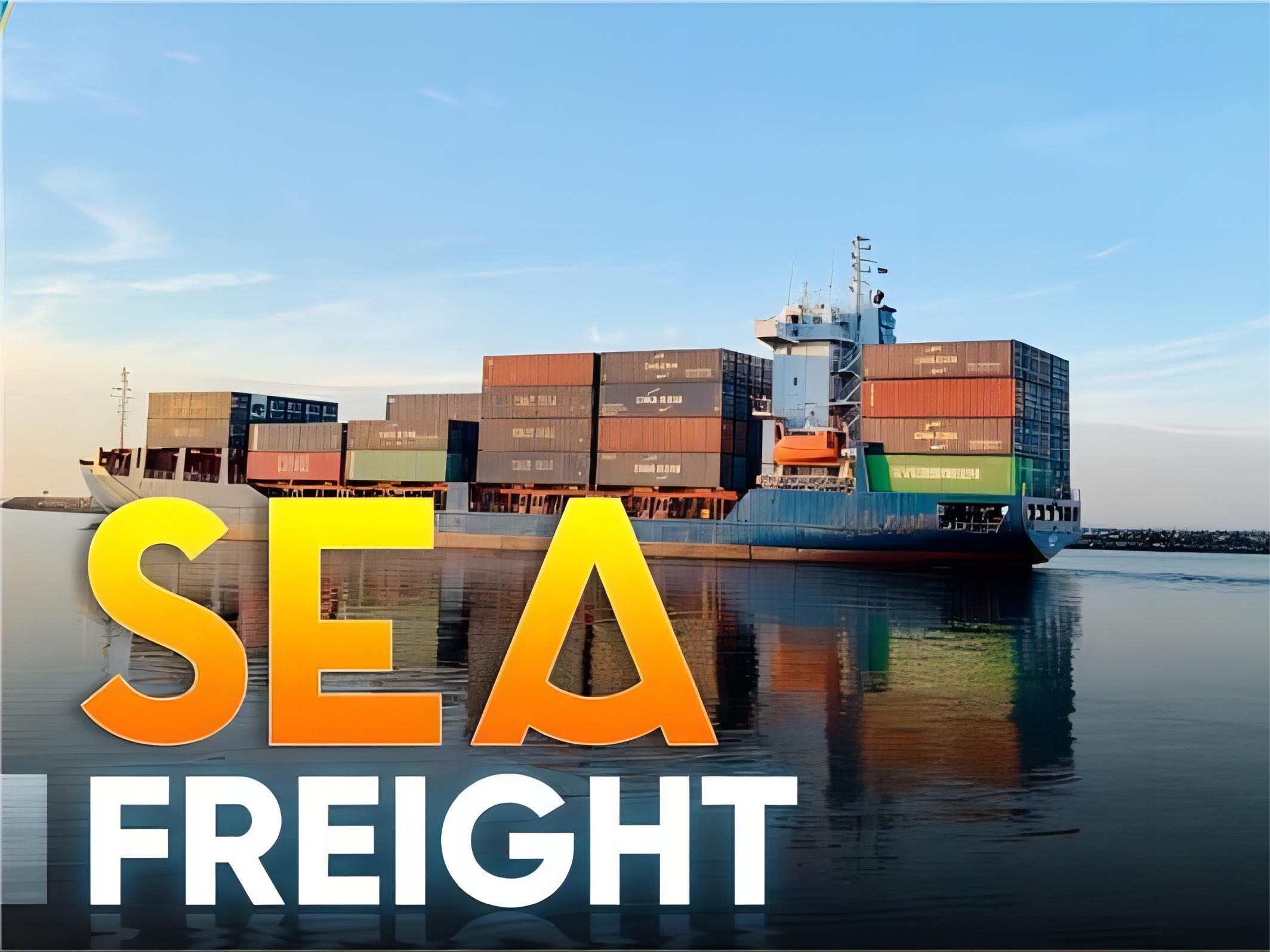
Crucially, express services offer significantly shorter delivery schedules compared to standard air or sea freight options. Businesses often choose this method for high-value goods, perishable items, or critical components needed for production lines. Furthermore, it’s ideal for e-commerce where customer expectations for rapid delivery are high.
Moreover, providers of express service from China to Germany often include enhanced tracking, door-to-door delivery, and expedited customs clearance. This comprehensive approach minimizes delays and provides greater visibility throughout the shipping process.
| Shipping Method | Transit Time (Avg.) | Cost (Relative) | Key Benefit |
|---|---|---|---|
| Express Air Freight | 3-7 Days | High | Speed and Reliability |
| Standard Air Freight | 7-14 Days | Medium-High | Balance of Speed/Cost |
| Rail Freight | 18-25 Days | Medium | Eco-friendly, Cost-effective for larger volumes |
| Sea Freight (FCL/LCL) | 28-45 Days | Low | Cost-effective for large volumes |
How Does Express Shipping China to Germany Work?
The process of sending goods via express from China to Germany involves several coordinated steps. Initially, goods are collected from the supplier’s location in China. They are then transported to a consolidation warehouse or directly to an airport.
Subsequently, the cargo undergoes security checks and is prepared for air transport. Upon arrival at a German airport, such as Frankfurt or Leipzig, the shipment proceeds through customs. Finally, it moves to the destination for last-mile delivery. This entire process is optimized for speed and efficiency.
Therefore, choosing a reputable freight forwarder is crucial for seamless operations. A good forwarder handles all documentation, coordinates transportation, and manages potential issues. They ensure your urgent cargo China Germany reaches its destination without unnecessary delays.
Key Steps for Fast Delivery China to Germany
Firstly, origin logistics involve picking up goods and preparing them for export. This includes proper packaging and labeling to meet international standards. Efficient cargo handling at this stage prevents later complications.
Secondly, air transport is the core component, moving goods rapidly between continents. Major airlines and dedicated cargo carriers operate frequent routes. This ensures consistent capacity for fast shipping from China to Germany.
Lastly, destination logistics cover import customs clearance, warehousing, and final delivery. Many express services offer door-to-door delivery, simplifying the process for the consignee. This comprehensive approach saves time and effort.
Navigating Customs and Documentation for Express Shipments
Proper customs clearance is a bottleneck for many international shipments, especially express cargo. Incomplete or incorrect documentation can lead to significant delays and additional costs. Therefore, meticulous preparation is non-negotiable.
Generally, key documents include the commercial invoice, packing list, air waybill (AWB), and certificate of origin. Depending on the goods, specific licenses or permits may also be required. Furthermore, Germany’s strict import regulations demand careful attention.
Consequently, partnering with a freight forwarder offering robust customs brokerage services is highly recommended. They can pre-clear shipments, advise on duties and taxes, and ensure compliance with both Chinese export and German import regulations. This minimizes the risk of hold-ups.
Essential Documents Checklist
A commercial invoice details the goods, their value, and terms of sale. The packing list provides a detailed inventory of items within each package. The air waybill acts as a contract between the shipper and carrier.
Additionally, a certificate of origin confirms where the goods were manufactured. For certain products, an import license or specific health/safety certificates are mandatory. Being prepared avoids complications during customs inspection.
| Document | Purpose | Requirement |
|---|---|---|
| Commercial Invoice | Details goods and value | Mandatory |
| Packing List | Itemized package contents | Mandatory |
| Air Waybill (AWB) | Contract of carriage | Mandatory |
| Certificate of Origin | Confirms manufacturing country | Often required |
| Import License/Permits | Specific goods/regulations | Conditional |
Cost of Express Shipping China to Germany: What to Expect
Understanding the cost of express shipping from China to Germany involves several factors. Freight rates are primarily determined by weight (actual or volumetric, whichever is greater) and dimensions of the cargo. Fuel surcharges, security fees, and destination charges also contribute significantly.
Moreover, additional services like insurance, customs duties, and last-mile delivery add to the total landed cost. Market data suggests express rates can vary widely based on carrier, service level, and current market conditions. Therefore, obtaining a detailed quote is always advisable.
Typically, express air freight is the most expensive option per kilogram but offers the fastest transit time. For instance, a small package express China Germany might cost hundreds of dollars, while larger, multi-pallet shipments can run into thousands. This cost reflects the speed and reliability offered.
Note: Freight rates are subject to change based on fuel costs, carrier capacity, and seasonal demand. Contact us for a current quote tailored to your specific shipment.
Factors Influencing Freight Rates
The chargeable weight, which is either the gross weight or the volumetric weight, significantly impacts pricing. Volumetric weight accounts for the space a package occupies on an aircraft, calculated as (Length x Width x Height in cm) / 5000 or 6000. This ensures efficient use of cargo space.
Furthermore, fuel surcharges fluctuate with global oil prices, directly affecting overall shipping costs. Peak seasons, such as before major holidays or during Q4, can also drive up demand and prices. Planning ahead can help mitigate some of these increases.
How Does Express Shipping Compare to Other Shipping Options?
While speed is the hallmark of express shipping, it is crucial to compare it with other viable alternatives for cargo handling. Different shipping solutions China to Germany cater to varying needs regarding budget, urgency, and cargo type. Evaluating these options helps in making informed decisions for your supply chain.
Indeed, understanding the trade-offs between speed and cost is fundamental. For example, while express air freight delivers in days, sea freight can take weeks but at a fraction of the cost. Your optimal choice depends heavily on your specific requirements and logistics trends.
| Shipping Method | Cost Range (Relative) | Transit Time (Days) | Best For | Limitations |
|---|---|---|---|---|
| Express Air | Very High | 3-7 | Urgent, High-Value, Small Parcels | Highest cost, volume restrictions |
| Standard Air | High | 7-14 | Time-sensitive, Medium-High Value | Still costly, larger items may be expensive |
| Rail Freight | Medium | 18-25 | Bulk, Heavy, Non-urgent, Eco-conscious | Slower than air, fixed routes |
| Sea Freight | Low | 28-45 | Large Volume, Low Value, Non-urgent | Slowest, port-to-port logistics |
Express Air Freight vs. Standard Air Freight
Express air freight typically offers transit times of 3-7 days, whereas standard air freight usually takes 7-14 days. The express option often includes premium services like priority loading, dedicated handling, and faster customs clearance. Consequently, express costs are notably higher.
Standard air freight offers a good balance for shipments that are time-sensitive but not critically urgent. It’s a popular choice for many e-commerce and general cargo shipments. However, for time-critical shipments China Germany, express remains superior.
Express Air Freight vs. Rail Freight
Rail freight from China to Germany has emerged as a strong alternative, offering transit times of 18-25 days. It is significantly faster than sea freight and more cost-effective than air freight for larger volumes. However, it cannot match the speed of express air services.
Moreover, rail is often preferred for heavy or bulky goods that are not extremely urgent but still require quicker delivery than ocean transport. It also presents a more environmentally friendly option. Nevertheless, for urgent cargo, express shipping remains the go-to choice.
Express Air Freight vs. Sea Freight
Sea freight, including both Full Container Load (FCL) and Less than Container Load (LCL), is the most economical option for shipping large volumes. Transit times range from 28 to 45 days, making it unsuitable for urgent deliveries. However, for bulk cargo, its cost-effectiveness is unmatched.
For instance, consider sea freight for shipments under 15 CBM, LCL at $50-80/CBM may be more economical than a full container for less urgent goods. Conversely, express air is for speed, not maximum volume efficiency. This stark contrast highlights the different roles each method plays in the global supply chain.
Which Option Should You Choose for Shipping from China to Germany?
Selecting the right shipping method depends on a careful analysis of your priorities. Balancing budget, speed, and cargo characteristics is essential for effective import/export operations. Consider the following criteria to make an informed decision.
Market data suggests that different scenarios warrant different approaches. For instance, a critical spare part needed to prevent production downtime demands express shipping, regardless of cost. However, a large inventory restock can often wait for sea freight.
Budget Priority
If cost is your primary concern, sea freight is unequivocally the most economical choice. For shipments between China and Germany, this applies especially to large volumes. Rail freight offers a mid-range cost solution, significantly cheaper than air but faster than sea.
Conversely, express air freight will always be the most expensive. Therefore, if your budget is tight and urgency is not paramount, explore sea or rail options. This approach helps manage overall shipping costs effectively.
Speed Priority
For maximum speed, express shipping China to Germany is the clear winner. When you require delivery in less than a week, only dedicated air express services can reliably meet this demand. This is crucial for urgent product launches or immediate stock replenishment.
Standard air freight provides the next fastest option, suitable for moderately urgent shipments. Any delay in the supply chain can have significant financial implications. Consequently, investing in speed often pays off for time-critical goods.
Cargo Type and Volume Considerations
Small, high-value, or perishable items are best suited for express air freight due to their need for rapid and secure transit. Documents, samples, and e-commerce parcels also fall into this category. The cost per unit might be higher, but the integrity and speed of delivery justify it.
Conversely, bulky, heavy, or low-value goods are typically more economical to ship via sea or rail. For example, machinery, raw materials, or large quantities of consumer goods benefit from the lower per-unit cost of these methods. Volume thresholds for switching methods are critical for optimizing freight rates.

Real-World Case Studies: Express Shipping China to Germany
These examples illustrate how different businesses leverage express shipping for their specific needs, managing transit time and cost effectively. Each scenario highlights the practical application of various logistics strategies. These case studies are based on Q3 2024 market rates and typical operational timelines.
Case Study 1: Urgent Electronics Components
A German electronics manufacturer needed a critical batch of microchips to prevent a production line shutdown. Their existing inventory was depleted due to an unexpected surge in demand. Speed was the absolute priority over cost.
The total landed cost for this urgent shipment was justified by avoiding substantial losses from production downtime. This demonstrates the value of reliable express courier China Germany for time-sensitive parts.
| Detail | Description |
|---|---|
| Route | Shenzhen, China Frankfurt, Germany |
| Cargo | Microchips, 0.5 CBM, 250 kg |
| Container | Air Cargo Pallet (LCL) |
| Shipping Details | Carrier/Service: FedEx International Priority, Port of Loading: Shenzhen (SZX), Port of Discharge: Frankfurt (FRA), Route Type: Direct |
| Cost Breakdown | Air Freight: $1,800, Origin Charges: $150, Destination Charges: $100, Customs & Duties (estimated): $200, Total Landed Cost: $2,250 |
| Timeline | Booking to Loading: 1 day, Air Transit: 2 days, Customs Clearance: 1 day, Total Door-to-Door: 4 days |
| Key Insight | Speed was paramount; higher cost was accepted to prevent production stoppage. Real-time tracking was crucial for monitoring delivery schedule. |
Case Study 2: E-commerce Fashion Collection Launch
A German online fashion retailer was launching a new collection and needed samples and initial stock delivered quickly to meet a marketing campaign deadline. They required fast delivery China to Germany for their new product line. While cost was a consideration, missing the launch window was not an option.
This case illustrates the importance of reliable delivery for competitive e-commerce shipping China Germany. The slightly higher cost of express was offset by the successful market entry and early sales.
| Detail | Description |
|---|---|
| Route | Shanghai, China Leipzig, Germany |
| Cargo | Garments & Accessories, 1.2 CBM, 300 kg |
| Container | Air Cargo Pallet (LCL) |
| Shipping Details | Carrier/Service: DHL Express, Port of Loading: Shanghai (PVG), Port of Discharge: Leipzig (LEJ), Route Type: Direct |
| Cost Breakdown | Air Freight: $2,500, Origin Charges: $200, Destination Charges: $150, Customs & Duties (estimated): $300, Total Landed Cost: $3,150 |
| Timeline | Booking to Loading: 2 days, Air Transit: 3 days, Customs Clearance: 1 day, Total Door-to-Door: 6 days |
| Key Insight | Balancing speed with a manageable cost for a critical product launch. Seamless customs process was key to on-time delivery. |
Case Study 3: Small Batch Medical Supplies
A German medical distributor required a small, specialized batch of medical disposables from China. These items were not critically urgent but needed to arrive within two weeks to replenish stock before a projected shortage. They sought a balance between delivery time China to Germany express options and cost.
The slightly longer transit time compared to pure express was acceptable given the cost savings and the nature of the goods. This approach optimized the logistics without compromising patient care. It’s an example of effective planning for import duties Germany from China express solutions.
| Detail | Description |
|---|---|
| Route | Guangzhou, China Munich, Germany |
| Cargo | Medical Disposables, 0.8 CBM, 180 kg |
| Container | Air Cargo Pallet (LCL) |
| Shipping Details | Carrier/Service: UPS Worldwide Expedited, Port of Loading: Guangzhou (CAN), Port of Discharge: Munich (MUC), Route Type: Transshipment via Cologne |
| Cost Breakdown | Air Freight: $1,500, Origin Charges: $120, Destination Charges: $90, Customs & Duties (estimated): $180, Total Landed Cost: $1,890 |
| Timeline | Booking to Loading: 2 days, Air Transit: 4 days, Customs Clearance: 1 day, Total Door-to-Door: 7 days |
| Key Insight | Choosing an expedited air service for a balance of speed and cost. Careful tracking of express shipments China Germany was maintained throughout. |
Final Thoughts on Express Shipping China to Germany
Ultimately, successful <span class=”keyword”>express shipping China to Germany</span> hinges on careful planning, understanding market dynamics, and selecting the right logistics partner. While speed comes at a premium, the benefits of timely delivery often outweigh the increased cost, especially for critical or high-value goods. Moreover, a comprehensive understanding of customs procedures and freight rates empowers businesses to make optimal decisions.
By leveraging reliable express services, companies can maintain competitive advantages, meet tight deadlines, and ensure seamless supply chain operations. Therefore, partnering with experienced freight forwarders like Top China Freight is essential. They navigate the complexities of international logistics, ensuring your goods reach Germany efficiently and securely.
Get Your Shipping Quote Today
Ready to streamline your urgent shipments from China to Germany? Our team of experts is prepared to provide tailored express shipping solutions that meet your specific needs for speed and reliability. Contact Top China Freight today for a personalized quote and ensure your cargo arrives on time.
Request Quote