
Express Shipping China to Spain: Your Ultimate Guide
Businesses increasingly demand swift and reliable logistics solutions for their goods moving from China to Spain. Consequently, understanding the nuances of express shipping from China to Spain is crucial for maintaining competitive supply chains. This comprehensive guide will illuminate the fastest methods, associated costs, and essential considerations for your urgent shipments.
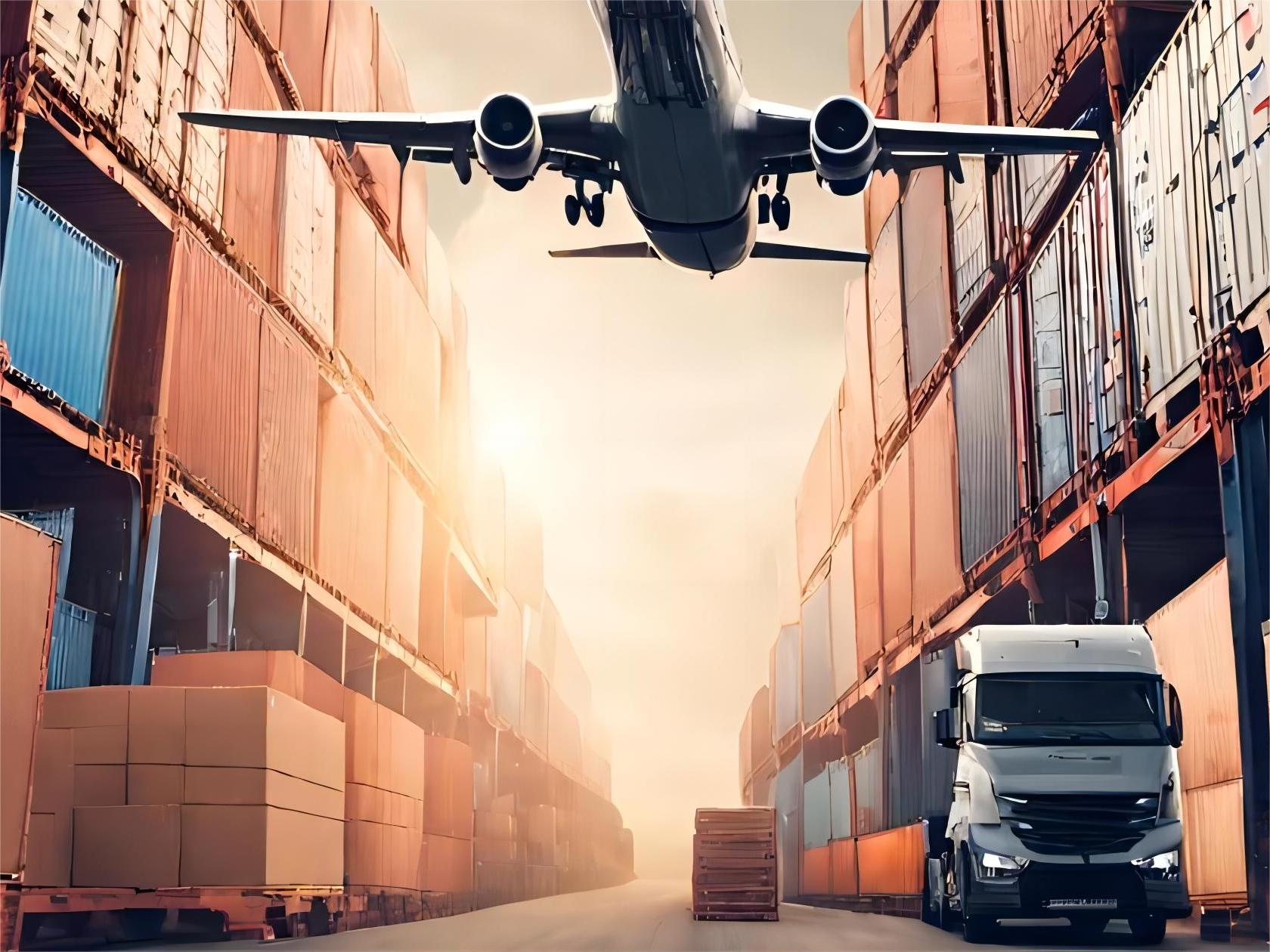
Why Choose Express Shipping from China to Spain?
Time-sensitive goods often necessitate express shipping, ensuring rapid delivery to meet market demands. For example, fashion items, electronics, or crucial spare parts require expedited transport to Spain. This method minimizes inventory holding costs and responds quickly to consumer trends.
Furthermore, express services offer enhanced tracking and security, providing peace of mind for valuable cargo. Businesses benefit from reduced lead times, which in turn improves customer satisfaction and market responsiveness. Consequently, selecting the right express solution can significantly impact business success.
Understanding Express Shipping Options: Air Freight Dominates
Primarily, air freight stands as the fastest option for express shipping from China to Spain. It offers unparalleled speed, making it ideal for urgent or high-value consignments. However, this speed comes with a higher price point compared to other modes.
Courier services, moreover, represent another facet of express shipping, particularly for smaller parcels and documents. Companies like DHL, FedEx, and UPS provide robust networks for door-to-door delivery. Nevertheless, their per-kilogram rates can escalate for heavier or bulkier items.
| Shipping Method | Cost Range (per kg) | Transit Time | Best For |
|---|---|---|---|
| Air Freight | $6-12 | 3-7 days | Larger, time-sensitive cargo |
| Courier Service | $8-15 | 2-5 days | Small parcels, documents, e-commerce |
Key Factors Affecting Express Shipping Costs and Transit Times
Several variables influence the total cost of express shipping from China to Spain. Firstly, the volume and weight of your cargo significantly determine freight charges. Fuel surcharges, moreover, can fluctuate, impacting overall pricing.
Additionally, peak seasons, such as Chinese New Year or the Q4 holiday rush, often lead to increased rates and potential delays. Origin and destination specifics, including remote delivery addresses, can also add to the final cost. Consequently, planning ahead is always advisable.
Navigating Customs and Documentation for China to Spain
Proper customs clearance is paramount for seamless express shipping from China to Spain. Spanish customs regulations require precise documentation, including commercial invoices, packing lists, and certificates of origin. Errors can lead to significant delays and additional charges.
Furthermore, understanding import duties and VAT is essential for accurate cost estimation. Spain, as an EU member, adheres to EU import policies. Therefore, working with an experienced customs brokerage service can prevent costly mistakes and expedite the clearance process.
Streamlining Your Supply Chain with Door-to-Door Express Service
Opting for a door-to-door service simplifies the entire express shipping process. This comprehensive solution handles everything from pickup at the supplier’s factory in China to final delivery at your Spanish warehouse. It effectively removes logistical complexities from your plate.
Moreover, door-to-door services often include customs clearance, local transportation, and warehousing if needed. This integrated approach minimizes coordination efforts and reduces the risk of unforeseen delays. Consequently, it provides a hassle-free experience for businesses seeking efficient and reliable express delivery.
How Does Express Shipping Compare to Other Options?
While speed is paramount for express shipments, other methods offer different trade-offs in cost and time. For instance, air freight is undeniably faster than sea freight but considerably more expensive. Thus, selecting the right method depends on your specific priorities.
Moreover, understanding the alternatives helps in making informed decisions for varied cargo types and urgency levels. Comparing the various modes reveals significant differences in transit times and overall freight rates. Therefore, a strategic approach considers all available options.
| Shipping Method | Cost Range (Approx.) | Transit Time | Best For | Limitations |
|---|---|---|---|---|
| Express Air | $600-1200 (100kg) | 3-7 days | Urgent, high-value, smaller cargo | High cost, volume restrictions |
| Standard Air | $400-800 (100kg) | 7-14 days | Less urgent air cargo, mid-range value | Still costly, not as fast as express |
| Sea Freight (FCL) | $3000-4500 (40HQ) | 30-40 days | Large volume, heavy, non-urgent cargo | Slow transit, often port-to-port |
Sea Freight as an Alternative
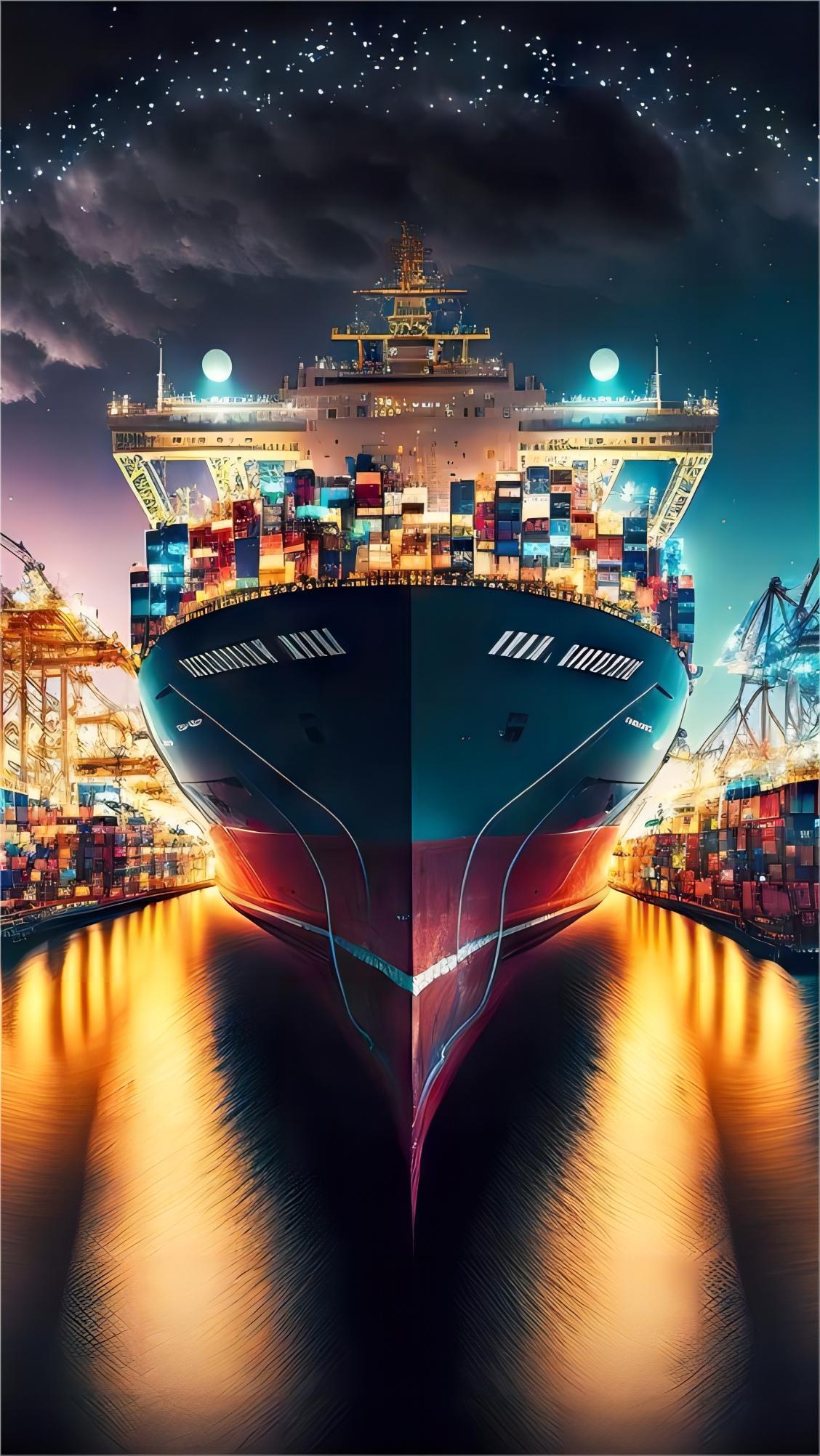
For less urgent and larger shipments, sea freight presents a significantly more cost-effective solution. Although transit times are much longer, ranging from 30 to 40 days, the per-unit cost is substantially lower. This makes it ideal for bulk goods or non-perishable items.
Furthermore, sea freight accommodates virtually any cargo size, from LCL (Less than Container Load) to FCL (Full Container Load). Businesses often utilize sea freight for regular inventory replenishment where speed is not the primary concern. Consequently, it supports stable, high-volume supply chains.
Rail Freight Considerations
Rail freight from China to Europe has gained popularity, offering a middle ground between sea and air in terms of speed and cost. However, direct rail connections to Spain are less common or require transshipment, adding complexity. Its primary benefit lies in overland routes to central Europe.
While rail might be an option for some European destinations, for direct express shipping from China to Spain, air freight remains the dominant choice. The infrastructure and direct routes for high-speed rail to Spain for cargo are not as developed as for other regions. Therefore, it is generally not considered an express option for this specific route.
Hybrid Solutions for Flexibility
Sometimes, a hybrid approach, such as sea-air or rail-air, can optimize both cost and speed. For instance, goods might travel by sea to a European port, then transfer to air freight for the final leg to Spain. This strategy balances different logistics needs.
These combined methods offer flexibility, allowing businesses to adapt to varying supply chain demands and budget constraints. They are particularly useful when facing tight deadlines but also needing to manage overall shipping costs effectively. Therefore, exploring these multi-modal options can provide strategic advantages.
Real-World Express Shipping Scenarios: China to Spain
Understanding how express shipping works in practice is crucial for effective logistics planning. These case studies illustrate common scenarios and outcomes for urgent cargo from China to Spain. They highlight the various considerations for different types of shipments.
Case Study 1: High-Value Electronics for Retail Launch
A Spanish electronics retailer needed 500 units of a new smartphone model from Shenzhen, China, for a critical product launch in Madrid. Speed was paramount to capture market share quickly. The success of the launch depended heavily on timely delivery.
| Detail | Value |
|---|---|
| Route | Shenzhen, China -> Madrid, Spain |
| Cargo | 500 units smartphones, 1.5 CBM, 250 kg |
| Container | Air Cargo (LCL) |
| Shipping Details | Carrier: Major air carrier (e.g., Cathay Pacific, Lufthansa Cargo); Port of Loading: Shenzhen Bao’an International Airport (SZX); Port of Discharge: Madrid-Barajas Airport (MAD); Route Type: Direct Air Freight |
| Cost Breakdown | Air Freight: $2,500 (based on 100kg chargeable weight, Q1 2025 rates); Origin Charges: $150; Destination Charges: $200; Customs & Duties (estimated): $500; Total Landed Cost: $3,350 |
| Timeline | Booking to Loading: 2 days; Air Transit: 3 days; Customs Clearance: 1 day; Total Door-to-Door: 6 days |
| Key Insight | Expedited customs pre-clearance and direct flight ensured on-time launch, crucial for market entry. |
Case Study 2: Urgent Automotive Parts for Production Line
An automotive manufacturer in Barcelona required a critical batch of components from Shanghai, China, to prevent production line stoppage. The parts were medium-sized and extremely time-sensitive. Avoiding downtime was the top priority for this shipment.
| Detail | Value |
|---|---|
| Route | Shanghai, China -> Barcelona, Spain |
| Cargo | Automotive components, 3 CBM, 450 kg |
| Container | Air Cargo (LCL) |
| Shipping Details | Carrier: Major air carrier (e.g., Emirates SkyCargo, China Cargo Airlines); Port of Loading: Shanghai Pudong International Airport (PVG); Port of Discharge: Barcelona-El Prat Airport (BCN); Route Type: Air Freight with 1 stopover |
| Cost Breakdown | Air Freight: $4,000 (based on 450kg actual weight, Q1 2025 rates); Origin Charges: $200; Destination Charges: $250; Customs & Duties (estimated): $800; Total Landed Cost: $5,250 |
| Timeline | Booking to Loading: 3 days; Air Transit: 4 days; Customs Clearance: 2 days; Total Door-to-Door: 9 days |
| Key Insight | Proactive communication with carrier and customs broker minimized potential delays, ensuring production continuity. |
Case Study 3: E-commerce Fashion Samples for Market Testing
A small online fashion boutique in Valencia needed new collection samples from Guangzhou, China, for photography and market testing. The shipment was small but required fast delivery to meet tight marketing deadlines. Quick turnaround was essential for product launch.
| Detail | Value |
|---|---|
| Route | Guangzhou, China -> Valencia, Spain |
| Cargo | Fashion samples, 0.5 CBM, 80 kg |
| Container | Express Courier (Small Parcel) |
| Shipping Details | Carrier: International courier (e.g., DHL Express, FedEx); Port of Loading: Guangzhou; Port of Discharge: Valencia; Route Type: Door-to-door express service |
| Cost Breakdown | Courier Freight: $750 (Q1 2025 rates); Origin Charges: Included; Destination Charges: Included; Customs & Duties (estimated): $150; Total Landed Cost: $900 |
| Timeline | Booking to Pickup: 1 day; Transit: 3 days; Customs Clearance: 1 day; Total Door-to-Door: 5 days |
| Key Insight | Integrated courier network handled all logistics efficiently, ideal for small, urgent e-commerce packages and market testing. |
Choosing the Right Express Shipping Partner
Selecting a reliable freight forwarder is paramount for successful express shipments. Look for partners with extensive experience in the China-Europe corridor and a strong network. Their expertise ensures smooth operations and compliance.
Moreover, a good partner offers transparent pricing, excellent communication, and robust tracking capabilities. They should also provide comprehensive services, including customs support and door-to-door delivery. Top China Freight, for instance, specializes in these expedited solutions.
Optimizing Your Express Logistics Strategy
To optimize your express logistics, consolidate shipments whenever possible to leverage economies of scale. Additionally, consider utilizing bonded warehouses in Spain for faster distribution post-clearance. These strategies reduce overall costs and improve efficiency.
Furthermore, investing in advanced tracking systems provides real-time visibility into your cargo’s journey. Proactive communication with your supplier and forwarder can also mitigate potential delays. Ultimately, a well-planned strategy is key to successful express shipping.
Which Option Should You Choose for Your China-Spain Shipments?
The ideal shipping method depends entirely on your specific business needs and priorities. For instance, if speed is the absolute priority, express air freight or courier services are your best bet. Conversely, if cost savings are paramount for large volumes, sea freight is the clear winner.
Consider your cargo type as well; high-value, perishable, or time-sensitive goods demand express solutions. For example, electronics or fashion items benefit most from expedited delivery. Ultimately, a balanced assessment of speed, cost, and cargo characteristics guides the best choice.
Conclusion
In summary, navigating the complexities of express shipping from China to Spain requires careful consideration of various factors. From choosing the right method and managing costs to understanding customs regulations, each element plays a vital role. By partnering with an experienced freight forwarder, businesses can ensure efficient and reliable express shipping from China to Spain, thereby maintaining a competitive edge in the European market.
Need a tailored shipping solution?
Ready to streamline your express shipping from China to Spain? Let our experts at Top China Freight provide you with a tailored solution that meets your specific needs for speed and reliability. Contact us today for a free quote and discover how we can optimize your supply chain.