

Fast LCL Shipping from China to Canada: The Ultimate 2025 Logistics Guide
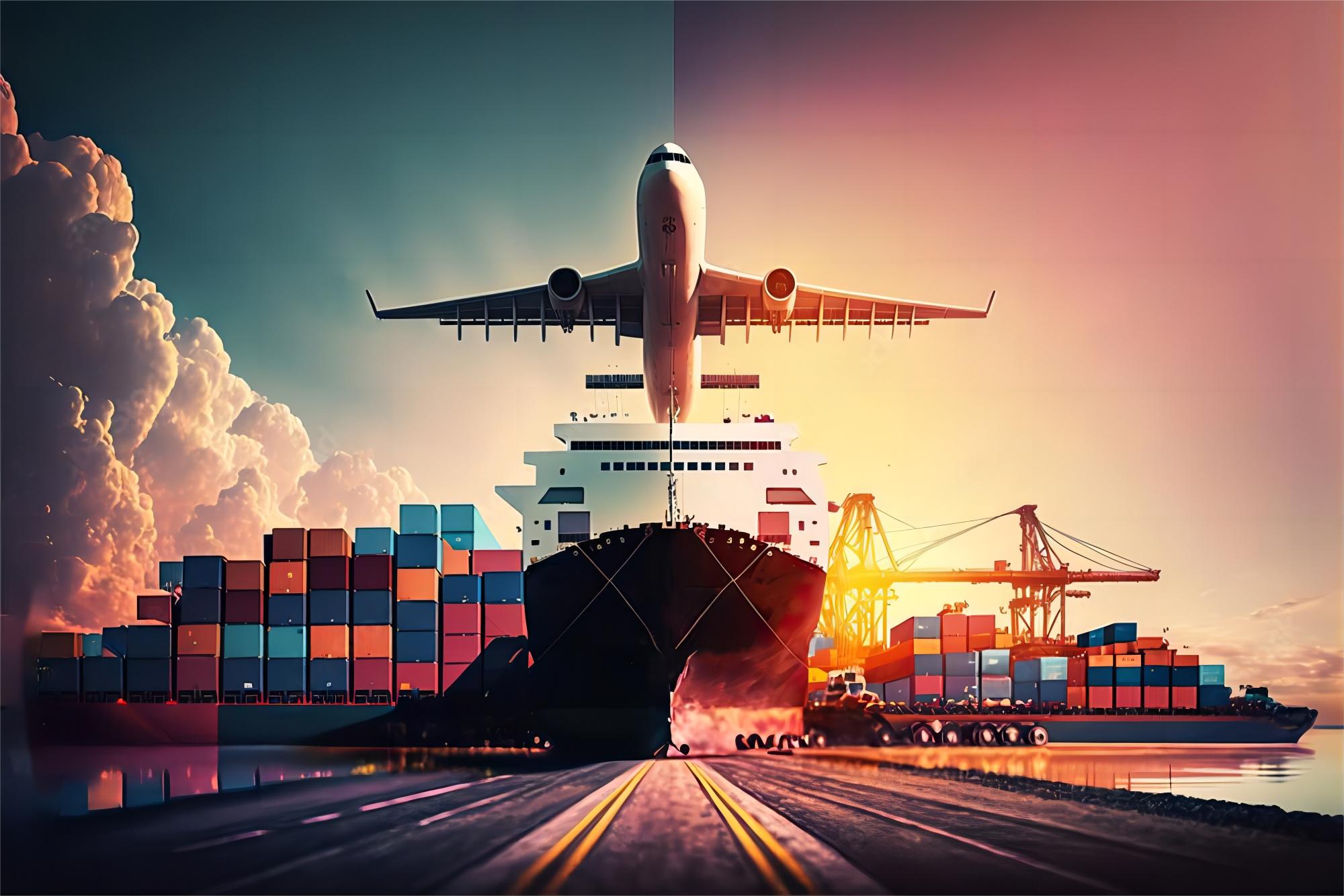
Fast LCL shipping from China to Canada is a vital solution for businesses that need to transport smaller volumes of goods without the high cost of a full container. By leveraging the expertise of Top China Freight, importers can significantly reduce their logistics overhead while maintaining a consistent supply chain. This comprehensive guide will explain how to optimize your shipping strategy to ensure your cargo arrives safely and on schedule.
Why Choose Fast LCL Shipping from China to Canada?
Less than Container Load (LCL) shipping allows multiple shippers to share space within a single ocean container. This method is particularly advantageous for small and medium-sized enterprises that do not have enough inventory to fill a 20ft or 40ft container. Consequently, you only pay for the volume you use, which is measured in cubic meters (CBM).
Moreover, fast LCL shipping from China to Canada offers a balance between the speed of air transport and the economy of sea freight. While traditional sea freight can be slow, expedited LCL services utilize faster vessels and priority unloading at Canadian ports. Therefore, businesses can achieve quicker turnaround times for their inventory without the massive expense of air freight services.
Additionally, this shipping method provides greater flexibility in inventory management. Instead of waiting to accumulate enough goods for a full container, you can ship smaller batches more frequently. This approach helps maintain a steady flow of products and reduces the need for extensive warehousing space in Canada.
How Does Fast LCL Shipping Compare to Other Shipping Options?
Understanding the differences between various logistics methods is crucial for making an informed decision. While sea freight is generally the most affordable option, the specific type of sea transport you choose impacts both cost and speed. LCL is ideal for shipments between 1 and 15 CBM, whereas FCL is better for larger volumes.
In contrast, air freight is the fastest method but can cost five to ten times more than sea-based options. For urgent shipments that must arrive within a week, air transport is unavoidable. However, for most commercial goods, the cost savings of fast LCL shipping from China to Canada far outweigh the extra few days of transit time.
Hybrid solutions like sea-air or rail-sea combinations are also gaining popularity in the logistics industry. These methods attempt to find a middle ground in both price and delivery speed. Nevertheless, for direct routes from major Chinese ports like Shanghai or Shenzhen to Vancouver or Toronto, LCL remains the standard for efficiency.
| Shipping Method | Cost Range (per CBM/kg) | Transit Time | Best For |
|---|---|---|---|
| Fast LCL Sea | $150 – $350 per CBM | 18 – 25 Days | Small-Medium Cargo |
| Standard FCL Sea | $2,500 – $4,500 per 20GP | 25 – 40 Days | High Volume Goods |
| Standard Air Freight | $5.00 – $9.00 per kg | 5 – 10 Days | Urgent/High Value |
| Express Service | $10.00 – $15.00 per kg | 3 – 5 Days | Samples/Documents |
Estimating Transit Times for Fast LCL Shipping from China to Canada
Transit times vary significantly depending on the port of origin in China and the final destination in Canada. Shipments to the West Coast, such as Vancouver or Prince Rupert, are much faster than those heading to the East Coast. Typically, a direct vessel from Shanghai to Vancouver takes about 15 to 18 days on the water.
Furthermore, you must account for the time required for consolidation at the origin and deconsolidation at the destination. In China, your goods are gathered at a warehouse and loaded into a container with other shipments. This process usually adds 3 to 5 days to the total timeline. Once the ship arrives in Canada, the container must be moved to a bonded warehouse for stripping, which adds another 2 to 4 days.
Consequently, the total door-to-door time for fast LCL shipping from China to Canada usually ranges from 25 to 35 days for West Coast deliveries. If your cargo is destined for Toronto or Montreal, it will likely travel by rail from Vancouver, adding another 5 to 7 days to the schedule.
| Origin Port (China) | Destination City (Canada) | Estimated Total Days |
|---|---|---|
| Shenzhen / Guangzhou | Vancouver | 22 – 26 Days |
| Shanghai / Ningbo | Vancouver | 20 – 24 Days |
| Qingdao / Tianjin | Toronto | 30 – 35 Days |
| Shenzhen | Montreal | 32 – 38 Days |
Understanding the Cost of Fast LCL Shipping
Freight rates for LCL shipments are calculated based on the volume of the cargo, but weight also plays a role. The industry standard uses a ‘weight or measure’ (W/M) rule, where 1,000 kg is considered equivalent to 1 CBM. Whichever value is higher will be used to determine the base freight rate.
In addition to the ocean freight charge, several other fees apply to LCL shipments. These include Terminal Handling Charges (THC), documentation fees, and warehouse handling fees at both the origin and destination. It is important to request an all-in quote to avoid hidden costs that can arise during the deconsolidation process in Canada.
Market data suggests that as of early 2025, rates have stabilized following previous global disruptions. However, seasonal peaks such as the period before the Lunar New Year or the Q4 holiday rush can cause prices to spike by 20% or more. Planning your shipments at least a month in advance can help you secure better rates and guaranteed space.
Which Option Should You Choose? A Decision Framework
Choosing the right shipping method requires a clear understanding of your business priorities. If your primary goal is to minimize costs and your cargo volume is between 1 and 12 CBM, fast LCL shipping from China to Canada is almost always the best choice. It provides the necessary economy of scale without the commitment of a full container.
On the other hand, if you are shipping more than 15 CBM, you should compare the LCL cost against the price of a 20ft Full Container Load (FCL). Sometimes, the security and exclusivity of an FCL container are worth the slight premium, even if the container is not completely full. For e-commerce sellers, using Amazon FBA shipping services can further streamline the process by delivering directly to fulfillment centers.
Specific cargo types also influence the decision. Fragile or high-value items might benefit from the reduced handling of FCL or the speed of air freight. However, for standard consumer goods, electronics, and apparel, LCL remains a highly reliable and cost-effective strategy. Always consider the total landed cost, including duties and taxes, when making your final selection.
Case Study 1: Electronics Shipment to Vancouver
Case Study 1: Efficient Electronics Logistics. Route: Shenzhen, China to Vancouver, Canada. Cargo: Computer peripherals, 4 CBM, 1200 kg. Container: LCL 4 CBM. Shipping Details: Major carrier, Port of Loading: Shenzhen, Port of Discharge: Vancouver, Route Type: Direct.
Cost Breakdown: Ocean Freight: $480, Origin Charges: $190, Destination Charges: $230, Customs: $160, Total Landed Cost: $1,060. Timeline: Booking to Loading: 3 days, Sea Transit: 16 days, Customs Clearance: 2 days, Total Door-to-Door: 21 days.
Key Insight: By choosing a direct vessel from Shenzhen, the importer avoided transshipment delays, ensuring the electronics reached the Vancouver warehouse in record time for a seasonal promotion.
Case Study 2: Apparel Distribution to Toronto
Case Study 2: Fast Fashion Supply Chain. Route: Ningbo, China to Toronto, Canada. Cargo: Cotton clothing, 9 CBM, 2200 kg. Container: LCL 9 CBM. Shipping Details: Major carrier, Port of Loading: Ningbo, Port of Discharge: Vancouver (Rail to Toronto), Route Type: Intermodal.
Cost Breakdown: Ocean Freight: $1,050, Origin Charges: $260, Destination Charges: $410, Customs: $220, Total Landed Cost: $1,940. Timeline: Booking to Loading: 4 days, Sea Transit: 18 days, Rail Transit: 6 days, Customs: 3 days, Total Door-to-Door: 31 days.
Key Insight: Utilizing the Canadian rail network from the West Coast proved to be 10 days faster than shipping via the Panama Canal to an East Coast port like Halifax.
Customs and Documentation for Canada Imports
Navigating the legal requirements for importing goods into Canada is a critical step in the logistics process. You must provide a Commercial Invoice, a Packing List, and a Bill of Lading for every shipment. Failure to provide accurate documentation can lead to significant delays and expensive storage fees at the port.
Furthermore, many businesses choose to work with a professional customs brokerage to handle the complexities of the Canada Border Services Agency (CBSA). A broker ensures that your goods are classified correctly under the Harmonized System (HS) codes, which determines the amount of duty and tax you must pay. This expertise is invaluable for maintaining compliance and avoiding penalties.
Recently, there has been an increased focus on supply chain transparency. Importers are now often required to provide proof of the origin of materials to comply with trade agreements. Keeping detailed records and working with a transparent freight forwarder will help you navigate these regulatory hurdles smoothly.
Maximizing Efficiency with Door to Door Services
For many importers, the most convenient way to manage fast LCL shipping from China to Canada is through door to door delivery. This service covers every step of the journey, from picking up the goods at the factory in China to delivering them to your final warehouse in Canada. It eliminates the need for you to coordinate with multiple logistics providers.
Indeed, this integrated approach reduces the risk of communication errors and ensures a more predictable delivery schedule. The freight forwarder takes responsibility for the entire process, including consolidation, ocean freight, customs clearance, and final mile trucking. While the service fee may be slightly higher, the time saved and the reduction in stress for the business owner are often worth the investment.
Moreover, door-to-door services often include cargo insurance as an optional add-on. Given the multiple handling points in an LCL shipment, having comprehensive insurance coverage is highly recommended. This protects your investment against potential damage or loss during transit, providing peace of mind for your international trade operations.
Final Thoughts on Fast LCL Shipping
In conclusion, fast LCL shipping from China to Canada represents one of the most effective ways for businesses to manage their international logistics. By understanding the balance between cost and speed, you can make strategic decisions that enhance your profitability and customer satisfaction. Whether you are shipping electronics, apparel, or industrial components, the flexibility of LCL is unmatched for smaller volumes.
To succeed in the competitive Canadian market, it is essential to partner with a reliable freight forwarder who understands the nuances of both Chinese exports and Canadian imports. By focusing on accurate documentation, choosing the right ports, and utilizing expedited services when necessary, you can ensure a smooth and efficient shipping experience. Start optimizing your fast LCL shipping from China to Canada today to take your business to the next level.
Ready to streamline your logistics?
Are you ready to streamline your supply chain with fast LCL shipping from China to Canada? Contact the experts at Top China Freight today to receive a customized quote and expert guidance for your next shipment. Visit our website to learn more and get started. Send Inquiry: https://Top China Freight.com/contact-us/
Request Quote