
Fast LCL Shipping from Shenzhen to Spain: Your Express Guide
Navigating international logistics can be complex, particularly when seeking efficient and cost-effective solutions for smaller shipments. Consequently, understanding the nuances of fast LCL shipping from Shenzhen to Spain is crucial for businesses aiming to optimize their supply chain. This comprehensive guide will explore how Less than Container Load (LCL) services can provide timely delivery and significant savings for your cargo. For more detailed information, visit Top China Freight.
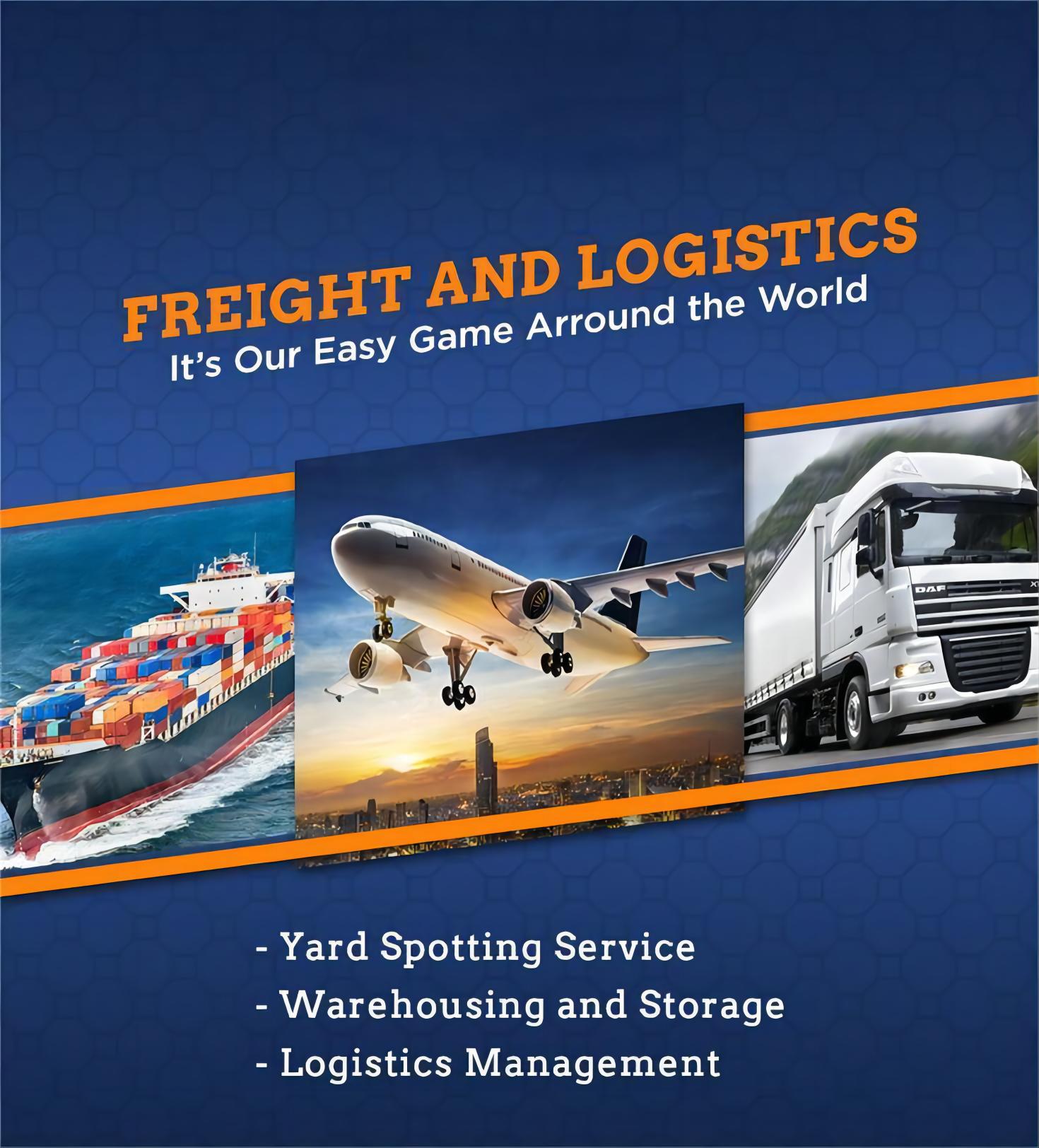
What is Fast LCL Shipping and Why Choose it for Spain?
LCL, or Less than Container Load, shipping involves consolidating multiple smaller shipments from different shippers into a single container. Therefore, it allows businesses to pay only for the space their cargo occupies, making it a highly economical option for volumes insufficient to fill an entire container. This method is particularly beneficial for small to medium-sized enterprises (SMEs) and e-commerce businesses.
Choosing fast LCL shipping from Shenzhen to Spain offers several distinct advantages. Primarily, it provides a balance between cost-efficiency and reasonable transit times, especially when compared to full container load (FCL) for smaller volumes or the higher expense of air freight. Moreover, Shenzhen, as a major manufacturing hub, offers extensive logistics infrastructure and frequent sailing schedules, ensuring greater flexibility.
Spain, being a key entry point to the European market, has well-developed port facilities such as Valencia, Barcelona, and Algeciras. Consequently, efficient LCL services can leverage these ports to ensure quick distribution across the Iberian Peninsula and beyond. This strategic connection supports a streamlined supply chain from Asia to Europe. Furthermore, the demand for timely deliveries in various Spanish industries, including automotive, fashion, and technology, makes fast LCL a preferred choice.
Key Factors Influencing LCL Transit Times from Shenzhen to Spain
Several critical factors dictate the speed and efficiency of your fast LCL shipping from Shenzhen to Spain. Understanding these elements can help businesses set realistic expectations and plan their logistics more effectively. Indeed, careful consideration of each factor is essential for optimal delivery schedules.
Firstly, the choice of carrier and service route significantly impacts transit time. Direct services, though sometimes slightly more expensive, avoid transshipment ports, thereby reducing overall journey duration. Conversely, routes involving transshipment can add several days to the schedule due to potential delays at intermediate hubs. Therefore, evaluating carrier options is paramount.
Secondly, port congestion at both Shenzhen and Spanish ports can cause unforeseen delays. Peak seasons, holidays, and unforeseen events like labor disputes or adverse weather conditions can lead to longer waiting times for vessel loading and unloading. Thus, staying informed about current port conditions is advisable. Additionally, the efficiency of customs clearance processes in both China and Spain plays a vital role. Proper documentation and adherence to regulations can prevent costly hold-ups.
Finally, the consolidation process itself influences speed. Effective freight forwarders excel at quickly consolidating cargo, minimizing the time your goods spend waiting in the warehouse. Their ability to manage multiple shipments efficiently directly translates to faster departure times. This proactive approach ensures your cargo moves swiftly through each stage of its journey.
Typical Transit Times for Fast LCL Shipping to Spain
While ‘fast’ is relative in ocean freight, LCL services from Shenzhen to major Spanish ports generally offer competitive transit times. However, these estimates can fluctuate based on the specific port of discharge, carrier, and current market conditions. It is important to note that these are port-to-port estimates and do not include origin or destination logistics. Therefore, planning for door-to-door delivery requires additional buffer time.
Generally, you can expect LCL transit times to major Spanish ports like Valencia, Barcelona, or Algeciras to range from approximately 28 to 35 days. This duration accounts for the sea voyage itself, along with reasonable allowances for consolidation and deconsolidation processes. Nevertheless, always confirm specific transit times with your chosen freight forwarder, as these can vary.
For instance, a direct service to Valencia might take closer to 28-30 days, whereas a service with a transshipment point could extend to 32-35 days. Furthermore, door-to-door services will naturally add to this, including customs clearance, drayage, and final mile delivery. For reliable door-to-door solutions, partnering with an experienced logistics provider is key.
| Spanish Port | Estimated LCL Transit Time (Days) | Typical Carrier Options |
|---|---|---|
| Valencia | 28-32 | COSCO, Maersk, MSC, ONE |
| Barcelona | 29-33 | Evergreen, Hapag-Lloyd, CMA CGM |
| Algeciras | 30-35 | ZIM, Yang Ming, Hyundai Merchant Marine |
| Bilbao | 32-36 | Various (often via transshipment) |
The Process of LCL Shipping from Shenzhen to Spain
Successfully managing fast LCL shipping from Shenzhen to Spain involves several interconnected steps, each requiring careful coordination. Understanding this process demystifies international freight and helps shippers prepare adequately. Indeed, proactive engagement at each stage ensures a smoother journey for your goods.
Initially, the process begins with booking your shipment with a reliable freight forwarder. Consequently, you will provide details such as cargo dimensions, weight, commodity type, and desired delivery timeline. The forwarder then reserves space on a vessel and coordinates the pickup of your goods from your supplier in Shenzhen. This initial phase sets the stage for the entire shipping operation.
Next, your cargo is transported to the freight forwarder’s consolidation warehouse in Shenzhen. Here, it is inspected, measured, and then consolidated with other LCL shipments destined for Spain. After consolidation, the container is moved to the port of loading and loaded onto the vessel. This crucial step ensures efficient use of container space and optimizes costs for all parties.
Upon arrival at a Spanish port, the container undergoes deconsolidation. Individual shipments are then separated and prepared for customs clearance. This stage often involves detailed documentation checks and potential inspections. Finally, after successful customs clearance, your cargo is either picked up by you or delivered to its final destination via local transport. Efficient customs brokerage is vital here to avoid delays.
How Does LCL Compare to Other Shipping Options?
When considering fast LCL shipping from Shenzhen to Spain, it is essential to evaluate it against alternative transportation methods. Each option presents different trade-offs in terms of speed, cost, and capacity. Therefore, selecting the right mode depends heavily on your specific business needs, budget, and urgency.
For smaller volumes, LCL sea freight offers a significant cost advantage over air freight. While air cargo can deliver goods in 5-7 days, its cost per kilogram is substantially higher, often making it prohibitive for non-urgent or heavier shipments. Conversely, LCL provides a more economical solution, albeit with longer transit times. This balance makes LCL ideal for regular inventory replenishment or less time-sensitive products.
Comparing LCL to Full Container Load (FCL) for sea freight, LCL becomes more economical for shipments under approximately 15-18 CBM (cubic meters). Beyond this volume, FCL typically offers better per-unit costs and potentially faster transit due to direct loading and unloading without consolidation delays. However, FCL requires you to fill an entire container, which might not be feasible for all businesses. Thus, LCL offers flexibility for smaller cargo sizes.
Rail freight is another option for China to Europe, providing a middle ground in terms of speed and cost compared to sea and air. However, while rail is efficient for many European destinations, its direct applicability for all Spanish routes might involve additional transshipment or road legs within Europe. Therefore, the door-to-door efficiency needs careful evaluation for Spain-specific rail routes.
Comprehensive Shipping Method Comparison: Shenzhen to Spain
This table provides a clear overview of the main shipping methods available from Shenzhen to Spain, highlighting their key characteristics. Consequently, businesses can quickly assess which option best aligns with their priorities. Based on current market rates as of Q1 2025.
| Shipping Method | Cost Range (per CBM/kg) | Transit Time (Port-to-Port) | Best For | Limitations |
|---|---|---|---|---|
| LCL Sea Freight | $70-120/CBM | 28-35 days | Small/medium shipments (1-18 CBM), cost-sensitive | Slower than air, potential consolidation delays |
| FCL Sea Freight (20GP) | $1800-2500 per container | 25-30 days | Large volumes (18+ CBM), direct control | High upfront cost, not efficient for small cargo |
| Air Freight (General Cargo) | $4-8/kg | 5-7 days | Urgent, high-value, perishable goods | Very expensive, weight/volume restrictions |
| Rail Freight (China-Europe) | $150-250/CBM | 18-22 days (to Europe hub) | Moderate urgency, specific cargo types | Limited direct routes to Spain, additional road leg often needed |
Alternative Strategies and Cost-Saving Tips
For each shipping scenario, several alternative approaches can optimize both cost and speed. For example, if budget is your primary concern, consider standard LCL services during off-peak seasons. These periods often see lower freight rates, offering significant savings. Furthermore, consolidating multiple orders into a single, larger LCL shipment can also reduce per-unit costs.
If speed is paramount, but air freight is too expensive, explore express LCL services which prioritize faster consolidation and direct routes. Additionally, a hybrid solution involving air freight for urgent components and LCL for the bulk of the order can be highly effective. This strategy balances immediate needs with overall cost efficiency.
Another strategy involves optimizing packaging to minimize volumetric weight, especially for LCL and air freight. Smaller, more compact packaging directly translates to lower shipping costs. Moreover, engaging a freight forwarder with strong relationships with multiple carriers can provide access to more competitive rates and flexible scheduling options. Always request detailed quotes to compare total landed costs.
Which Option Should You Choose?
Deciding on the best shipping method requires careful consideration of your priorities. Therefore, a structured approach can help you make an informed choice. For instance, if budget is your absolute priority, and you have non-urgent goods, standard LCL sea freight is typically the most economical option. This method provides the lowest per-unit cost for smaller volumes.
Conversely, if speed is your top concern, especially for high-value or time-sensitive products, air freight remains unrivaled. However, for a balance of speed and cost, express LCL or even rail freight to a European hub followed by road transport to Spain might be suitable. Consider the total transit time, including all legs of the journey.
Cargo type also plays a significant role. Perishable goods or items with short shelf lives almost always require air freight. For durable goods or raw materials, LCL or FCL sea freight is more appropriate. Volume thresholds are critical: LCL is best for 1-18 CBM, while FCL is ideal for 18 CBM and above. Always weigh these factors against your business objectives.
Real-World Case Studies: Fast LCL Shipping from Shenzhen to Spain
Examining actual shipping scenarios can provide valuable insights into the practical aspects of fast LCL shipping from Shenzhen to Spain. These case studies illustrate how different businesses leverage LCL services to meet their specific logistics needs. Indeed, understanding these examples can help you visualize potential solutions for your own cargo. Prices are based on typical rates as of Q3 2024.
Note: Freight rates are subject to change based on fuel costs, carrier capacity, and seasonal demand. Contact us for a current quote tailored to your specific shipment.
Case Study 1: E-commerce Retailer Replenishing Stock
This e-commerce business needed to regularly replenish its stock of consumer electronics without incurring the high costs of air freight. They opted for a reliable LCL service to maintain inventory levels efficiently. The key insight was optimizing consolidation to achieve consistent transit times.
| Detail | Value |
|---|---|
| Route | Shenzhen, China -> Valencia, Spain |
| Cargo | Small consumer electronics, 6 CBM, 1200 kg |
| Container | LCL 6 CBM |
| Carrier/Service | Major carrier (e.g., COSCO) |
| Port of Loading | Shenzhen |
| Port of Discharge | Valencia |
| Route Type | Direct service |
| Ocean Freight | $480 |
| Origin Charges | $150 |
| Destination Charges | $200 |
| Customs & Duties (estimated) | $350 |
| Total Landed Cost | $1180 |
| Booking to Loading | 4 days |
| Sea Transit | 29 days |
| Customs Clearance | 3 days |
| Total Door-to-Door | 36 days |

Case Study 2: Fashion Brand Launching New Collection
A Spanish fashion brand required a timely shipment of new collection samples and initial stock for a seasonal launch. They needed a balance of speed and cost-effectiveness, choosing an expedited LCL service. The challenge was managing tight deadlines during a peak season, which sometimes led to slight delays at the port of origin.
| Detail | Value |
|---|---|
| Route | Shenzhen, China -> Barcelona, Spain |
| Cargo | Apparel and accessories, 9 CBM, 1500 kg |
| Container | LCL 9 CBM |
| Carrier/Service | Major carrier (e.g., Maersk) |
| Port of Loading | Shenzhen |
| Port of Discharge | Barcelona |
| Route Type | Direct service |
| Ocean Freight | $810 |
| Origin Charges | $180 |
| Destination Charges | $250 |
| Customs & Duties (estimated) | $500 |
| Total Landed Cost | $1740 |
| Booking to Loading | 5 days |
| Sea Transit | 31 days |
| Customs Clearance | 4 days |
| Total Door-to-Door | 40 days |
| Key Insight | Peak season rates were 15% higher, requiring careful booking in advance. |
Case Study 3: Industrial Parts for Manufacturing
An industrial manufacturer in Spain needed a regular supply of specialized components from multiple suppliers in Shenzhen. They utilized LCL to consolidate these parts into weekly shipments, ensuring a continuous supply chain without excessive inventory. The success hinged on robust consolidation and efficient customs brokerage.
| Detail | Value |
|---|---|
| Route | Shenzhen, China -> Algeciras, Spain |
| Cargo | Electronic components, 12 CBM, 2500 kg |
| Container | LCL 12 CBM |
| Carrier/Service | Major carrier (e.g., MSC) |
| Port of Loading | Shenzhen |
| Port of Discharge | Algeciras |
| Route Type | Transshipment via Port Klang |
| Ocean Freight | $960 |
| Origin Charges | $200 |
| Destination Charges | $300 |
| Customs & Duties (estimated) | $700 |
| Total Landed Cost | $2160 |
| Booking to Loading | 4 days |
| Sea Transit | 33 days |
| Customs Clearance | 3 days |
| Total Door-to-Door | 40 days |
| Key Insight | Transshipment added 3 days but offered a more competitive rate for this specific carrier. |
Choosing the Right Freight Forwarder for Your LCL Shipments
The success of your fast LCL shipping from Shenzhen to Spain largely depends on selecting a competent and reliable freight forwarder. Consequently, their expertise and network can significantly impact transit times, costs, and overall service quality. Therefore, due diligence in this selection process is paramount.
Look for a forwarder with extensive experience in the China-Europe trade lane, specifically with strong connections in both Shenzhen and Spain. This ensures they possess in-depth knowledge of local regulations, port operations, and potential challenges. Furthermore, a good forwarder will offer comprehensive services, including consolidation, documentation, customs clearance, and local delivery. Consider providers offering door-to-door solutions for seamless logistics.
Transparency in pricing and clear communication are also vital. A reputable forwarder will provide detailed quotes that break down all costs, avoiding hidden fees. Additionally, they should offer regular updates on your shipment’s status and be responsive to inquiries. Always prioritize forwarders known for their customer service and problem-solving capabilities. For shipping to Europe, specialized knowledge is particularly beneficial.
Optimizing Your LCL Shipments for Speed and Efficiency
To truly achieve fast LCL shipping from Shenzhen to Spain, several optimization strategies can be implemented. These proactive measures can help reduce potential delays and improve the overall efficiency of your supply chain. Indeed, every small improvement can contribute to significant time and cost savings.
Firstly, ensure all documentation is accurate and complete before shipment departure. Incomplete or incorrect paperwork is a leading cause of customs delays in both origin and destination countries. Therefore, working closely with your supplier and freight forwarder to prepare all necessary permits, invoices, and packing lists is crucial. This meticulous approach prevents bottlenecks.
Secondly, consider flexible booking schedules. While you may aim for the fastest transit, booking during peak seasons or immediately before major holidays can lead to congestion and higher rates. If possible, plan shipments to avoid these periods. Furthermore, consolidating your cargo efficiently means less time waiting for other shipments to fill the container. A proactive forwarder can manage this effectively.
Lastly, leverage technology offered by your freight forwarder, such as online tracking systems. These tools provide real-time visibility into your shipment’s progress, allowing you to anticipate arrivals and manage your inventory more effectively. This transparency empowers you to make informed decisions and react quickly to any unforeseen circumstances. For specialized needs, explore services like Amazon FBA logistics.
Conclusion: Mastering Fast LCL Shipping to Spain
Ultimately, mastering fast LCL shipping from Shenzhen to Spain involves a strategic combination of understanding market dynamics, choosing the right partners, and meticulous planning. Despite the inherent complexities of international logistics, LCL offers a flexible and economical solution for businesses of all sizes. By focusing on efficient consolidation, accurate documentation, and informed carrier selection, you can significantly optimize your delivery schedules and freight costs.
Furthermore, continuous monitoring of market trends and leveraging the expertise of a professional freight forwarder ensures that your supply chain remains resilient and responsive. With the right approach, fast LCL shipping from Shenzhen to Spain can become a powerful competitive advantage for your business, enabling quicker market entry and improved customer satisfaction.
Need a tailored shipping solution?
Ready to streamline your supply chain with efficient and fast LCL shipping from Shenzhen to Spain? Contact our expert team today for a personalized quote and discover how we can optimize your logistics. Let us help you achieve seamless and cost-effective international freight solutions tailored to your business needs.