

Fast Rail Freight from China to France: The Ultimate 2025 Logistics Guide
Fast rail freight from China to France has emerged as a game-changing solution for businesses seeking to optimize their international supply chains. At Top China Freight, we help importers navigate the complexities of trans-Eurasian logistics to ensure timely delivery. Consequently, this mode of transport bridges the gap between slow maritime routes and high-cost aviation services, offering a reliable alternative for modern trade.
Why Choose Fast Rail Freight from China to France?
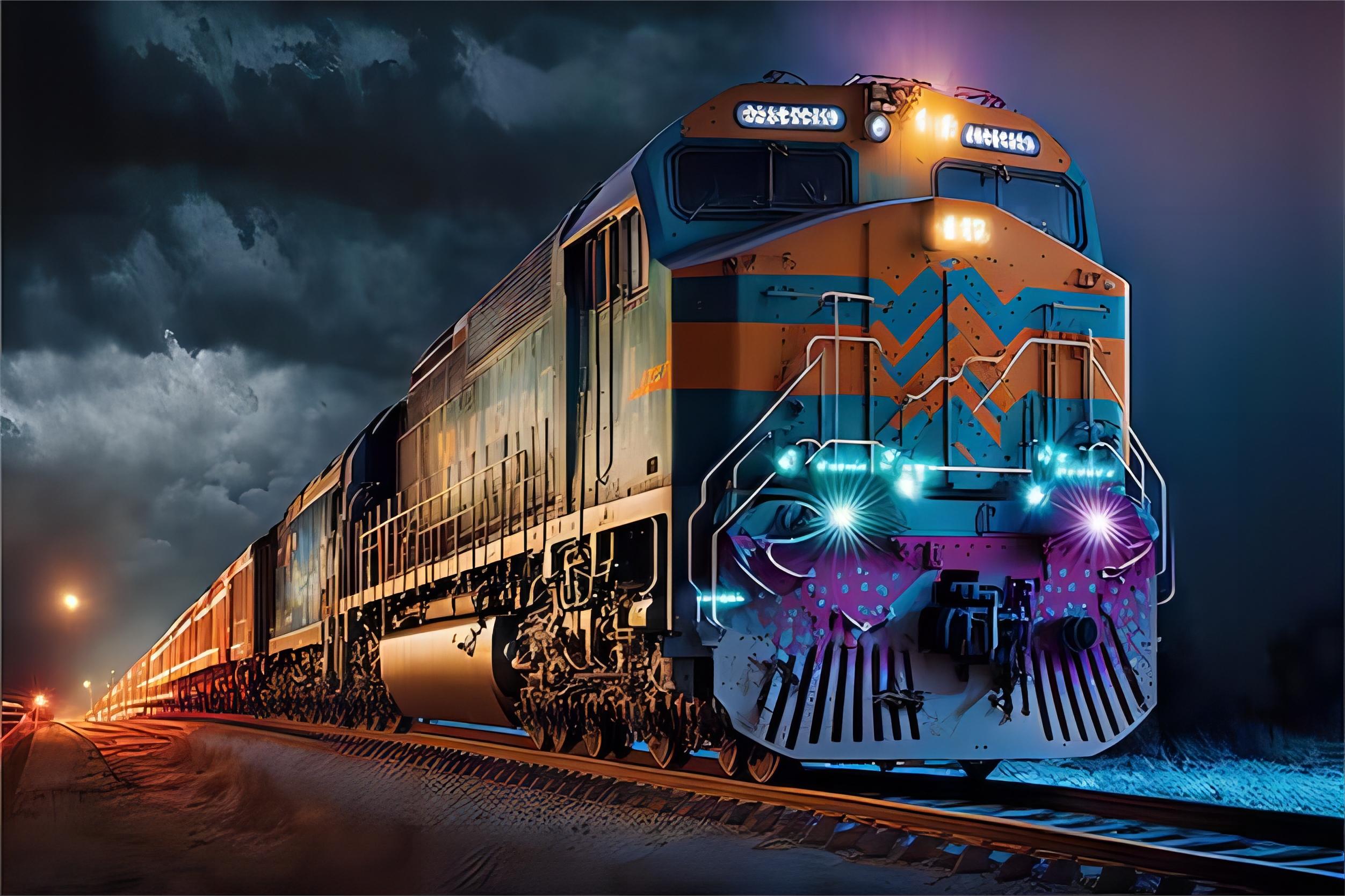
Specifically, the China-Europe Railway Express provides a consistent schedule that avoids the volatility often seen in ocean shipping. Businesses choose this route because it typically cuts transit times by half compared to sea transport. Moreover, the environmental impact is significantly lower than air freight, making it a sustainable shipping option for eco-conscious brands.
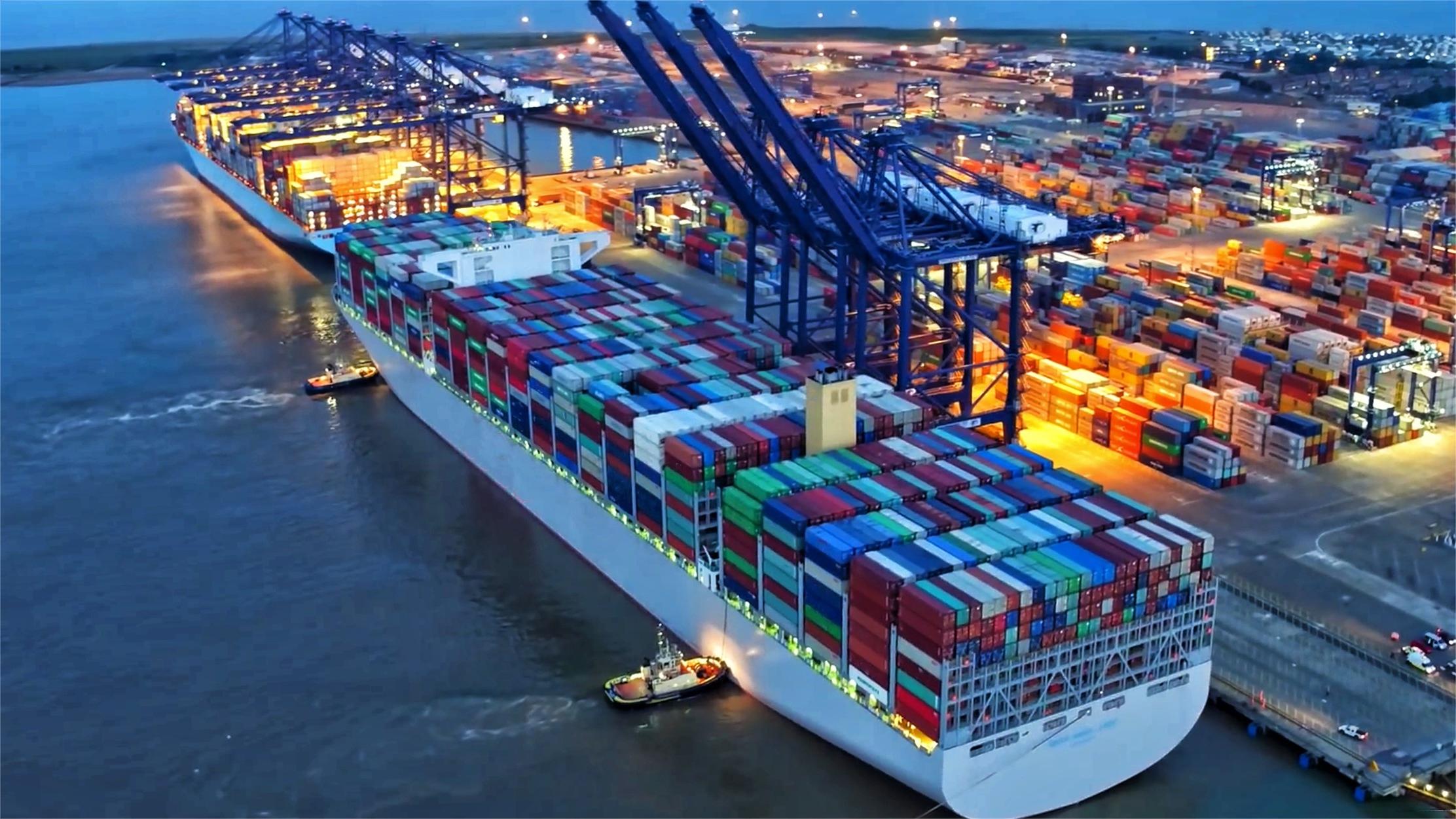
Furthermore, rail transport offers enhanced security for high-value goods like electronics and machinery. The steady motion of the train reduces the risk of cargo damage compared to the rough movements sometimes experienced on container ships. Therefore, many companies are shifting their mid-weight shipments to rail freight to ensure product integrity upon arrival.
Additionally, rail corridors are less susceptible to the weather-related delays that frequently plague sea ports. While a typhoon might ground ships for days, rail services usually maintain their delivery schedule regardless of seasonal storms. Indeed, this reliability allows for better inventory management and more accurate forecasting for French retailers.
How Does Rail Freight Compare to Other Shipping Options?
Understanding the differences between transport modes is essential for making an informed logistics decision. For example, sea freight remains the most economical choice for massive volumes, but it lacks the speed required for urgent restocks. On the other hand, air freight is incredibly fast but can be prohibitively expensive for most commodities.
Market data suggests that rail freight serves as the ‘golden middle’ for many supply chain managers. As of Q1 2025, freight rates from China to Europe have stabilized, making rail an even more attractive proposition. Meanwhile, the cost-to-speed ratio for rail often provides the highest ROI for seasonal products that must hit shelves before a specific date.
In contrast, small parcels are often better suited for an express service. However, once a shipment exceeds a certain weight threshold, the savings offered by rail become undeniable. Without a doubt, evaluating your specific cargo volume is the first step in choosing the right method.
| Shipping Method | Cost Range | Transit Time | Best For |
|---|---|---|---|
| Sea Freight | $2,200 – $3,800 | 35-45 Days | Bulk & Non-urgent |
| Rail Freight | $4,500 – $6,500 | 15-22 Days | Mid-value & Urgent |
| Air Freight | $12,000 – $20,000 | 5-8 Days | High-value & Perishables |
| Express | $15,000+ | 3-5 Days | Samples & Documents |
What Are the Main Rail Routes from China to France?
Major logistics hubs like Chengdu, Xi’an, and Chongqing serve as the primary departure points for trains heading to Europe. These cities are strategically located to gather cargo from surrounding manufacturing provinces before beginning the journey westward. Consequently, the ‘Silk Road’ rail service passes through Kazakhstan, Russia, Belarus, and Poland before reaching the French border.
Specifically, the Xi’an to Paris route has gained popularity for its efficiency and frequency. Trains often arrive at the Dourges or Lyon terminals, providing excellent access to the rest of France. Additionally, many shipments utilize door to door solutions to ensure the cargo moves seamlessly from the rail terminal to the final warehouse.
Nevertheless, the route taken can vary depending on current geopolitical conditions and terminal congestion. For instance, some trains may bypass certain hubs to avoid delays during peak seasons. Accordingly, working with an experienced freight forwarder is vital to navigate these route changes and maintain your delivery schedule.
Which Option Should You Choose for Your Shipments?
Budget priority often dictates that sea freight is the winner for those with long lead times. However, if your inventory is low and you face stock-outs, the speed of fast rail freight from China to France justifies the higher cost. Furthermore, cargo type considerations play a major role in this decision-making process.
Volume thresholds are another critical factor to monitor when selecting your shipping method. For shipments under 15 CBM, LCL rail at $150-250/CBM may be more economical than a full container. Meanwhile, if you are shipping 25+ CBM, booking a full 40HQ container via rail becomes the more cost-effective strategy.
Hybrid solutions also offer a unique way to balance your needs. For example, some businesses use sea-air or rail-sea combinations to manage costs while maintaining a reasonable transit time. To summarize, your choice should align with your specific profit margins and customer expectations regarding delivery speed.
| Scenario | Recommended Method | Key Benefit | Cost Impact |
|---|---|---|---|
| Low Budget/Flexible | Sea Freight FCL | Lowest unit cost | Baseline |
| Urgent/Mid-Budget | Rail Freight FCL | Saves 20 days | +40% vs Sea |
| High Value/Urgent | Air Freight | Fastest delivery | +400% vs Sea |
| Small Volume/Fast | Rail LCL | Flexible sizing | Variable |
How to Handle Customs and Documentation for Rail Shipments?
Navigating the regulatory landscape requires a thorough understanding of both Chinese export laws and French import duties. Specifically, having a reliable customs brokerage partner can prevent costly delays at the border. Indeed, incorrect paperwork is the leading cause of shipment holds in the international logistics industry.
Required documents typically include the commercial invoice, packing list, and the rail waybill (CIM/SMGS). Additionally, a certificate of origin may be necessary to qualify for specific trade agreements or tariff reductions. Consequently, you must ensure all descriptions and HS codes are 100% accurate before the train departs from China.
Moreover, France has strict regulations regarding the import of certain goods, such as electronics and textiles. Therefore, verifying compliance with EU standards is a prerequisite for any successful import operation. For instance, products requiring CE marking must have all certifications ready for inspection upon arrival at the French terminal.
Realistic Case Studies: Rail Freight Success Stories
Case Study 1: High-Tech Electronics from Shenzhen to Lyon. Route: Shenzhen -> Xi’an -> Lyon. Cargo: 500 units of consumer electronics, 12 CBM, 2,500 kg. Container: LCL 12 CBM. Shipping Details: Xi’an Block Train service. Port of Loading: Xi’an Terminal. Port of Discharge: Lyon Terminal. Route Type: Direct Rail. Cost Breakdown: Rail Freight: $2,800. Origin Charges: $450. Destination Charges: $600. Customs: $1,200. Total: $5,050. Timeline: Booking to Loading: 3 days. Rail Transit: 18 days. Customs: 2 days. Total Door-to-Door: 23 days. Key Insight: Rail saved the client 22 days compared to sea freight, allowing them to meet a product launch deadline.
Case Study 2: Industrial Machinery from Wuhan to Paris. Route: Wuhan -> Paris. Cargo: Precision CNC machinery, 28 CBM, 8,000 kg. Container: 40GP. Shipping Details: Major rail carrier. Port of Loading: Wuhan. Port of Discharge: Dourges (Paris area). Route Type: Direct. Cost Breakdown: Rail Freight: $5,800. Origin Charges: $500. Destination Charges: $750. Customs: $2,100. Total: $9,150. Timeline: Booking to Loading: 5 days. Rail Transit: 20 days. Customs: 3 days. Total Door-to-Door: 28 days. Key Insight: The stability of the rail route prevented damage to sensitive calibration equipment that often occurs during sea transit.
Note: Freight rates are subject to change based on fuel costs, carrier capacity, and seasonal demand. Contact us for a current quote tailored to your specific shipment.
Strategic Cost-Saving Tips for Rail Freight
Consolidating your shipments is one of the most effective ways to reduce your overall logistics spend. For example, if you have multiple suppliers in the same region, combining their goods into a single FCL shipment can significantly lower per-unit costs. Consequently, this approach reduces the administrative burden of handling multiple LCL files.
Planning your shipments outside of peak seasons is another wise strategy for savvy importers. Typically, rates increase by 15-25% during the August to October period as retailers prepare for the holiday rush. Therefore, booking your rail space at least 3-4 weeks in advance during these times is essential to secure both capacity and better pricing.
Finally, always request a comprehensive quote that includes all potential ‘hidden’ fees such as terminal handling and documentation. Indeed, some forwarders provide low base rates but add significant surcharges later in the process. By demanding transparency, you can accurately calculate your landed cost and maintain healthy profit margins.
Final Thoughts on Rail Logistics
To summarize, fast rail freight from China to France offers a compelling combination of speed, reliability, and cost-effectiveness. As global trade continues to evolve, having a diverse logistics strategy that includes rail transport is essential for staying competitive. Whether you are shipping electronics, machinery, or textiles, the rail corridor provides a stable path to the European market.
Furthermore, the environmental benefits and security of this mode make it a future-proof choice for growing enterprises. By partnering with a professional freight forwarder, you can overcome customs hurdles and optimize your transit times. Start leveraging the power of the New Silk Road today to enhance your import operations from China.
Ready to streamline your logistics?
Are you looking to accelerate your supply chain with fast rail freight from China to France? Our expert team is ready to provide you with a competitive quote and a customized logistics plan. Visit Top China Freight today to streamline your shipping process and grow your business. See: https://Top China Freight.com/contact-us/
Request Quote