
Fast Shipping China to Japan: Your Ultimate Guide
Navigating international logistics can be complex, especially when seeking fast shipping from China to Japan. Businesses often face challenges like varying transit times, fluctuating costs, and intricate customs procedures. This comprehensive guide will illuminate the most efficient shipping methods, ensuring your goods reach Japan swiftly and reliably.
✦
What Are the Key Shipping Methods for China to Japan?
When considering fast shipping China to Japan, several primary methods are available. Each offers distinct advantages concerning speed, cost, and capacity. Understanding these options is crucial for making informed decisions about your supply chain.
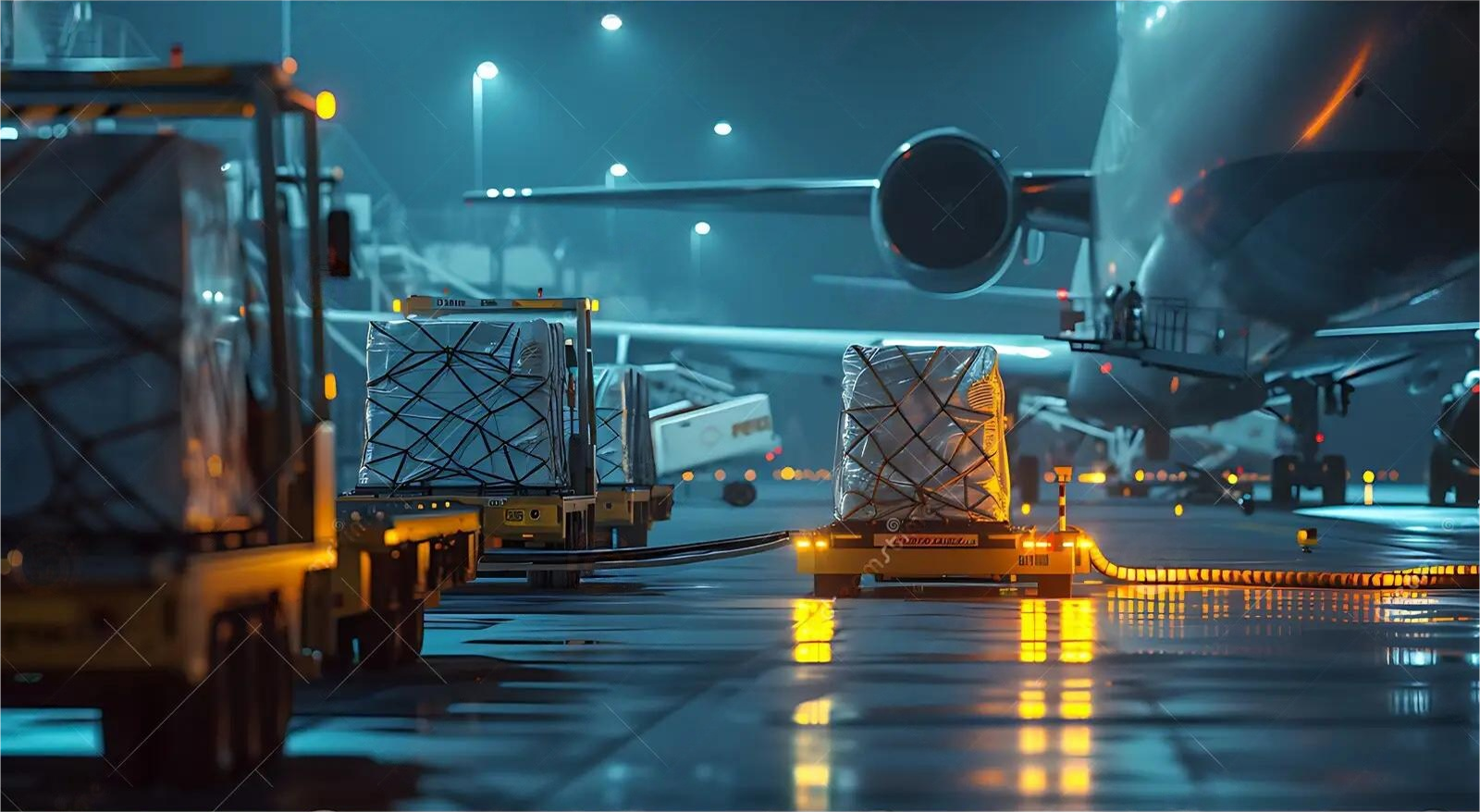
Specifically, air freight provides the quickest transit times, ideal for urgent or high-value goods. Sea freight, conversely, is highly cost-effective for larger volumes but involves longer delivery schedules. Express services blend speed with convenience for smaller, time-sensitive parcels.
Furthermore, hybrid solutions sometimes combine the benefits of different modes. For instance, a sea-air option might reduce costs compared to pure air freight while still being faster than pure sea freight. Evaluating your specific needs will determine the best approach.

| Shipping Method | Cost Range (per kg/CBM) | Transit Time | Best For | Limitations |
|---|---|---|---|---|
| Air Freight | $4.00 – $8.00/kg | 1-5 Days | Urgent, High-Value, Perishable Goods | High Cost, Volume/Weight Restrictions |
| Express Courier | $6.00 – $12.00/kg | 1-3 Days | Small Parcels, Documents, E-commerce | Very High Cost, Small Package Focus |
| Sea Freight (FCL) | $50 – $100/CBM (Container) | 5-10 Days | Large Volumes, Non-Urgent, Heavy Goods | Longer Transit, Port-to-Port |
| Sea Freight (LCL) | $70 – $120/CBM | 7-14 Days | Smaller Volumes, Cost-Sensitive, Flexible | Slower than FCL, Potential Delays |
How to Achieve the Fastest Transit Times from China to Japan?
Achieving the fastest transit times from China to Japan primarily involves choosing the right shipping method. Air freight and express services are undeniably the quickest options available. These methods drastically reduce the delivery schedule compared to sea freight.
Additionally, selecting direct routes and reputable carriers can significantly impact speed. Avoiding transshipment points minimizes potential delays and shortens the overall journey. Moreover, pre-clearing customs documentation can shave off valuable time.
For instance, an express service often provides door-to-door delivery within 1-3 days. This speed is unparalleled for urgent cargo or time-critical shipments. However, it comes with a higher price tag.
Conversely, while sea freight is slower, optimizing your logistics to use faster vessel services can still be beneficial. Partnering with an experienced freight forwarder who can secure priority bookings also helps. They can navigate port congestion and ensure smoother cargo handling.
Understanding Shipping Costs and Freight Rates for China to Japan
Shipping costs from China to Japan are influenced by numerous factors, making accurate estimation vital. These include the chosen shipping method, cargo volume and weight, distance, and current market conditions. Fuel surcharges and peak season demand also play significant roles.
For example, air freight rates are typically calculated per kilogram, with surcharges for volumetric weight. Sea freight costs are usually based on container size (FCL) or cubic meters (LCL). Furthermore, destination charges and origin charges contribute to the total landed cost.
Market data suggests that freight rates can fluctuate widely. As of Q1 2025, air freight rates remain relatively stable, but unexpected global events can cause spikes. Therefore, it is always recommended to obtain a current quote for your specific shipment.
Moreover, understanding the breakdown of costs, including terminal handling charges (THC), documentation fees, and customs duties, helps in budget planning. A reliable freight forwarder can provide a transparent overview of all associated expenses. Note: Freight rates are subject to change based on fuel costs, carrier capacity, and seasonal demand. Contact us for a current quote tailored to your specific shipment.
Navigating Customs and Documentation for China-Japan Imports
Effective customs clearance is paramount for seamless and fast shipping China to Japan. Both countries have specific regulations that must be meticulously followed. Incorrect documentation can lead to significant delays and additional costs.
Key documents typically include the commercial invoice, packing list, bill of lading (for sea freight) or air waybill (for air freight), and a certificate of origin. Depending on the goods, import licenses or specific permits might also be required by Japanese authorities.
Japan’s customs procedures are generally efficient but strict. Therefore, ensuring all paperwork is accurate and complete before shipment is critical. Pre-filing customs declarations electronically can expedite the process upon arrival.
Furthermore, understanding Japanese import duties and taxes is essential for financial planning. These duties vary widely based on the Harmonized System (HS) code of your product. Consulting with a customs brokerage expert can prevent unexpected charges and delays, ensuring compliance.
| Document | Purpose | Issuing Party | Notes |
|---|---|---|---|
| Commercial Invoice | Details goods, value, seller, buyer | Exporter | Crucial for customs valuation |
| Packing List | Itemizes contents, weights, dimensions | Exporter | Aids in cargo inspection |
| Bill of Lading (B/L) | Contract of carriage, title to goods | Carrier/Forwarder | For sea freight shipments |
| Air Waybill (AWB) | Contract of carriage, receipt of goods | Airline/Forwarder | For air freight shipments |
| Certificate of Origin | Verifies country of manufacture | Chamber of Commerce | May impact preferential tariffs |
| Import License/Permit | Required for controlled goods | Japanese Authorities | Check specific product requirements |
How Does Air Freight Compare to Sea Freight for China-Japan Routes?
Comparing air freight and sea freight for China to Japan routes highlights distinct trade-offs. Air freight offers unparalleled speed, typically delivering in 1-5 days. This makes it ideal for urgent shipments, high-value electronics, or perishable goods where time is money.
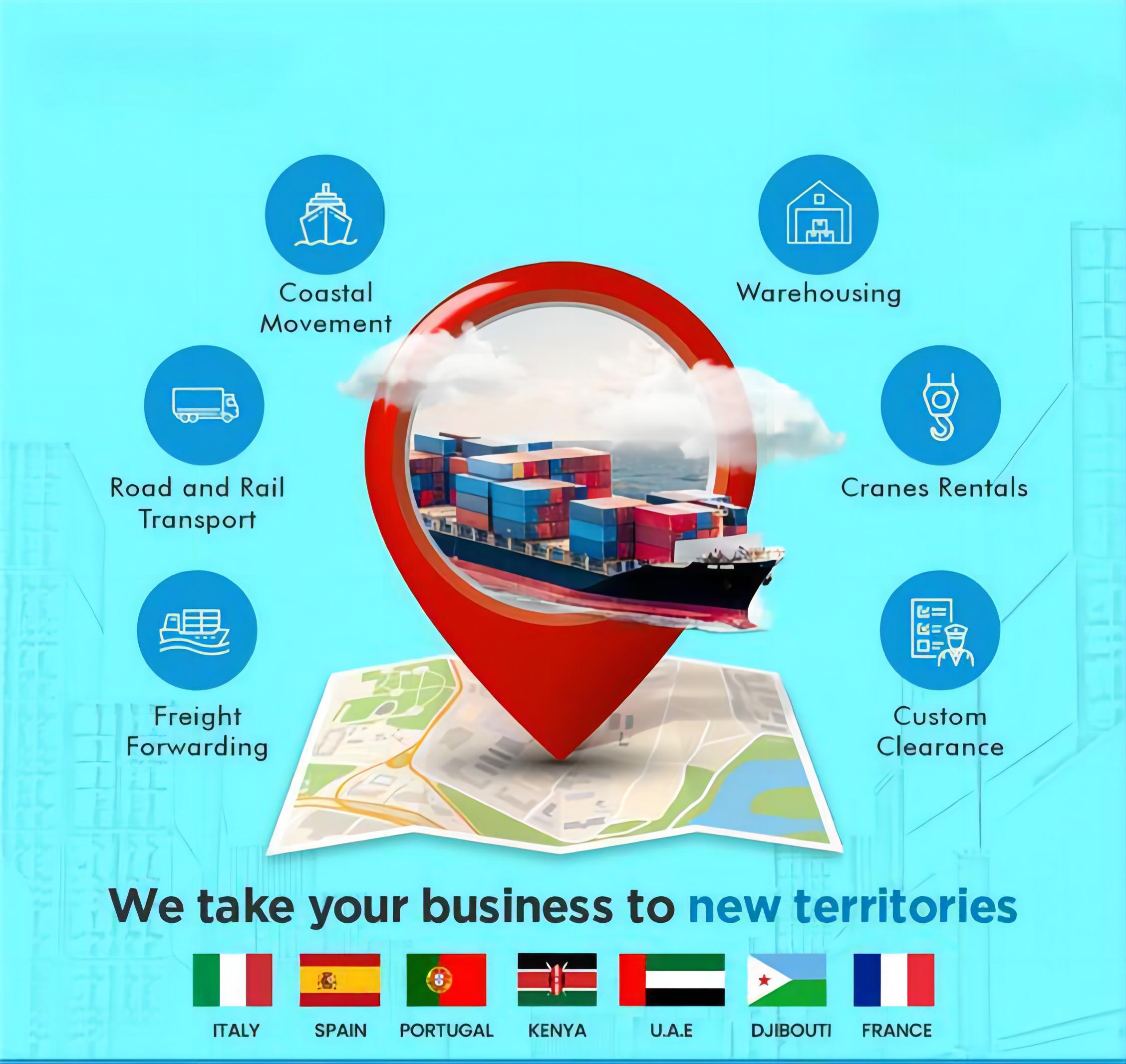
However, air freight comes with a significantly higher cost, often calculated by weight or volumetric weight. It also has limitations on cargo size and type, with restrictions on hazardous materials and very large items. Therefore, it is not suitable for all types of cargo.
Conversely, sea freight is the most economical option for bulk shipments. Transit times range from 5-10 days for FCL (Full Container Load) and 7-14 days for LCL (Less than Container Load). It’s perfect for heavy, bulky, or non-time-sensitive goods.
Nevertheless, sea freight involves longer lead times and can be subject to port congestion or weather delays. The environmental impact is also lower compared to air freight. The choice ultimately depends on your priorities: speed versus cost efficiency.
| Feature | Air Freight | Sea Freight (FCL/LCL) |
|---|---|---|
| Transit Time | 1-5 Days | 5-14 Days |
| Cost Efficiency | High | Low |
| Cargo Volume | Limited (Max ~100 CBM) | High (Containers) |
| Cargo Type | High-value, Urgent, Perishable | Bulky, Heavy, Non-Urgent |
| Environmental Impact | Higher Carbon Footprint | Lower Carbon Footprint |
| Flexibility | High, frequent departures | Lower, fixed sailing schedules |
Case Studies: Real-World Fast Shipping China to Japan Scenarios
Examining real-world examples illustrates the practical application of different shipping strategies. These case studies highlight how businesses optimize their logistics for fast shipping China to Japan. They offer insights into cost, transit time, and specific challenges.
Based on Q3 2024 market rates, these scenarios provide a realistic view. They show how proper planning and carrier selection can impact overall delivery efficiency. Each case details the cargo, route, and outcome for a clear understanding.
Case Study 1: Urgent Electronics Component Delivery
A Japanese electronics manufacturer needed critical components quickly to avoid production line shutdown. Speed was the absolute priority.
| Detail | Description |
|---|---|
| Route | Shanghai, China -> Narita, Japan |
| Cargo | Integrated Circuits, 0.5 CBM, 150 kg |
| Shipping Method | Air Freight (Priority Service) |
| Carrier/Service | Major Cargo Airline (e.g., ANA Cargo) |
| Port of Loading | Shanghai Pudong International Airport (PVG) |
| Port of Discharge | Narita International Airport (NRT) |
| Route Type | Direct Flight |
| Ocean Freight | N/A |
| Air Freight | $1,050 (approx. $7/kg) |
| Origin Charges | $120 |
| Destination Charges | $80 |
| Customs & Duties (estimated) | $150 |
| Total Landed Cost | $1,400 |
| Booking to Loading | 1 Day |
| Air Transit | 1 Day |
| Customs Clearance | 1 Day |
| Total Door-to-Door | 3 Days |
| Key Insight | Premium air freight ensures rapid delivery for critical, high-value items, justifying the higher cost. |
Case Study 2: E-commerce Apparel Shipment
An online fashion retailer needed to replenish popular stock quickly for an upcoming seasonal sale. A balance between speed and cost was desired.
| Detail | Description |
|---|---|
| Route | Shenzhen, China -> Tokyo, Japan |
| Cargo | Apparel (T-shirts, Jeans), 8 CBM, 1200 kg |
| Shipping Method | Sea Freight (LCL) |
| Carrier/Service | Major NVOCC (Non-Vessel Operating Common Carrier) |
| Port of Loading | Yantian Port (Shenzhen) |
| Port of Discharge | Port of Tokyo |
| Route Type | Direct Service |
| Ocean Freight | $720 (approx. $90/CBM) |
| Origin Charges | $250 |
| Destination Charges | $180 |
| Customs & Duties (estimated) | $300 |
| Total Landed Cost | $1,450 |
| Booking to Loading | 3 Days |
| Sea Transit | 7 Days |
| Customs Clearance | 2 Days |
| Total Door-to-Door | 12 Days |
| Key Insight | LCL sea freight offers a cost-effective solution for medium-sized, semi-urgent e-commerce inventory, balancing cost and reasonable speed. |
Case Study 3: Small Package Express Delivery
A small business needed to send product samples to a potential Japanese client. The package was small but time-sensitive for a business meeting.
| Detail | Description |
|---|---|
| Route | Guangzhou, China -> Osaka, Japan |
| Cargo | Product Samples, 0.05 CBM, 10 kg |
| Shipping Method | Express Courier (e.g., DHL, FedEx) |
| Carrier/Service | International Express Courier |
| Port of Loading | Guangzhou Baiyun International Airport (CAN) |
| Port of Discharge | Kansai International Airport (KIX) |
| Route Type | Door-to-Door Express |
| Ocean Freight | N/A |
| Air Freight | N/A |
| Express Cost | $120 (approx. $12/kg) |
| Origin Charges | Included |
| Destination Charges | Included |
| Customs & Duties (estimated) | $30 (minimal for samples) |
| Total Landed Cost | $150 |
| Booking to Loading | 0 Days (pickup service) |
| Transit | 2 Days |
| Customs Clearance | 1 Day (expedited) |
| Total Door-to-Door | 3 Days |
| Key Insight | Express courier services are ideal for small, urgent packages, offering unparalleled speed and convenience directly to the recipient’s door. |
Which Option Should You Choose for Shipping China to Japan?
Deciding on the optimal shipping method for your cargo from China to Japan depends on your specific priorities. Considering budget, speed, and cargo characteristics is essential for making an informed choice. Each factor guides you toward the most suitable logistics solution.
If budget is your primary concern, especially for large volumes, sea freight is invariably the most economical option. While slower, it offers significant cost savings. This method is ideal for non-urgent bulk goods or raw materials.
For speed priority, particularly for time-sensitive or high-value items, air freight or express courier services are indispensable. These methods ensure the quickest delivery, often within days. They are perfect for urgent components, fashion items, or e-commerce orders requiring rapid fulfillment.
Cargo type also heavily influences the decision. Perishable goods or pharmaceuticals will necessitate fast, temperature-controlled air freight. Conversely, heavy machinery or construction materials are better suited for sea freight. Volume thresholds also apply; LCL for smaller sea shipments, FCL for full containers.
Ultimately, a thorough assessment of your business needs and an understanding of the trade-offs will guide your decision. Consulting with a logistics expert can provide tailored advice. They can help you navigate these choices effectively.
Optimizing Your Supply Chain for China-Japan Logistics
Optimizing your supply chain for fast shipping China to Japan involves more than just selecting a transport method. It encompasses strategic planning, efficient warehouse management, and leveraging technology. A streamlined supply chain reduces costs and enhances delivery reliability.
Consider consolidating multiple smaller shipments into one larger consignment. This approach can lead to better freight rates and simplified customs processes. Utilizing a third-party logistics (3PL) provider can also offer significant advantages in this regard.
Furthermore, implementing robust inventory management systems helps predict demand and avoid rush shipments. This proactive approach minimizes the need for costly expedited shipping. Effective communication with suppliers and carriers is also crucial.
Exploring door to door shipping services can simplify your logistics operations. These services handle the entire process from pickup in China to final delivery in Japan. They provide a single point of contact and reduce administrative burdens, ensuring a smooth flow.
Conclusion: Mastering Fast Shipping from China to Japan
Mastering <span class=”highlight”>fast shipping China to Japan</span> is achievable through strategic planning and informed decision-making. By understanding the nuances of air freight, sea freight, and express services, businesses can optimize their logistics operations. Proper documentation and customs compliance are equally crucial for preventing delays and ensuring smooth transit.
Moreover, leveraging real-world case studies and competitive analysis provides valuable insights into cost-effective and time-efficient solutions. Whether prioritizing speed, cost, or cargo specificities, a tailored approach is essential. Partnering with a reliable freight forwarder can significantly enhance your supply chain efficiency and reliability for this vital trade route. Optimize your import/export processes today for sustained success.