
Fast Shipping China to Singapore: Your Ultimate Guide
Businesses constantly seek efficient logistics to maintain competitive edges. Therefore, securing fast shipping from China to Singapore is a top priority for many importers. This comprehensive guide explores various shipping methods, costs, and essential considerations to expedite your cargo. Ultimately, partnering with a reliable freight forwarder like Top China Freight ensures your goods arrive swiftly and safely.
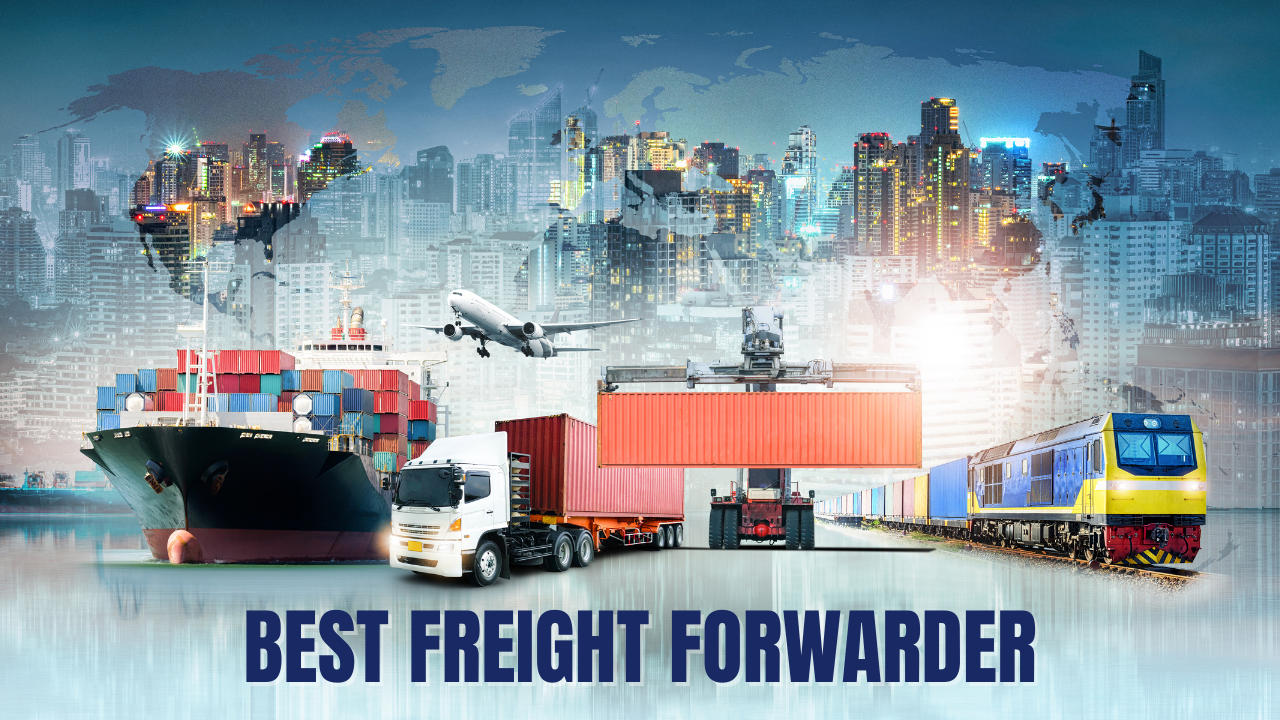
Why is Fast Shipping China to Singapore Essential?
In today’s dynamic global market, speed to market is paramount. Businesses, especially e-commerce ventures, rely on rapid inventory replenishment and quick delivery to meet customer expectations. Consequently, delays can lead to lost sales and damaged reputations.
Moreover, Singapore’s strategic location as a regional hub further emphasizes the need for efficient logistics from China. Fast shipping from China to Singapore allows businesses to capitalize on immediate market demands. This also helps maintain a lean inventory, reducing warehousing costs significantly.
Understanding Your Options: Air Freight vs. Sea Freight
When considering fast shipping from China to Singapore, two primary methods stand out: air freight and sea freight. Each offers distinct advantages and disadvantages regarding speed, cost, and capacity. Your choice will largely depend on your cargo’s urgency and budget.
Air freight provides the quickest transit times, ideal for high-value, time-sensitive goods. Conversely, sea freight is a more economical option for larger volumes and less urgent shipments, albeit with longer transit times. Therefore, understanding the trade-offs is crucial for effective logistics planning.
| Shipping Method | Cost Range (per kg/CBM) | Transit Time | Best For | Limitations |
|---|---|---|---|---|
| Air Freight | $4-$10/kg | 3-7 days | Urgent, high-value, small volume | High cost, size/weight restrictions |
| Sea Freight (LCL) | $50-$100/CBM | 10-20 days | Medium-sized, less urgent | Longer transit, potential delays |
| Sea Freight (FCL) | $800-$1500/container | 8-18 days | Large volume, heavy goods | Requires full container, port congestion |

How Does Express Service Expedite Your Shipments?
For paramount speed and reliability, an express service offers an unparalleled solution. This premium option combines the swiftness of air freight with streamlined customs procedures and door-to-door delivery. Consequently, it minimizes handling and accelerates transit times significantly.
Express services are particularly beneficial for urgent documents, samples, or small, high-value e-commerce parcels. While generally more expensive than standard air freight, the speed and convenience often justify the additional cost. This method ensures your urgent cargo reaches Singapore in the shortest possible timeframe.
Navigating Customs and Documentation for Speed
Efficient customs clearance is a cornerstone of fast shipping from China to Singapore. Improper documentation or a lack of understanding of regulations can lead to significant delays. Therefore, meticulous preparation is essential to avoid bottlenecks at the border.
Singapore has a relatively straightforward customs process, but compliance is non-negotiable. Working with experienced professionals who understand both Chinese export and Singaporean import requirements is vital. This proactive approach ensures a smooth transition for your goods.
Key Documents for Smooth Clearance
Several documents are mandatory for international shipping. These include the commercial invoice, packing list, bill of lading (for sea freight) or air waybill (for air freight), and certificate of origin. Furthermore, specific goods may require additional licenses or permits.
Ensuring all details are accurate and consistent across documents prevents customs holds. Inconsistencies can trigger inspections, significantly prolonging the delivery schedule. A professional customs brokerage service can manage these complexities efficiently.
| Document | Purpose | Key Requirement |
|---|---|---|
| Commercial Invoice | Value of goods, seller/buyer details | Accurate description, HS codes, declared value |
| Packing List | Contents of each package, dimensions, weight | Matches physical cargo, clear itemization |
| Bill of Lading/AWB | Contract of carriage, title to goods | Correct consignee details, accurate routing |
| Certificate of Origin | Proof of goods’ manufacturing country | Issued by authorized body, required for tariffs |
Real-World Scenarios: Case Studies in Expedited Shipping
To illustrate the practical application of fast shipping from China to Singapore, let’s examine a few real-world scenarios. These examples highlight how different factors influence method selection and final delivery times. They also demonstrate the importance of strategic planning.
Case Study 1: Urgent Electronics Component
| Field | Value |
|---|---|
| Route | Shenzhen, China -> Singapore |
| Cargo | High-value electronics components, 0.5 CBM, 150 kg |
| Container | LCL 0.5 CBM (Air Freight) |
| Shipping Details | |
| – Carrier/Service | Major air cargo carrier (e.g., Cathay Pacific Cargo) |
| – Port of Loading | Shenzhen Bao’an International Airport (SZX) |
| – Port of Discharge | Changi Airport (SIN), Singapore |
| – Route Type | Direct Air Cargo |
| Cost Breakdown | |
| – Air Freight | $950 |
| – Origin Charges | $150 |
| – Destination Charges | $100 |
| – Customs & Duties (estimated) | $80 |
| – Total Landed Cost | $1280 |
| Timeline | |
| – Booking to Loading | 1 day |
| – Air Transit | 2 days |
| – Customs Clearance | 1 day |
| – Total Door-to-Door | 4 days |
| Key Insight | Prioritized speed for critical production parts. Based on Q3 2024 market rates. |

Case Study 2: Fashion Apparel for Seasonal Launch
| Field | Value |
|---|---|
| Route | Guangzhou, China -> Singapore |
| Cargo | Seasonal fashion apparel, 10 CBM, 2500 kg |
| Container | LCL 10 CBM |
| Shipping Details | |
| – Carrier/Service | Major NVOCC (e.g., Maersk, COSCO slot charter) |
| – Port of Loading | Nansha Port, Guangzhou |
| – Port of Discharge | Port of Singapore |
| – Route Type | Direct Sea Freight |
| Cost Breakdown | |
| – Ocean Freight | $750 |
| – Origin Charges | $200 |
| – Destination Charges | $150 |
| – Customs & Duties (estimated) | $120 |
| – Total Landed Cost | $1220 |
| Timeline | |
| – Booking to Loading | 3 days |
| – Sea Transit | 8 days |
| – Customs Clearance | 2 days |
| – Total Door-to-Door | 13 days |
| Key Insight | Balanced cost-effectiveness with timely arrival for a new collection. Typical rates as of early 2025. |
Case Study 3: Small Batch Manufacturing Parts
| Field | Value |
|---|---|
| Route | Ningbo, China -> Singapore |
| Cargo | Specialized machinery parts, 2 CBM, 500 kg |
| Container | LCL 2 CBM (Air Freight) |
| Shipping Details | |
| – Carrier/Service | Express Air Cargo (DHL/FedEx equivalent) |
| – Port of Loading | Ningbo Lishe International Airport (NGB) |
| – Port of Discharge | Changi Airport (SIN), Singapore |
| – Route Type | Express Air Freight |
| Cost Breakdown | |
| – Air Freight | $1200 |
| – Origin Charges | $180 |
| – Destination Charges | $120 |
| – Customs & Duties (estimated) | $90 |
| – Total Landed Cost | $1590 |
| Timeline | |
| – Booking to Loading | 1 day |
| – Air Transit | 3 days |
| – Customs Clearance | 1 day |
| – Total Door-to-Door | 5 days |
| Key Insight | Utilized express for critical replacement parts to minimize downtime. Based on Q4 2024 peak season rates. |
How Does Air Freight Compare to Other Shipping Options?
Choosing the optimal shipping method for fast shipping from China to Singapore requires a thorough comparison of all viable alternatives. While air freight offers speed, other options present different balances of cost and transit time. Understanding these differences is crucial for strategic decision-making.
For instance, sea freight, particularly FCL (Full Container Load), provides significant cost savings for large volumes. However, it comes with considerably longer transit times. Meanwhile, LCL (Less than Container Load) sea freight is suitable for smaller, non-urgent shipments that do not fill an entire container.
| Shipping Method | Cost Range (China to Singapore) | Transit Time (Port to Port) | Best For | Limitations |
|---|---|---|---|---|
| Air Freight | $4-$10/kg ($2000-$5000/CBM) | 3-7 days | Urgent, high-value, perishable goods | High cost, volume/weight restrictions, fuel surcharges |
| Sea Freight (FCL) | $800-$1500 (20GP) / $1200-$2000 (40HQ) | 8-18 days | Large volume, heavy, non-urgent cargo | Longer transit, port congestion, demurrage fees |
| Sea Freight (LCL) | $50-$100/CBM | 10-20 days | Smaller volumes (under 15 CBM), flexible | Slower, potential consolidation delays, handling fees |
| Express Courier | $8-$15/kg | 1-4 days | Documents, samples, small e-commerce | Highest cost, very strict size/weight limits |
Alternative Strategies and Hybrid Solutions
Sometimes, a single method isn’t enough. Consider hybrid solutions like sea-air, where goods travel by sea for the initial leg and then switch to air freight for the final, faster journey. This can balance cost and speed effectively. Moreover, for smaller items, consolidated shipping can group multiple small shipments into one larger container, reducing per-unit costs.
For example, if you have a tight budget but need some speed, an LCL shipment followed by expedited customs and door-to-door solutions in Singapore can be a viable compromise. This approach aims to cut down on the last-mile delivery time, which often causes delays. Industry averages for this route show that optimizing the final leg significantly impacts overall transit time.
Decision Framework: Which Option Should You Choose?
The best choice for fast shipping from China to Singapore depends on your specific priorities. Therefore, a clear decision framework is indispensable.
Budget priority: If cost is your main concern, sea freight (FCL for large, LCL for small) is recommended. Speed priority: For urgent deliveries, air freight or express courier services are the optimal choices. Cargo type considerations: Perishable goods, high-value electronics, or time-sensitive fashion items benefit most from air or express. Conversely, bulk commodities or heavy machinery are better suited for sea freight.
Volume thresholds: For shipments under 1 CBM, express is often competitive. For 1-15 CBM, LCL sea freight or standard air freight might be best. Above 15 CBM, FCL sea freight usually becomes the most cost-effective solution.
Optimizing Your Supply Chain for Faster Deliveries
Beyond selecting the right shipping method, optimizing your entire supply chain can significantly enhance speed. This includes efficient order processing, effective inventory management, and strategic supplier relationships. Consequently, every step contributes to faster overall delivery schedules.
Implementing robust logistics trends, such as real-time tracking and automated documentation, further streamlines operations. This proactive approach helps identify and mitigate potential delays before they impact transit time. Ultimately, a well-managed supply chain is key to achieving consistent fast shipping from China to Singapore.
Choosing the Right Partner for Your Fast Shipments
Selecting a reliable freight forwarder is perhaps the most critical decision for fast shipping from China to Singapore. A knowledgeable partner understands the complexities of international logistics, customs regulations, and various shipping routes. They can provide tailored advice and efficient execution.
Look for a forwarder with a proven track record, extensive network, and transparent communication. They should offer comprehensive services, including customs clearance, warehousing, and door-to-door solutions. Such a partner acts as an extension of your business, ensuring smooth and rapid cargo handling.
Conclusion
Achieving fast shipping from China to Singapore requires a strategic blend of choosing the right transportation method, meticulous planning, and partnering with an experienced logistics provider. By understanding the nuances of air versus sea freight, navigating customs efficiently, and leveraging express services, businesses can significantly reduce transit times. Ultimately, prioritizing speed and reliability in your supply chain ensures your goods reach Singapore quickly and cost-effectively, bolstering your market position.
Need a tailored shipping solution?
Ready to accelerate your shipments from China to Singapore? Contact our expert team today for a personalized quote and discover how our tailored logistics solutions can optimize your delivery schedule. We are committed to providing efficient and reliable fast shipping from China to Singapore.