
Fast Shipping China to UK: Your Ultimate Logistics Guide
Navigating the complexities of international logistics can be challenging, especially when you need fast shipping from China to the UK. Businesses and individuals alike seek efficient, cost-effective solutions to move goods across continents. Understanding the various shipping methods, their associated costs, and transit times is crucial for successful import operations. This comprehensive guide will illuminate your options, helping you make informed decisions for your supply chain.
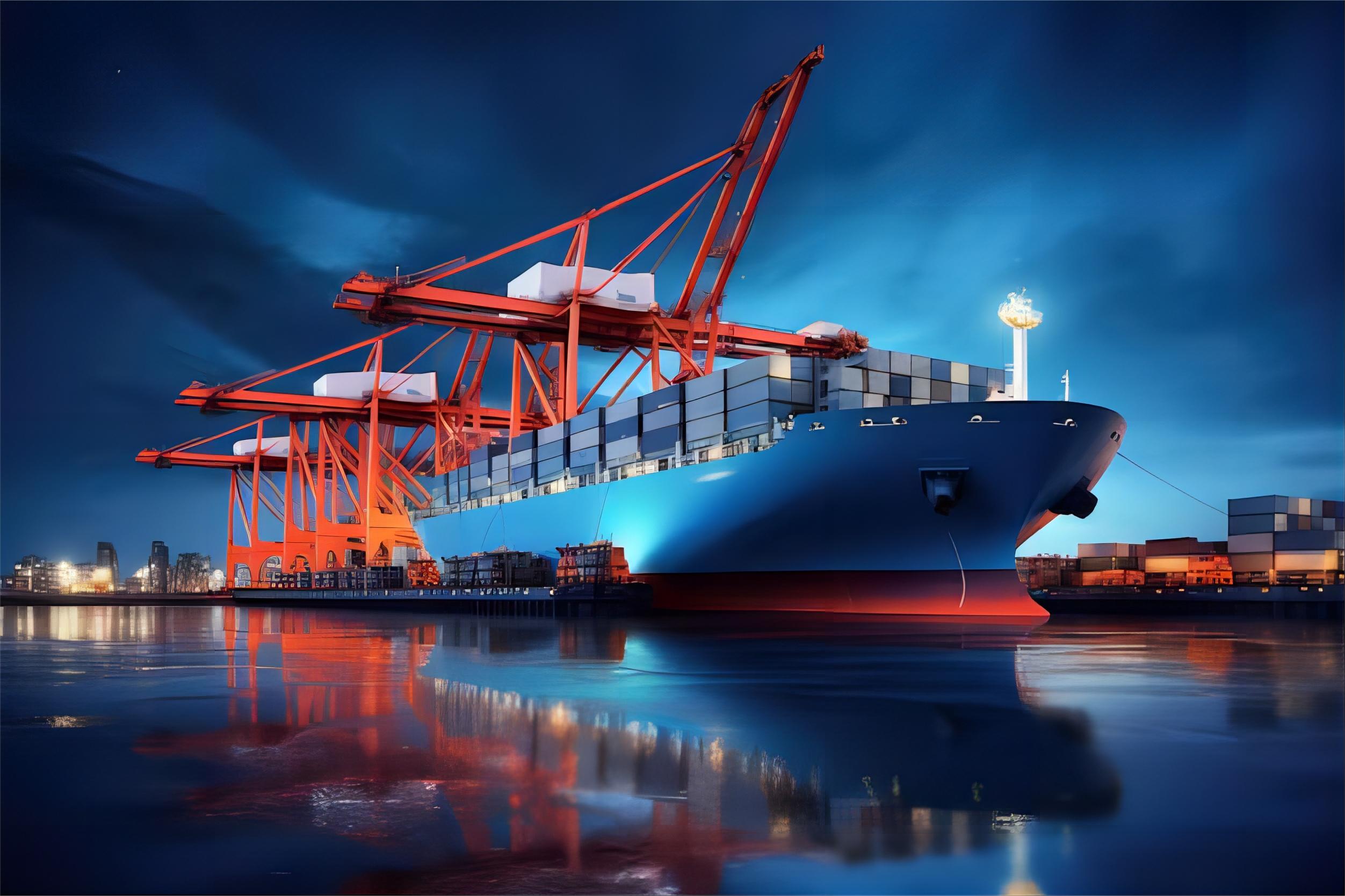
Understanding Your Fast Shipping China to UK Options
When considering expedited shipping from China to the UK, several methods offer varying degrees of speed and cost. Selecting the right option depends significantly on your cargo’s urgency, size, and budget. Each choice presents distinct advantages and limitations for your delivery schedule.
Generally, air freight and express courier services provide the quickest transit times. Sea freight, conversely, is more economical but involves longer delivery periods. Rail freight is not a direct option for China to UK routes, making air and sea the primary considerations for direct transport.
Furthermore, hybrid solutions are emerging, combining different modes for optimized speed and cost. Therefore, evaluating your specific needs against these options is paramount. Understanding these methods ensures a streamlined logistics process.
What Factors Influence Fast Shipping Transit Times?
Several critical factors impact the speed and efficiency of your air freight from China to UK. Understanding these elements helps in setting realistic expectations for delivery schedules. Indeed, careful planning can significantly mitigate potential delays.
Firstly, the chosen shipping method is paramount. Air cargo inherently offers faster transit compared to ocean freight. Secondly, the origin and destination cities play a role; direct flights or routes are quicker than those with multiple transshipments. Thirdly, customs clearance processes in both China and the UK can introduce delays. Efficient documentation is therefore essential.
Moreover, carrier capacity and seasonal demand also influence transit times. Peak seasons, like the run-up to holidays or specific economic events, can lead to congestion. Finally, unforeseen events, such as port strikes or extreme weather, may cause disruptions. Consequently, building buffer time into your supply chain is always advisable.
How Do Shipping Methods Compare for China to UK Routes?
Choosing the optimal shipping method from China to the UK requires a clear understanding of each option’s trade-offs. Balancing speed, cost, and cargo type is key to an efficient supply chain. This comparison will help you identify the best fit for your specific requirements.
As of early 2025, market data suggests distinct differences across various shipping modes. While air freight offers unparalleled speed, its cost can be prohibitive for larger volumes. Conversely, ocean freight provides significant cost savings but demands greater patience. Express services bridge this gap for smaller, urgent parcels.
For instance, consider a shipment of consumer electronics. If speed is critical for market entry, air freight is preferable. However, if you are replenishing stock for a warehouse, sea freight becomes the more economical choice. Therefore, aligning your shipping strategy with your business goals is crucial.
| Shipping Method | Cost Range (per kg/CBM) | Typical Transit Time | Best For | Limitations |
|---|---|---|---|---|
| Express Courier | $5-15/kg | 3-7 Days | Small parcels, urgent documents, high-value goods | High cost for bulk, weight/size restrictions |
| Air Freight | $3-8/kg | 5-10 Days | Medium-to-large urgent shipments, high-value, perishable goods | High cost, volume/weight limitations, fuel surcharges |
| Sea Freight (FCL) | $0.05-0.15/kg (based on container) | 30-38 Days | Large volumes, heavy goods, non-urgent, cost-sensitive | Slowest, port congestion, less flexibility |
| Sea Freight (LCL) | $50-100/CBM | 35-45 Days | Smaller volumes (under 15 CBM), non-urgent, cost-sensitive | Longer transit than FCL, potential for delays, handling fees |
Cost-Saving Strategies for Shipping from China to UK
Optimizing shipping costs from China to the UK is a priority for many businesses. Strategic planning and informed choices can significantly reduce your overall logistics expenditure. Indeed, even small adjustments can lead to substantial savings over time.
Firstly, consolidate your shipments whenever possible. Combining multiple smaller orders into a single, larger consignment can reduce per-unit shipping costs, especially for sea freight LCL. Secondly, consider off-peak shipping. Rates typically increase 15-25% during August-October peak season, so planning around these periods can save money. Thirdly, negotiate with freight forwarders for better rates based on volume and long-term partnerships.
Moreover, accurate documentation and proactive customs planning prevent costly delays and demurrage charges. Understanding import duties from China to UK is also vital for budgeting. Finally, explore hybrid shipping solutions. For instance, combining sea freight for the main leg with express air for the final mile can offer a balance of speed and cost. Always obtain multiple quotes to ensure competitive pricing.
Navigating UK Customs and Documentation
Effective customs clearance for shipments from China to UK is paramount for avoiding delays and unexpected costs. The post-Brexit landscape has introduced new requirements, making meticulous preparation more critical than ever. Consequently, understanding these regulations is a cornerstone of efficient importing.
Firstly, ensure all commercial invoices are accurate and detailed. They must clearly state the goods’ value, description, and Harmonized System (HS) codes. Secondly, a packing list is required, specifying the contents of each package. Thirdly, origin certificates may be necessary for certain goods, impacting duty rates.
Furthermore, UK importers need an Economic Operator Registration and Identification (EORI) number. Additionally, be aware of specific product regulations, such as CE marking for electronics or health certificates for food products. Working with a knowledgeable customs broker can streamline this complex process. Therefore, proactive engagement with experts can save significant time and resources.
Which Option Should You Choose? A Decision Framework
Deciding on the best shipping method for your goods from China to the UK involves weighing several factors. Your ultimate choice should align with your business priorities and the specific characteristics of your cargo. Consider these key criteria for making an informed decision.
If budget is your primary concern, and you have ample lead time, sea freight is undoubtedly the most economical option. This method is ideal for large, heavy, or non-urgent shipments. However, if speed is paramount, especially for high-value or time-sensitive goods, air freight or express courier services are indispensable. Their faster transit times justify the higher cost.
For small parcels or samples requiring urgent delivery, express services offer convenience and speed. Conversely, for larger volumes between 10-15 CBM, LCL sea freight provides a cost-effective alternative to a full container. Always evaluate your cargo type, volume, urgency, and budget before finalizing your shipping strategy. A balanced approach often leads to the most efficient outcome.
Real-World Scenarios: Case Studies in Fast Shipping China to UK
Examining real-world examples can provide valuable insights into the practicalities of fast shipping from China to UK. These scenarios highlight how different shipping methods and strategic decisions impact cost, transit time, and overall efficiency. Based on Q3 2024 market rates, these cases illustrate typical outcomes.
Understanding these diverse situations helps businesses anticipate challenges and optimize their own logistics operations. Each case study offers a glimpse into successful supply chain management. They demonstrate the importance of choosing the right service for specific cargo and urgency requirements.
Case Study 1: Urgent E-commerce Order Fulfillment
A UK e-commerce retailer needed to restock a popular, fast-selling gadget quickly to meet surging demand. Speed was critical to capitalize on market trends and avoid stockouts. This required a highly responsive logistics solution.
| Detail | Description |
|---|---|
| Route | Shenzhen, China -> London, UK |
| Cargo | Smartwatch accessories, 0.8 CBM, 150 kg |
| Shipping Method | Express Air Courier |
| Carrier/Service | Major express carrier (e.g., DHL, FedEx) |
| Port of Loading | Shenzhen Bao’an International Airport (SZX) |
| Port of Discharge | London Heathrow Airport (LHR) |
| Route Type | Direct |
| Cost Breakdown (Estimated) | |
| – Air Freight | $950 |
| – Origin Charges | $80 |
| – Destination Charges | $120 |
| – Customs & Duties (estimated) | $180 |
| – Total Landed Cost | $1,330 |
| Timeline | |
| – Booking to Loading | 1 day |
| – Air Transit | 3 days |
| – Customs Clearance | 1 day |
| – Total Door-to-Door | 5 days |
| Key Insight | Premium cost for unparalleled speed, essential for rapid market response and inventory turnover. |
Case Study 2: Bulk Industrial Component Replenishment
A manufacturing company in Birmingham required a large volume of non-urgent industrial components from Shanghai. Cost-efficiency was the primary driver, with a moderate lead time available. This scenario favored a more economical shipping solution.
| Detail | Description |
|---|---|
| Route | Shanghai, China -> Felixstowe, UK |
| Cargo | Machinery parts, 25 CBM, 12,000 kg |
| Container | 1 x 40GP |
| Shipping Method | Full Container Load (FCL) Sea Freight |
| Carrier/Service | Major ocean carrier (e.g., COSCO) |
| Port of Loading | Shanghai (CNSHA) |
| Port of Discharge | Felixstowe (GBFXT) |
| Route Type | Direct |
| Cost Breakdown (Estimated) | |
| – Ocean Freight | $3,800 |
| – Origin Charges (THC, documentation) | $350 |
| – Destination Charges (THC, documentation) | $400 |
| – Customs & Duties (estimated) | $600 |
| – Total Landed Cost | $5,150 |
| Timeline | |
| – Booking to Loading | 5 days |
| – Sea Transit | 32 days |
| – Customs Clearance | 3 days |
| – Total Door-to-Door | 40 days |
| Key Insight | Cost-effective for bulk, non-urgent shipments; requires longer lead times due to sea transit and port processes. Typical rates as of early 2025. |
Case Study 3: Consolidated Small Business Import
A small business in Manchester imported various craft supplies from multiple suppliers in Guangzhou. They needed to minimize costs while maintaining a reasonable delivery timeline. This situation was perfect for less than container load (LCL) consolidation.
| Detail | Description |
|---|---|
| Route | Guangzhou, China -> Southampton, UK |
| Cargo | Mixed craft supplies, 6 CBM, 1,800 kg |
| Container | LCL 6 CBM |
| Shipping Method | Less than Container Load (LCL) Sea Freight |
| Carrier/Service | Freight forwarder consolidation |
| Port of Loading | Nansha (CNNSA) |
| Port of Discharge | Southampton (GBSOU) |
| Route Type | Transshipment via Singapore |
| Cost Breakdown (Estimated) | |
| – Ocean Freight (per CBM) | $480 ($80/CBM) |
| – Origin Charges (THC, documentation) | $200 |
| – Destination Charges (THC, documentation) | $250 |
| – Customs & Duties (estimated) | $300 |
| – Total Landed Cost | $1,230 |
| Timeline | |
| – Booking to Loading | 7 days |
| – Sea Transit | 38 days |
| – Customs Clearance | 4 days |
| – Total Door-to-Door | 49 days |
| Key Insight | Ideal for smaller volumes when FCL is not feasible; involves slightly longer transit due to consolidation and transshipment. Rates based on Q4 2024 market data. |
Partnering with a Reliable Freight Forwarder
Choosing the right freight forwarder is a critical step in ensuring efficient and reliable shipping from China to the UK. A professional partner can navigate complex logistics, customs regulations, and unexpected challenges. Indeed, their expertise can save you significant time and money.
Experienced freight forwarders, like Top China Freight, offer comprehensive services from origin to destination. They provide competitive rates, manage documentation, and offer real-time tracking. Moreover, they can advise on the best shipping method for your specific needs, whether it’s express, air, or sea freight. Look for a partner with a strong network and proven track record.
Furthermore, a good freight forwarder acts as an extension of your team, providing peace of mind. They handle the intricacies of international shipping, allowing you to focus on your core business. This partnership is invaluable for optimizing your supply chain and ensuring timely deliveries.

Conclusion: Mastering Fast Shipping China to UK
Achieving efficient and <a href=”https://Top China Freight.com/services/express-service/”>fast shipping from China to the UK</a> is entirely possible with the right strategy and a reliable logistics partner. By carefully evaluating air freight, express services, and sea freight options, businesses can optimize their supply chain for both speed and cost. Understanding factors like transit times, customs procedures, and market conditions is key to successful import operations.
Furthermore, leveraging the expertise of a professional freight forwarder can significantly simplify the entire process. They provide invaluable support in documentation, route optimization, and problem-solving, ensuring your goods arrive on time and within budget. Ultimately, an informed approach to international shipping empowers businesses to thrive in a global marketplace.
Note: Freight rates are subject to change based on fuel costs, carrier capacity, and seasonal demand. Contact us for a current quote tailored to your specific shipment.
Need a tailored shipping solution?
Ready to streamline your fast shipping from China to UK? Contact us today for a personalized quote and expert advice tailored to your specific logistics needs. Our team is here to help you navigate international freight with confidence and efficiency.