

Fastest Way to Ship Food Products from China to USA: Top Shipping Methods
Identifying the fastest way to ship food products from China to USA is a critical task for businesses managing perishable goods or urgent inventory. Top China Freight offers specialized logistics solutions to ensure your food cargo reaches its destination with minimal delay. Consequently, selecting the right shipping method can be the difference between a successful product launch and significant inventory loss.
What Is the Fastest Way to Ship Food Products from China to USA?
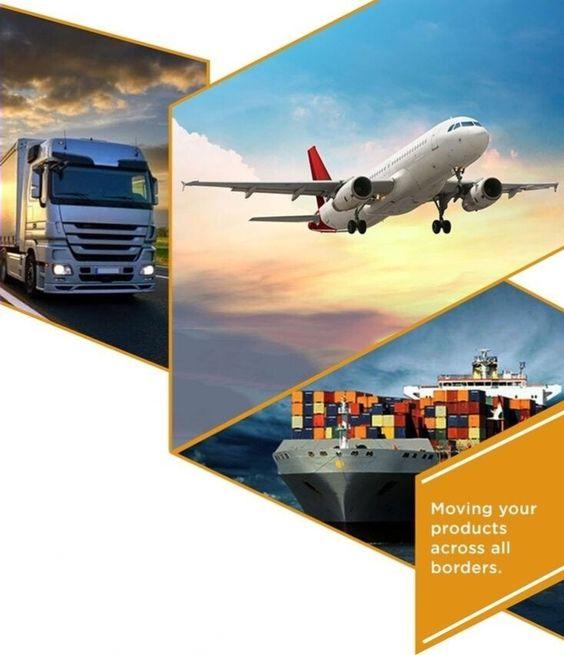
Express shipping stands as the absolute fastest way to ship food products from China to USA for small to medium-sized parcels. Major international couriers provide specialized networks that prioritize speed and reliability above all other factors. Indeed, these services often bypass traditional cargo handling delays by utilizing dedicated aircraft and streamlined sorting facilities.
Typically, an express service can deliver food products from major Chinese hubs like Shenzhen or Shanghai to the United States in as little as 3 to 5 business days. This speed is essential for high-value items or samples that require immediate testing or market entry. Furthermore, the integrated nature of express shipping simplifies the process for the shipper.

Moreover, the door-to-door nature of express shipping eliminates the need for multiple logistics intermediaries. This reduces the risk of handling errors and ensures that the delivery schedule remains predictable. Nevertheless, the cost for this speed is significantly higher than other modes of transport.
Choosing this method is most appropriate when the cargo volume is low but the urgency is high. For instance, sending seasonal snacks or new food samples for FDA review often justifies the premium price of express couriers. Consequently, businesses must weigh the cost against the potential revenue of faster market access.
How Does Express Shipping Compare to Other Shipping Options?
While express is the fastest, air freight offers a more balanced approach for larger commercial shipments of food products. Air freight transit times usually range from 5 to 10 days, depending on the specific service level and route. In contrast, sea freight is significantly slower but offers much lower rates for bulk cargo.
The following table provides an objective analysis of the primary shipping methods available for this route. It highlights the trade-offs between speed, cost, and capacity for various food products.
| Shipping Method | Cost Range | Transit Time | Best For |
|---|---|---|---|
| Express Shipping | $8 – $15 per kg | 3 – 5 Days | Samples and Small Parcels |
| Air Freight | $4 – $8 per kg | 5 – 10 Days | Commercial Food Batches |
| Sea Freight (LCL) | $100 – $200 per CBM | 25 – 40 Days | Shelf-stable Bulk Food |
| Sea Freight (FCL) | $3,000 – $5,000 | 18 – 35 Days | Large Volume Shipments |
Why Is Air Freight the Preferred Choice for Commercial Food Shipments?
Utilizing air freight provides the necessary capacity for large commercial orders while maintaining a rapid delivery schedule. Most food importers prefer this method because it offers a high level of security and reduced exposure to environmental fluctuations. Additionally, the transit time is short enough to preserve the freshness of many semi-perishable items.
Logistics trends in 2025 suggest that air freight remains the backbone of the global food supply chain. Airlines have increased their cargo capacity on trans-Pacific routes, leading to more competitive freight rates during off-peak seasons. However, space can become limited and expensive during the Q4 peak season from October to December.
Furthermore, air freight allows for better cargo handling and temperature monitoring compared to standard sea containers. This is vital for items like specialty teas, dried fruits, or high-end confectionery that are sensitive to humidity. Therefore, investing in air transport can protect the quality of your brand.
Standard air freight also benefits from more frequent departures than ocean vessels. If a shipment misses one flight, another is usually available within 24 hours. This flexibility is a major advantage for maintaining a consistent supply chain in the competitive US market.
Can You Use Sea Freight for Food Products to the USA?
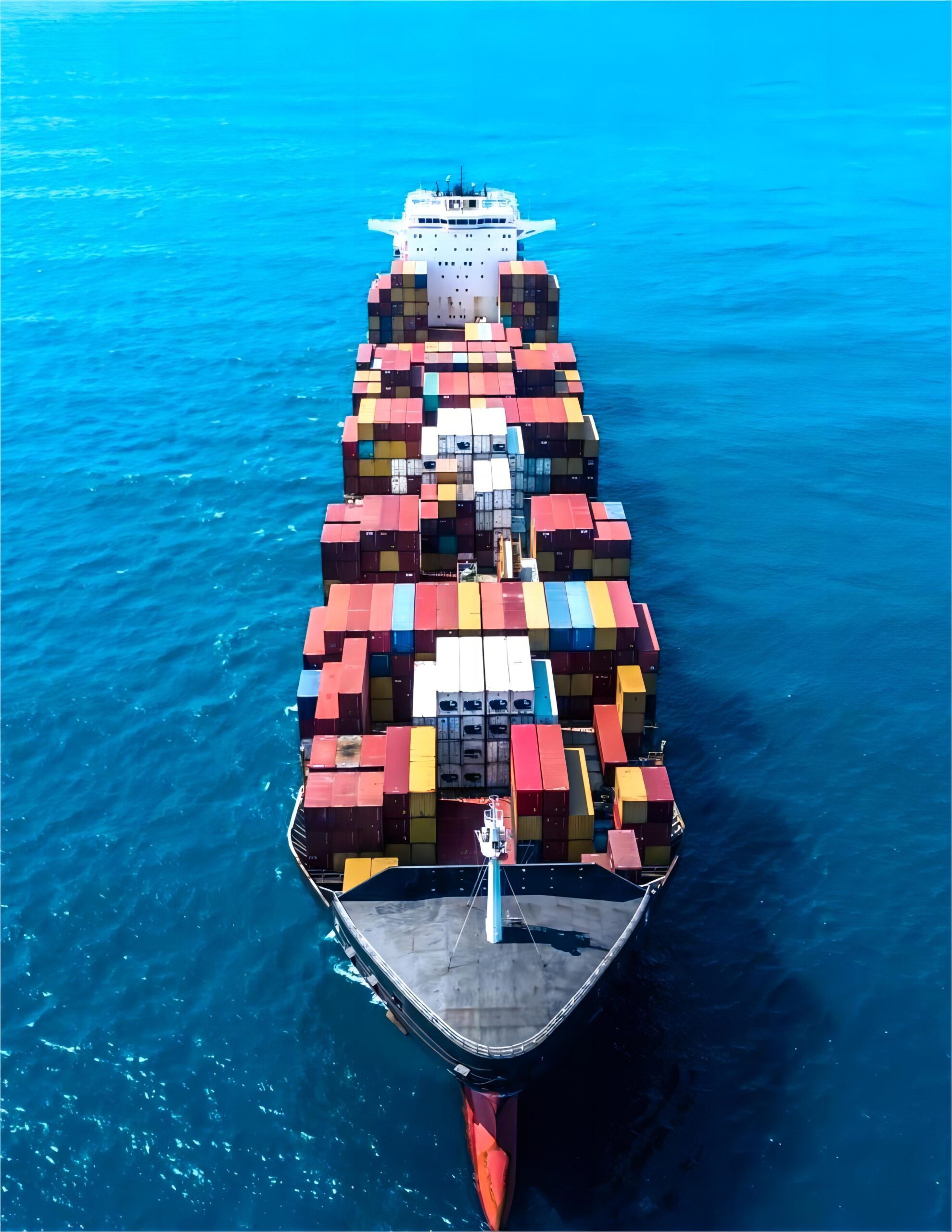
Although it is not the fastest way to ship food products from China to USA, sea freight is the most economical solution for non-perishable goods. Items with long shelf lives, such as canned goods, bottled sauces, or dried grains, are ideal candidates for ocean transport. Without a doubt, the cost savings for large volumes are substantial.
Refrigerated containers, also known as reefers, allow for the transport of temperature-sensitive food via the ocean. While this is slower than air, it is the only viable way to move massive quantities of frozen or chilled products across the Pacific. Consequently, businesses must plan their inventory months in advance to account for the longer transit time.
Typical transit times to the US West Coast ports like Los Angeles or Long Beach are between 14 and 18 days. On the other hand, shipping to the East Coast via the Panama Canal can take 30 to 35 days. These schedules are subject to port congestion and weather conditions, which can further delay delivery.
Market data suggests that ocean freight rates have stabilized in early 2025 after previous disruptions. Nevertheless, importers should always include a buffer in their delivery schedule to account for potential delays at the port of discharge.
How Does Customs Brokerage Impact Shipping Speed?
Navigating the complexities of the FDA and US Customs is often the biggest bottleneck in the shipping process. Engaging a professional customs brokerage ensures that all paperwork is filed correctly before the cargo even arrives. Indeed, pre-filing can save several days of waiting at the border.
Food products require specific documentation, including Prior Notice for the FDA, health certificates, and detailed ingredient lists. Any error in these documents can lead to an intensive examination or even a shipment rejection. Therefore, having an expert manage these details is essential for maintaining a fast delivery schedule.
Additionally, the broker will handle the payment of duties and taxes, preventing administrative holds on your goods. Because food safety is a high priority for US authorities, shipments are often subject to random inspections. A knowledgeable broker can facilitate these inspections and minimize the time your cargo spends in a warehouse.
Ultimately, the goal of a customs expert is to move your products through the port as quickly as possible. This is especially important for food items that may have a limited shelf life or require specific storage conditions. Consequently, this service is a vital component of any fast shipping strategy.
What Are the Document Requirements for Food Shipping?
Shipping food into North America requires a strict set of documents to comply with federal regulations. Failure to provide these can result in the cargo being seized or destroyed at the importer’s expense. The following checklist outlines the essential paperwork needed for a smooth import process.
| Document Type | Purpose | Required By | Timeline |
|---|---|---|---|
| Commercial Invoice | Valuation and Description | US Customs | At Booking |
| Packing List | Detailed Cargo Content | Carrier / Customs | At Loading |
| FDA Prior Notice | Food Safety Notification | FDA | Before Arrival |
| Bill of Lading | Title of Goods | Carrier | After Departure |
Which Shipping Option Should You Choose for Your Food Business?
Choosing the right method depends on your specific business needs, budget, and the nature of the food products. If speed is your absolute priority, express shipping is the clear winner for small volumes. However, for larger commercial shipments, air freight provides a more cost-effective way to maintain a fast schedule.
Budget priority: If your primary goal is to minimize shipping costs and your products are shelf-stable, sea freight is the best option. You should consider FCL if you have enough volume to fill a 20ft container, as this is more secure and faster than LCL. On the other hand, LCL is suitable for smaller batches that do not require a full container.
Cargo type considerations: Perishable items like fresh produce or certain dairy products almost always require air freight or express service. Meanwhile, frozen goods are best suited for reefer sea containers if the volume is high enough to justify the cost. Always consult with a logistics professional to determine the most stable environment for your specific goods.
Volume thresholds: Generally, if your shipment is under 100 kg, express is the most efficient. For shipments between 100 kg and 1000 kg, air freight offers the best value. Once you exceed 2-3 CBM, sea freight becomes the most logical choice for non-urgent food products.
Real Case Studies: Shipping Food from China to USA
Case Study 1: Urgent Organic Tea Shipment
Route: Shenzhen, China to Los Angeles, USA
Cargo: Premium Organic Green Tea, 5 CBM, 1,200 kg
Shipping Method: Express Service
Carrier: Major International Courier
Cost Breakdown: Freight $4,800, Customs $350, Total $5,150
Timeline: Booking to Delivery 4 days
Key Insight: The client needed the tea for a trade show. By using express, they avoided the 14-day sea transit and ensured the product arrived fresh and on time.
Case Study 2: Bulk Canned Snacks
Route: Ningbo, China to Savannah, USA
Cargo: Canned Spicy Peanuts, 40HQ Container
Shipping Method: Sea Freight (FCL)
Carrier: COSCO
Cost Breakdown: Ocean Freight $5,200, Documentation $200, Total Landed $5,400
Timeline: Total Door-to-Door 38 days
Key Insight: Because the product had a 24-month shelf life, the client prioritized cost over speed. Planning the shipment 2 months in advance allowed them to maintain stock levels without paying for expensive air freight.
Alternative Strategies for Food Logistics
Hybrid solutions like Sea-Air can provide a middle ground for businesses that need faster delivery than sea but cannot afford full air freight. This involves shipping goods via sea to a hub like Dubai or Incheon, then flying them to the USA. This strategy can save up to 40% on costs compared to direct air freight while cutting transit time in half compared to sea.
Another alternative is utilizing door to door services that specialize in food logistics. These providers manage every step of the process, including the difficult ‘last mile’ delivery in the United States. This reduces the administrative burden on the importer and ensures a smoother transition through various logistics stages.
Note: Freight rates are subject to change based on fuel costs, carrier capacity, and seasonal demand. Contact us for a current quote tailored to your specific shipment.
Final Thoughts on Shipping Food Products Quickly
Finding the fastest way to ship food products from China to USA requires a balance of speed, cost, and regulatory compliance. Express shipping and air freight are the top choices for those who need to move goods within a few days. Meanwhile, sea freight remains the king of cost-efficiency for large, shelf-stable volumes.
Regardless of the method you choose, working with an experienced freight forwarder is essential to avoid customs delays and ensure food safety. By understanding the options and planning ahead, you can build a resilient and fast supply chain for your food products.
Ready to streamline your logistics?
Ready to find the fastest way to ship food products from China to USA for your business? Contact Top China Freight today for a customized quote and expert guidance on FDA compliance and rapid delivery schedules. Let us help you streamline your food supply chain and reach the US market faster than ever before.
Request Quote