
FBA Freight China to Australia: Your Ultimate Shipping Guide
Navigating FBA freight from China to Australia can seem complex, but understanding the process is key to your Amazon business success. This comprehensive guide will demystify the intricacies of shipping products directly to Amazon FBA warehouses down under. Discover efficient strategies and expert tips to streamline your supply chain with Top China Freight.
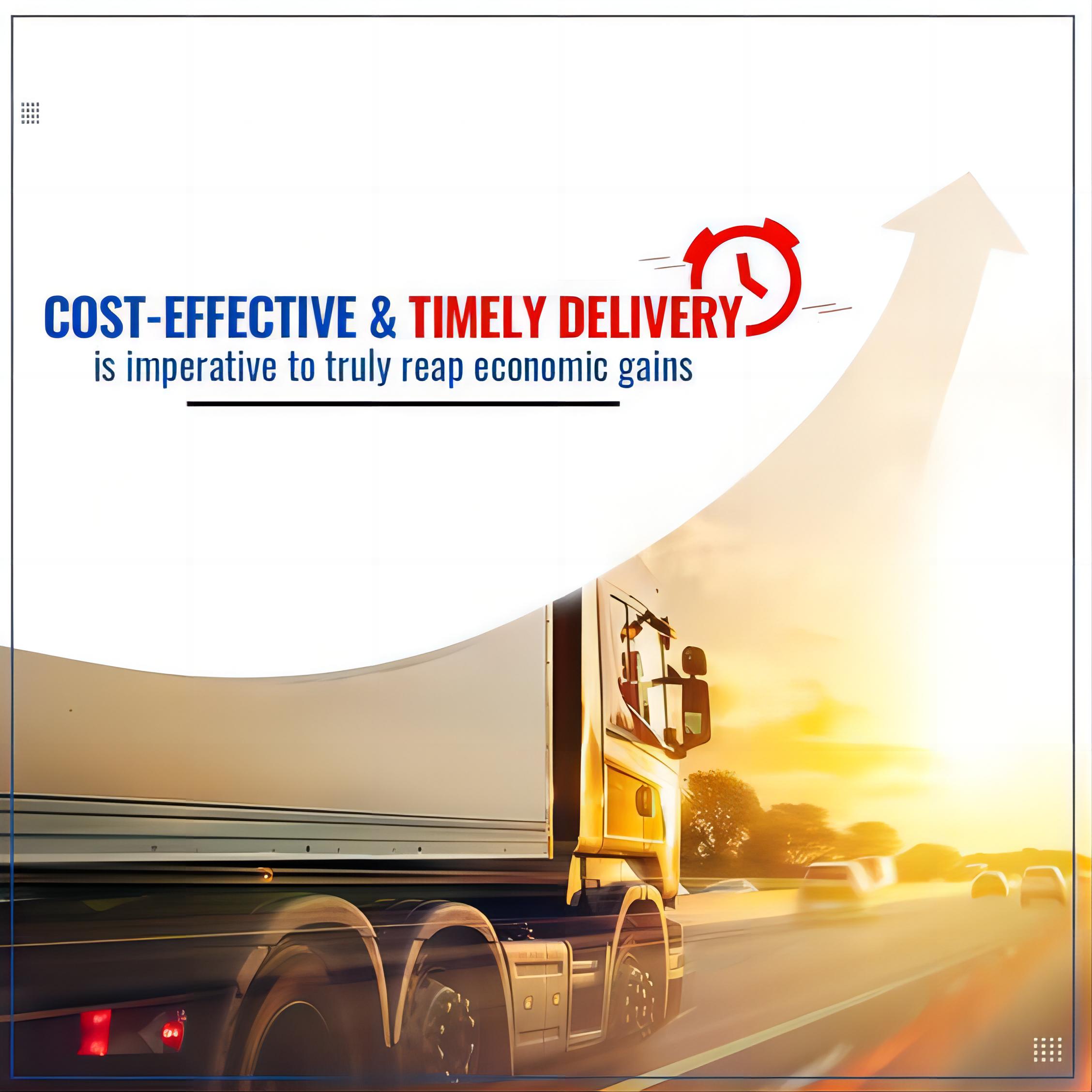
Navigating FBA Freight from China to Australia
Selling on Amazon Australia means efficiently getting your products from Chinese manufacturers to Amazon’s fulfillment centers. This journey, known as FBA freight China to Australia, involves several critical steps, including sourcing, shipping, customs, and final delivery.
Consequently, a robust understanding of these stages is essential for minimizing costs, reducing transit times, and avoiding unexpected delays. Proper planning ensures your inventory is always available for Australian customers.
Understanding Amazon FBA Requirements for Australia
Before initiating any shipment, it is paramount to grasp Amazon Australia’s specific FBA requirements. Adhering to these guidelines prevents costly rejections or delays at the fulfillment center. Therefore, meticulous preparation is non-negotiable for successful FBA operations.
Key Compliance Factors
Amazon demands strict compliance with packaging, labeling, and documentation standards. For example, all products must have scannable FBA labels, and cartons need clear shipping labels. Furthermore, certain product categories may require additional certifications or import permits for Australia.
Packaging and Labeling Essentials
Proper packaging protects your products during transit and ensures they are ready for Amazon’s shelves. Specifically, master cartons must be sturdy, well-sealed, and not exceed Amazon’s weight or dimension limits. Every unit and carton requires accurate Amazon FBA labels for efficient processing.
How Does FBA Freight China to Australia Work? A Step-by-Step Guide
The process of FBA freight from China to Australia typically follows a structured sequence. Understanding each phase helps you anticipate potential issues and collaborate effectively with your freight forwarder. This ensures a smoother journey for your goods.
Supplier to Freight Forwarder
Initially, your products are prepared and picked up from your supplier’s factory in China. A reliable freight forwarder consolidates your cargo, if necessary, and arranges for its transport to the port or airport of departure. This initial leg is crucial for setting the tone of the entire shipment.
International Transport Options
Subsequently, the goods embark on their international journey. You will choose between sea freight or air freight, depending on your budget, urgency, and cargo volume. Each method offers distinct advantages and disadvantages regarding cost and transit time, which will be discussed further.
Customs Clearance and Duties
Upon arrival in Australia, your shipment must clear customs. This involves submitting accurate documentation, paying applicable duties and taxes, and complying with all import regulations. A skilled customs broker significantly streamlines this often-complex process, preventing costly delays.
Last-Mile Delivery to Amazon FBA Warehouses
Finally, after customs clearance, the goods are transported from the Australian port or airport directly to the designated Amazon FBA fulfillment center. This final leg, often referred to as last-mile delivery, requires precise coordination and booking with Amazon’s receiving schedule. Therefore, a door-to-door service is highly advantageous here.
Comparing Shipping Methods: Sea Freight vs. Air Freight
Choosing between sea freight and air freight is a primary decision for FBA freight China to Australia. Each method presents a unique balance of cost, speed, and capacity. Your choice will largely depend on your product type, urgency, and budget constraints.
While sea freight is the most economical for bulk shipments, air freight offers unparalleled speed for time-sensitive goods. Consider the trade-offs carefully to align with your overall logistics strategy and FBA inventory management.
| Shipping Method | Cost Range (per kg/CBM) | Transit Time (days) | Best For | Limitations |
|---|---|---|---|---|
| Sea Freight (LCL) | $50-80/CBM | 12-25 | Large, non-urgent, heavy goods | Slower, longer lead times |
| Sea Freight (FCL) | $1,200-2,000/container | 12-20 | Very large volumes, full container loads | Less flexible for small shipments |
| Air Freight (Standard) | $5-10/kg | 5-10 | High-value, time-sensitive, lighter goods | Expensive, volume/weight restrictions |
| Air Freight (Express) | $8-15/kg | 3-7 | Urgent, samples, small packages | Most expensive, strict weight limits |

FBA Freight China to Australia: Costs and Transit Times
Understanding the financial implications and delivery schedules is crucial for effective inventory planning. The total landed cost for FBA freight China to Australia involves more than just the ocean or air freight rate. Several factors contribute to the final expense and timeline.
Factors Influencing Shipping Costs
Numerous variables affect your overall shipping costs. These include the chosen shipping method, cargo volume and weight, origin and destination ports, fuel surcharges, and any additional services like warehousing or insurance. Destination charges and customs duties also significantly impact the total cost.
Furthermore, market conditions, peak seasons, and carrier capacity can lead to fluctuating freight rates. For instance, LCL sea freight might range from $50-80 per CBM, while air freight could be $5-10 per kilogram depending on urgency and service level.
Typical Transit Schedules
Transit times from major Chinese ports like Shanghai, Shenzhen, or Ningbo to Australian ports such as Sydney, Melbourne, or Brisbane vary. Sea freight typically takes 12-20 days for port-to-port transit, plus additional time for origin, customs, and destination handling. Air freight, conversely, delivers in 5-10 days.
Overall, a full door-to-door FBA freight China to Australia service via sea can take anywhere from 25-40 days. Air freight reduces this to 10-18 days. These are general estimates; therefore, always consult your freight forwarder for current and precise schedules.
Market Insights and Rate Fluctuations
As of early 2025, freight rates from China to Australia have shown relative stability compared to previous volatile periods. However, seasonal demand, especially leading up to major holidays like Chinese New Year or the Australian Christmas season, can cause rates to increase by 15-25%.
Market data suggests that booking in advance and utilizing off-peak seasons can lead to significant cost savings. Always request a current quote to account for real-time market conditions. Note: Freight rates are subject to change based on fuel costs, carrier capacity, and seasonal demand. Contact us for a current quote tailored to your specific shipment.
Essential Documents for Smooth Customs Clearance
Efficient customs clearance is a cornerstone of successful FBA freight China to Australia. Inaccurate or incomplete documentation is a leading cause of delays and penalties. Thus, preparing all necessary paperwork meticulously is absolutely vital.
Working with a knowledgeable customs brokerage service can significantly expedite this process. They ensure all declarations comply with Australian import regulations and minimize potential issues.
| Document Type | Purpose | Notes |
|---|---|---|
| Commercial Invoice | Details goods, value, and terms of sale | Crucial for customs valuation and duties |
| Packing List | Itemizes contents of each package/container | Helps customs verify cargo; must match invoice |
| Bill of Lading (B/L) / Air Waybill (AWB) | Contract of carriage and title to goods | Proof of shipment for sea (B/L) or air (AWB) |
| Certificate of Origin (COO) | Confirms country of manufacture | May be required for trade agreements or specific goods |
| Import Permit / License | Required for restricted or controlled goods | Check Australian Border Force for specific product categories |
| Amazon FBA Labels | For inbound shipment identification | Must be applied correctly to each unit and carton |
Real-World FBA Freight Scenarios: Case Studies
These case studies illustrate practical applications of FBA freight from China to Australia, showcasing different shipping methods and their outcomes. They provide tangible examples of how businesses manage their logistics to Amazon FBA fulfillment centers.
Case Study 1: LCL Sea Freight for New Product Launch
A new e-commerce startup needed to ship a trial order of electronic gadgets for their Amazon FBA Australia launch. They opted for LCL sea freight to manage initial costs and test market demand. The shipment was consolidated with other cargo from Shenzhen.
Key Insight: Consolidating smaller shipments via LCL proved cost-effective for a new product, despite a longer transit time, allowing the startup to conserve capital. Based on Q3 2024 market rates.
| Detail | Description | ||||
|---|---|---|---|---|---|
| Route | Shenzhen, China -> Sydney, Australia | ||||
| Cargo | Electronic Gadgets, 3 CBM, 250 kg | ||||
| Container | LCL 3 CBM | ||||
| Shipping Details | Carrier: Major carrier, Port of Loading: Shenzhen, Port of Discharge: Sydney, Route Type: Direct | ||||
| Cost Breakdown | Ocean Freight: $250 | Origin Charges (THC, documentation): $120 | Destination Charges: $180 | Customs & Duties (estimated): $80 | Total Landed Cost: $630 |
| Timeline | Booking to Loading: 5 days | Sea Transit: 14 days | Customs Clearance: 3 days | Total Door-to-Door: 22 days |
Case Study 2: Air Freight for High-Value, Time-Sensitive Goods
An established seller required a quick replenishment of popular, high-value fashion accessories to meet peak season demand on Amazon Australia. Speed was the priority, thus air freight was chosen to minimize stock-out risk. The cargo was flown from Guangzhou.
Key Insight: Despite higher costs, air freight was justified by the urgency and potential lost sales from stock-outs during a critical selling period. Typical rates as of early 2025.
| Detail | Description | ||||
|---|---|---|---|---|---|
| Route | Guangzhou, China -> Melbourne, Australia | ||||
| Cargo | Fashion Accessories, 0.8 CBM, 150 kg | ||||
| Container | Air Cargo | ||||
| Shipping Details | Carrier: Cathay Pacific Cargo, Port of Loading: Guangzhou, Port of Discharge: Melbourne, Route Type: Direct | ||||
| Cost Breakdown | Air Freight: $900 | Origin Charges: $80 | Destination Charges: $100 | Customs & Duties (estimated): $50 | Total Landed Cost: $1130 |
| Timeline | Booking to Loading: 2 days | Air Transit: 4 days | Customs Clearance: 2 days | Total Door-to-Door: 9 days |
Case Study 3: FCL Sea Freight for Established Bestseller
A large Amazon FBA seller regularly imports a popular line of home goods, requiring consistent inventory levels. They consistently utilize FCL (Full Container Load) sea freight for its cost-efficiency and direct routing. This particular shipment originated from Ningbo.
Key Insight: FCL offers the best per-unit cost for high-volume, consistent imports, providing stability to the supply chain. Port congestion at Sydney was a minor challenge, adding 2 days to the total transit. Based on Q1 2025 market rates.
| Detail | Description | ||||
|---|---|---|---|---|---|
| Route | Ningbo, China -> Brisbane, Australia | ||||
| Cargo | Home Goods, 28 CBM, 10,000 kg | ||||
| Container | 20GP | ||||
| Shipping Details | Carrier: COSCO, Port of Loading: Ningbo, Port of Discharge: Brisbane, Route Type: Direct | ||||
| Cost Breakdown | Ocean Freight: $1,600 | Origin Charges: $250 | Destination Charges: $300 | Customs & Duties (estimated): $200 | Total Landed Cost: $2350 |
| Timeline | Booking to Loading: 7 days | Sea Transit: 18 days | Customs Clearance: 4 days | Total Door-to-Door: 32 days |
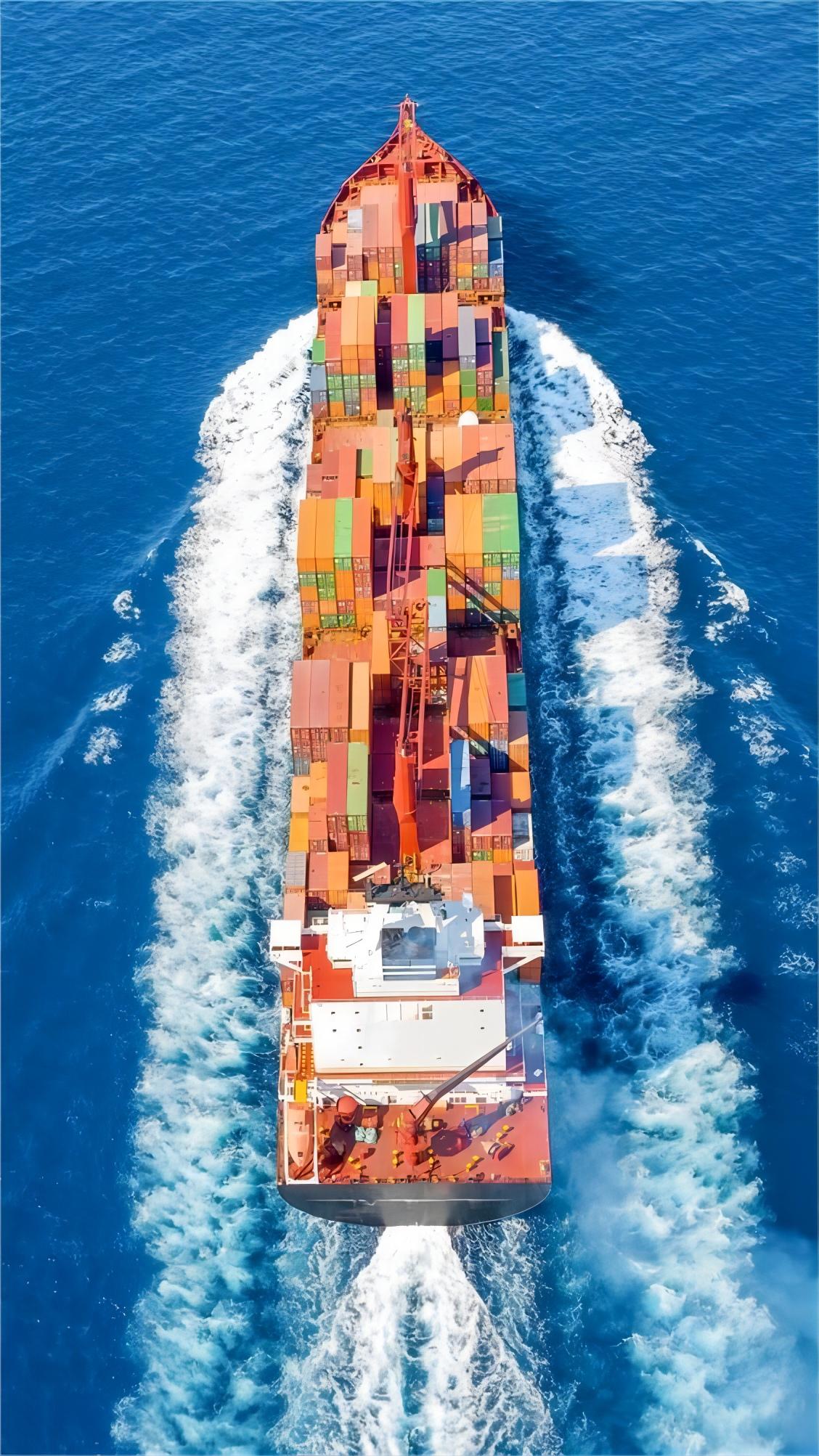
Optimizing Your FBA Supply Chain to Australia
An optimized supply chain is crucial for long-term success in Amazon FBA Australia. Strategic decisions regarding partners and inventory management can significantly impact your profitability and customer satisfaction. Therefore, continuous evaluation and refinement are essential.
Effective supply chain management helps mitigate risks such as stock-outs, delays, and unexpected costs. This proactive approach ensures your FBA freight China to Australia operations run seamlessly.
Choosing the Right Freight Partner
Selecting a reputable and experienced freight forwarder is perhaps the most critical decision. Look for partners specializing in Amazon FBA shipments, offering comprehensive services from China to Australia. Their expertise in customs, local regulations, and FBA requirements is invaluable.
A good partner provides transparent communication, competitive rates, and reliable transit times. They should also offer door-to-door services to simplify your logistics.
Inventory Management Strategies
Maintaining optimal inventory levels at Amazon FBA warehouses is vital to avoid stock-outs or excessive storage fees. Implement robust forecasting tools and communicate regularly with your suppliers and freight forwarder. This helps synchronize production and shipping schedules.
Consider a mix of shipping methods: use sea freight for staple products and air freight for urgent replenishments or new product launches. This balanced approach ensures continuity while managing costs effectively.
Which FBA Freight Option Should You Choose? A Decision Framework
Deciding the best FBA freight China to Australia strategy depends on several key factors unique to your business. Use this framework to guide your choices and optimize your logistics. This helps ensure your products reach Amazon FBA efficiently.
Budget Priority
If cost-efficiency is your primary concern, sea freight, particularly LCL for smaller volumes or FCL for larger, is the most suitable option. This method offers the lowest per-unit shipping cost, allowing for higher profit margins. However, be prepared for longer transit times.
For example, a 40HQ container via sea freight might cost $1,400-2,000, while air freight for the same volume would be significantly higher. Therefore, planning ahead is critical when prioritizing budget.
Speed Priority
When time is of the essence, such as for new product launches, seasonal demand, or urgent replenishments, air freight is the clear choice. It drastically reduces transit times, minimizing stock-out risks and capitalizing on market opportunities. However, this comes at a premium price.
Express air services offer the fastest delivery, often within 3-7 days, but are the most expensive. This option is best reserved for high-value, lightweight items where speed directly impacts revenue.
Cargo Type and Volume Considerations
The nature and quantity of your goods also dictate the best shipping method. Heavy, bulky, or low-value items are typically better suited for sea freight. Conversely, small, lightweight, or high-value electronics often benefit from air freight due to reduced risk and faster delivery.
For shipments under 15 CBM, LCL sea freight is often more economical than a full container, offering flexibility. However, for volumes exceeding 15 CBM, FCL becomes highly competitive due to better per-CBM rates.
Hybrid Solutions and Express Options
Sometimes, a hybrid approach combining sea and air freight can offer a balanced solution. For instance, you could ship a portion of your inventory by air to launch quickly, then follow up with a larger sea freight shipment. This mitigates risks and optimizes costs.
For extremely urgent, small parcels, express courier services (like DHL, FedEx, UPS) can provide door-to-door delivery in a few days. While more expensive than standard air freight, they offer unparalleled speed and tracking for critical shipments.
Navigating Challenges and Ensuring Success
Even with careful planning, challenges can arise in international shipping. Proactively addressing potential pitfalls is crucial for a smooth FBA freight China to Australia operation. Awareness and preparedness are your best defenses against disruptions.
Understanding common issues and having contingency plans in place will help you maintain a resilient supply chain. This minimizes financial losses and keeps your Amazon FBA business thriving.
Port Congestion and Peak Seasons
Port congestion in China or Australia can lead to unexpected delays, especially during peak shipping seasons (e.g., Q4 holiday rush, pre-Chinese New Year). Monitor global logistics trends and book shipments well in advance during these periods. Flexibility in your delivery schedule is also beneficial.
Working with a freight forwarder who has strong relationships with carriers can help navigate these busy times more effectively. They often have access to better booking slots and alternative routes.
Customs Delays and Compliance
Customs can be a bottleneck if documentation is incorrect or incomplete. Always ensure your commercial invoice, packing list, and other required documents are accurate and complete. Additionally, stay informed about any changes in Australian import regulations.
Partnering with an experienced customs broker is highly recommended to ensure compliance and prevent costly hold-ups. Their expertise is invaluable for navigating complex import procedures and tariff codes.
Your Reliable Partner for FBA Freight China to Australia
Mastering FBA freight from China to Australia is essential for any Amazon seller aiming for growth and efficiency. By understanding the shipping methods, costs, transit times, and crucial documentation, you can build a resilient and cost-effective supply chain. Choosing the right freight partner is paramount to navigating these complexities successfully.
Indeed, with careful planning and expert support, your FBA freight China to Australia operations can be seamless and profitable. Focus on your business growth while we handle the intricate logistics.
Get Your Shipping Quote Today
Ready to optimize your FBA freight from China to Australia? Get a tailored shipping solution designed for your Amazon business. Contact us today for a free, no-obligation quote and let our experts streamline your logistics.
Request Quote