
FBA Freight China to Belgium: Your Complete Shipping Guide
Navigating FBA freight from China to Belgium can present numerous logistical challenges for Amazon sellers. Understanding the intricacies of international shipping, customs regulations, and optimal routes is crucial for success. This comprehensive guide will equip you with the knowledge to efficiently manage your Amazon FBA shipments to Belgium, ensuring your products reach their destination smoothly and cost-effectively.

Why is Efficient FBA Freight China to Belgium Crucial?
For Amazon FBA sellers, efficient logistics are paramount to maintaining healthy inventory levels and avoiding stockouts in European fulfillment centers. Delays or unexpected costs can significantly impact profitability and customer satisfaction. Therefore, a well-planned Amazon FBA shipping strategy from China to Belgium is non-negotiable.
Belgium, strategically located in the heart of Europe, serves as an excellent distribution hub for the entire EU market. Optimizing your freight operations to this region can provide a competitive edge. Moreover, understanding the specific requirements for Belgian customs and Amazon’s FBA network is vital for seamless operations.
What are the Main Shipping Methods for FBA Freight from China to Belgium?
When transporting goods for FBA freight from China to Belgium, sellers typically have three primary options: sea freight, air freight, and rail freight. Each method offers distinct advantages and disadvantages concerning cost, speed, and capacity. Consequently, your choice will heavily depend on your specific business needs and inventory requirements.
Carefully evaluating these methods is essential for making an informed decision. Consider your budget, the urgency of your shipment, and the nature of your products. Furthermore, understanding the nuances of each option will help you optimize your supply chain effectively.
Sea Freight: Cost-Effective for Large Volumes
Sea freight remains the most economical option for shipping large volumes of goods. It is particularly suitable for non-urgent, heavy, or bulky products destined for Amazon FBA warehouses. While transit times are longer, the cost savings can be substantial, making it a popular choice for many sellers.
You can choose between Full Container Load (FCL) or Less than Container Load (LCL) options. FCL involves renting an entire container, ideal for shipments over 15 CBM, whereas LCL combines multiple smaller shipments into one container. For larger sea freight shipments, FCL generally offers better per-unit costs and quicker handling.
Air Freight: Speed and Reliability for Urgent Shipments
Air freight offers significantly faster transit times compared to sea or rail, making it ideal for high-value, time-sensitive, or smaller, lighter shipments. This method is crucial for replenishing fast-selling items or launching new products quickly to the Belgian market. However, the premium for speed comes with a higher price tag.
Despite the higher costs, the reduced transit time can lead to quicker sales cycles and improved cash flow. Moreover, air cargo often provides better tracking and security for your goods. Consequently, for urgent air freight needs, it is an invaluable solution.
Rail Freight: A Balanced Option
Rail freight has emerged as a viable alternative, offering a balance between the speed of air freight and the cost-effectiveness of sea freight. The China-Europe railway express provides a reliable and increasingly popular option for shipping goods to Belgium. Transit times are typically much shorter than sea freight but longer than air freight.
This method is especially beneficial for goods that are too urgent for sea, but too heavy or bulky for air. Furthermore, rail freight often boasts a lower carbon footprint compared to air shipping. Therefore, considering rail freight can be a strategic choice for many FBA sellers.
How Does FBA Freight from China to Belgium Compare Across Methods?
Choosing the right shipping method for your FBA freight from China to Belgium involves weighing various factors. Cost, transit time, and the nature of your cargo are primary considerations. This comparison helps illustrate the trade-offs involved in each decision, enabling you to select the most appropriate logistics strategy.
Understanding these differences is key to optimizing your supply chain and managing your inventory effectively. Ultimately, the best method depends on your specific business priorities. The following table provides a clear overview to guide your decision-making process.
| Shipping Method | Cost Range (per kg/CBM) | Transit Time (China to Belgium) | Best For | Limitations |
|---|---|---|---|---|
| Sea Freight (FCL/LCL) | $0.50-$2.00/kg (LCL); $3,000-$4,200/40HQ | 30-40 days | Large, heavy, non-urgent shipments; cost savings | Slowest transit, potential port congestion |
| Air Freight (Standard/Express) | $5.00-$10.00/kg (Standard); $10.00-$20.00/kg (Express) | 5-10 days (Standard); 2-4 days (Express) | Urgent, high-value, small, light shipments | Highest cost, limited by cargo size/weight |
| Rail Freight | $3.00-$5.00/kg (LCL); $8,000-$12,000/40HQ | 18-25 days | Mid-sized, moderately urgent shipments; environmental benefits | Less flexible routes, limited capacity compared to sea |

Navigating Customs and Compliance for Belgium FBA
Customs clearance is a critical step in any international shipping process, especially for FBA freight from China to Belgium. Belgium, as an EU member state, adheres to strict customs regulations. Consequently, proper documentation and compliance are essential to avoid delays and additional costs.
Working with an experienced customs brokerage service is highly recommended. They can help you navigate complex import duties, VAT, and other regulatory requirements. This expertise ensures a smooth and efficient entry for your goods into the European Union.
Key Documents Required for Belgian Customs
Several documents are mandatory for customs clearance when importing into Belgium. Preparing these accurately and in advance will prevent significant delays. Missing or incorrect paperwork can lead to penalties and storage fees.
Therefore, it is imperative to ensure all documentation is complete and correct before your shipment departs China. This proactive approach streamlines the entire import process. The following table outlines the essential documents.
| Document | Purpose | Key Details |
|---|---|---|
| Commercial Invoice | Details of goods, value, seller/buyer | Accurate product description, HS codes, unit price, total value |
| Packing List | Details of package contents, weights, dimensions | Number of cartons, gross/net weight, dimensions per carton |
| Bill of Lading (Sea) / Air Waybill (Air) / CIM (Rail) | Contract between shipper and carrier | Consignee, consignor, notify party, port of loading/discharge |
| EORI Number | Economic Operator Registration and Identification | Required for all businesses importing/exporting to/from the EU |
| Proof of Origin (e.g., Certificate of Origin) | Confirms country of manufacture | May be required for preferential tariffs or specific product types |
| Power of Attorney | Authorizes customs broker to act on your behalf | Specific to the customs broker and importer |
Understanding Import Duties and VAT
When importing FBA freight into Belgium, you will be subject to import duties and Value Added Tax (VAT). Import duties are calculated based on the Harmonized System (HS) code of your product and its declared value. These rates vary significantly depending on the product category.
VAT, currently 21% in Belgium, is levied on the total value of the goods, including duties and shipping costs. However, for Amazon FBA sellers, VAT can often be reclaimed or managed under specific schemes if you are VAT registered in an EU country. Consulting a tax advisor is highly recommended to optimize your VAT strategy.
Optimizing Your FBA Supply Chain: China to Belgium
An optimized supply chain is fundamental for the long-term success of your Amazon FBA business. This involves more than just selecting a shipping method; it encompasses inventory management, supplier coordination, and efficient last-mile delivery. Consequently, a holistic approach is best.
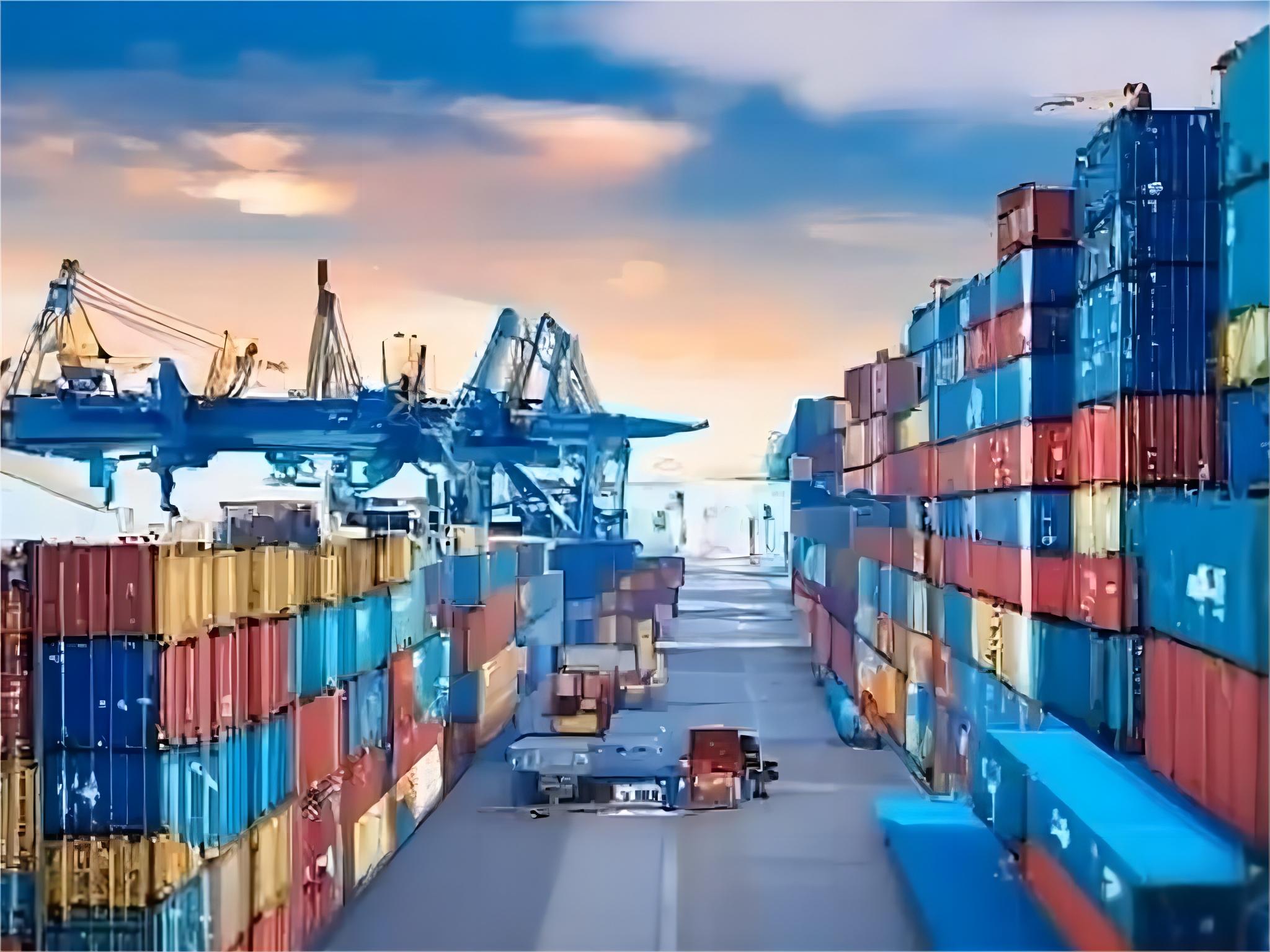
Consider integrating a door-to-door service to simplify your logistics. This often includes pickup from your supplier in China, international transport, customs clearance, and delivery directly to the Amazon FBA fulfillment center in Belgium. Such comprehensive services reduce your administrative burden significantly.
Inventory Management and Forecasting
Accurate inventory forecasting is crucial to avoid both overstocking and stockouts. Analyze your sales data, seasonal trends, and upcoming promotions to predict demand. This foresight allows you to plan your FBA freight from China to Belgium well in advance.
By maintaining optimal inventory levels, you can minimize storage fees and ensure continuous product availability. Furthermore, effective forecasting helps in selecting the most cost-effective shipping method for each replenishment cycle. Proactive planning is therefore essential.
Choosing the Right Freight Forwarder
Selecting a reliable freight forwarder is perhaps the most critical decision in your FBA supply chain. A good freight forwarder offers competitive rates, transparent communication, and expertise in both Chinese export and European import regulations. They can also provide valuable insights into logistics trends.
Look for a forwarder with specific experience in FBA shipments and a strong network for shipping from China to Europe. Their ability to handle customs, consolidate shipments, and arrange last-mile delivery directly to Amazon warehouses is invaluable. This partnership can significantly streamline your operations.
Real-World FBA Freight China to Belgium Case Studies
Examining real-world scenarios provides practical insights into the complexities and solutions for FBA freight from China to Belgium. These examples highlight how different factors, such as cargo type, urgency, and budget, influence shipping decisions. Each case study offers a unique perspective on optimizing logistics.
These scenarios are based on typical market conditions and rates observed in late 2024 to early 2025. Please note that actual freight rates are subject to change based on fuel costs, carrier capacity, and seasonal demand. Always contact us for a current quote tailored to your specific shipment.
Case Study 1: High-Volume Seasonal Goods via Sea Freight
This case illustrates the efficiency of sea freight for large, non-urgent shipments of seasonal products. The client aimed to stock up for peak sales periods, prioritizing cost-effectiveness over speed for their sea freight. Careful planning ensured timely arrival well before the season began.
| Detail | Description |
|---|---|
| Route | Shenzhen, China -> Antwerp, Belgium |
| Cargo | Christmas Decorations, 28 CBM, 4,500 kg |
| Container | LCL (Less than Container Load) |
| Shipping Details | Major carrier, Port of Loading: Shenzhen, Port of Discharge: Antwerp, Route Type: Transshipment via Colombo |
| Cost Breakdown | Ocean Freight: $1,800; Origin Charges: $450; Destination Charges: $350; Customs & Duties (estimated): $700; Total Landed Cost: $3,300 |
| Timeline | Booking to Loading: 7 days; Sea Transit: 35 days; Customs Clearance: 3 days; Total Door-to-Door: 48 days |
| Key Insight | Cost-effective for bulk, non-urgent goods. Planning 2-3 months ahead avoids peak season surcharges. Typical rates as of Q4 2024. |
Case Study 2: Urgent Tech Gadgets via Air Freight
This scenario demonstrates the necessity of air freight for high-value, fast-moving consumer electronics. The client needed to quickly replenish stock for a new product launch, where speed was paramount. Therefore, they opted for an expedited air freight service to minimize lost sales opportunities.
| Detail | Description |
|---|---|
| Route | Shanghai, China -> Brussels, Belgium |
| Cargo | Smartwatch Accessories, 3 CBM, 300 kg |
| Container | Air Cargo Pallets |
| Shipping Details | Express Service, Airport of Loading: PVG, Airport of Discharge: BRU, Route Type: Direct Flight |
| Cost Breakdown | Air Freight: $2,700; Origin Charges: $200; Destination Charges: $150; Customs & Duties (estimated): $500; Total Landed Cost: $3,550 |
| Timeline | Booking to Loading: 2 days; Air Transit: 3 days; Customs Clearance: 1 day; Total Door-to-Door: 9 days |
| Key Insight | Ideal for urgent, high-value items. Higher cost justified by rapid market entry and reduced stockout risk. Based on Q1 2025 market rates. |
Case Study 3: Mid-Volume Textiles via Rail Freight
This case highlights the balanced approach of rail freight for textiles, offering a good compromise between speed and cost. The client sought a reliable, moderately fast option for regular replenishments. The use of rail freight provided a predictable delivery schedule without the high cost of air shipping.
| Detail | Description |
|---|---|
| Route | Chongqing, China -> Liège, Belgium |
| Cargo | Fashion Apparel, 15 CBM, 2,500 kg |
| Container | LCL (Less than Container Load) |
| Shipping Details | China-Europe Railway Express, Rail Terminal of Loading: Chongqing, Rail Terminal of Discharge: Liège, Route Type: Direct Rail |
| Cost Breakdown | Rail Freight: $7,500; Origin Charges: $350; Destination Charges: $250; Customs & Duties (estimated): $1,000; Total Landed Cost: $9,100 |
| Timeline | Booking to Loading: 5 days; Rail Transit: 20 days; Customs Clearance: 2 days; Total Door-to-Door: 30 days |
| Key Insight | Excellent balance of cost and speed for mid-range urgency. Environmentally friendlier option. Market data suggests stable rates for early 2025. |
Which Option Should You Choose for Your FBA Freight?
Deciding on the best shipping method for your FBA freight from China to Belgium requires a clear understanding of your priorities. There is no one-size-fits-all solution, as each business has unique needs. Therefore, a strategic evaluation based on key criteria is necessary.
Consider your budget, the urgency of your inventory, and the specific characteristics of your products. Furthermore, assess the potential risks and benefits associated with each transport mode. This systematic approach will guide you towards the most effective logistics strategy.
Budget Priority: Cost-Saving Strategies
If cost is your primary concern, especially for large volumes or heavy goods, sea freight is undoubtedly the most economical choice. Opt for LCL for smaller shipments that don’t fill an entire container, or FCL for greater than 15 CBM. Consolidating shipments with a reliable freight forwarder can further reduce per-unit costs.
Consider longer lead times and plan your inventory accordingly. Booking well in advance can also secure better rates. Furthermore, exploring port-to-port services and managing inland logistics yourself might offer additional savings, if you have the resources.
Speed Priority: Rapid Delivery Solutions
For urgent replenishments, new product launches, or high-value items where time to market is critical, air freight is the superior option. Express air services offer the fastest transit times, sometimes as quick as 2-4 days. This speed helps minimize stockouts and capitalize on market demand.
While more expensive, the potential for increased sales and reduced carrying costs can offset the higher freight charges. Additionally, for moderately urgent shipments, rail freight offers a good compromise, delivering goods faster than sea without the premium cost of air. Hybrid solutions like sea-air freight can also be explored for specific trade-offs.
Cargo Type and Volume Thresholds
The nature of your cargo also dictates the best shipping method. Perishable goods or fragile items may require specialized handling or faster transit. Heavy, bulky items are generally best suited for sea or rail freight due to cost efficiency.
For shipments under 1 CBM, express courier services might be surprisingly competitive. Between 1-15 CBM, LCL sea freight or rail LCL are often optimal. For volumes exceeding 15 CBM, FCL sea freight becomes the most cost-effective solution. Always re-evaluate these thresholds based on current freight rates and your specific product dimensions.
Conclusion: Streamlining Your FBA Freight from China to Belgium
Successfully managing <a href=”https://Top China Freight.com/services/amazon-fba/”>FBA freight from China to Belgium</a> requires a strategic approach, careful planning, and a reliable logistics partner. By understanding the nuances of sea, air, and rail freight, and by navigating customs and compliance effectively, Amazon sellers can significantly enhance their operational efficiency and profitability.
Ultimately, the right choice depends on your unique business needs, balancing cost, speed, and reliability. Partnering with an experienced freight forwarder who specializes in FBA shipments to Europe is invaluable. They can provide the expertise and support needed to ensure your products reach Amazon’s Belgian fulfillment centers smoothly, consistently, and on time.
Need a tailored shipping solution?
Ready to optimize your FBA freight from China to Belgium? Contact our expert team today for a tailored quote and seamless logistics solutions. We are here to help you streamline your Amazon FBA supply chain and achieve your business goals.