
FBA Freight China to Canada: Your Complete Shipping Guide
Navigating Amazon FBA logistics from China to Canada presents unique challenges for e-commerce businesses. Consequently, understanding the intricacies of FBA freight from China to Canada is paramount for a smooth supply chain. Top China Freight specializes in streamlining this process, ensuring your products reach Amazon fulfillment centers efficiently and cost-effectively.
What is FBA Freight from China to Canada?
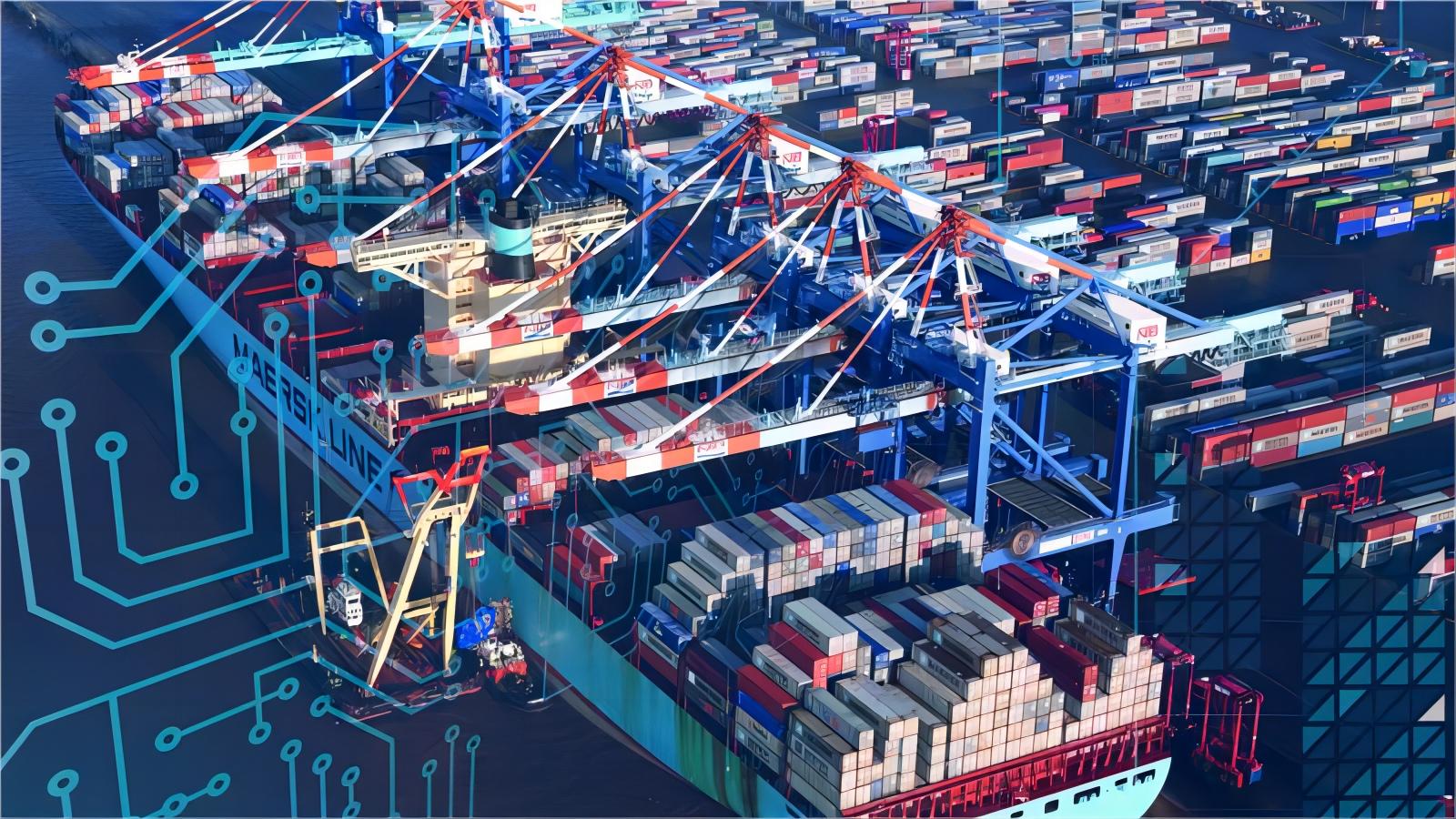
FBA freight from China to Canada refers to the process of shipping goods directly from Chinese suppliers to Amazon’s fulfillment centers (FBA) in Canada. This involves several critical steps, including origin logistics, international transportation, and Canadian customs clearance. Ultimately, the goal is seamless delivery to Amazon’s warehouses.
This specialized service ensures that products meet Amazon’s strict packaging and labeling requirements before arriving at their destination. Therefore, partnering with an experienced freight forwarder is essential. They manage the complexities, allowing sellers to focus on their core business operations.
Choosing the Right Shipping Method: Sea vs. Air Freight
Selecting the optimal shipping method is a critical decision impacting both cost and delivery speed. Generally, sea freight offers the most economical solution for larger volumes, while air freight provides significantly faster transit times. Your choice will depend on product value, urgency, and budget constraints.
Consider the trade-offs carefully. For instance, high-value, time-sensitive goods often benefit from air freight. Conversely, bulkier, less urgent items are typically better suited for ocean transport. Here is a comparison of these primary methods.
| Shipping Method | Cost Range (per kg/CBM) | Transit Time | Best For | Limitations |
|---|---|---|---|---|
| Sea Freight (LCL/FCL) | $50-100/CBM or $2,500-4,500/container | 25-45 days | Large, heavy, non-urgent goods | Slow transit, port congestion risk |
| Air Freight (Standard) | $5-10/kg | 7-15 days | Medium value, moderately urgent goods | Higher cost, volume/weight restrictions |
| Express Service | $8-15/kg | 3-7 days | Small, high-value, urgent samples/goods | Highest cost, strict weight/dimension limits |
How Does Sea Freight Work for FBA Canada Shipments?
Sea freight remains a cornerstone for cost-effective FBA shipments from China to Canada. This method involves loading goods onto cargo ships, which then traverse the Pacific Ocean to Canadian ports. Key ports include Vancouver and Prince Rupert on the West Coast.
For smaller shipments, Less than Container Load (LCL) is a popular option. Here, your goods share container space with other shippers’ cargo. Conversely, Full Container Load (FCL) is ideal for larger volumes, offering dedicated container space and often faster transit within the ocean leg. Learn more about sea freight options.
LCL vs. FCL: Which is Right for Your FBA Business?
Deciding between LCL and FCL depends primarily on your shipment’s volume and weight. LCL is generally more economical for shipments under 15-20 CBM, as you only pay for the space your goods occupy. However, LCL shipments often involve more handling and can have slightly longer transit times due to consolidation.
FCL offers direct port-to-port shipping and can be more cost-effective for larger volumes, typically above 15-20 CBM. It reduces handling risks and often provides a more predictable schedule. Ultimately, the choice impacts both your shipping costs and delivery schedule significantly.
Navigating Air Freight for Urgent FBA Deliveries to Canada
When speed is paramount, air freight offers a robust solution for FBA freight China to Canada. This method significantly reduces transit times, making it suitable for new product launches, seasonal inventory, or replenishing popular items quickly. Although more expensive, it can prevent stockouts and capitalize on market demand.
Air freight services typically fly from major Chinese airports like Shanghai (PVG) or Guangzhou (CAN) to Canadian hubs such as Vancouver (YVR) or Toronto (YYZ). This expedited service is crucial for maintaining a competitive edge in the fast-paced Amazon marketplace. Explore our air freight solutions.
Crucial Steps in the FBA Freight Process
The FBA freight process involves several intricate steps, from factory to Amazon’s door. First, goods are picked up from your supplier in China. Next, they undergo quality checks, consolidation, and proper FBA labeling. This preparation is vital for Amazon’s strict receiving procedures.
After preparation, the cargo is booked with a carrier and transported to the port or airport. International shipping then commences, followed by customs clearance upon arrival in Canada. Finally, the goods are delivered to the specified Amazon FBA warehouse. This comprehensive approach ensures compliance and efficiency.
Amazon FBA Prep and Labeling Requirements
Amazon has specific requirements for how products must be prepared and labeled before arriving at their fulfillment centers. These include FNSKU labels, box labels, and pallet labels. Improper preparation can lead to delays, rejections, or additional fees. Therefore, meticulous attention to these details is critical for FBA freight China to Canada.
Many freight forwarders offer Amazon FBA prep services directly from China. This ensures all requirements are met at the origin, saving time and avoiding potential issues at the Canadian border or Amazon’s warehouses. It streamlines the entire process significantly.
Customs Clearance and Import Duties for Canada FBA
Canadian customs clearance is a mandatory step for all imports, including FBA shipments. Importers must have a Business Number (BN) and be aware of applicable duties, taxes (GST/HST), and any specific regulations for their products. Accurate documentation is absolutely vital for smooth processing.
A reliable freight forwarder often provides customs brokerage services. They handle the necessary paperwork, calculate duties, and communicate with Canadian Border Services Agency (CBSA) on your behalf. This expertise minimizes delays and ensures compliance with all import laws.
Real-World FBA Freight China to Canada Case Studies
Understanding theoretical logistics is one thing, but seeing real-world scenarios provides invaluable insight. These case studies illustrate the practical application of FBA freight from China to Canada, highlighting different approaches and outcomes. They demonstrate how strategic choices impact cost and transit times for various businesses.
Case Study 1: E-commerce Startup’s Seasonal Inventory
| Detail | Description |
|---|---|
| Route | Shenzhen, China -> Toronto, Canada |
| Cargo | 2000 units of lightweight apparel (seasonal), 12 CBM, 800 kg |
| Container | LCL 12 CBM |
| Shipping Details | Carrier: Major NVOCC, Port of Loading: Yantian, Port of Discharge: Vancouver (then rail to Toronto), Route Type: Transshipment via Vancouver |
| Cost Breakdown | Ocean Freight: $960, Origin Charges: $250, Destination Charges: $380, Customs & Duties (estimated): $550, Total Landed Cost: $2,140 |
| Timeline | Booking to Loading: 7 days, Sea Transit: 28 days, Rail Transit: 7 days, Customs Clearance: 3 days, Total Door-to-Door: 45 days |
| Key Insight | LCL was cost-effective for moderate volume. Transshipment via Vancouver to rail for Toronto delivery optimized cost but added transit time. Early planning was crucial for seasonal delivery. |
Case Study 2: Electronics Brand’s Urgent Product Launch
| Detail | Description |
|---|---|
| Route | Shanghai, China -> Vancouver, Canada |
| Cargo | 500 units of consumer electronics, 3 CBM, 250 kg |
| Container | Air Freight |
| Shipping Details | Carrier: Cathay Pacific Cargo, Airport of Loading: PVG, Airport of Discharge: YVR, Route Type: Direct air cargo |
| Cost Breakdown | Air Freight: $1,750, Origin Charges: $120, Destination Charges: $90, Customs & Duties (estimated): $300, Total Landed Cost: $2,260 |
| Timeline | Booking to Loading: 2 days, Air Transit: 5 days, Customs Clearance: 1 day, Total Door-to-Door: 8 days |
| Key Insight | Air freight enabled a rapid product launch, capitalizing on market demand. Higher per-unit cost was justified by speed and avoiding stockouts. Based on Q1 2025 market rates. |
Which FBA Shipping Option Should You Choose?
Making the right choice for your FBA freight China to Canada requires a clear understanding of your priorities. There are several factors to consider beyond just cost and speed. Your decision should align with your business model and product characteristics. This framework helps in guiding your selection.
Consider your budget first. Next, evaluate the urgency of your delivery. Finally, factor in the nature and volume of your cargo. Each element plays a significant role in determining the most suitable shipping strategy for your Amazon FBA business.
Decision Framework for FBA Shipping
If budget is your top priority, especially for large, non-urgent shipments, sea freight (LCL or FCL) is the recommended option. It offers the lowest per-unit cost, allowing for higher profit margins. Plan well in advance for these longer transit times.
For speed priority, particularly for time-sensitive products or to avoid stockouts, air freight or express service is ideal. While more expensive, the faster delivery can significantly boost sales and customer satisfaction. This is crucial for new product launches.
Cargo type also influences the decision. For example, fragile items might benefit from air freight’s less handling, despite higher costs. Conversely, durable, heavy goods are perfectly suited for the robust nature of sea container shipping. Volume thresholds also dictate the efficiency of LCL versus FCL.
Optimizing Your FBA Freight China to Canada Supply Chain
Optimizing your supply chain is crucial for long-term success in the Amazon FBA market. This involves more than just choosing a shipping method; it encompasses efficient planning, risk management, and leveraging expert services. Therefore, continuous evaluation of your logistics strategy is vital.
Consider consolidating multiple supplier orders into a single shipment. This strategy can significantly reduce per-unit shipping costs and streamline customs processes. Furthermore, explore door-to-door services for a hassle-free experience, as these often include all logistics from origin to final destination.
Cost-Saving Strategies and Hybrid Solutions
To minimize costs, consider shipping during off-peak seasons when freight rates are typically lower. Additionally, optimizing packaging to reduce volumetric weight can lead to substantial savings, particularly for air freight. Negotiating favorable terms with your suppliers also contributes to overall cost efficiency.
Hybrid solutions, such as sea-air combinations, can offer a balance between cost and speed. For instance, goods might travel by sea from China to a West Coast port in the US, then transfer to air freight for the final leg to Canada. This approach can cut transit time compared to pure sea freight without the full expense of direct air shipping.
Mastering Your FBA Freight from China to Canada
Effectively managing FBA freight from China to Canada is a cornerstone of a thriving e-commerce business. By understanding the nuances of sea and air freight, navigating customs, and optimizing your supply chain, you can ensure timely and cost-effective delivery to Amazon’s fulfillment centers. This strategic approach minimizes risks and maximizes profitability.
Partnering with a knowledgeable freight forwarder is invaluable for navigating these complexities. They provide the expertise and services needed to ensure your products arrive smoothly and compliantly. Ultimately, a well-executed logistics strategy is your competitive advantage in the Canadian Amazon marketplace.
Need a tailored shipping solution?
Ready to streamline your FBA freight from China to Canada? Contact our expert team today for a personalized quote and discover how we can optimize your Amazon supply chain. Let us handle the complexities while you focus on growing your business.