
FBA Freight China to USA: Your Ultimate Shipping Guide
Shipping goods for Amazon FBA from China to the USA presents a complex challenge for many sellers. Consequently, navigating various freight options, customs regulations, and transit times requires expert knowledge. This comprehensive guide from Top China Freight offers solutions to streamline your FBA freight China to USA process, ensuring efficient and cost-effective delivery to Amazon warehouses.
Understanding Your Shipping Options: Sea, Air, and Express
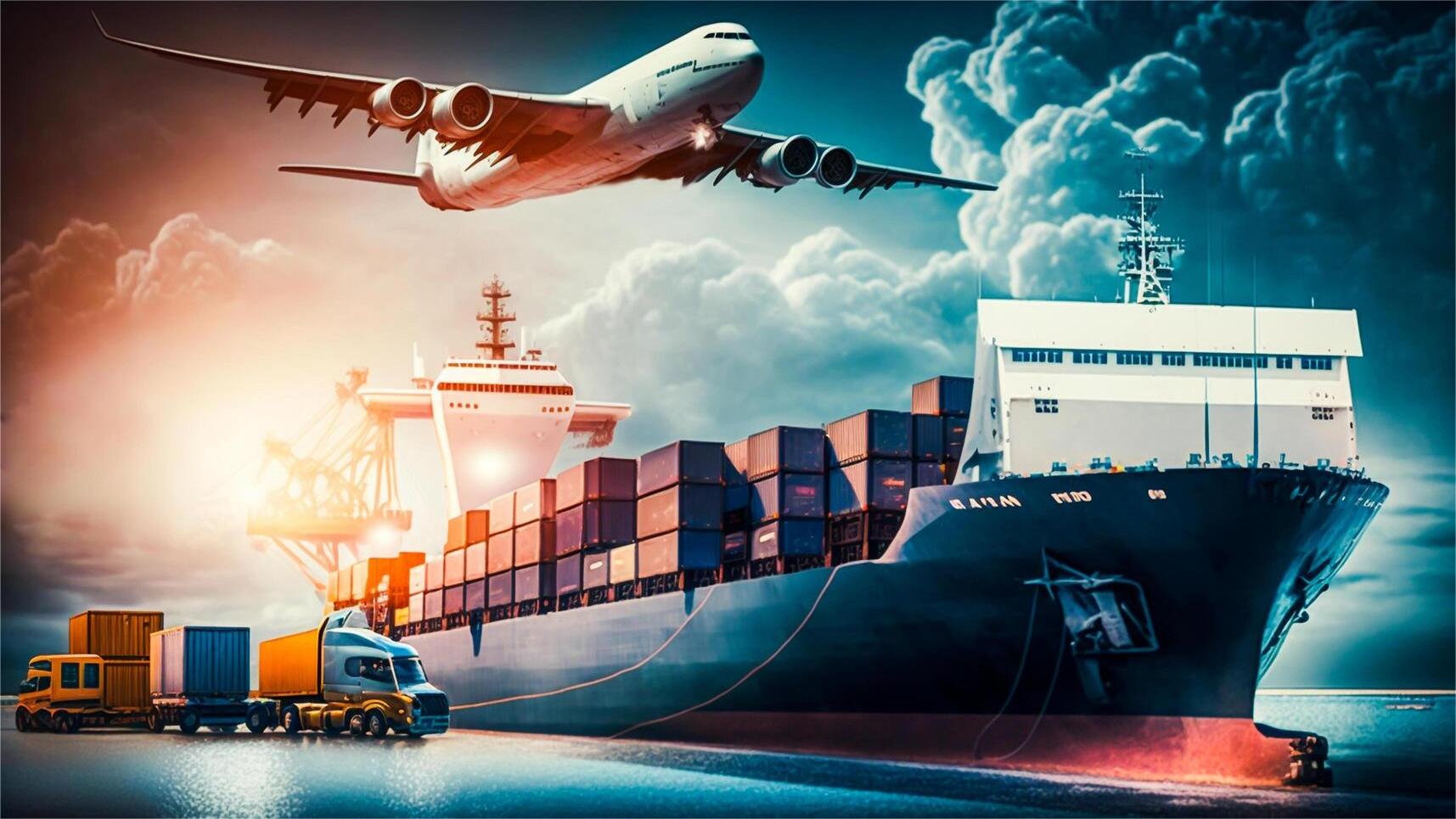
When planning FBA freight from China to USA, three primary shipping methods are available: sea freight, air freight, and express courier services. Each option presents distinct advantages and disadvantages. Consequently, selecting the most appropriate method depends on your shipment’s characteristics, urgency, and budget.
Sea freight is generally the most cost-effective solution for larger, bulkier, or non-urgent shipments. It offers substantial savings for high-volume inventory. However, transit times are considerably longer, requiring careful inventory planning.
In contrast, air freight provides significantly faster transit, making it ideal for high-value, time-sensitive, or smaller consignments. While more expensive, it minimizes stock-out risks and supports rapid product launches. This method is often chosen for urgent replenishments.
Express courier services, such as DHL or FedEx, offer the fastest door-to-door delivery. They are best suited for very small, lightweight, or extremely urgent packages like samples or critical components. Nevertheless, their high cost makes them impractical for most regular FBA inventory shipments.
| Shipping Method | Cost Range (per kg) | Transit Time (door-to-door) | Best For | Limitations |
|---|---|---|---|---|
| Sea Freight | $0.50 – $1.50 | 25-45 days | Large, heavy, non-urgent goods | Slow, potential port delays |
| Air Freight | $4.00 – $8.00 | 7-15 days | Medium to high value, urgent, smaller goods | High cost, volume/weight limits |
| Express | $8.00 – $15.00 | 3-7 days | Small, lightweight, very urgent samples | Very high cost, strict size limits |

What is FBA Freight from China to USA?
Shipping goods for Amazon FBA from China to the USA involves a specialized logistics process. This service ensures your products move seamlessly from the manufacturer to Amazon’s fulfillment centers. Understanding this crucial step is vital for any e-commerce business.
Specifically, FBA freight requires adherence to Amazon’s stringent guidelines for packaging, labeling, and delivery appointments. Neglecting these rules can lead to costly rejections or delays, directly impacting your sales. Therefore, careful planning and execution are essential.
Moreover, effective supply chain management in this context encompasses everything from factory pickup to the final Amazon warehouse delivery. This includes managing international transit, customs clearance, and domestic transportation. A well-managed process directly contributes to your profitability and customer satisfaction.
Key Factors Affecting FBA Freight Costs and Transit Times
Several critical factors profoundly influence the overall cost and transit time for your FBA freight from China to USA. Foremost among these is the cargo’s volume and weight, as these metrics directly determine the space required on a vessel or aircraft. Larger shipments often benefit from better per-unit rates.
Furthermore, the chosen shipping method—sea, air, or express—is the primary determinant of both speed and expense. Sea freight, while cheaper, involves longer transit, whereas air freight offers speed at a premium. Therefore, balancing these trade-offs is crucial.
The specific origin and destination ports, along with the complexity of the shipping route, also significantly impact delivery schedules. For example, shipments to the US East Coast via the Panama Canal take longer than those to the West Coast. Additionally, seasonal peaks, like Chinese New Year or major shopping holidays, routinely cause delays and increased freight rates.
Finally, various surcharges and fees contribute to the total landed cost. These include fuel surcharges, terminal handling charges, customs duties, and unforeseen port congestion fees. A comprehensive understanding of these variables allows for more accurate budgeting and improved supply chain predictability.
Navigating Customs and Documentation for US Imports
Successful FBA freight China to USA hinges on meticulous customs compliance and accurate documentation. The US Customs and Border Protection (CBP) enforces strict regulations for all imported goods. Consequently, errors or omissions in paperwork can lead to significant delays, fines, and even seizure of goods.
Essential documents typically include the commercial invoice, packing list, and the bill of lading (for sea freight) or air waybill (for air freight). These documents must precisely match the cargo and its declared value. Moreover, correctly classifying your products with Harmonized Tariff Schedule (HTS) codes is vital for duty assessment.
Engaging a professional customs brokerage service is often indispensable for navigating these complexities. Brokers ensure all necessary paperwork is correctly filed and that import duties and taxes are accurately calculated and paid. They also manage any specific import permits or licenses required for certain product categories.
For sea shipments, filing the Importer Security Filing (ISF), also known as “10+2,” is a mandatory pre-arrival requirement. This must be submitted to CBP at least 24 hours before the cargo is loaded onto the vessel in China. Neglecting ISF filing can result in substantial penalties, thus highlighting its importance.
Optimizing Your FBA Freight Strategy: Hybrid Solutions and Cost Savings
To truly optimize your FBA freight China to USA, consider implementing various strategic approaches that balance cost, speed, and reliability. For instance, consolidating multiple smaller orders into a single, larger shipment can dramatically reduce per-unit shipping costs. This strategy is particularly effective for Less than Container Load (LCL) sea freight.
Furthermore, exploring innovative hybrid solutions, such as sea-air combinations, can offer a compelling middle ground between the slowest and fastest methods. This approach typically involves shipping by sea to a West Coast USA port, followed by air transport to the final Amazon warehouse. It provides a quicker alternative to pure sea freight without the full cost of direct air freight.
A dedicated Amazon FBA logistics provider can offer valuable insights into these complex options. They can help you determine if Full Container Load (FCL) or LCL is more economical for your specific volume. Additionally, they can advise on optimal routing, including direct routes versus transshipment options, which may offer minor cost savings at the expense of slightly longer transit times.
Which Option Should You Choose?
Deciding on the best shipping method for your FBA freight depends on your priorities. If budget is your primary concern, LCL sea freight is usually the most economical choice for non-urgent inventory. However, be prepared for longer transit times.
Conversely, if speed is paramount for urgent restocks or new product launches, air freight or express is indispensable. For larger volumes where cost-efficiency is still important but speed matters, a Full Container Load (FCL) sea freight might be optimal, especially to West Coast ports like Los Angeles or Long Beach.
Consider your cargo type and volume thresholds carefully. For instance, shipments under 15 CBM often find LCL more cost-effective, while anything above that might warrant FCL. Always balance the trade-offs between cost, speed, and reliability to suit your specific business needs.

Real-World FBA Freight Case Studies: China to USA
Examining real-world scenarios provides invaluable insights into the practicalities and strategic decisions involved in FBA freight China to USA. These case studies highlight various challenges and optimal solutions based on different cargo sizes, urgency levels, and specific routes. They clearly demonstrate how strategic planning profoundly impacts overall efficiency and cost-effectiveness.
Based on Q3 2024 market rates, these examples illustrate typical costs and timelines. Please note that freight rates are subject to dynamic changes based on fuel costs, carrier capacity, and seasonal demand. We recommend contacting us for a current quote tailored precisely to your specific shipment requirements.
Case Study 1: Cost-Effective LCL for Seasonal Goods
This client needed to ship a moderate volume of seasonal home decor items without high urgency to prepare for an upcoming holiday season. They prioritized cost savings over speed.
| Field | Value |
|---|---|
| Route | Shenzhen, China -> Los Angeles, USA |
| Cargo | Home Decor, 12 CBM, 2,500 kg |
| Container | LCL (Less than Container Load) |
| Shipping Details | Major carrier, Port of Loading: Yantian, Port of Discharge: Long Beach, Route Type: Direct |
| Cost Breakdown | Ocean Freight: $1,200, Origin Charges: $350, Destination Charges: $450, Customs & Duties (estimated): $600, Total Landed Cost: $2,600 |
| Timeline | Booking to Loading: 5 days, Sea Transit: 16 days, Customs Clearance: 3 days, Total Door-to-Door: 24 days |
| Key Insight | Consolidating goods into LCL significantly reduced per-unit shipping costs compared to air freight, optimizing budget for seasonal inventory. |
Case Study 2: Urgent Air Freight for New Product Launch
A tech startup required rapid delivery of new electronic gadgets for a time-sensitive product launch. Speed was critical to capture market share and meet pre-order demands.
| Field | Value |
|---|---|
| Route | Shanghai, China -> Chicago, USA |
| Cargo | Electronic Gadgets, 2.5 CBM, 450 kg |
| Container | Air Cargo |
| Shipping Details | Major airline, Airport of Origin: PVG, Airport of Destination: ORD, Route Type: Direct |
| Cost Breakdown | Air Freight: $2,700, Origin Charges: $200, Destination Charges: $250, Customs & Duties (estimated): $350, Total Landed Cost: $3,500 |
| Timeline | Booking to Loading: 2 days, Air Transit: 5 days, Customs Clearance: 1 day, Total Door-to-Door: 8 days |
| Key Insight | Despite higher costs, air freight ensured the product hit the market on schedule, capitalizing on the launch window and maximizing initial sales. |
Case Study 3: FCL for High-Volume, Consistent Inventory
An established Amazon seller needed to replenish a large quantity of popular consumer goods for consistent stock levels. Their primary goal was to maintain inventory without stock-outs.
| Field | Value |
|---|---|
| Route | Ningbo, China -> New York, USA |
| Cargo | Consumer Goods, 55 CBM, 10,000 kg |
| Container | 40HQ (Full Container Load) |
| Shipping Details | Major carrier (e.g., COSCO), Port of Loading: Ningbo, Port of Discharge: New York, Route Type: Transshipment via Panama |
| Cost Breakdown | Ocean Freight: $4,800, Origin Charges: $500, Destination Charges: $700, Customs & Duties (estimated): $1,200, Total Landed Cost: $7,200 |
| Timeline | Booking to Loading: 6 days, Sea Transit: 32 days, Customs Clearance: 4 days, Total Door-to-Door: 42 days |
| Key Insight | FCL provided the best unit cost for high volume, ensuring steady inventory replenishment despite a longer transit time to the East Coast. |
Choosing the Right Logistics Partner for FBA Freight
Selecting an experienced and reliable logistics partner is undeniably crucial for successful FBA freight from China to USA. An ideal partner possesses deep expertise in Amazon’s specific receiving requirements, including proper labeling, palletization, and appointment scheduling. They effectively act as an extension of your business, ensuring smooth operations.
Look for providers offering comprehensive door-to-door services. Such services simplify the entire shipping process, from factory pickup in China directly to the Amazon warehouse in the USA. This minimizes your administrative burden and reduces potential points of failure.
Their proven expertise in complex customs clearance procedures and robust local delivery networks can prevent costly delays and ensure compliance. Moreover, effective communication, transparency in pricing, and proactive problem-solving are key indicators of a good logistics partner. A strong partnership contributes significantly to your peace of mind and business growth.
Market Insights: Current Trends in China-USA FBA Freight
The dynamic landscape of FBA freight China to USA is constantly evolving, significantly influenced by global economic shifts, geopolitical events, and prevailing logistics trends. As of early 2025, freight rates have largely stabilized after the significant volatility observed in previous years. However, specific routes and seasonal demand continue to exert considerable influence on pricing.
Industry average data indicates that port congestion remains a persistent potential challenge, particularly at major US West Coast ports such as Los Angeles and Long Beach. Consequently, flexible planning and collaborating with freight forwarders who can swiftly adapt to changing conditions are absolutely essential. This proactive approach helps mitigate potential disruptions.
Furthermore, staying informed about broader geopolitical events, like potential trade policy changes or disruptions to key shipping lanes, is highly advisable for Amazon sellers. Such events can unexpectedly impact transit times and freight costs. A forward-thinking strategy, therefore, involves anticipating these shifts and building resilience into your supply chain.
Conclusion
In conclusion, mastering FBA freight China to USA is fundamental for any Amazon seller sourcing products from China. By thoroughly understanding the various shipping methods, diligently navigating complex customs procedures, and implementing strategic cost-saving measures, you can significantly enhance your supply chain efficiency.
Partnering with a knowledgeable and reliable logistics provider for your FBA freight needs is undoubtedly the key to sustained success in the highly competitive e-commerce market.
Ready to streamline your logistics?
Ready to optimize your FBA freight from China to USA? Streamline your Amazon supply chain and ensure timely, cost-effective delivery to fulfillment centers. Contact us today for a personalized quote and expert guidance on your next shipment.
Request Quote